Showing posts with label Ovarian cancer. Show all posts

Wednesday, November 15, 2023

PKCγ and Ovarian Cancer

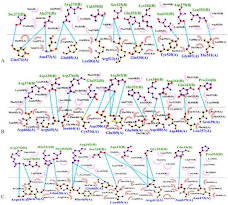
 This study was to analyze the variant of the conventional protein Kinase C-γ (PKCγ) rs1331262028 associated with ovarian cancer and to determine its impact on PKCγ’s protein interactions.  The impact of this variation on  PKCγ interactions was determined by genotyping PCR (cohort size:100), protein–protein docking and molecular dynamic simulation. To conduct these tests; first: samples from patients with ovarian cancer were collected and processed. Second: genomic DNA was extracted for genotype analysis. The third step used In-situ mutagenesis, followed by statistical examination and Molecular Docking of PKCγ with Connexin43. Finally, the interaction dynamics were analyzed, as well as the Pathway Construction for PKCγ’ and Connexin43 Interaction. The outcome of these tests indicates the positive association of variant rs1331262028 with ovarian cancer and its clinicopathological features. Molecular dynamics simulation depicts the potential influence of variation on PKCγ molecular signaling. This study has begun to create a foundation for assessing this variant as a possible prognostic marker for ovarian cancer. Further research can build upon these results.


This study could assist in finding better indicators for cancer causing genes so that cancer, in individuals, can be treated earlier than they would have been previously. Though the presence of this variation in PKCy may indicate the possibility of the individual becoming symptomatic, it is not a guarantee. This could possibly lead to a false positive in diagnosis. It is still a step closer to understanding carcinogens, but it is not absolute in its diagnosis capabilities.



Link to article “Pathogenicity of PKCγ Genetic Variants—Possible Function as
a Non-Invasive Diagnostic Biomarker in Ovarian Cancer”:  https://doi.org/10.3390/genes14010236


Tuesday, November 19, 2019

P53 in breast cancer and its role in chemotherapy efficacy

The TP53 gene is one of the most common genes seen in breast cancer tumor cells which codes for the P53 protein. For years scientists have known about the frequency of P53 seen in breast cancer cells, but only recently have they begun to explore the role of mutations in this protein and how they affect the overall effectiveness of chemotherapy.

The first paper I read was written in 1998 and it studied 40 tumors; 29 of which were linked to BRCA1 and 11 of which were linked to BRCA2. The scientists examined the tumors for mutations in various genes linked to breast cancer development, one of which being the TP53 gene. One of the most staggering statistics gathered from this study was the fact that P53 mutations were seen in 80% of the tumors, affecting 83% of BRCA1-linked tumors and 73% of BRCA2-linked tumors. Mutations of P53 most commonly resulted in the upregulation of the protein which was most likely the result of a change in the cell cycle checkpoints. The paper concluded that even though P53 may not be mutated in every case, different components of the P53-dependent cell cycle could have been altered which may have a direct effect on the tumors.

The second paper I read was written by French scientists in 2013, and the study was prompted because the scientists realized that even though previous findings showed an obvious central role of P53 in cancer, the status of TP53 has never been studied as a way to manage breast cancer. Mutations of the TP53 gene are the most common across all breast cancer sub-types, seen in 30% of tumors. In breast cancer patients, tumors are determined to be ER(+) or ER(-), meaning they are either receptive (+) or nonreceptive (-) to estrogen. The paper suggested that having a tumor that is ER(-) with TP53 mutations is the best case scenario for patients, because the accumulation of genetic mutations and abnormalities in these tumors lead to a better response to chemotherapy compared to ER(+) TP53 wild type tumors.

After reading these two articles, it is clear that there is much more research needed in this field for any hope of finding a way to completely eliminate these tumors. The largest challenge when treating breast cancers is the fact that there are so many types of tumors which can range in their response to chemotherapy. I believe these studies are huge leaps forward for the field of oncology, but more studies need to be conducted on P53 as well as any other genes thought to play a role in any stage of tumorigenesis. I think for now studies should focus on P53 due to its widespread activity in breast cancer because it may hold the secrets to the main pathways that allow for tumor growth. If we can find even one pathway responsible for tumor growth, we may be able to break the pathway and cure cancers that were difficult to near impossible to treat before.

Links to articles:

Molecular genetic characterization of BRCA1- and BRCA2-linked hereditary ovarian cancers:
https://cancerres.aacrjournals.org/content/canres/58/15/3193.full.pdf

p53 in breast cancer subtypes and new insights into response to chemotherapy:
https://reader.elsevier.com/reader/sd/pii/S0960977613001409?token=928B8AEBFB15502B20406BA94D56BD2D5DFDEB8F1AE42F99BBCC1C8D495CC458BC5BB9A7324D713715B1B69FE7332585

Sunday, September 22, 2019

Promise for Ovarian Cancer


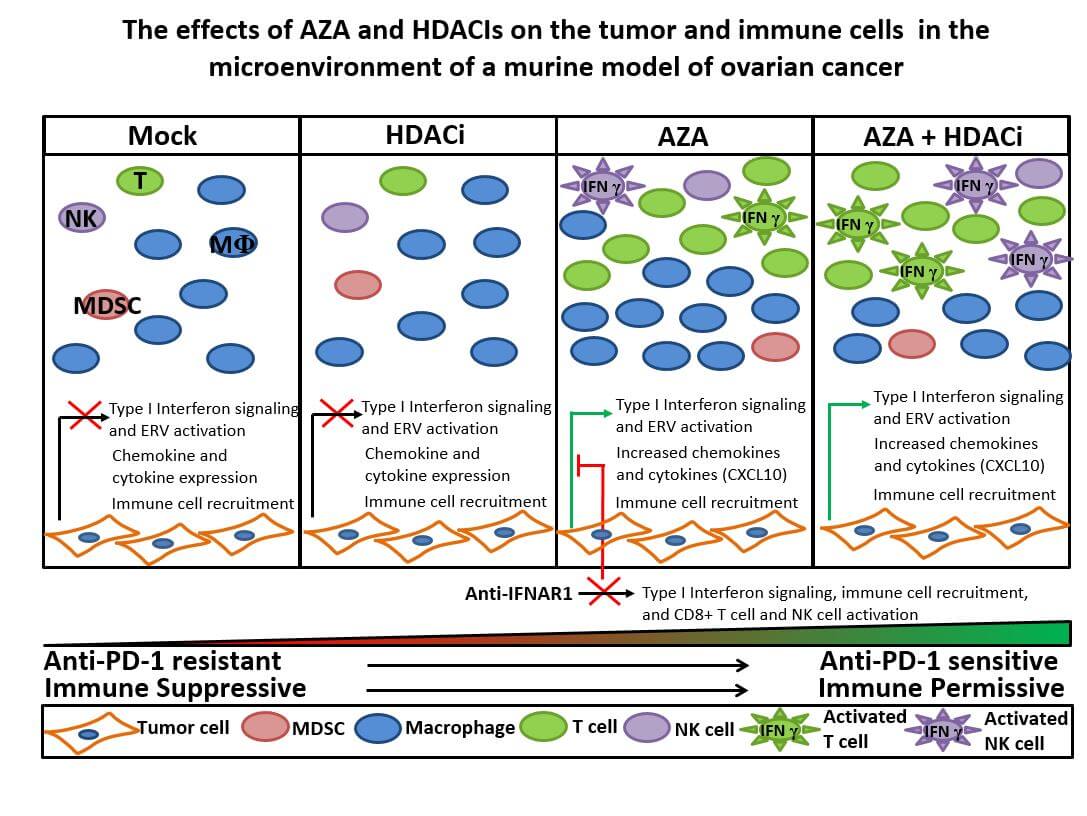
Every year, women are affected by one of the leading causes of death from gynecological malignancies in the United States. This type of cancer called “ovarian cancer.” This disease is caused by cancer cells that form in the tissue surrounding the ovary in the female reproductive system. Ovarian cancer can be severe because it may attribute to other illnesses.It does not cause just one type of symptom, but multiple.  Each patient symptom(s) is different. Four types of cancer staged from 1 to 4. One is being least to four is most dangerous. Over the past years, science has improved, and now researchers give these patients hope toward treatments. For examples, more advanced drug therapies and epigenetic drugs trials. This help the patient continues to live a healthy
life with cancer.


Infographic


This study/article(s) shows how important this research is for patients that are affected and for female as well. Even though ovarian cancer cannot be cure, but it does give female patients who are affected have hope that it may treat. Due to advanced treatments that can help slow down/ and eliminate cancer cells so that patients be able to live with cancer. As a woman, I also think this is important to me as well because ovarian can happen at any age and to any women. Knowing that there are treatments out there that can help.

https://www.hopkinsmedicine.org/news/media/releases/combination_strategy_could_hold_promise_for_ovarian_cancer
https://www.newschannel5.com/news/genetic-research-showing-promise-in-fighting-ovarian-cancer
https://ghr.nlm.nih.gov/art/large/ovarian-cancer.jpeg

Wednesday, March 28, 2018

The True Origin of Ovarian Cancer

New evidence is suggesting that ovarian cancer does not originate in the ovaries, but rather the Fallopian tubes. Douglas Levine, the Director of Gynecologic Oncology at Perlmutter Cancer Center at NYU Langone Health in New York City along with colleagues took cells from the Fallopian tubes, ovaries, and lining of the inside of the abdomen of healthy women and compared the cells to the precursor lesions and tumors of 96 women with high-grade serous cases of ovarian cancer to
see which healthy cells the cancerous cells were genetically more similar to. They found that in almost every case, the cancerous cells were genetically similar to the cells from the Fallopian tube, suggesting that ovarian cancer is actually Fallopian tube cancer.

About 15-20% of Ovarian cancer is inherited and women that test positive for a mutation in the BRCA1 and BRCA2 gene have increased risk of developing ovarian cancer. And because there is no way to screen for ovarian cancer, it is recommended for women to receive preventative surgery  between the ages of 35 and 40, by removing the Fallopian tubes. However this removal causes premature menopause, and for many, a decrease in their quality of life.

A second study by Victor Velculescu, Professor of Oncology and Co-director of Cancer Biology at Johns Hopkins University School of Medicine, and colleagues examined small lesions in the Fallopian tubes, Fallopian tube tumors, ovarian cancers, and metastases of women with high-grade serous ovarian cancer and sequenced the genomes of the tumors to identify which order the lesions appeared and found that there was a gab of seven years between the development of the lesions and ovarian cancer, and then quickly spread after a year. Using this information, doctors could possibly find these lesions early and stop them before they spread.

I think it is interesting that a common, but dangerous cancer may have been incorrectly named and had been for many years by believing it originates in the ovaries rather than being able to notice early enough to see that it is spread to the ovaries from the Fallopian tubes. By paying more attention to any lesions developing, it could be possible to prevent the cancer from spreading  if found early enough and with preventative surgery, the possibility of only needing to remove the Fallopian tubes without the ovaries. I am interested to see how this information can be used with other types of ovarian cancer.

Article: Ovarian Cancer Doesn’t Begin in the Ovaries, Researchers Say
Related Study: The Origin and Pathogenesis of Epithelial Ovarian Cancer- a Proposed Unifying Theory


Monday, November 14, 2016

Genetic Testing After Breast Cancer Diagnosis


Picture of the Breast Cancer Symbol

People thought that cancer before was just one single disease, but now we are starting to understand the unique qualities of an individual's cancer compared to someone else's. It goes beyond the type of cancer as well because on breast cancer for example could be different than another breast cancer. With individualized treatment plans there also come a lot of different tests one can take to be screened or checked.
"With the ever growing number of tests available, which tests really matter? For women diagnosed with breast cancer, two types of genetic tests that can be especially important are genetic testing of the person for BRCA 1/2 mutations and genomic testing of the cancer, such as the Oncotype DX test."
To find out if you need chemotherapy, people use the Oncotype DX test. Before, it was thought chemotherapy treats cancer, but not all chemo treatments are successful at treating certain cancers. This test gives measurements based on the recurrence of cancer. Another type of test that matters is the BRCA 1/2 gene test. This is more of a preventative measure and to try to see if you are at high risk or not in developing cancer. An abnormality in this gene could help doctors develop a special plan for a breast cancer patient, or be able to tell low risk patients that there isn't much to worry about now.
"Everyone has BRCA1 and BRCA2 genes. The function of the BRCA genes is to repair cell damage and keep breast, ovarian, and other cells growing normally. But when these genes contain abnormalities or mutations that are passed from generation to generation, the genes don't function normally and breast, ovarian, and other cancer risk increases. Abnormal BRCA1 and BRCA2 genes may account for up to 10% of all breast cancers, or 1 out of every 10 cases." 
I think that it is wonderful that our genetic testing has become more accurate in the past years. We are able to adjust our treatment plans from the past in order to help save more lives and we are able to educate the populous about cancer and how the solution isn't as easy as some make it to be. It is hard to help someone with cancer because it is so individual and specific to them, two different things might have caused even two cancers in the same person. Either way, it's great that genetics is impacting cancer research and most likely impacting parenthood in knowing how their children may be affected if they inherit the gene.

Friday, April 1, 2016

Genetic testing for Ovarian Cancer

 A research study at the University of Washington had discovered women with a mutation in certain "DNA repair" genes may benefit in the aspect of cancer cells replicating quickly. It is also said women with this mutation may also survive longer and stay cancer-free for a longer period compared to women without the mutation.
There is a clinical trial to test how women with a mutation in DNA repair gene might react to combination drug therapy. The study did not show how patients responded but did affect patient outcomes. The researchers sequenced DNA from blood or tumors from 1,200 women using a gene panel test called BROCA-HR. The results were: 26 percent of women had a mutation in DNA repair gene. Women without mutation were just over a year for progression-free survival, overall survival was about 3.5 year.
Having the mutation in BRCA1 gene resulted in 15.7 months of progression-free survival and overall survival was 55.3 months. Women who had a mutation in the BRCA2, survival period was 22 months progression-free and overall more than 75 months.

Women can be tested for these genes and are encouraged to find out. The treatment guidelines may not be altered due to the finding but knowing the benefits  of having one of these mutations may provide optimism for those who are affected.


I would definitely like to be tested for these genes. Being a woman is enough to motivate me to get tested. This type of research can take us a long way into creating drugs that can promote mutations for those women who are at risk of developing ovarian cancer. 

Friday, March 11, 2016

Genetic Testing will be Publicly Avaiable

A genetic testing company, AmbryGenetics, is making genetic information from the people it has tested publicly available, which will have an enormous amount of data available to researchers looking for genes linked to various diseases. The public available test are made of 10,000 of their current customers into a database called AmbryShare. Image result for ambry genetics with gene of caNCER


AmbryShare will not contain the actual exome, it is the part of the genome formed by exons, the sequences which when transcribed remain within the mature RNA after introns are removed by RNA splicing, of each person. though it will include aggregated information on the genetic variants. Having information from numerous citizens is considered vital to identifying the genetic fundamentals that give to illnesses.
The people tested all have or currently had breast or ovarian cancer and were tested to see if they have genetic differences that amplify the risk of those diseases. they then sequenced their exomes, which they found to have the roughly 1.5 percent of a person’s genome that holds the contents for the proteins formed by the body.
The best part of the data being publicly available will be, for instance, a researcher could see how often a certain mutation occurs among the tested people available. Ones which occur regularly in the 10,000 people, but not within healthy people, could elevate the risk of developing those certain cancers.
I believe this will be beneficially to not only researcher but to all people. Being able to see others genes may be able to lead people in the direction of finding out their own. This study will bring on many new technologies and findings of diseases to come.

Wednesday, November 11, 2015

Living With a BRCA1 Mutation: One Mom's Story

Katrina Wells and her family, is currently pregnant ---and is BRCA-1 positive

       Ovarian and breast cancer is a genetic mutation that runs heavily in Katrina Wells' side of the family. Cancer has taken the lives of her grandmothers, aunts, sisters, and now it has intruded into Katrina's body. When Katrina found out she was pregnant with her second child, she found out she was a carrier for Canavans disease. Luckily, Canavan's disease is a recessive gene and her husband did not carry the disease in his genes, so their kids were not at risk. When she went through all the testing for Canavans disease, her need for BRCA testing became even more evident.

Katrina Wells and her daughters
   She took matters into her own hands and realized that waiting until she was in her 70s would only increase the chances of her getting ovarian and breast cancer. She enrolled herself in a research institute and used different approaches to test for the disease. She knew that her grandmothers and aunts did not have as many resources, so she wanted to do whatever she can to spare the lives of her daughters.
The main point she wants to share with others is that if a disease runs in your family, then pursue genetic testings before the     disease can get to you. Also take advantage of the resources we have today. She mentions in the article that its better to know the odds, instead of living in the dark.

"I think a lot of people are just afraid to know that they have a chance of getting a disease. All the clues could be sitting right in front of their face, but seeing it on actual paper, is nerve-wrecking. If a disease runs in your family, I think it is best to get early screenings. You can increase your chances of living longer, by starting now then later."

Click here for the article!

Sunday, November 1, 2015

The Roots of BRCA1 Mutations for Ashkenazi Jews

The BRCA1 gene is associated with breast cancer. Recently it has been found it has been found that this gene mutation is found at a higher rate in Ashkenazi Jewish women than in other Jewish women in present day. This is because this specific gene mutation appeared in Central and Eastern European Jews, around the time when 350 of the ancestors of modern day Ashkenazi Jews were alive. Another reason is because of the longstanding tradition of them marrying within the group which allows for no genetic variation and the continuation of the BRCA1 reoccurrence within the families.
In a study done in 2012 of modern carriers' DNA, concluded that the mutation was present in other European populations for hundreds of years and entered the Ashkenazi gene pool in Poland 400 to 500 years ago. In the late medieval period, according to a study done in 2014, researchers claimed that the reason the gene came into the pool was because of the 350 people and the rapid expansion of the Jewish population.
BRCA1 mutation are not the only problem with the Ashkenazi Jews. The harmful mutations in the BRCA2 gene are more commonly found in the population of Ashkenazi Jew in the United States as well as other groups around the would. The mutation in these genes are associated with breast cancer and ovarian cancer.
This study is extremely important because the public, especially these specific group, can have knowledge of their possible risk factors and how they could possibly be prevented or treated earlier.
Original Article

Monday, September 21, 2015

New Research Could Lead Breast/Ovarian Cancer Preventions Away From Surgery


Some breast cancer cells are dividing.   Two studies have shown the effects of mutations in genes that can result in high risk of breast and ovarian cancer. The genes BRCA1 and BRCA 2 are the mutations that serves for breast cancer and ovarian cancer. To date, women with these genes can opt for surgery such as a double mastectomy or have their ovaries and fallopian tubes removed, many disagree with the surgery option as it is not an ideal solution.
   Prof. Martin Widschwendter, an author of one of the two studies, says they would like to prevent breast cancer and are looking for ways to step forward with research rather than opting for the surgery to prevent cancer.
    Tee ovaries and pituitary gland can also be affected by mutations in the BRCA1 and BRCA 2 with hormones like progesterone. Hormones like progesterone can control the menstrual cycle to encourage the development of these cancers. In the first study, Prof. Widschwendter learned that women with the BRCA 1 or BRCA 2 genes that are mutated have very low osteoprotegerin in their blood, which is known to block the effects of RANKL, a protein triggers breast cancer. Researchers think that a drug that could mirror the effect of OPG, or lessen the effect of progesterone could be a solution to the reduction of breast cancer risk.
  In the second study, Prof. Louis Dubeau and colleagues created a mouse model to simplify the examination of the menstrual cycle on breast and ovarian cancer risk. Prof. Dubeau explained the goal of preventing breast and ovarian cancer in women with BRCA 1 and BRCA 2 mutations via the mouse model.
 The model consisted of mice that carried the mutations like those affecting the BRCA1 gene in humans. They mutations were made to occur in tissues, ovaries, and pituitary glands, where there would be an increased cancer.  This allows the researches to see the mutations effects on the menstrual cycle and the high risk tissue areas as independent variables.
  As a result, the researches came to the conclusion that some forms of ovarian cancer does originate in the tissues outside of the ovaries and fallopian tubes, further proving that removal surgery is no guarantee of cancer prevention.
 For the future, both research teams hope to see improvement in prevention plans and possibly eliminate surgery as an option.
  I think this is a good break through for cancer prevention studies. Surgery is no guarantee and the more we know about cancer formation, the more we can try to prevent it.

For the full article click here.
For more information on breast and ovarian cancer click here.


Sunday, April 26, 2015

New Breast Cancer Screening Tests


            A start-up factory in Silicon Valley is offering an ovarian and breast cancer screening test from a saliva sample.  It is very inexpensive and seems to be promising.  At the same time, Quest Diagnostics and LabCorp have joined forces with French researchers (and any other companies that want to join the effort) to pool their data in order to gain more knowledge on the breast cancer causing genes, BRCA1 and BRCA2.
            A company by the name of Color Genomics has started a BRCA testing plan.  BRCA testing has been limited to women that already have cancer or those with a family history of breast or ovarian cancer.  The tests will cost about $249 and will test not only BRCA1 and BRCA2 genes, but 17 other cancer causing genes, one tenth the price of other tests on the market.  Many insurance companies tend not to pay for these tests so the company has decided to make them cheap enough for woman to pay out of pocket so no one has to deal with that hassle that comes with insurance companies.  Color Genomics has also decided that a program would be started to give woman who could not afford the test a chance to get it done for free.
            Currently in America, only woman over the age of 30 with cancer or a family history qualify for the BRCA test meaning that about half of the woman with these deadly mutations do not qualify.  A large percentage of the cases develop the mutation from their fathers so the family history of cancer is not evident.  Color Genomics hopes to expand the testing range and give more women a sense of relief and comfort that they and their families will live long happy lives due to this testing.
            Like any other new discovery in the science world, there are people that support it and people that do not.  I however support the use of this new screening because it is a good way to allow woman to discover how at risk they are of developing these cancers.  With the help of the BRCA screening test, woman at risk of cancer will be able to detect the tumors early on because they know how high the chances are. Many people and companies support Color Genomics and they have already raised about $15 million.

Thursday, April 2, 2015

Experts Back Actress in Choices for Cancer Prevention


           Angelina Jolie Pitt, an actress and filmmaker, made the decision to undergo a surgical procedure called laparoscopic bilateral salpingo-oophorectomy, which removes the ovaries and fallopian tubes. Jolie carried the genetic mutation, BRCA1, which dramatically increases the risk of ovarian cancer. Ovarian cancer is typically detectable during its final and untreatable stages. 40 is the recommended age to have oophorectomy surgery for those with BRCA1 and BRCA2 mutations. It is better to remove them early since there is no accurate method to test for ovarian cancer when affect. When detectable, it is too late, and the affected patient dies. The cancer scare pushed Jolie to be proactive about her decision since her mother, aunt, and grandmother died of cancer. Previously, Jolie removed both her breasts because BRCA1 also increases breast cancer risk. Generally, doctors recommend that breast surgery take place after oophorectomy surgery since breast cancer is detectable and treatable at early stages. The negative side effects to oophorectomy surgery are early menopause and inability to conceive. Therefore, oophorectomy surgery is ideal for women after they have had the desired number of children and before the cancer risk spikes.
            Testing for CA-125 protein monitors ovarian cancer possibilities; however, this test has been halted by some doctors since it is ineffective at detection and does not improve one’s chance at survival. There are also no evidence that BRCA mutation causes uterine cancer risk, so Jolie has decided not to remove her uterus. Jolie empathizes for those affected who want to get pregnant, and says that they might have the option to only remove the fallopian tubes. There is little evidence that fallopian tube removal is as effective towards ovarian cancer prevention. I think it is very inspirational that Jolie shared her decision with other women. She is a strong advocator that knowledge is power because while doctors give options based on diagnosis, they cannot make decisions for you. If affected women can relate to a strong icon like Angelina Jolie, it will help them take action to make an informed decision. Signs of ovarian cancer may be similar to other non-life threatening medical issues, so it is important to take any signs of precaution if at risk when possible. 
            
Original: Link1
Supplement: Link2


Tuesday, March 24, 2015

Predicting Chemotherapy Treatment of Ovarian Cancer Patients


    The leading cause of gynecological cancer in women is ovarian cancer, as it takes about 152,000 women's life's each year. Compared against other deadly cancers for women, this is the fifth most common cancer. Ovarian Cancer, like most other cancers, is treated with chemotherapy, however all patients undergo various experiences with this treatment. For many, the chemotherapy treatments kills patients. Many patients are fairly healthy when they choose to undergo this vigorous treatment and before it can completely kill the cancer, it takes the patients life either spiritually or literally.
    Fortunately, science has found a light into predicting how a patient may react to chemotherapy. This knowledge will aid patients decisions regarding their treatment path. Thus increasing the survival rate. The study of this topic was researched among 200 patients at Queen’s University by Doctor Madhuri Koti (visit the article here). He specifically was looking for biomarkers which would indicate the individuals biological state or condition. Meanwhile,  a larger experiment is being observed by Terry Fox Research Institution in Canada to validate Dr. Koti’s findings. It is expected that such biomarkers may suggest other methods of therapy, for example pelvic radiotherapy.
    I find this article extremely important as it searches for the proper ovarian cancer treatment for each patient uniquely. In an illness that takes such a numerous number of lives yearly, it is rare to find scientist studying the affects that treatments will have on different individuals rather than simply looking for the universal cure. I think this is a smart method of tackling cancer as everyone is different, therefore can handle various therapy’s in their own manor. Initially, I was attracted to this article because my grandmother passed away during chemotherapy treatment for her ovarian cancer. Although, it is too late to find the proper treatment for her, this is a hereditary illness; consequently, it is vital I follow the newest methods of treatment.

Wednesday, February 11, 2015

Myriad Breast Cancer Gene Lawsuit


Myriad Genetics is a molecular diagnostic company that focuses mainly on the developing and marketing of predictive medicines, personalized medicine, and prognostic medicine tests. The Myriad Genetic Company uses the information they collect from their testing to help guide individuals toward which drug therapy they would respond best to. They help regulate the dosages of medicine to ensure optimal treatment and assess the likelihood of an individual to develop a disease, its progression, and its re-occurrence.
The Myriad Genetics Company has finally ended its patentdispute on breast cancer risk testing. Myriad Genetics Company was testing for mutations on two genes, BRCA1 and BRCA2. The mutation of these genes have been linked to an increase risk of breast cancer and ovarian cancer. This testing caused the competitor companies to start making their own versions of the test only they made them cheaper. Myriads sued those companies and claimed that the competition was infringing on their patents.
Unfortunately, when brought to Judge Robert J. Shelby, he ruled against Myriads request. Later, the Federal Circuit agreed with the decision and ruled that human genes cannot be patented. The Myriad Company had to settle in court against the competitors, LabCorp, Invitae and Pathway Genomics, Ambry, GeneDx and Counsyl, and Quest Diagnostics. The agreement was that Myriad would not sue the other companies for the patent of the test on BRCA1 and BRCA2, as long of the other companies dropped their counter-suits against Myriad.

I think this test is needed especially in times like these where cancer is prevalent and can happen in a blink of an eye. As someone who has a family history of breast cancer, I think it would be beneficial to have a test that can determine the chance of me or any family member developing cancer. For the court to deny (rule against) Myriad’s claim, was an unfair decision.  They created the testing first and the competitors took their idea and made it cheaper, so they could get more patients and in turn more money.

Thursday, January 29, 2015

Ovarian cancer risk genes identified


Ovarian cancer is any cancerous growth that could occur in different parts of the ovary. The major form of ovarian cancer arises from the epithelium which is the outer lining of the ovary. It is the eighth most common cancer among women in the United States.


A team of international scientists have identified six genes that increase a woman’s chances of developing ovarian cancer. This discovery could help researchers find new ways to treat and possibly prevent the disease. This form of cancer has been referred to as a silent killer because most of the time it isn’t detected until it is at an advanced stage. 

According to the article, a woman’s lifetime risk of developing breast or ovarian cancer is greatly increased if she inherits a harmful mutation in the BRCA1 or BRCA2 genes. But the six new variants identified by the researchers have a subtle impact than the BRCA1 and BRCA2 mutations. Each of the newly discovered variants increases the risk of cancer by a very small amount. 

I believe that this is a big discovery in the medical field. According to The American Cancer Society an estimated 21,290 women will receive a new diagnosis of ovarian cancer this year and about 14,180 women will eventually die from it. I think that the research completed by these scientists will help us diagnose this disease in the earlier stages in the near future before it spreads out to its final stage.