Showing posts with label genotype. Show all posts

Thursday, November 16, 2023

Paleogenetics

 Next-generation sequencing (NGS) technology and the updating of DNA isolation protocols have combined to make the sequencing and genome estimation process of a very fragmented ancient DNA (aDNA) possible. This new technology has furthered the field of paleogenetics to be able to perform metagenomic studies, as opposed to analyzing a singular short DNA sequence, like in the past. It is difficult to extract aDNA and process it without severe degradation, if enough of a sample is still present in a fossil, to be collected at all. Amplification through the use of primers, selected for the species closest to the species of interest, or primers for interspecies conserved regions, has also been done to analyze aDNA. The mitochondrial DNA from fossils, as well as fragments of their nuclear genomes, are the main focus of study and captured using a hybridization-based capture method.


I have a particular interest in biological archeology. Advancements in paleogenetics could vastly improve identification of extinct species. Amplifying DNA like this, to allow for genome sequencing, will allow for better estimations of their genetic codes. However, the species with no living members cannot be verified and could possibly be providing contaminated DNA strands. This discrepancy is still difficult to rectify. Perhaps further technological advancements could assist in identifying and removing any contaminants.


Link to article “Methodological Changes in the Field of Paleogenetics”:

 https://doi.org/10.3390/genes14010234

Other associated links:

DNA sequences from the quagga, an extinct member of the horse family | Nature

Ancient DNA | definition of Ancient DNA by Medical dictionary (thefreedictionary.com)

Wednesday, November 15, 2023

PKCγ and Ovarian Cancer

 This study was to analyze the variant of the conventional protein Kinase C-γ (PKCγ) rs1331262028 associated with ovarian cancer and to determine its impact on PKCγ’s protein interactions.  The impact of this variation on  PKCγ interactions was determined by genotyping PCR (cohort size:100), protein–protein docking and molecular dynamic simulation. To conduct these tests; first: samples from patients with ovarian cancer were collected and processed. Second: genomic DNA was extracted for genotype analysis. The third step used In-situ mutagenesis, followed by statistical examination and Molecular Docking of PKCγ with Connexin43. Finally, the interaction dynamics were analyzed, as well as the Pathway Construction for PKCγ’ and Connexin43 Interaction. The outcome of these tests indicates the positive association of variant rs1331262028 with ovarian cancer and its clinicopathological features. Molecular dynamics simulation depicts the potential influence of variation on PKCγ molecular signaling. This study has begun to create a foundation for assessing this variant as a possible prognostic marker for ovarian cancer. Further research can build upon these results.


This study could assist in finding better indicators for cancer causing genes so that cancer, in individuals, can be treated earlier than they would have been previously. Though the presence of this variation in PKCy may indicate the possibility of the individual becoming symptomatic, it is not a guarantee. This could possibly lead to a false positive in diagnosis. It is still a step closer to understanding carcinogens, but it is not absolute in its diagnosis capabilities.


Link to article “Pathogenicity of PKCγ Genetic Variants—Possible Function as
a Non-Invasive Diagnostic Biomarker in Ovarian Cancer”:  https://doi.org/10.3390/genes14010236


Sunday, July 21, 2019

CHRFAM7A Gene Explains Why Alzheimer’s Drugs Fail in Humans

Alzheimer’s disease is an irreversible and progressive brain disorder that destroys memory and thinking. This disease eventually effects a person’s ability to complete simple, everyday tasks. Alzheimer’s is currently ranked as the sixth leading cause of death in the United States. Although scientists do not understand what causes Alzheimer’s disease, some believe a genetic mutation may be the cause. 

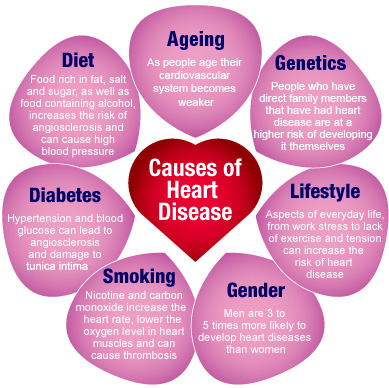
Photo credit: https://www.drugwatch.com/health/alzheimers-disease/
According to Medical News Today, Dr. Kinga Szigeti, director of the Alzheimer’s Disease and Memory Disorders Center at the University of Buffalo, found a gene that helped explain why Alzheimer’s drugs appear useful in animals but not in humans. The gene, CHRFAM7A is a fusion gene for alpha-7 nicotinic acetylcholine receptor- a neurotransmitter receptor, acetylcholine, and kinase. Acetylcholine has been linked with the development of Alzheimer’s and plays a crucial role in memory and learning. In Dr. Szigeti’s recent study, she and her team focused on how this CHRFAM7A gene relates to drug effectiveness in humans. 

The study concludes CHRFAM7A is present in two variations, a functional one and one that is not translated into a protein. Even though this gene is specific to humans, only 75% actually have it. Further, three out of four of Alzheimer’s drugs that are available target all of the acetylcholine receptors. Ironically, drugs that specifically target the alpha-7-acetylcholine receptor, have failed in humans. Essentially, an individual's genotype determines what drugs demonstrate to be effective.

"People who don't have the [CHRFAM7A] gene respond better to the drugs available now," Dr. Szigeti reports, "our work confirms that Alpha 7 is a very important target for treating Alzheimer's but the right model — a human model — has to be used when testing new drugs.” In other words, more personalized drugs are necessary for treatment because of the differentiation in humans. A drug may work for 75% of people with Alzheimers, but fail in the remaining 25% or vice versa. 


This article is very interesting but also may raise a lot of concerns that I do not think people are ready to talk about. A few questions that come to my mind would be (a) When is it acceptable to test drugs on people? (b) Would drugs have clinical trials and patients willingly test different methods? (c) How does this affect the pharmaceutical industry and will be personalized drugs become available? Other than human testing, I think this CHRFAM7A gene and its explanation for drugs presents a lot of opportunities for the future of genetics and pharmaceuticals. 

Sunday, February 25, 2018

The Key to Weight Loss Is Diet Quality, Not Quantity, a New Study Finds


Today’s modern society is focused on a healthier lifestyle and different diets.Typically when people go on diets for weight loss, the standard procedure is to count and reduce the amount of calories in foods that are consumed. However, new studies are showing that those who do not focus on counting calories or reducing portions, and instead focus on avoiding processed foods and eating plenty of fruits and vegetables had a more significant weight loss. But what about genetics? Does DNA makeup determine what type of diet is suited for each person? No, according to the study's results, "their success did not appear to be influenced by their genetics or their insulin-response to carbohydrates, a finding that casts doubt on the increasing popular idea that different diets should be recommended to people bases on their DNA makeup or on their tolerance for carbs and fats.” Furthermore, another study tested the hypothesis using a different method by offering people specific diets pertaining to their genotype. Again, results found that the, “genotypes did not appear to influence their response to the diets.” However, the studies do not stop there as the department at the Harvard T.H. Chan School of Public Health is planning to look further into other genetic factors.

I found this article to be interesting because living a healthy lifestyle has played a big role in social media and it demonstrates the million of ways to do so. People always recommend their way of eating healthy and getting in shape and I have always wondered if it matter about the person’s genetic makeup and/or family background. But now, for those to pick a way to have a healthy lifestyle really depends on the person’s interest, desire and drive. All ways of losing weight has the same underlying basis but there are still different techniques to go about it.

https://www.nytimes.com/2018/02/20/well/eat/counting-calories-weight-loss-diet-dieting-low-carb-low-fat.html

https://futurism.com/dna-based-diets-dont-work/

Tuesday, September 22, 2015

Gene magnifies the psychological impact of life events, for better and for worse.


Researchers have closed in on a particular gene that they believe makes certain people more susceptible to depression after exposure to traumatic experiences in their life, namely sexual or physical abuse during their child. Researchers at the University of Melbourne found some thought provoking data; they focused on the gene called SERT, which transports serotonin. There are three forms of this gene: (l/l), (s/l) and (s/s). Researchers studied 333 individuals of northern and western European ancestry. Their findings revealed that those who had the (s/s) genotype were 23% more likely to experience severe depression in middle age. It was also a strange and unique finding that people who had this same gene, who had no exposure to abuse, seemed to be happier than the rest of the population.

I think this is an interesting find. I was most shocked to hear that people who had the genotype making them more susceptible to depression were actually happier people if they did not have any traumatic experiences. In the future, it can help clinicians and psychiatrists assess the genetic profile of a patient better and hopefully see what situation is best fitting for the recovery of their patients.

Original Link


Monday, November 17, 2014

Moderate Alcohol Benefits for 15% of Population


A new study at Sahlgrenska Academy, University of Gothenburg in Sweden claims that an alcoholic beverage a day is claimed to decrease coronary heart disease for 15% of the population. This equates to one drink a day for women (14 g or 0.6 ounces of ethanol) and two drinks a day for men. This purpose of this study, published in Alcohol, was to see how the CETP TaqIB genotype played a role in the health benefits of alcohol consumption. The researchers wanted to see if the 618 participants had the CETP TaqIB genotyoe and carried the B1 or B2 alleles of it.

The results show that the CETP TaqIB genotype was similar in both females and males. "The B2 genotype was associated with a lower coronary heart disease risk, with a similar magnitude in men and women [and] 19% of participants were homozygous for the CETP TaqIB B2 allele. The group with intermediate alcohol intake had the lowest risk compared with low intake, but this was more pronounced in B2 homozygotes than in B1 carriers." Professor Lauren Lissner, a participant in the study, stresses that neither drinking nor the genotype has a strong positive effect; only "the combination of the two appears to reduce the risk of coronary heart disease significantly."

Professor Thelle notes that it may be a simple matter one day to perform genetic testing and determine whether someone belongs to the lucky 15% [because we can describe the mechanisms] ...That would be useful to know when offering advice on healthy alcohol consumption. But the most important thing is to identify new means of using the body's resources to prevent coronary heart disease." In addition, Medical News Today recently reported that "individuals over the age of 60 who partake in a little drinking may experience better episodic memory in later life." I think that this study can open the door to new advancements in understanding the body and why it has positive and negative reactions to alcohol. Like Professor Thelle mentioned, this can promote alcohol awareness if someone truly knows that there is no true benefit for them through genetic testing. However, individuals who are in the 15% may start to abuse alcohol and develop additional drinking-related issues since it is not a lot of alcohol that is needed daily to decrease coronary heart disease.


Sunday, November 16, 2014

One Alcoholic Beverage a Day…Does it Really Keep Heart Disease at Bay?

It has been known that moderate alcoholic consumption which is about two drinks a day for men and one for woman is associated with a decreased risk of coronary heart disease. This was thought to be the case until a new study at Sahlgrenska Academy, University of Gothenburg in Sweden published in, Alcohol, specifically re-examined the association between alcohol consumption and coronary heart disease with the presence of a specific gene. This gene is known as cholesteryl ester transfer protein polymorphism (CETP). 


The study consisted of 618 participants; 453 men and 165 women below the age of 75. They were pulled from three regional hospitals admitted for acute coronary syndrome and diagnosed with myocardial infarction, with a typical history, ECG, and enzyme changes or unstable angina. First-time acute myocardial infarction or unstable angina was present in 209 men and 86 women, while the remaining 323 had an exacerbation of previously diagnosed coronary heart disease.

Questionnaires on environmental and lifestyle-related exposure variables were collected from study contributors and 2,921 healthy control subjects. All participants were asked about their intake of different types of alcoholic beverage and the serving size and frequency of consumption. Anthropometric measures and venous blood samples were also collected. Participants were tested in order to identify if the CETP TaqIB genotype was present and whether the participants carried the B1 or B2 alleles of this genotype.

Only 19% of participants were homozygous for the CETP TaqIB B2 allele. The result showed no dependency on gender and that the B2 genotype was associated with a lower coronary heart disease risk and that the group with intermediate alcohol intake had a lower risk than low intake. The results confirm that moderate alcohol helps protect against coronary heart disease for the percentage of people who have the genotype. It was concluded that neither moderate drinking or the genotype alone has any association with decreased risk but combined it appears to reduce the risk of coronary heart disease significantly.

The study hypothesizes two reasons as to how the CETP affects the "good" cardio-protective high-density lipoprotein (HDL) cholesterol that assists in the removal of excess lipids from the blood vessels. The first on is that alcohol by some means affects the CETP in a way that benefits HDL cholesterol and the second is that alcohol contains healthy, protective antioxidants.

The fact that the well-known knowledge of the benefits of alcohol consumption may not actually be applied to everyone is a very important discover in my opinion. I know that alcohol is a huge industry in the United States but it is important that people are not misled by its benefits. For those who do drink a glass a day for not only for pleasure but because they believe that it provides several benefits should be informed that those benefits may only occur under special conditions. This study provides the possibility to identify the CETP gene in people and recognize whether or not a person would benefit from regular alcohol consumption.

Thursday, April 10, 2014

Rare Mutation Kills Off Gene Responsible for Diabetes

It is said that almost 26 million children and adults in the US have diabetes Researchers have identified a rare mutation in a gene that could prevent type 2 diabetes. The research that was led by investigators from the Broad Institute of the Massachusetts Institute of Technology and Harvard, and the Massachusetts General Hospital was started by analyzing the genes of 150,00 individuals over five ancestry groups. All the participants involved in the research had severe risk factors for diabetes.
After analyzing the genotypes of the individuals, researchers discovered that mutations in the SLC30A8 gene that reduces the risk of type 2 diabetes by 65%. After this discovery, further research helped to discover a second mutation in the SLC30A8 gene that also helped reduce type 2 diabetes. The only difference between this mutation and the first is that this one reduced blood sugar levels in subjects without diabetes and had no negative outcomes. Researcher, once again did more research and found another ten mutations in the SLC30A8 gene that reduced the risk of type 2 diabetes. They found that SLC30A8 disrupts the normal function of ZnT8, which is a protein encoded by SLC30A8 that carries zinc into beta cells that produce insulin. However, the researchers have not yet said how a reduction in ZnT8 reduces the risk of type 2 diabetes.
This great discovery can actually lead to great things in the future. It could be possible to completely reduce type 2 diabetes with the help of these mutation.


Tuesday, October 29, 2013

Marital Satisfaction linked to Gene Variant

Researches from University of California-Berkeley did a study that suggest that a happy marriage or relationship is linked to genetics and a gene which helps in regulating serotonin can determine a persons emotional outlook on relationships. They say a gene variant, 5-HTTLPR which is inherited from parents, is linked to relationship fulfillment. It also determines how important emotions are to different people.

This study followed 156 couples from 1989 until present day, these couples are now middle aged or older.During the duration of the study each couple was asked every 5 years to come into a lab and have their marital satisfaction and interaction with one another evaluated and observed. Researches were observing conversation each couple had and wold look for facial expressions, body language, tone of voice, and the topic of the conversation in which the couples were having. Out of the 156 original couple participating 125 of those couples gave DNA samples which was used to match their genotype with their own marital satisfaction and interactions with each other that were observed in the lab. The study found that couples and participants with 2 short 5-HTTLPR alleles where the most unhappy when there was to much talk and focus on negative emotional, but were the happiest when around happier emotions. Those that had 1 or 2 long alleles were less affected by the emotions that were taking place in their marriage. Neither of these alleles have a positive or negative advantage. Those who had 2 short alleles which was 17% showed a strong connection between emotions and their marriage, 83% of the couples showed no correlation between their emotions and their marriage.
I chose to write about this article because I found it interseting that how happy a person could be in a relationship is do to a gene they have and not how fulfilling the relationship may actually be. But I also found it interesting how more couples had no correlation between their emotions and their marriage. 

Thursday, March 3, 2011

New Clue to the Genetics of Bipolar Disorder: Piccolo

This article highlighted a study in which variation in a gene that codes for the protein Piccolo was found to increase the risk of inheriting bipolar disorder.  Piccolo aids neurons in releasing neurotransmitters.  The researchers compared the postmortem cortical tissue from people who were diagnosed with bipolar disorder to tissue from people who were not and looked for different gene expression patterns.

Bipolar disorder is a devastating psychiatric disorder which really has no "cure."  Hopefully, this study will lead to more research on the genetics of bipolar disorder, which could lead to new, more effective treatments.

Thursday, February 24, 2011

Drunk Driving Linked To Certain Genotypes

Recent studies have shown people with certain genotypes are more likely to drive after drinking than people with other genotypes. Doctors at UNT Health Science Center's School of Public Health conducted a study in a bar district of a large college campus community. Random samples of saliva were taken from patrons leaving bars and results showed that patrons with S/S genotype are more likely to drive home from the bar than patrons with L/L genotype. The 5-HTTLPR genetic marker is commonly reported in three forms based on allele length: L/L (two long alleles), S/L (one long and one short allele), and S/S (two short alleles).Most research has shown that the S/S type is associated with psychological distress and problem behavior. Approximately 20 percent of the general population has the S/S trait. Although this does not give people an excuse to drink and drive it gives us a better understanding into the minds of repetitive DUI offenders. Individuals with this genotype are more apt to performing risky behaviors and impulsive decisions.