Showing posts with label alcohol. Show all posts

Wednesday, May 1, 2024

Is Alcohol linked to genes ?

    This article defines alcoholism as well as describes the reasoning behind it and ways to prevent it. Although alcoholism isn't directly linked to one specific gene. Many genes have been proven to have an impact on a person’s alcohol consumption. This article also mentions that genes are not the only reasons behind alcoholism, environment can also have a large impact. Some of the ways that can be used to prevent alcoholism, include delaying consumption, limiting consumption, seeking help, and abstaining. 

    I found this article very interesting because I have never thought about my genes affecting alcohol consumption. This article also included a person’s first-hand experience with alcoholism. In this article, the person was fortunate enough to educate himself and prevent it from having a large impact on his life. The addition of statistics also helped me better understand the effects that alcohol can have on people's lives. It was very informative and led to deeper thoughts.  

Tuesday, December 10, 2019

Daily Alcohol Consumption Linked to Increased Risk of Cancer


In Japan, scientists studied 63,232 patients and their alcohol use. They screened the patients for other health risks before the study. The study found that patients that drinking 6 ounces of wine, 17 ounces of beer, or 2 ounces of whiskey a day for 10 years can increase risk for cancer by 5 percent. After 40 years of these drinking habits, cancer risk is increased by 54 percent. However, the authors of the study point out that Japanese have a genetic variation which causes them to metabolize alcohol slower, so it may have more of an impact on them.

According to the Centers for Disease Control and Prevention, alcohol has this effect on humans because when we drink alcohol, it breaks down into acetaldehyde. Acetaldehyde is known to damage DNA and prevent the damage from being repaired. When the DNA is damaged, it may cause cells to enter a growth cycle which can lead to tumors.

https://www.cdc.gov/cancer/alcohol/index.htm

nytimes.com/2019/12/09/well/live/alcohol-drinking-cancer.html


Monday, October 29, 2018

Drosophila Development in the Drink


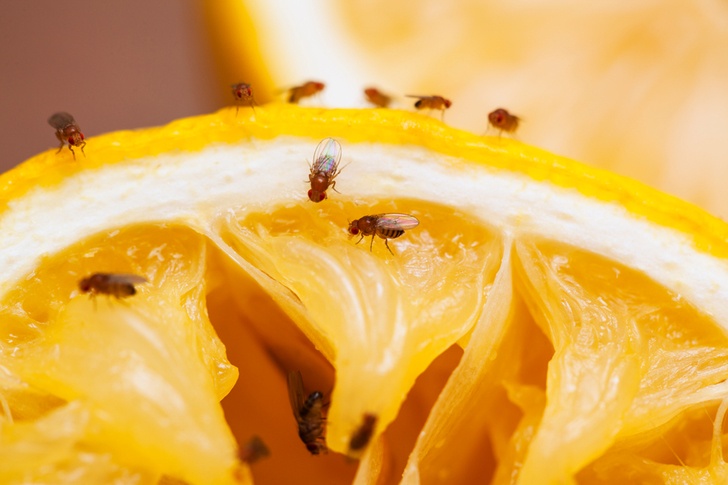
If a fetus is exposed to alcohol in the womb, it can result in a series of problems, such as developmental problems or even fetal death. However, fruit flies (Drosophila Melanogaster) are affected in a similar manner because they frequently eat rotting fruit, which produces alcohol. Tatiana V. Morozova and her research team examined the reason behind prenatal sensitivity to alcohol in fruit flies. They created a population of 200 wild-type inbred fruit flies that had fully sequenced genomes. The flies were exposed to alcohol and their developmental time and mortality rates were recorded.

Morozova et al also examined how ethanol exposure affected the movement of the flies. They found that when the fruit flies were exposed to ethanol, their development time increased, their movement was impaired, and that more flies died. However, there was some genetic variation and variation in the results from the different lines of fruit flies. The genomes of the lines were compared to examine the genetic differences between the sensitivity of each line. It was revealed that the Cyclin E gene, which regulates the cell cycle and is present in the ovaries of fruit flies, was linked to developmental alcohol sensitivity.

I thought that this article was an interesting read because the study could provide insight into the causes of  alcohol and drug sensitivity during human development. The study could also help us look into the genetic causes of these sensitivities and might lead to the development of safer medications to use during pregnancy or effective treatments for infants who were exposed to alcohol or certain drugs during development. There might not be an identical gene that affects alcohol sensitivity during development, but this study suggests that there might be a different gene that affects developmental sensitivity in humans.

References

A Cyclin E Centered Genetic Network Contributes to Alcohol-Induced Variation in Drosophila Development

Tatiana V. Morozova, Yasmeen Hussain, Lenovia J. McCoy, Eugenea V. Zhirnov, Morgan R. Davis, Victoria A. Pray, Rachel A. Lyman, Laura H. Duncan, Anna McMillen, Aiden Jones, Trudy F. C. Mackay, R. H. Anholt

G3: GENES|GENOMES|GENETICS August 2018 8: 2643-2653;

https://doi.org/10.1534/g3.118.200260

http://www.g3journal.org/content/8/8/2643

Wednesday, October 17, 2018

A Genetic Linkage to Alcohol Withdrawal Symptoms


   It has previously been established that there is a genetic linkage between our genes and the tendency to consume alcohol, but in this genome-wide study, researchers have linked genetics to the severity of alcohol withdrawal symptoms. This is a relevant research area given that nearly 16 million Americans are affected by some kind of alcohol disorder. Alcohol acts as a depressant to our central nervous system, and when an addiction is formed our brain gets used to constantly working harder to be more alert. Many people that try to break their alcohol addiction suffer from withdrawal symptoms, such as anxiety, shaky hands, nausea, and vomiting. Previously it was thought that the level of drinking and the duration of the addiction were large factors on the severity of the withdrawal symptoms, but this study now reveals a genetic link to the severity of withdrawal symptoms.

     The study was a genome-wide association study, which analyzes complete DNA sets across various populations. Specifically, the study found that variations in SORCS2 gene were highly linked to severity of alcohol withdrawal symptoms. The reasoning behind this is that variations in the SORCS2 disrupt stress-related mechanisms in the hippocampus of the brain. This means when this variation is active, the central nervous system is hindered and unable to adjust to the sudden cessation of alcohol intake. Another interesting finding from the study was that those of African-American heritage do not appear to carry the gene variant, whereas as many as 1 in 10 Americans of European descent carries the variation in this gene.

     As unfortunate as it is, alcoholism is a very prevalent problem in our society that often becomes worse over time and sometimes is left untreated due to the social acceptance of drinking in public places. It is promising to see some research going into an area that could potentially improve the treatment of those suffering from an alcohol-related disease. It is also curious to wonder whether this same gene has any effect on the severity of withdrawal symptoms from other drug addictions to depressants, or if it solely specific to withdrawal from alcohol. I am also curious about the correlation they found between race and the ability to having this variation in the gene. As with any genetic linkage, this also opens the possibility for new genetic-based therapies and the hope that possibly using personalized therapies based on genetics can vastly improve the symptoms of alcohol withdrawal.

Article
Related Article

Tuesday, March 6, 2018

Even the Lightest Consumption of Alcohol can Increase your Risk of Breast Cancer

According to the journal review, Alcohol Use and Breast Cancer: A Critical Review, there are many different scientific studies that support the hypothesis that even drinking alcohol lightly can have a direct effect on ones risk of getting breast cancer. The article from www.sciencedaily.com talks about the main points in the review. When our bodies breakdown and metabolize ethanol, carcinogens are generated which are released throughout our bodies. Alcohol also affects the hormonal levels in our bodies which can also increase ones risk of getting breast cancer. Many people may be surprised to hear that even consuming the smallest amount of alcohol can increase their chances of getting breast cancer; but it makes sense because putting something that toxic into our bodies is definitely going to have a major effect even if it is a small amount.


Article URL: https://www.sciencedaily.com/releases/2016/06/160601084655.htm
Additional Information: http://web.a.ebscohost.com/Legacy/Views/static/html/Error.htm?aspxerrorpath=/ehost/pdfviewer/pdfviewer

Wednesday, August 2, 2017

Alcohol increases the risk of skin cancer by up to 11% by causing irreparable DNA damage

Researchers from Brown University analyzed 13 studies that compared alcohol intake with a total of 95,241 non-melanoma skin cancer cases. Just one glass of wine a day increases your risk of developing certain forms of skin cancer by up to eleven percent. 
Results reveal that for every 10 gram increase in alcohol intake per day, a person's risk of Basal cell carcinoma (BCC) increases by seven percent and cutaneous squamous cell carcinoma (cSCC)  increases by 11 percent.  BCC and cSCC are abnormal, uncontrolled growths that arise in the outer layers of the skin, but in different cell types. It has been suggested that the ethanol can metabolize into acetaldehyde, a chemical compound that damages DNA and prevents its repair. Past research has shown white wine has higher levels of acetaldehyde than beer or spirits. 


Wednesday, November 30, 2016

Gene to suppress the desire for drinking alcohol?

This study done by the UT Southwestern Medical Center was the largest genome wide association meta analysis and replication study ever done which compares the DNA and genetics as whole of over 105,000 light and heavy drinkers. The researches claim to have found a gene variation in β-Klotho, while doing this study that is linked with the regulation of alcohol consumption. This less common variant was found in 40% of people throughout this study and is linked with decreased desire for alcohol consumption.

This could be a huge breakthrough finding as it can be possible that this study can lead to a mechanism in which we may be able to influence to reduce alcohol intake. This could be especially beneficial for people who are fighting alcoholism and are trying to stop. The study discusses how a lot of other research has been primarily focused on addiction, while this study has discovered something that comes before the addiction, consumption to begin with. More studies are being done on how to influence this gene but some are saying it may be able to be the development of a drug that would stimulate it. This could have incredible health benefits if testing goes well and it is proven safe. As decreasing someone from heavy drinker or alcoholic by simply taking away the desire to drink would help many peoples overall health. This large study could have huge benefits and it will be interesting to follow as more testing is done in the near future.

Wednesday, October 26, 2016

Tapping genetics for better beer

A Belgian lab is trying to make brew better beer with new strains of yeast. The four ingredients that usually influence the flavor of beer are grains, water, hops, and yeast. Barley is usually used as the grain; it is moistened and allowed to germinate and then it is dried and roasted. Depending on how long the malt is roasted, it can make the beer taste like biscuits, coffee, or chocolate. The malted grains are then milled, cooked in water, and rinsed to produce a brother called wort. The amount of water used can change the acidity and therefore the taste of the beer. The wort is then boiled and hops are added; worts contribute to beer’s bitterness, but it also gets citrusy, fruity and floral notes from them. After the broth is cooled, yeast is added to produce alcohol and bubbles. Different yeasts can change the beer to make it crisp or sour.

            Carlsberg brewery in Denmark established one of the world’s first yeast-biology labs in 1875. Here, Emil Christian Hansen isolated the first pure culture of brewing yeast in 1883. Dr. Kevin Verstrepen wanted to change the way yeast is used in beer so he began researching. He tried at a few places before he went to Harvard, where he focused on the roles of repetitive DNA sequences in generating diversity. He left in order to work on research with wine and beer. He had 30,000 types of yeast including 1,000 strains used by brewers and another 1,000 isolated from fruit, flowers, insects, and people because he knew that many of them had genes known to influence the taste and other traits that brewers like. Dr. Verstrepen and his team made new strains by mating different strains of yeast and screening their offspring; the whole idea behind this was that if the two known yeast mate, it will create a completely new strain that has unique traits. They have made many new strains and are using them to make beer, and a few craft breweries have asked to use the new strains of yeast, but the team is not ready to release the new strains yet. It is so crazy to think that changing one thing in beer can change it so much. I think that this is what keeps the industry going; this is what keeps the consumers on their toes. Without new discoveries like this, the industry would stay boring and the job of brewers would be tedious, but with new techniques advancing, they are kept on their toes as well. 

Tuesday, October 4, 2016

An Alcohol Gene?

            It’s interesting to think that there is actually a gene that is linked to the consumption of alcohol. Not only can this gene be found in human beings, but it is also found in other primates such as the African great apes and now, a nocturnal lemur from Madagascar, the Aye-Aye. This interesting gene mutation is known as A294V. This gene mutation is responsible for our ability to digest alcohol faster as well as having an affinity for it. In fact, this gene codes for the enzyme, alcohol dehydrogenase class IV otherwise known as ADH4. This enzyme is the first to catabolize alcohol during digestion. 
 So what exactly did researchers do to determine that the Aye-Aye had this gene mutation? Before we get there, it is important to note that the Aye-Aye spends sometime consuming fermented nectar found native in Madagascar from a plant called the Traveler’s Tree. Thus it can be noted that the Aye-Aye does have a tooth for alcohol, given the fermented nectar. Besides genetic analysis, researchers at the Duke Lemur Center in North Carolina gave groups of Aye-Ayes servings of regular tap water as well as servings of varying amounts of ethanol to simulate the fermented nectar. After running the experiment, researchers concluded that the Aye-Aye had a greater proclivity for the servings that contained higher concentrations of alcohol.
            
But does that mean that the Aye-Aye like to get wasted? Not exactly. For most animals, there is a selective advantage of consuming fermented foods over unfermented foods. In fact, fermented foods tend to have more calories. Interestingly enough, given that humans, chimpanzees, and gorillas all share this A294V gene mutation, it must mean that the affinity for alcohol or other fermented foods was apart of the human genetic makeup far before the modern human came about. That being said, before alcohol became something that made parties more fun, it was actually something that provided our ancestors with a greater caloric intake in order to perform more activities.  
 
(http://www.livescience.com/55470-aye-ayes-adore-alcohol.html)