Showing posts with label CETP. Show all posts

Monday, November 17, 2014

Moderate Alcohol Benefits for 15% of Population


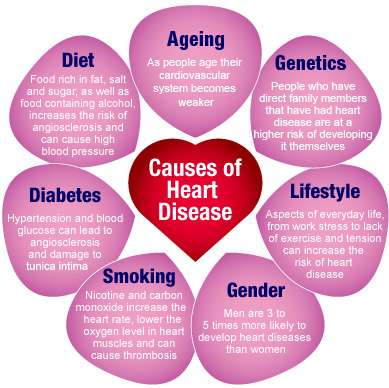
A new study at Sahlgrenska Academy, University of Gothenburg in Sweden claims that an alcoholic beverage a day is claimed to decrease coronary heart disease for 15% of the population. This equates to one drink a day for women (14 g or 0.6 ounces of ethanol) and two drinks a day for men. This purpose of this study, published in Alcohol, was to see how the CETP TaqIB genotype played a role in the health benefits of alcohol consumption. The researchers wanted to see if the 618 participants had the CETP TaqIB genotyoe and carried the B1 or B2 alleles of it.

The results show that the CETP TaqIB genotype was similar in both females and males. "The B2 genotype was associated with a lower coronary heart disease risk, with a similar magnitude in men and women [and] 19% of participants were homozygous for the CETP TaqIB B2 allele. The group with intermediate alcohol intake had the lowest risk compared with low intake, but this was more pronounced in B2 homozygotes than in B1 carriers." Professor Lauren Lissner, a participant in the study, stresses that neither drinking nor the genotype has a strong positive effect; only "the combination of the two appears to reduce the risk of coronary heart disease significantly."
Professor Thelle notes that it may be a simple matter one day to perform genetic testing and determine whether someone belongs to the lucky 15% [because we can describe the mechanisms] ...That would be useful to know when offering advice on healthy alcohol consumption. But the most important thing is to identify new means of using the body's resources to prevent coronary heart disease." In addition, Medical News Today recently reported that "individuals over the age of 60 who partake in a little drinking may experience better episodic memory in later life." I think that this study can open the door to new advancements in understanding the body and why it has positive and negative reactions to alcohol. Like Professor Thelle mentioned, this can promote alcohol awareness if someone truly knows that there is no true benefit for them through genetic testing. However, individuals who are in the 15% may start to abuse alcohol and develop additional drinking-related issues since it is not a lot of alcohol that is needed daily to decrease coronary heart disease.


Tuesday, November 11, 2014

Favorable CETP Variant Can Signify A Longer Life


        A new study found that people with a particular gene variant, in the gene CETP, may survive the longest. CETP, cholesteryl ester transfer protein, is located on chromosome 16. It is a plasma protein that facilitates the transfer of cholesteryl ester from high density lipoprotein (HDL) to other lipoproteins. HDL is known as the "good" kind of cholesterol, and an increase in the blood levels of HDL is caused by the favorable variant of the CETP gene.  

CETP gene location

        For a long time, researchers knew that people with this gene variant have a better chance at living longer than 95, and sometimes even 100, years. A new study, presented by Dr. Sofiya Milman, shows that when comparing elderly people above the age of 95, the people with the advantageous variant of the CETP gene outlive the other elderly people. This study expands on the work began at Einstein College of Medicine in New York City in the 1990s. When describing the centenarians she has studied, Milman says, "They don't only live longer, they live healthier too."
        Before conducting the study Milman was aware that the CETP variant was found to be related to decreased rates of heart disease and strokes and sharper mental function. Milman conducted the study by gathering 400 ninety-seven year old New York residents and following them for about one to eleven years. The researchers found evidence confirming that people with the favorable CETP variant and higher HDL levels lived longer.

 
        CETP and HDL are not the only keys to a long life. Exercise, healthy eating, and adequate sleep are still some very important aspects to a long and healthy life. Understanding CETP, HDL, and other "longevity" genes are still important and may open many doors in the research world. "Down the road, it might be possible to develop therapies that mimic these genes' effects," Milman believes.
        This article stood out to me because the subject of long life is really interesting to me. As a child, I always believed that researchers would eventually invent a "magic potion" that caused everybody to live forever. Hearing there is a gene that effects one's life span and that drug companies have already started working on CETP inhibitors, makes my childhood assumption sound closer than ever. Now that I think about everybody living forever, it might not actually be a good thing. Overpopulation would be an extreme concern and resources would diminish even quicker. This article is still very fascinating and makes me wonder if I could possibly have the favorable CETP variant.

Main Article:  http://medicalxpress.com/news/2014-11-longevity-gene-key-life.html
Related Article: http://www.sciencedaily.com/releases/2010/01/100112165234.htm