Showing posts with label FDA. Show all posts

Tuesday, October 10, 2023

Gene therapy for muscular dystrophy stirs hopes and controversy

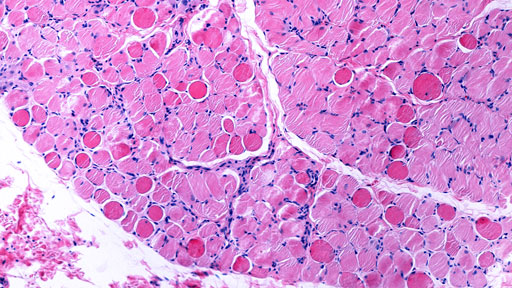
Muscular dystrophy is the most common inherited neuromuscular disorder among children affecting 10,000-12,000 children in the U.S., mostly males. Most children end up in wheelchairs prior to their teenage years due to muscle destruction. The next phase of the disease is the muscles in the heart and lungs also giving out and no longer working properly, leading to people dying before their 40s. There is an experimental gene therapy for Duchenne muscular dystrophy now, which works by infusing trillions of harmless viruses that have been genetically modified to a gene in patients' muscles. The gene would then produce a miniature version of the dystrophin protein (which is the protein missing or the limit in people with muscular dystrophy), and the hope is that this micro dosage of the protein would help to slow the progression of the disease. The treatment is in the process of getting FDA approval, and the other concern is cost since this type of gene therapy would cost around $3 million to treat each patient, which may not always be covered by insurance.

Inheritance - Parent Project Muscular Dystrophy

This gene therapy could be a great idea if it is able to successfully slow the progression. Many children are wheelchair-bound at such a young age from this disease and people are unable to live the majority of their lives due to a shorter lifespan, so having this gene therapy as a possible progression slower would be a huge advancement in the treatment of patients with muscular dystrophy. The only negative side of this treatment would be the price, but the price is a small price to pay when you save people's quality and length of life.

Thursday, April 14, 2022

Gene-Edited Beef Cattle Get Regulatory Clearance in US


Beef from genetically modified cattle is coming to a supermarket near you! U.S. regulators gave the all clear for the sale of beef from gene-edited cattle in coming years after the Food and Drug Administration (FDA) concluded the animals do not raise any safety concerns. This marks the third genetically altered animal for human consumption in the US after salmon and pigs. Recombinetics, the company in charge of this project, has used technology called CRISPR in order to alter cows to have short, slick coats that let them more easily withstand hot weather. This results in the cows packing more weight in an easier manner leading to more overall meat production. This is similar to the difference in chicken size today vs in the 1950s.

“Unlike the salmon and pigs, the cattle did not have to go through a years long approval process. The FDA said the cattle were exempt from that because their genetic makeup is similar to other existing cattle and the trait can be found naturally in some breeds” (Choi, 2022). This edited trait is able to be passed down through reproductive measures and requires no additional interference on behalf of the scientists.

While I do not agree with the science being conducted in this piece, I certainly found it quite interesting how fast the FDA approved its decision. Maybe it is an industry thing with money at its center, but I believe that not many people will be on board with eating these “new” cattle. At this point in time there are many more questions than answers and we can only wait and see how the success of this genetic achievement plays out.

A similar article regarding genetically modified animals can be found here. 

Friday, November 22, 2019

Gene Therapy for Duchenne Muscular Dystrophy

A life science company, Solid Biosciences, developed a gene therapy known as SGT-001 to treat muscular dystrophy categorized by progressive muscle weakness known as Duchenne Muscular Dystrophy (DMD); however, SGT-001 therapy lead to side effects in patients, such as kidney failure and decreased red blood cell count. Therefore, this gene therapy has been put on hold by the US Food and Drug Administration. DMD is an inherited disease caused by a mutation in a gene. SGT-001 transmits a DNA in a muscle by using a virus, and the DNA encodes a protein called dystrophin, which is structured to support the muscle while contract and stretch. When SGT-001 causes a reverse effect on the muscle, it can progress into many types of DMD mutations.

Related image


There is a positive side to this therapy but I think it needs a lot more practice to be utilized again. I support the decision made by the FDA.


References:
https://www.the-scientist.com/news-opinion/trial-of-gene-therapy-for-duchenne-muscular-dystrophy-put-on-hold-66711

https://strongly.mda.org/solid-biosciences-releases-letter-to-dmd-community-announcing-hold-on-ignite-dmd-trial-due-to-a-serious-adverse-event/

Tuesday, April 10, 2018

FDA Approves New Method for Gene Therapy

In December, the FDA approved the first gene therapy to treat an inherited genetic disease. This new approval will be used to combat a type of retinal dystrophy, a rare vision disorder that involves mutations to genes critical to retinal function. Retinal cells are responsible for converting light into electrical signals in the brain, which then get translated into the images we see. This new gene therapy is called voretigene neparvovec-rzyl or Luxturna; it was developed by Spark therapeutics and it works by delivering normal copies of the aberrant gene into retinal cells. These genes are delivered using a modified adenovirus, similar to those that cause common respiratory infections. NPR reported that people who were treated in the trail for the gene therapy were able to read, ride bicycles and see faces; things they were not able to do prior to the procedure. However, the results of gene therapy have not always been promising, the technique suffered a blow to its public image when a boy died in 1999, and shortly after the university testing gene editing on him for his liver closed its program. Despite our better understanding of genetics and improved technology since then, the long term effects of gene editing are still being debated.

I think this is incredible and has an amazing potential to be used for a wide variety of disorders. I am so glad to be alive during a time where gene therapy can begin to thrive, I think its by far the best way to combat so many different types of disorders because it literally "rewrites" the mistakes in genetic code. As of now the gene therapies available for individuals are far too costly to be a realistic option for many but hopefully as time goes on technology will further increase and allow this to become more of a possibility for everyone that needs it. Hopefully with the decreased price more and more trials could also be done in order to learn more about the long term effects associated with the procedures.

https://www.npr.org/sections/health-shots/2017/12/19/571962226/first-gene-therapy-for-inherited-disease-gets-fda-approval
http://time.com/5073751/gene-therapy-visual-impairment/

Sunday, August 6, 2017

Gene-Altering Leukemia Treatment

An article in the New York Times discusses the recent recommendation on approval of a gene-altering Leukemia treatment.  The recommendation came from the FDA panel and it would allow allow the genetic alteration of a patients cells to fight their own cancer.  If the FDA accepts the recommendation, it will be the first gene therapy to reach the market in the United States.  Novartis is the drug company that will likely be first; they target the treatment of Leukemia but are currently working on other types of cancer.  Emily Whitehead was the first child to revive the treatment, as a clinical trial, and it saved her life; Whitehead grew very ill and came close to death but she emerged cancer free.  This is one of the main reasons there has been hesitation with this therapy.  In some cases the patients suffer from life-threatning illness; however, this treatment can be an alternative to the toxic treatments like chemotherapy.  There are still questions about the short-term side affects as well as the chances these cells can cause secondary cancer later in life.  In the current studies the cancer has not reappeared but the study will continue continue until fifteen years from treatment.  This could be a huge breakthrough on curing cancer, this is so important because cancer is hard to fight and the current toxic treatments further break down the immune system making it hared to patients to stay healthy.  This is a huge step in the right direction and will most likely be approved by the FDA.


Friday, April 7, 2017

F.D.A. Will Allow 23andMe to Sell Genetic Tests for Disease Risk to Consumers

Image result for 23andme

      A company named 2andMe based in Mountain View, California has long sought the green light to sell consumers genetic tests. The Food and Drug Administration is allowing the company 23andMe to sell genetic test kits to consumers, this will allow them to test for the likelihood that they will inherit genetic diseases such  as Alzheimer's. Currently the companies test only include ten diseases including Parkinson , Celiac disease, Alzheimer's, Gaucher disease type 1, etc.  This landmark decision for the FDA is expected to allow more companies to release tests directly to the consumer. The health kit sold by 23andMe is retailed for $199.00 and is a simple process.
   
    After a customer purchases the kit they then spit into a tube and mail it o the 23andMe headquarters. The companies lab will extract DNA from the saliva and test it against genetic markers for certain diseases. The customer can then log into their account and see the report and its interpretation. Although i believe this is a big step in allowing the public to readily know if they are carrying a disease, i also find man drawbacks. Most who have a family history of illness may want to know right away if they too inherited the disease and with the new technology can know in a matter of days without properly preparing themselves mentally for the news. Once you have received the results there is no unknowing and that could lead to depression. Also the tests could confuse customers as the results do not indicate you have the disease but that you have a higher likelihood.


https://www.nytimes.com/2017/04/06/health/fda-genetic-tests-23andme.html?_r=0
https://techcrunch.com/2017/04/06/23andme-is-finally-allowed-to-tell-you-if-you-have-the-genes-for-parkinsons/
https://www.23andme.com

Tuesday, April 26, 2016

Genetically Modified Babies


A process known as "mitochondrial manipulation technology" was discussed by the Cellular, Tissue and Gene Therapy Advisory Committee, part of the FDA, in 2014. In general, germ line gene therapy is a highly controversial topic, making research and advances in this field difficult in some areas on the world. For some, they believe that the creation of new life is a sacred process that should not be tampered with. Others point the risks and possibility of devastation if errors are made within humans. In theory, mitochondrial manipulation technologies could make mitochondrial diseases a thing of the past. This technique is especially interesting and controversial because it requires the use of genetic material from three parents in the creation of a child. Because mitochondrial DNA is inherited from the mother, this technique focuses on the transfer of DNA from one egg to another, to provide an egg with healthy mitochondria for the future child. In an informative New York Times article the process is described as one that consists of "removing the nuclear material either from the egg or embryo of a woman with inheritable mitochondrial disease and inserting it into a healthy egg or embryo of a donor whose own nuclear material has been discarded". The article notes that 1,000-4,000 children are born annually with mitochondrial diseases that are potentially devastating and without a cure. Unfortunately, the research done at Oregon Health and Science University raises many questions about the current technology in mitochondrial manipulation. In trials with macaque monkeys, five successful offspring were produced and future research will be done to see how these manipulations will affect future generations. However, in trials with human zygotes, mutations and other developmental abnormalities were seen that were absent from the trials with macaque monkeys. The sensitivity of human embryos makes me wary of the use of this technique until more successful methods are developed. Overall, I think that this is an interesting method for mothers to avoid passing mitochondrial disease to her children. Without further research, I know that it would be impossible to attempt to use this technique to make mitochondrial diseases preventable. Since this discussion, new news on the topic is few and far between. England continued mitochondrial manipulation research and in 2015 they passed a law, allowing fertility clinics to use this technology. With the continued interest in this area of research in Europe, I hope that they can fine tune their mitochondrial manipulation techniques so that they will be safer, more effective and that their success will make skeptics more willing to accept this groundbreaking technology.

Wednesday, March 30, 2016

Test of Zika-Fighting Genetically Engineered Mosquitoes Gets Tentative F.D.A. Approval


The federal government on Friday moved to clear the way for the release of genetically engineered mosquitoes into the wild for the first time in the United States, tentatively approving a field test that might help slow the spread of the Zika virusThe Food and Drug Administration said it had determined that the field trial of the mosquitoes was unlikely to cause any harm to people, animals or the environment.
         The mosquitoes, developed by a British company, Oxitec, contain a gene that kills the insect. Male mosquitoes containing the gene are released to mate with wild females. Offspring from such matings die before they reach adulthood, which would suppress the population of wild mosquitoes that spread Zika. The field test, to be conducted by Oxitec and the Florida Keys Mosquito Control District, would take place in Key Haven, a small community outside Key West. Theses genetically modified mosquitoes would be released up to three times a week for as long as 22 months, to assess whether the population of wild mosquitoes is reduced. These mosquitoes are unlikely to cause harm to people because the male mosquitoes being released do not bite, they said. 

This article is important because traditional methods of controlling mosquitoes like spraying insecticides and removing standing water where the insects breed have not been sufficient and I agree that new methods must be tried. I hope these genetically engineered mosquitoes help with the Zika Virus because it would really benefit so many people. 

Sunday, November 22, 2015

Salmon is the first Genetically Engineered Animal to win US Approval for Food


          The first genetically modified animal approved by the FDA for consumption is the Atlantic Salmon.  A company named AquaBounty Technologies have been breeding the genetically enhanced fish in closed off farms.  The main improvement to this AquaAdvantage salmon is that it takes much shorter for them to grow to full length. They are able to grow year round rather than just in the Spring and the Summer.  This allows the fish to grow to full size in 18 months rather than how long it usually takes which is 3 years.
      Transgenic organisms are animals or plants that have a foreign gene from a different species that was deliberately inserted into its genome.  The foreign gene is formed using Recombinant DNA technology. This is done in order to improve a specific aspect of the host animal.  For the atlantic salmon it was to enhanced its growth rate.  One of the foreign genes added to the salmon's genome of 40,000 genes was a growth hormone regulating gene from a Chinook Salmon.  The other foreign gene was a DNA promoter from an ocean pout.
        Of course with all genetic modified organisms there is always controversy.  This case is no different.  The opponents of the AquaAdvantage salmon are concerned that if the salmon are able to escape their farm that they will alter the ecosystems of surrounding fish.  Also the opponents believe that the salmon that is genetically modified should at least be labeled, however at the moment the FDA says they do not need to be labeled.
        In my opinion I feel like this is an enormous step for the science community.  Hopefully this will lead to more approvals from the FDA of genetically improved food.  I feel that with the technology that we have we can do so much to make the starvation problem around the world diminish.

original post

related link

Friday, April 17, 2015

Generic Version of Copaxone, Multiple Sclerosis Drug, Is Approved

          On Thursday, the generic substitute for Copaxone has been approved by the FDA. Copaxone is a drug used for multiple sclerosis. In the last several years, the prices for drugs geared towards multiple sclerosis have tripled, even as more brand-name products appear in the market. A generic option would give a pricing edge, but this depends on the price and date it will go on sale. The price of all drugs drop about 90% when there are multiple generic options; however, since there is only one, the discount will not be as drastic. None of the drugs that treat multiple sclerosis have a generic equivalent. Multiple sclerosis is a nerve condition that causes blurred vision and difficulty walking. Teva manufacturers Copaxone, a brand name, when it usually manufactures generic drugs. Teva has used some aggressive plans to keep their wide consumer base. Teva has called and took their patients out to dinner, created a more concentrated drug to decrease the number of injections per week, and lowered the price. How Copaxone works is not clear; however, it is known that the main drug in there is made up of 4 amino acids. When the generic drug is released, some insurance companies may recommend that the patients try the generic brand before the name brand. Teva currently has a patent on Copaxone until September 1st, but the federal court invalidated it. They took their case to the Supreme Court for reevaluation, and the generic drug will have to wait in accordance to the court's descision or until September. Other companies, such as Myland and Synthon, are trying to get the approval for their generic Copaxone versions.
         I think it is great that the first generic drug for multiple sclerosis is almost available to the public. The prices for name-brand drugs are extremely pricey, and I personally always look for a generic brand. Competition will bring an economically beneficial solution for the people who really need the drug. They could the used the money save on other operations or medications.

Original: Link1
Supplemental: Link2

Saturday, March 28, 2015

FDA Lift Restrictions On 23andME

The New York Times published an article "F.D.A. Reverses Course On 23Andme Dna Test In Move To EaseRestrictions." The article discussed 23andME, which is a genetic testing company and in late 2013 the company had to stop offering health-related testing with the genetic tests because of the FDA. The FDA said that they needed their approval before they could market the results. But just recently the FDA gave approval for the information to be released in regards to a rare disorder, Blood syndrome. Along with this approval, they also got the go-ahead, in general, carrier tests. 23andME declined the statement that they would offer health information again at the moment, but hope they can once again soon. They also have deals with Pfizer and Genentech, where they do research with the data obtained from the company’s customers. The carrier test is that if two people are a carrier for a certain disease, then their child has a chance of getting the disease, such as with cystic fibrosis and Bloom syndrome. If the carrier test shows that both parents are carriers then the parents can take that information into consideration. The Bloom syndrome test was approved by demonstrating the accuracy of the carrier test.

The whole idea of 23andME in general is really cool to me, and after we talked about it in class it really made me want to do one for myself as well. And in class we mentioned that the problems they were having with putting up the health risks for individuals, which I think could be very helpful and insightful. So, the fact that they are gaining approval from the FDA is a great thing because many people can benefit from these findings. Especially with the carrier tests, since they showed how accurate the test was. And if people are not very concerned about their health risks enough to go to a doctor, it could be beneficial to go onto 23andME and they can see their risks and if they see anything alarming then they could consult with a doctor. Overall, I really like the concept that 23andME encompasses.

Monday, March 23, 2015

FDA says Genetically Modified Apples and Potatoes are Safe to Consume


                  Okanagan Specialty Fruits developed the Article apple, and J.R. Simplot Company developed the Innate Potato. Both crops were designed to defy browning when sliced or bruised, and the potato was reduced of its potential cancer-causing chemical when fried. Although the F.D.A. approves of the genetically engineered apples and potatoes to be safe and nutritious in comparison to the non-engineered plant, there are still many consumers and environmental groups that oppose. These groups have warned restaurants and food companies against using engineered crops while other groups think that accepting engineered foods will taint the image of the organically made crops. Mostly all biotech crops go through the F.D.A.’s safety food review even though it is optional. The opposing biotech parties argue that the F.D.A. reviews are not adequate, but the F.D.A. assures that their evaluations are in-depth. The F.D.A. even advises that the biotech companies disclose information to their consumers by labeling. In the meantime, the discussion of what should appear on the labels, and when the labels would be used is in process. Currently, it is suggested that the label should include an appealing description of the trait without the inclusion of the crop being “genetically engineered”. The primary developers believe that when they sell the seed of the biotech potatoes and apples to growers, they are then not responsible for ensuring how the crops or products using the crops would be labeled. 
                  I believe that both the favoring and opposing groups have some valid points. Currently, there are many GMO and GMO containing products in the market. For example high fructose corn syrup and soy beans are typical GMO's where the majority of its crop type is genetically modified. I think that biotech foods are not bad for humans just because they were not naturally formed by nature. The only question I have is that if a fruit does not brown, how does a person know if its still good to eat? Other than that, I believe that non-browning crops have the potential to be a positive thing for society. 

Original link: http://www.nytimes.com/2015/03/21/business/gene-altered-apples-and-potatoes-are-safe-fda-says.html?ref=science

Additional link: http://www.dailyfinance.com/2013/11/21/foods-give-up-avoid-eating-gmo/#!fullscreen&slide=1585612

Additional link 2: http://www.nongmoproject.org/learn-more/what-is-gmo/

Sunday, March 22, 2015

Gene-Altered Apples and Potatoes Are Safe, F.D.A Says


Recently, the Food and Drug Administration released their safety review of genetically modified apples and potatoes, in which they claimed the crops were as safe and nutritious as the conventional versions. Both the Innate potatoes and Arctic apples have been modified to resist bruising and turning brown, while the potatoes limit production of a possible carcinogen when fried. The Agriculture Department had already approved the crops for commercial planting, as they weren't found to pose any risk to other plants. F.D.A safety review are in fact voluntary, as is some of the potential labeling of GMO's, although the F.D.A did urge the companies that produced the apples and potatoes to consider labeling their crops as resistance to browning and possible decreased carcinogen. Many people and agencies strongly oppose this concept of voluntary labeling, and continue to make a push towards required labeling of GMO's.

This article made me think about the amount of genetically modified crops we really have, and may be unaware of. Genetic engineering of food definitely has its pros and cons, but i do think required labeling of GMO's would be a step in the right direction. Many people are scared of this labeling because it could push some people away who are skeptical of GMO's but I think we have a right to know what we are purchasing.

Main Article- http://www.nytimes.com/2015/03/21/business/gene-altered-apples-and-potatoes-are-safe-fda-says.html?ref=science
Second article- http://www.theverge.com/2015/3/21/8270005/fda-genetically-modified-apples-potatoes-safe-gmo

Wednesday, December 3, 2014

23 and Me Approved for Genetic Testing in UK


On November 22nd, 2013 the genetic testing company 23 and Me was warned by the FDA to cease sales of genetic testing due to marketing disease testing without the FDA's approval. The FDA wanted this to cease because it could cause people to make life-changing medical decisions without knowledge of whether the information given was potentially falsely positive or negative. This could cause risks to people who choose to make decisions based on the testing that may be risky and dangerous. These decisions could be made even if the disease may not present itself in the person, and it could be deemed unnecessary risk. Today, 23 and me is not allowed to provide medical information, and instead provides only raw genetic data and heritage information. The alert on it's main page states "23 and me provides ancestry-related genetic reports and uninterpreted raw genetic data. We no longer offer our health-related genetic reports."


Health alert and Health Page on U.S site (https://www.23andme.com/)
In the UK however, 23 and me has just been announced to be approved for sale. They are to be used for further genetic and health information, but are warned to be taken with caution. The information given reports genetic results of over 100 genetic diseases such as Parkinson's disease genes and breast cancer genes. The U.K decided that knowing this information and making the informed decision on health care is up to the purchaser, while the U.S does not allow for purchasers to know the information at all.
Health Information Provided by Genetic Testing in U.K. (https://www.23andme.com/en-gb/)
Unfortunately, the U.K genetic tests are only available to U.K citizens, and are not available for purchase by American citizens. Genetic testing and knowing the risk factors for diseases that are deadly or degenerative could have a huge impact on treatment. Many diseases are more easily treated or even prevented by having prior knowledge of their existence. A double mastectomy for breast cancer could prevent the cancer from ever occurring in those who have both affected genes. Since the vast majority of those with the genes end up with the disease by 70 years old, solving the problem now could prevent ever having to suffer through chemotherapy and having to make horrible life decisions. It could even prevent deaths to those with advanced breast cancer.

The decision to make health care decisions has almost always been in the hands of the affected individual. To take that away now is to take away the human right to know what is going on with your own life. With informed medical guidance and proper decision making, these genetic tests could save lives. And if they ever come back on sale in the United States, I'll be one of the first ones to get mine done.

Sources:

Monday, November 17, 2014

Genetically Modified Babies

February 23, 2014, the New York Times released an article discussing the FDA's recent meetings about genetically modified babies. They are investigating a procedure called mitochondrial manipulation technologies, which, if successful, would completely change the cells and genes of the offspring and would be passed down to future generations. The procedure would call for extracting nuclear material from an embryo from a woman that has an inherited mitochondrial disease, and replacing it with nuclear material from a donor. This would result in the offspring to have DNA from three different people; the mother, the father, and the donor. Because mitochondrial diseases are usually inherited from the mother’s side and have the potential to develop in the child around age ten, causing them to have severe genetic abnormalities, this procedure would be a great preventative measure. However, this procedure has caused a lot of controversy within the scientific community. Many argue that just because we have the ability to change one’s genes, does not mean we should. The procedure is not proven to be effective and researchers do not know whether or not another disease can develop down the line as a result.


The concerns mentioned within in the article sum up exactly what I was thinking while reading through it. Using mitochondrial manipulation technology can be beneficial to prevent future harmful diseases from developing, but where do we draw the line? First off, there is no guarantee that this procedure is an effective preventative measure, nor is there a guarantee that that it will not cause damage in another form. Testing the procedure on monkeys cannot determine what will happen if it is conducted on humans. Even if the procedure is safe and effective, how can we be certain this exact procedure will not lead people abusing it by genetically modifying their offspring to their liking, such as changing eye color or intelligence? The social and ethical concerns for a situation like this are rightly judged. The very idea of genetically modifying babies is like playing God, which can be unsettling for many. Even though this procedure has the potential be a great breakthrough in the medical community, the uncertainty of it needs to be discussed on a deeper level of moral and ethical standing.


Primary Article:http://www.nytimes.com/2014/02/24/opinion/genetically-modified-babies.html?module=Search&mabReward=relbias%3Ar%2C%7B%222%22%3A%22RI%3A14%22%7D&_r=0


Secondary Article: http://www.huffingtonpost.com/stuart-a-newman/fda-asked-to-approve-crea_b_4809876.html

Tuesday, April 15, 2014

FDA issues rules for genetically modified animals

To go along with the genetically modified plant article I had posted about, this article is talking about the FDA looking at the possibilities to start allowing GMO animal proteins into supermarkets. The FDA is going to be setting up very strict guidelines for producers to monitor the animals that these companies are sending to the population to be eaten. Some animals that have been worked on include cattle, pigs, fish, and chickens; and they are worked on to form residences to diseases like mad cow disease or produce healthier meat and milk. Although these animals are being tested none have yet been approved to be sent out as a food source. The FDA is working on rules that need to be set up so they know how the animals have been worked on without the company giving away their proprietary interests. This needs to be set up so the FDA knows that the meat has no differences than normal animal meat. They also have to figure out a labeling system for products being sent to stores; some bio engineered animals will not have to be labelled as long as they have no differences than normally raised animals. But on the contrary if the meat does have some sort of difference whether it is a positive or negative that will have to be labelled on the packaging. 
Two genetically altered piglets stand with a normal piglet (L) in this undated photograph taken at the University of Missouri-Columbia in Columbia, Missouri. REUTERS-University of Missouri-Columbia-Handout
I know there is still a lot of controversy over genetically changing the food we are having the worlds population eat because of the belief of health hazards. My personal belief is as long as it is proven that there are no health hazards I see no problem producing and eating GMO plants and animals. There is also a need for more food since the worlds population just keeps growing at a very rapid pace. This article has a list of GMO crops that are already in peoples every day diets and being produced for food purposes.

Friday, December 6, 2013

23andMe to Only Provide Ancestry, Raw Genetics Data During FDA Review


23andMe is a genetic testing company of growing popularity that, for a fee, allows users to get their genes tested and analyzed. Through this process, a person could get a look into over 200diseases and conditions, heritage, and more and compare their results to others. The information gained would be used for education and further research. Recently, however, the Food and Drug Administration has made the company stop analyzing the genes while they review the company. The FDA claimed that 23andMe was not approved by the government to release information regarding diseases. Fear over consumers using the information to make life changing and drastic choices is the FDA's primary concern and that consumers would be more likely to take matters into their own hands rather than consult a professional. Another fear was that 23andMe would sell the data gained from consumers to other organizations, though the company has firmly said they would not share information without user consent.

The idea that 23andMe has been restricted in sharing the knowledge which seems to rightfully belong to the consumer seems strange. While it may make a person take unnecessary precautions it could also help a person make a life saving decision. Not to mention it is a portal for education. 23andMe claims that if approved by the FDA, they will go back to giving out health related information based on gene analysis and those who purchase their gene kit and do not get have health results will get them.

Article: http://www.cbsnews.com/news/23andme-to-still-provide-ancestry-raw-genetics-data-during-fda-review/
23andme Official notice: https://www.23andme.com/ancestry-only-notice/

Saturday, April 20, 2013

F.D.A. Approves Genetic Drug to Treat Rare Disease


On Tuesday January 29th, the Food and Drug Administration approved a new drug, Kynamro, which treats high cholesterol and heart attacks. Kynamro can also shut off specific genes that cause the disease.
Kynamro, known generically as mipomersen, inhibits action of a gene, apolipoprotein B; that is involved in the formation of particles that carry cholesterol in the blood.

Kynamro was invented by Isis Pharmaceuticals and will be marketed by Sanofi’s Genzyme division. Isis has been pursuing antisense technology since the company’s founding in 1989. Antisense drugs work essentially by shooting the messenger. The recipe to make a protein is carried from a gene in the nucleus into the body of a cell by a single strand of RNA, called messenger RNA. Antisense drugs are tiny fragments of synthetic DNA or RNA that bind to mRNA that could inactivate or destroy it.

Kynamro has some worrisome side effects such as homozygous familial hypercholesterolemia or HoFH, liver damage, and flulike symptoms.


Wednesday, March 27, 2013

Genetically Altered Salmon Get Closer to the Table

[caption id="attachment_7309" align="alignleft" width="273" caption="Genetically altered fish and normal fish at same age"][/caption]

The New York Times published an article called "Genetically Altered Slamon Get Closer to the Table" written by Andrew Pollack.  The article is about a company called AquaBounty Technologies who is trying to get their creation of genetically altered salmon approved by the FDA. These salmon are altered in order to grow faster.  By combining hormones from Chinook salmon and gene switches from pout, the salmon are able to reach full adulthood by 1.5 years instead of 3.  AquaBounty has been trying to get this passed for over a decade, but many arguments as to why it should not be still remain.  If it does get passed by the FDA, questions of how it should be labeled for consumers is also an issue.  Genetically altered crops are not labeled,

but should the salmon be?  Getting the salmon approved would be a major advancement in genetics and food production and it could open the door to more genetic alterations.

Sunday, November 25, 2012

Genome Sequencing of 100,000 Foodborne Pathogens Underway

The U.S. Food and Drug Administration, along with the help of university researchers and a private company, have announced that they will be conducting genome sequencing on 100,000 foodborne pathogens. Known as “The 100K Genome Project,” the FDA and the Unversity of California Davis and Agilent will be developing this new database wit the hope of creating a system to allow health officials to cut down the time it takes to identify the source of an outbreak. As of present time, investigators identify clusters of illnesses by uploading pathogens isolated from different individuals to the government-mainted PulseNet database. However, this database can only tell which cases are related, and cannot provide specific genetic details that are needed to figure out where the illness is coming from.


Steven Musser, Director of the Office of Regulatory Science at FDA’s Center for Food Safety and Applied Nutrition, who is working on the genome sequencing project, says this new database will supplement PulseNet by providing high-resolution data, such as where an organism was found, whether it is resistant to any antibiotics and may even be able to identify the food source. “In terms of resolution it would be sort of like looking at the stars with the Hubble space telescope versus looking at them with binoculars,” explains Musser. The FDA already has evidence that this system will work. One of the 500 strains that has already been sequenced was a strain of Salmonella Bareilly isolated from India that turned out to be the very same strain that caused an outbreak linked to raw tuna product this spring. The plant that processed the tuna implicated in that outbreak was only six miles from where the sample analyzed by FDA was found.

I hope this helps with the control and regulation of products that go on recall due to diseases and outbreaks. As a blueberry farmer, I know how easily one plant can cause trouble to the entire farm due to the inability to successfully locate where the disease is coming from. During the recent lettuce E. coli outbreak, many products that were not infected had to be taken off of the shelves due to the inability to successfully locate the source of the outbreak. With this new genome sequencing project, I hope that cases like these will no longer exist.