Showing posts with label Duchenne muscular dystrophy. Show all posts

Thursday, March 7, 2024

Advancements in Gene Therapy

 Advancements in Gene Therapy


Source: https://www.sciencenews.org/article/first-gene-therapy-muscular-dystrophy-kids

Additional Link: https://www.ncbi.nlm.nih.gov/books/NBK482346/#:~:text=Duchenne%20muscular%20dystrophy%20(DMD)%20is%20one%20of%20the%20most%20severe,muscle%20fiber%20degeneration%20and%20weakness.


Duchenne muscular dystrophy is a genetic disease that results in progressive muscular weakness that can cause fatality by the age of 25. This is because it is caused by mutations in the dystrophin gene, which normally makes a large protein that acts as a shock absorber to keep muscle cells intact and fatality is caused when heart muscles and the muscles that control breathing deteriorate. As of present day, this disease is incurable. 


The article, “The first gene therapy for muscular dystrophy has been approved for some kids” posted by ScienceNews stated that the first gene therapy for children with this disease was approved for the use of children between the ages of 4-5. The article states that the treatment produces , “A protein about one-third the size of the original protein. The shortened gene is packed into harmless viruses for delivery to muscle cells” (ScienceNews, 2023). This treatment is made to target the underlying source of the disease and prevent it from happening. 


It is very interesting to hear new advancements in medicine! Even though this is just a start for the treatment of this disease, I am excited to hear about the transformations this treatment can result in, and I hope it can help a lot of kids in the future. 


Friday, August 4, 2023

Gene Therapy for Duchenne Muscular Dystrophy

On June 22, 2023, it was announced that the U.S. Food and Drug Administration approved the first gene therapy for children ages 4 and 5 years old with Duchenne muscular dystrophy (DMD). In Duchenne muscular dystrophy, there are errors in the genes used to make the protein dystrophin. Dystrophin is needed in muscles to protect them as they contract and relax. Children without this protein have very weak muscles, and they continue to worsen over time. DMD is a common disease as 6 in every 100,000 people in Europe and North America have it; it is most commonly seen in males. The gene therapy is a microdystrophin gene that is packed into harmless viruses for delivery to all cells which produces one-third the size of the original protein. 


Friday, November 22, 2019

Gene Therapy for Duchenne Muscular Dystrophy

A life science company, Solid Biosciences, developed a gene therapy known as SGT-001 to treat muscular dystrophy categorized by progressive muscle weakness known as Duchenne Muscular Dystrophy (DMD); however, SGT-001 therapy lead to side effects in patients, such as kidney failure and decreased red blood cell count. Therefore, this gene therapy has been put on hold by the US Food and Drug Administration. DMD is an inherited disease caused by a mutation in a gene. SGT-001 transmits a DNA in a muscle by using a virus, and the DNA encodes a protein called dystrophin, which is structured to support the muscle while contract and stretch. When SGT-001 causes a reverse effect on the muscle, it can progress into many types of DMD mutations.

Related image


There is a positive side to this therapy but I think it needs a lot more practice to be utilized again. I support the decision made by the FDA.


References:
https://www.the-scientist.com/news-opinion/trial-of-gene-therapy-for-duchenne-muscular-dystrophy-put-on-hold-66711

https://strongly.mda.org/solid-biosciences-releases-letter-to-dmd-community-announcing-hold-on-ignite-dmd-trial-due-to-a-serious-adverse-event/

Thursday, October 25, 2018

CRISPR Gene Editing Fixes Muscular Dystrophy in Beagles


        The article CRISPR Gene Editing Fixes Muscular Dystrophy in Dogs. Are Humans Next?, discusses scientific research led by Eric Olson (chair of molecular biology and professor at UT Southwestern Medical Center). Him and his team were able to successfully use the gene editing technology CRISPR to correct the genetic defect that is responsible for muscular dystrophy in four beagles. The beagles were bred with the disease-causing gene. Previous technology had been tested on rodents only, so this is the first time CRISPR was used to treat muscular dystrophy in a large animal. This is exciting news for anyone who has been affected by muscular dystrophy as it is one step closer to a cure for humans.  The Duchenne disease is caused by mutations in the dystrophin gene. The dystrophin gene codes for a protein needed for correct muscle function. The muscles of people with this disease get weaker and weaker with time. As the age, they need to use wheelchairs to get around and often need ventilators to breathe in the final stages of the disease. People with the Duchenne disease have short live spans and usually only live to teenage years.  
        Olson and his team were able to correct this gene mutation in the beagles by splicing out offending sections on the gene with the use of CRISPR.  The gene editing technology has the capability of cutting out sections of DNA at specific locations. In the Duchenne research, Olson said when him and his team snipped out the sections of the mutated dystrophin gene, it allowed for the gene to make enough of the correct protein for the muscles to function normally. Olson injected the CRISPR molecular scissors using two different methods. With two of the beagles, he directly injected the CRISPR into the muscle and with the other two beagles he injected the CRISPR into the bloodstream. Injecting it into the bloodstream allowed it to have a more widespread affect and travel to muscles throughout the body. Olson also loaded CRISPR onto a cold virus that was modified to seek out and splice DNA, particularly in the diaphragm and heart. The results 8 weeks after the injection were fascinating. The beagles that received systematic injections were producing healthy dystrophin protein at a rate from 3% to 90% of the normal levels. It is believed that if healthy dystrophin levels in humans with the disease is raised by 15%, their ability to function and their lives will be significantly better. In the beagles where CRISPR was injected directly into the muscles, there was an increase of healthy dystrophin protein, but only in those specific muscles it had been injected. 
        This study is encouraging and continuous to further develop the use of CRISPR to fight disease in humans. There are several other disease-causing gene mutations that have been spliced out of rodents using CRISPR. While there are still several questions about how safe the use of CRISPR really is, so far studies have shown greater than expected results. I believe advancements in the use of CRISPR is a huge success in the use of gene editing to cure disease. The successful results from several lab studies gives even more hope that the use of CRISPR will lead to disease treatment in the future. Knowing a family who just lost a son to the Duchenne muscular dystrophy makes this research even more relevant and exciting. It is exciting to see the advancements being made in science that will contribute hugely to the medical field in the future. 

Sunday, September 23, 2018

CRISPR Gene Editing effective in treating muscular dystrophy in dogs


  CRISPR gene editing is a very new method and has limitless potential in the medical field to treat diseases related to genetics. This technique uses a man-made molecule (CRISPR) with complementary base pairs to a DNA sequence of interest. This molecule locates the target DNA sequence and can either delete or edit the DNA sequence. The implications of this method are endless, and scientists want to begin using it to treat genetically based diseases such as sickle cell anemia (which is caused by a single base mutation) and muscular dystrophy.

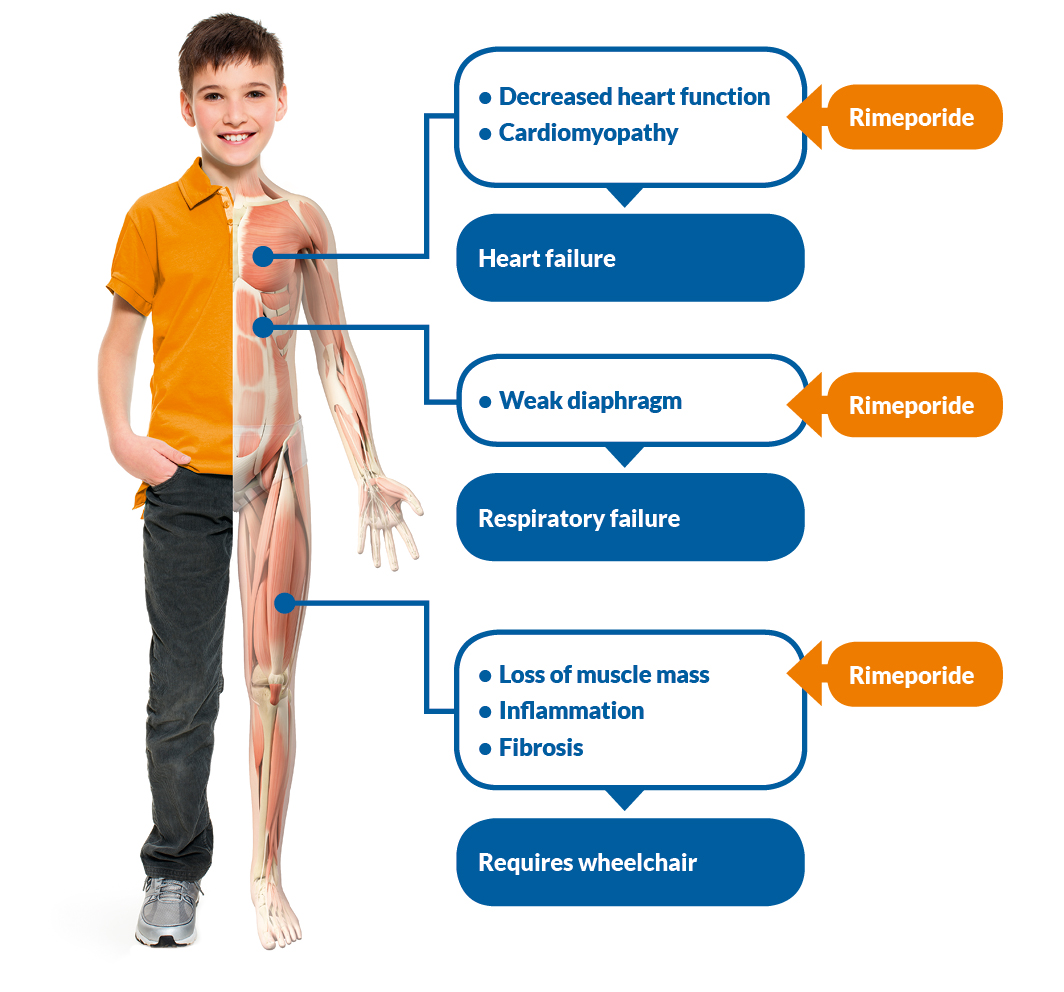
     Muscular dystrophy is caused by a mutation in the gene dystrophin, which is responsible for normal muscle function. In individuals with muscular dystrophy, over time their muscles begin to rapidly degrade and usually end up confined in a wheelchair, because of loss of leg muscle. These individuals also have shorter life spans because they eventually end up on a respirator because even the muscles of the lungs and diaphragm fail. The symptoms first start to appear by childhood and the individual may end up in a wheelchair as early as their teen years.

     Because this disease is caused by genetic mutation, scientists have thought about using CRISPR gene editing techniques to possibly treat this disease. Previous studies have successfully treated the disease in rodents, but this article discusses a very recent finding in which they treated dogs with CRISPR gene editing for their muscular dystrophy. This was the first time they have successfully used CRISPR gene editing on a larger mammal species. They used the gene editing method to splice out a mutated part of the gene and analyzed the lasting effects on the dog's health. They tried injecting CRISPR directly into the muscle and also into the bloodstream. They found that after direct injection in the muscles, the dogs began synthesizing normal healthy dystrophin protein in the range of 3-90% of the normal levels for those specific muscles.

     Although this is the very early stages of this research, only a few dogs actually received treatment in this study, it shows very promising results. This could be very beneficial because once the symptoms start in humans, we could apply this sort of treatment before the symptoms become much worse and ultimately confine the person's life and stop their heart and lungs from functioning. Another important note to focus on is that the treatment only saw increased dystrophin levels in the muscles that were directly treated with CRISPR. Another method would have to be investigated to discover a more efficient way to modify the genes in the more centralized organs such as the lungs and heart. It is also important to investigate the lifelong health effects that this treatment may have on dogs and other model organisms to determine if the treatment is safe for human use. I look forward to reading more about the progress of this research because it is definitely heading in the right direction and I hope it proves safe for human use because it could truly be a life-changing treatment and forever change the way we view medical treatments.


Monday, April 17, 2017

Correcting Duchenne Muscular Dystrophy

Image result for CRISPR


The article "CRISPR Corrects Duchenne-Causing Mutations" discusses the research done using gene editing to treat a genetic disease. Duchenne Muscular Dystophy, DMD, is a X-linked disease that is fatal. Individuals with DMD have weakened skeletal systems and heart muscles which progressively get worse throughout their lives. Researchers have been studying a gene editing system for years called CRISPR-Cpf1. In a study at the University of Texas Southwestern Medical Center researchers found that this gene editing system reversed the effects of DMD. They took human stem cells and put them in a mouse model. After injecting the modified genes in the parents, the offspring of the genetically edited mice were noted to be stronger and had normal skeletal, muscle, heart and brain tissue. With this research, gene editing can be used to treat many fatal genetic diseases in the future.

http://www.the-scientist.com/?articles.view/articleNo/49190/title/CRISPR-Corrects-Duchenne-Causing-Mutations/

https://www.mda.org/disease/duchenne-muscular-dystrophy

CRISPR Corrects Mutations

The website TheScientist published an article called "CRISPR Corrects Duchenne-Causing Mutations" which describes how scientists are fixing the mutation that causes a form of muscular dystrophy. this discovery came about when researchers were studying the CRISPR-Cas9 gene-editing system. The newly discovered  CRISPR-Cpf1 system has been used to correct diseasing-causing mutations within mouse and human genomes. Duchenne Muscular Dystrophy (DMD) is a fatal X-linked disease that causes the individual's skeletal to weaken along with their heart muscles. It is caused by one of thousands of mutations. Researchers are hoping this work with the CRISPR can potentially be used in a clinical settings in the future. Even though there are so many different mutations involved with genetic diseases in humans, the CRISPR system is not likely to cover all the possible mutations. I liked how this research combined with other teams to find the specific system to help with DMD. Now future researchers have a starting point to find other systems to help prevent other diseases affecting individuals.

Image result for Duchenne Muscular Dystrophy cells

Thursday, November 24, 2016

Promise in Tackling Muscular Dystrophy


Muscular Dystrophy, is “when damaged muscle tissue is replaced with fibrous, fatty or bony tissue and loses function”1 has impacted around 250,000 people in the United States, and Duchenne Muscular Dystrophy (DMD) only affects boys. Recent clinical studies have been conducted on dogs to treat DMD during the early stages of development, and human trials are scheduled to begin in the next few years.

                                                                                  Image result for duchenne muscular dystrophy


Boys with DMD have a mutation in their genes that interrupt dystrophin protein production, and thus cause a phenotypic complication. The muscle cells degenerate, resulting in difficulty in mobility, such as walking and even breathing. Gene therapy has been unsuccessful in the past due to the large size of the gene, however past research has allowed the development of a microgene, in which a gene therapy vector can carry a micro-dystrophin to all muscles by way of a virus to offer protection of this disease.


This brings hope to boys who are showing early signs of Duchenne Muscular Dystrophy. With this microgene, there is promise for their muscle cells to be protected from this disease, as well as prevent further degeneration of mobility. This will be the beginning of these boys taking their life back, and truly living to the fullest.

Sources:

1. https://www.sciencedaily.com/releases/2015/10/151022141722.htm

2. http://munews.missouri.edu/news-releases/2015/1022-gene-therapy-treats-all-muscles-in-the-body-in-muscular-dystrophy-dogs-human-clinical-trials-are-next-step/

Saturday, November 21, 2015


 Breakthrough in Muscular Dystrophy Studies


http://uploads.medicaljane.com/wp-content/uploads/2015/03/muscular-dystrophy-explained.jpg


Researchers have been studying Muscular Dystrophy and have made a major breakthrough that may lead to a treatment for Duchenne musculardystrophy. Muscular Dystrophy is a disease that affects about 250,000 Americans. It causes people to loose function of their muscles. Duchenne is the most common form of muscular dystrophy, and is found in boys. The disease is caused by a genetic mutation that disrupts on of the largest genes in the body. The gene produces a protein called dystrophin. Duchenne’s disease causes people to lose the ability to walk and breath, as they get older. The life expectancy for someone with Duchenne’s is early 30’s.

The lab at University of Missouri School of Medicine conducted this research. Professor Dongsheng Duan is a professor of medical research at the school and spoke about the research. Unfortunately, due to the large size of the gene that needs to be altered, a transport vector that works for other genes would not work. The team developed a microgene and was used to administer the therapeutic gene successfully in mice. Since then, dogs that showed signs of Duchenne’s at the ages of 2 to 3 months were administered the microgene by a harmless virus and gave promising results. By the age of 6 to 7 months, the dogs were developing normally.

This research is very exciting to me. I volunteered at a camp this past summer for children with muscular dystrophy, and I have seen the affects of this disease first-handed. I was not only exposed to Duchenne’s but many other forms of muscular dystrophy as well. Though these children were not physically strong, they were some of the strongest individuals I have ever met. I do not believe that the research is developed enough to become a human trial, but I look forward to reading more about the research being done to cure this disease. 

Thursday, November 19, 2015

Miracle Puppy Important in Finding New Treatments for Muscular Dystrophy


    Ringo is a golden retriever that was originally bred, along with his littermates, to inherit a specific gene mutation that causes severe Duchenne muscular dystrophy (DMD), a fatal human disease. The inheritance of the mutation produces a broken version of a protein called dystrophin. Dystrophin "helps to hold muscle fibers together" and if missing, "the regenerative cycle that rebuilds muscle tissue" is disrupted resulting in connective tissue and fat replace muscle. (Ewen Callaway, Puppy Saved by Surprise Mutation, 2015) The gene for this protein is found on the X chromosome making the inheritance of the disease sex linked. This results in more males being affected than females. The dogs were all successfully bred with the mutation, including Ringo who was DNA tested when he was the only male that showed no negative affects from the mutation. He was, however, was born with an additional unforeseen gene mutation that protected him from the disease unlike his brothers and sisters.
       Dog breeders can normally avoid the disease causing mutation through genetic screening, but a geneticist at the University of São Paulo in Brazil, Mayana Zatz, specifically bred puppies with the mutation to mimic the human disease. As well as being the only unaffected male, this healthy pup was also extremely rowdy and would mate with the females in the facility whenever the door was left open resulting in 49 puppies with four different females. His troublemaking tendencies proved beneficial to the study as one male out of the 49 offspring, Suflair, was also protected from the disease his father was bred for. The genomes of the father and son were compared with those of other golden retrievers with muscular dystrophy and a mutation in the gene Jagged1, a developmental gene, was found. Both Ringo and Suflair's muscles had "higher levels of the Jagged1 protein compared with affected dogs." (Callaway, 2015) To further test these results, researchers recreated a form of this trait in zebrafish which lacked the protein dystrophin and found that it protected the fish's muscles from tearing as well as other symptoms linked with the disease.
    Although it was found that higher levels of Jagged1 protects from muscular dystrophy, it is still unknown how it works. It is possible that the Jagged1 mutation possessed by both Ringo and Suflair makes up for the lack of muscle regeneration cause by the absence of dystrophin. By studying the breakthrough found through Ringo, research can lead to new treatments for DMD and other muscle problems.
    The first thing that drew me to this article was, of course, the mention of dogs, but what kept me interested was that the discovery of this protein's affect on muscular dystrophy was discovered by luck. A previously untreatable and fatal disease can be beaten in the near future all because of this research and Ringo the golden retriever. Although he is extremely important in further research in DMD, it was unfortunate to hear that Ringo passed away at the age of 11 in 2014, which is a normal lifespan for a golden retriever, due to natural causes. Suflair is still alive and is almost 10 years old today.

 

Tuesday, October 27, 2015

Gene Therapy Treatment for Muscular Dystrophy Effective in Dogs


Duchenne muscular dystrophy (DMD) is a muscular disorder caused by a recessive mutation in dystrophin gene on the X chromosome that disrupts the production of the dystrophin protein. The disorder begins in the lower extremities and causes damaged muscle to be replaced with fibrous, fatty, or bony tissue. This leads to loss of muscle function and weakening of the muscles, while eventually causing a premature death. While being very prominent, as it affect 1 in 3500 males worldwide, scientists have searched for a way to successfully treat the dreadful disorder. 

The problem researchers have had with using gene therapy to repair the mutated dystrophin gene is that the gene is one of the largest in the human genome. However, after more then ten years of research, researchers at the University of Missouri (MU) School of Medicine have finally found a method of gene therapy that has successfully cured dogs with DMD and is now ready for human clinical trials.  Through previous research, the researchers at the MU School of Medicine have developed a miniature version of the dystrophin gene, called a microgene, which they can inject into an organism via a adeno-associated virus. In their testing, dogs were injected with the virus and the virus allowed for microgene to be delivered to all the muscles in the body of the diseased dog, effectively curing the dog of the disease. The dogs were injected with the virus when they were two to three months old and began showing signs of DMD, and are now six to seven months old and are developing normally. Since dogs inherit DMD naturally in a similar manner as humans this finding can be used to possibly cure the disease in human's. Based on how the dogs continue to develop the use of this gene therapy may be ready for human trial in a few years and can effectively lead to curing this disease. 

Overall, I find this article to be fascinating. It highlights the idea that genetics studies can be used for gene therapy and curing diseases. I think its amazing how we can combine so many aspects of genetics and biology and use it to cure diseases that have killed millions of people. 

For a link to the original article click here
For more information on muscular dystrophy click here
For another article on the study directly from the MU website click here

Tuesday, February 10, 2015

London to be First to Allow In Vitro Fertilization with Three Parents


The New York Times recently released an article discussing how law makers in London have voted to allow in-vitro fertilization with the DNA of three individuals. Using the DNA of three people can prevent the inheritance of genetic diseases. Many objections have been made. Many countries such as the United States have not taken steps in this direction. This procedure is designed to help women with mitochondrial diseases have healthy children. These types of mitochondrial defects include muscular dystrophy, heart, kidney, and liver failure. The child would inherit the characteristics of the parents besides the mitochondrial defect. A donors healthy mitochondria will be passed to the child. Many who oppose this treatment fear a future of designer babies. The Church of England argues for more time and research before this treatment is made legal. This movement still requires final approval from the House of Lords and the unelected upper chamber of Parliament. 

This is a great medical advancement. My step cousin  Keith was diagnosed with muscular dystrophy when he was eight years old. His body slowly started to deteriorate and he was put in a wheel chair at twelve and died from the disease at twenty six. His sister Sam has been crushed by this whole experience. Not only did she loose her older brother, she now fears to have children. This treatment can allow her and others who may have mitochondrial abnormalities to have healthy children.