Showing posts with label cows. Show all posts

Wednesday, November 24, 2021

Safer Pastures, Happy Cows!

Gene Editing Makes Cows Without Horns


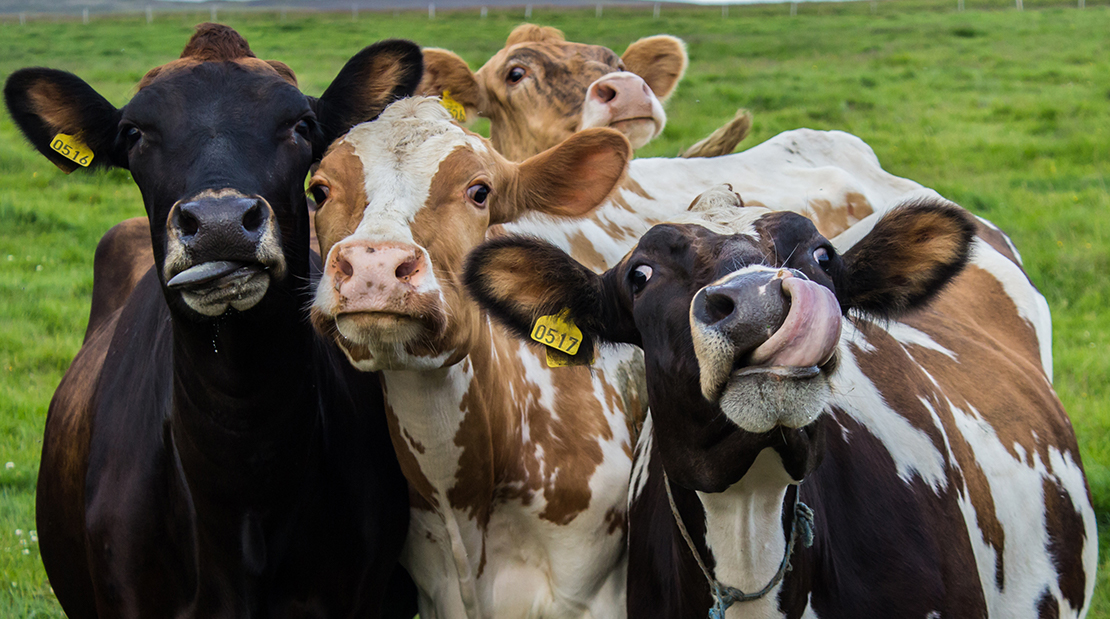
    Scientists have found a way to produce dairy cows that do not grow horns. Farmers have to routinely cut the horns of their cows because when they fight, they fight with their horns. Keeping the horns long runs the risk of the cows injuring each other. Researchers have found a way, through genetic modification, to insert an allele associated with the trait of lacking horns. The allele is called POLLED, and it is much more common in beef cattle than dairy cattle. Genetic modification was used instead of selective breeding because obtaining this trait through selective breeding could take decades, and the process of genetically modifying alleles is much shorter. 

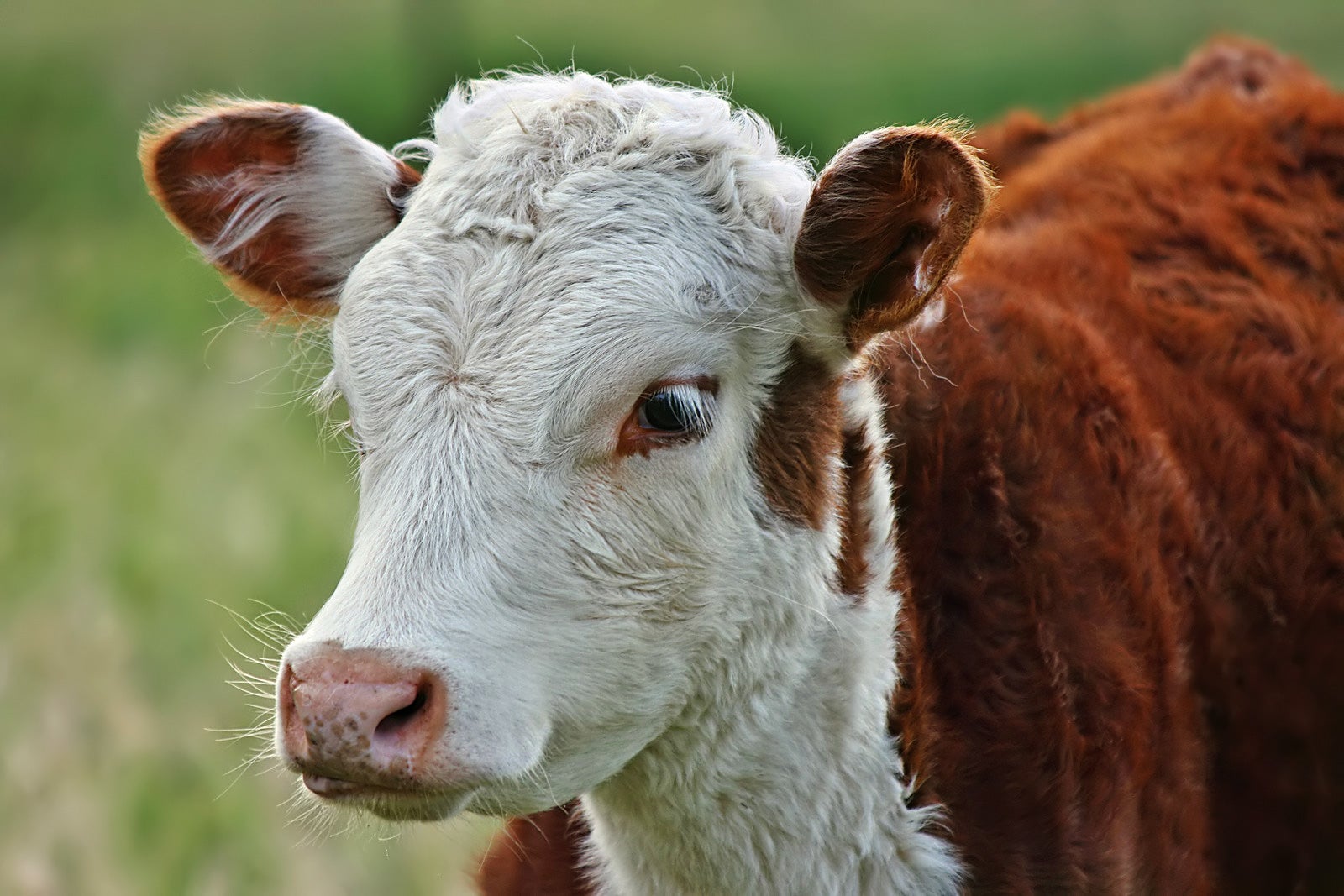
    This discovery is not only important to farmers, but the cows as well. The dehorning process can be painful, and takes time for the farmers to complete. If the cows are born without horns in the first place, they will not have to endure the painful process of dehorning. These cows, though, are not approved by the FDA to be used for meat or for their milk, due to the negativity surrounding GMOs. The hope is that the FDA will approve these cows to be used for their food products so more farmers can utilize this discovery on their own farms. 

Sunday, October 3, 2021

Cattle Adaptations

     The University of Missouri released an article on cattle losing adaptations to their environment. Researchers have recently studied cattle DNA, finding genetic variations associated with adaptations. With further research, they believe it may be possible to create tests for farmers that will reveal which climate each cow will do best in. This could be very profitable knowledge to have. If cattle are placed in the environment that will best suit them then they will be happier living with less stress which will make them overall better producers. Fourth-generation cattle farmer and researcher John Decker is working to encode these new revelations. Decker’s goal is to improve the welfare of the cattle as well as solve this mystery in the 50 billion dollar industry. Decker attributes some of these losses in adaptation to breeding. He uses the Colorado cattle as an example. Decker says that by breeding in a stud from a hotter climate the calves are born with fewer adaptations for the Colorado environment causing them to not thrive as well as those by cooler weathered studs. I believe that if researchers can figure out the DNA sequences that code for certain weather adaptations then farmers can buy herds that will thrive in their environments. This will not only help the cattle live better, more comfortable lives but the farmers will get more production from each cow. This could become a mutually beneficial, and extremely profitable finding. 

https://www.sciencedaily.com/releases/2021/07/210722162957.htm


https://extension.psu.edu/heat-detection-and-timing-of-insemination-for-cattle#:~:text=The%20expression%20of%20heat%20is,when%20progesterone%20is%20very%20low.&text=The%20average%20duration%20of%20standing,times%20during%20her%20estrous%20period.

Wednesday, March 29, 2017

Don't play Russian roulette with your cattle genetics

http://outlawbuckers.com/breeding_program_bulls.html


Original Article

Further Information


This article discusses the challenges ranchers face with the purchase of a new stud bull. For years ranchers would rely on a simple eye evaluation of how well the bull will perform and the quality of the calves he will produce. In today's day and age this is very unreliable, but many stubborn ranchers refuse to acknowledge the science. A simple eye test can not give accurate knowledge of a bull’s prefrocme, mutations it may have, diseases it may carry, or other effects it may have on the herd. Today many bull breeders will provide a EPD, expected progeny difference, which is based on genetic tests and past performance during mating. The EPD test for fertility, and diseases such as bovine viral diarrhea. The EPD looks at past performance by studying birth weight of calves, sex ratios, weaning weight, and overall size of the cattle after 2 years. This being said, EPDs will change as the bull matures and proves himself as a valuable stud, it still allows the rancher a much needed idea of potential performance, back by genetics.


A simple eye up can not tell someone what a genetics test can so why do ranchers continue to do so, with each untested bull they gamble with the fate of their herd.


Tags: Bulls, Cows, Cow Breeding, Cattle Ranching

Wednesday, March 18, 2015

Genetically Modified Cattle Show Resistance to Tuberculosis.

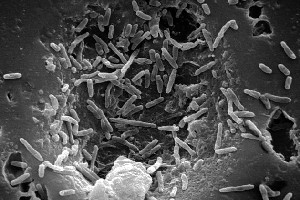
Research performed at Northwest A&F University in China produced the first genetically modified (GM) cattle resistant to tuberculosis.  The cattle produced were more difficult to infect and were largely protected against the actual symptoms of the disease. Myobacterium bovis is the bacteria responsible for bovine TB, which is a close relative to the bacteria that causes TB in humans. Bovine TB affects several species worldwide other than cattle and currently, the only methods of controlling the disease are culling or placing the animals on antibiotics, which can both be extremely costly and/or devastating. When one cow shows up positive for a TB test, usually the entire herd is culled to prevent possible other positives, and human transmission. In undeveloped regions, there is no effective control of the disease, and it can spread to humans via drinking an infected cow's unpasteurized milk.


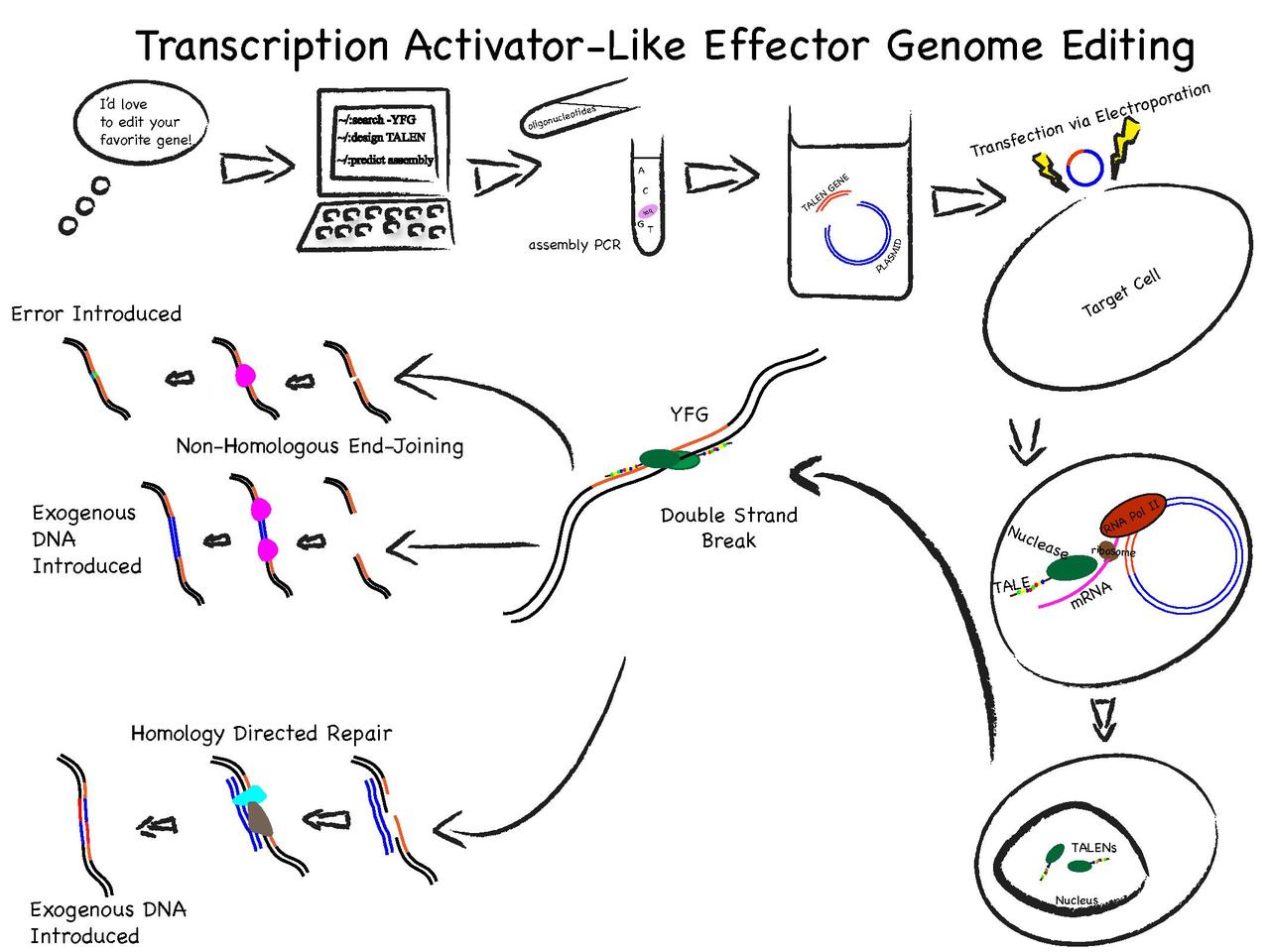
The researchers deleted naturally occurring genes and inserted mouse gene SP110 into Holstein-Fresian cattle DNA using a technique called TALEN. In mice, SP110 helped protect them against TB transmission. 23 GM calves were produced. 13 calves lived into adulthood, and when their cells were studied, they showed higher resistance to M. bovis than cattle that were not genetically modified. The next step of the study was to introduce M. bovis into the lungs of 3 of the 13 GM cattle and 3 control (non-GM) cattle. Out of the GM cattle, 1 showed no signs of TB and the other 2 had reduced lesions on their major organs from the disease after necropsy several weeks later. Next, 9 of the 13 GM cattle and 9 control cattle were housed together with animals infected with TB. 6 out of the 9 GM cattle were not infected and the remaining 3 showed very minimal symptoms. All 9 of the control cattle contracted TB and had extensive lung damage.


While this study did not prove complete resistance, researchers say it is a goal to develop disease-resistant livestock.

GMO, antibiotics, culling... all of these things are huge in the animal welfare and nutrition world. While I personally do not have any issues eating GMO's, I am skeptical as to how this affects the future generations of cattle that have the SP110 gene. Just because the cattle are resistant to TB does not mean they are resistant to other diseases and infectious organisms either.

This is a HUGE step in the right direction, even if some find it morally displeasing. I think we need better methods at controlling transmission other than one gene for one disease at a time. There are still "mad cow disease", west nile virus, and other pathogens that can wipe out an entire herd. In my opinion, the bigger feat here is controlling transmission possibly via sanitation and appropriate farming methods. I applaud the scientists that were able to accomplish this study with goals they had expected, and hope that this helps in the future of zoonotic disease control.

Original Article: TALE nickase-mediated SP110 knockin endows cattle with increased resistance to tuberculosis

Sunday, November 30, 2014

Using Cows with Human Antibodies to treat Diseases

For many years Humans have been using antibodies to treat diseases. It is a very useful tool that has stopped some of the worst diseases we as a population have seen in the 20th century. Researchers at the U.S. Army Medical Research Institute of Infectious Disease (USAMRIID) are genetically altering a group of cows to have human antibodies to help with the prevention of Hantavirus, a virus that attacks the body and causes flu like symptoms, and filling the lungs with liquid. The virus has a high mortality rate around 1/3 of the people who are diagnosed, will die.

When the cows that have the human antibody were presented with an antigen, they created antibodies that could combat the Hantavirus. When researchers used the antibodi coding parts of chromosome 14 and 2, they had to combine them with an artificial chromosome then implant the cows with it. This caused the cows antibody coding to stop and use the Human antibodies. When the cows were presented with some disease vaccines, they started to create antibodies resistant to the virus.

Researchers also used the antibodies to test the disease in hamsters. A group of hamsters were infected with the disease, then the antibody strain, and the mortality rate went down by a lot, only 1/8 hamsters died compared to 5/8.

The cure is still a long way away from being completed, but the researchers at the U.S. Army Medical Research Institute of Infectious Disease are very optimistic that this strain will prove a success.
http://news.sciencemag.org/biology/2014/11/cows-human-chromosomes-enlisted-fight-hantavirus