Showing posts with label #biotechnology. Show all posts

Monday, May 4, 2026

New Human Gene Cluster Discovery Sheds Light on “Genetic Dark Matter”

                            New Human Gene Cluster Sequence Discovered - News Center

    Scientists led by Ali Shilatifard have discovered a new repeat gene cluster in the human genome that is unique to humans and other primates. Published in Science Advances, the study reveals a previously hidden region of DNA that could reshape how we understand gene regulation and evolution.

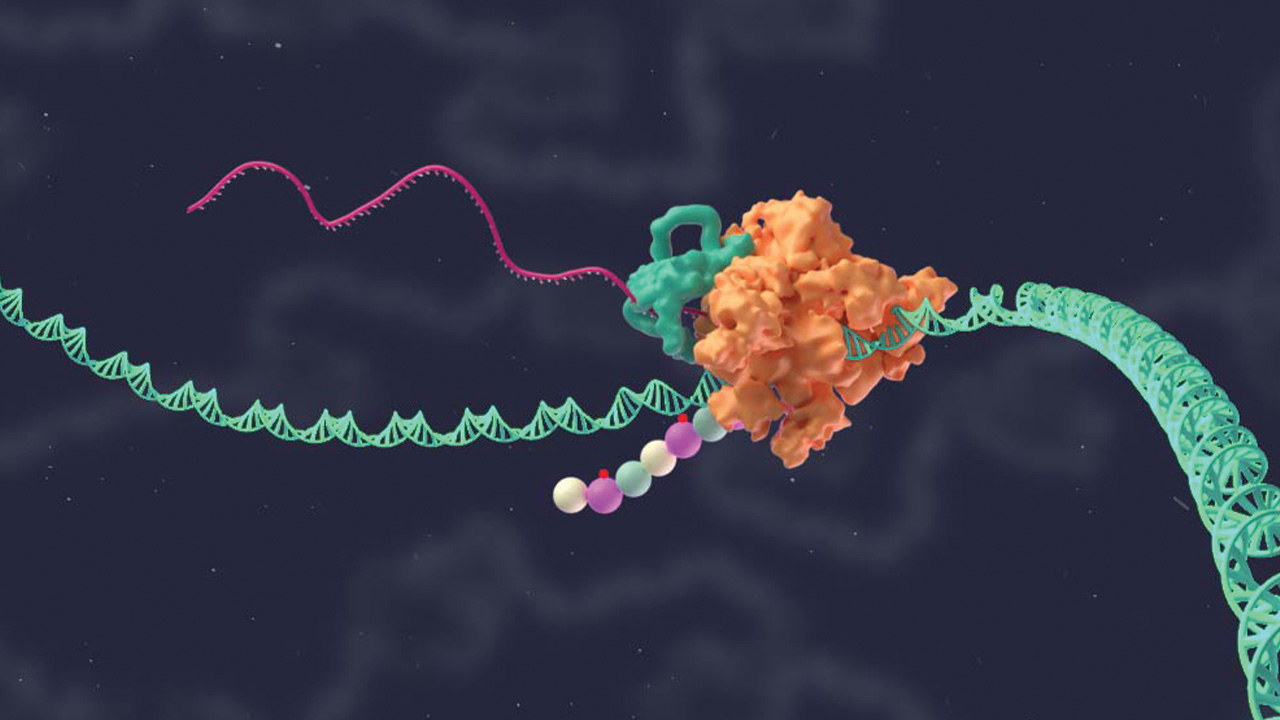
    The newly identified cluster produces a protein called ELOA3, related to transcription machinery that controls how genes are expressed. Unlike typical genes, which appear once or in small numbers, this cluster contains multiple repeated copies of the same gene located together. Interestingly, the number of copies varies widely between individuals, adding another layer of genetic diversity.

    For years, large portions of the genome made up of repetitive DNA were considered “genetic dark matter” because older sequencing methods couldn’t properly analyze them. With newer long-read sequencing technologies, researchers can now explore these regions and uncover their biological significance. The team found that ELOA3 plays a role in regulating RNA polymerase II transcription, but through distinct mechanisms compared to related proteins. This suggests the gene cluster may contribute to subtle differences in gene expression between individuals and across primate species.

    Beyond basic genetics, this discovery has important implications. Because gene regulation is tightly linked to diseases like cancer, understanding how ELOA3 works could eventually support targeted drug development. It may also help explain aspects of human evolution, since the gene cluster appears conserved across primates but varies in copy number.


Article Link: https://news.feinberg.northwestern.edu/2023/11/22/new-human-gene-cluster-sequence-discovered/

Additional Resource: https://www.science.org/doi/10.1126/sciadv.adj1261

Friday, May 1, 2026

AI tool reveals DNA exists in partially open states

                    shutterstock_2554096217

    Scientists from the Gladstone Institutes and Arc Institute used artificial intelligence to discover that DNA is often stored in partially open states, rather than being fully closed or fully accessible as previously believed.

    DNA is wrapped around protein structures called nucleosomes, which help package over six feet of DNA inside each cell. For years, researchers thought genes were either “on” or “off” depending on whether DNA was tightly wrapped. However, this study found the genome behaves more like a volume dial, allowing different levels of gene activity.

    Using an AI tool called IDLI, researchers identified 14 distinct nucleosome structural states. More than 85% of nucleosomes showed some distortion, meaning sections of DNA were partially exposed and potentially available for gene regulation. This creates a more flexible system for controlling how genes function.

    These findings are important in genetics because subtle gene expression changes are linked to diseases like cancer, aging, and neurodegenerative disorders. Understanding this hidden DNA “grammar” could help scientists design future treatments that adjust gene activity more precisely.


Article Link: https://www.drugtargetreview.com/ai-tool-reveals-dna-exists-in-partially-open-states/2135350.article

Additional Resource: https://distilinfo.com/2026/04/30/ai-reveals-dna-is-far-more-accessible/

Monday, April 20, 2026

CRISPR Breakthrough Offers New Hope for Sickle Cell Disease


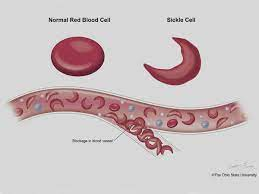
    Recent advances in genetics have brought renewed hope for patients with sickle cell anemia, a serious inherited blood disorder caused by a mutation in the HBB gene. This mutation leads to the production of abnormal hemoglobin, resulting in misshapen red blood cells that can block blood flow, cause pain, and damage organs over time.

    Traditionally, treatment options have been limited to symptom management, blood transfusions, or risky bone marrow transplants. However, the emergence of CRISPR gene-editing technology is transforming the landscape of treatment. A major milestone was reached in December 2023 with FDA approval of a CRISPR-based therapy called Casgevy. This therapy works by editing a patient’s own stem cells to reactivate fetal hemoglobin production, which can effectively replace the faulty adult hemoglobin.


     Clinical trials have shown great success, with patients experiencing fewer pain crises and in some cases functioning as if they no longer have the disease. Researchers are also exploring other CRISPR approaches, such as directly correcting the mutation or using advanced techniques like base editing and epigenetic modification.

    Despite these promising developments, challenges remain, including ensuring long-term safety, accessibility, and affordability of these treatments. Still, CRISPR represents a revolutionary step forward in genetics, offering the possibility of not just managing but potentially curing diseases that were once considered lifelong conditions.


Article link: https://www.synthego.com/crispr-sickle-cell-disease/

Thursday, April 16, 2026

CRISPR-Cas9 is being used in clinical trials


​​ CRISPR-Cas9 has been implemented in a human clinical trial for the first time to lower LDL cholesterol and triglycerides. In a phase 1 trial, the gene editing technology is tested on individuals with lipid disorders to reduce and maintain lower LDL cholesterol and triglyceride levels in a safe manner. Those with the disorder that does not respond to medication were tested over a 60 day period in which their LDL and triglyceride levels were reduced by 50% within two weeks and were maintained over the 60 days. With no adverse effects related to the treatment and lasting maintenance of lower lipid levels, the trial has been considered a success.

Increased LDL cholesterol and triglyceride levels may lead to a heart attack or stroke over time and it is important to monitor those elevated counts. Those with lipid disorders are exposed to increased risk for cardiovascular issues. The efficiency and effectiveness of CRISPR-Cas9 in this clinical trial shows potential for further development in various avenues of human health. While CRISPR is still an emerging technology that is used experimentally, the initial results of its implementation have been promising. Although the gene editing tool is shrouded in ethical concern, its therapeutic ability provides a new window of potential applications. 

Source:

https://newsroom.clevelandclinic.org/2025/11/08/cleveland-clinic-first-in-human-trial-of-crispr-gene-editing-therapy-shown-to-safely-lower-cholesterol-and-triglycerides

Additional Link:

https://crisprtx.com/gene-editing


Thursday, November 27, 2025

New Sequencing Method Speeds Up Genetic Diagnoses

 A new study demonstrates that long-read sequencing can drastically improve diagnosis for rare genetic diseases, cutting what often takes years of testing down to just days. Traditional genetic tests rely on short-read sequencing, which misses many regions of the genome, especially those with structural variants or complex sequences. With long-read sequencing, researchers uncovered additional genetic variants and epigenetic signals that were invisible before. 


This matters because roughly 1 in 10 people worldwide are affected by rare genetic conditions, but about half remain undiagnosed even with current technologies. By making testing faster, more comprehensive, and more affordable, long-read sequencing could finally bring an answer (and potentially proper care) to many families who’ve waited for years without a diagnosis. 

The related development, a new method called SDR-seq, goes even further by reading both DNA and RNA from the same single cell. This ability to link non-coding regions (which regulate gene activity) to actual gene expression gives scientists a richer, more functional view of genome variation. That means not only can we detect “what’s different” in someone’s genome, but also “what that difference actually does” inside cells, a major leap in understanding complex genetic diseases. 

Taken together, these advances could reshape genetic diagnostics. Instead of a fragmented puzzle solved over months or years, doctors might soon have powerful “one-test” tools that deliver rapid and accurate results. For patients and families coping with rare diseases, that kind of clarity can make all the difference.

Main Article: https://www.sciencedaily.com/releases/2025/01/250124151012.htm

2nd article: https://www.sciencedaily.com/releases/2025/10/251016223110.htm

Wednesday, March 19, 2025

New DNA Nanostructures Could Improve Drug Delivery and Diagnostics

 A recent study by the RNA Institute of the University of Albany discusses a new method for assembling DNA nanostructures that could be a game-changer in biomedicine. Typically, these structures required extreme heat and controlled cooling, limiting their use in practical applications. However, scientists have discovered a new way to assemble them at moderate temperatures using metal ions like nickel and strontium, instead of magnesium. This breakthrough simplifies the process and makes it possible to create DNA-based nanodevices in environments more similar to the human body. This discovery could open the door to DNA nanotechnology being used in real-world medical treatments.


             However, researchers still need to refine this process to ensure stability and effectiveness in human cells. If perfected, these nanostructures could help deliver drugs more precisely, reducing side effects and improving treatments for diseases like cancer. While this is still an early-stage research, it is an exciting step toward using DNA-based technologies in future healthcare solutions.

Monday, November 18, 2024

How Genetically Modified Crops Are Changing Farming


Genetically modified (GM) crops solve potential problems that range from food shortage to waste to climate change and pests. These include crops designed to resist insect pests, diseases, and even harsh climatic conditions, to mention but a few; GM corn and cotton, for instance, have developed natural insects-toxins aimed at specific target pests, while drought-resistant crops, such as GM corn and soybeans, are bringing farmer relief to water-scarce areas of the world where water is unavailable or inadequate. These crops offer the means for farmers to produce more food while reducing the application of harmful pesticides, which makes farming more predictable for production, particularly with the dreaded occurrence of climate change. By and large, they may be instrumental in availing food for the world's burgeoning human population.

There are concerns over the environment the GMOs might crossbreed with wild plants, herbicide or insect-resistant weeds, and thus become harder to control and eliminate. There are also concerns about their health safety, despite the general consensus of safety from studies that have been carried out on GM food products. Also, there is a control of the technology that produces GMOs by a handful of massive companies holding a monopoly, which means that smallfolk would either find them too expensive or find it difficult to access them. However, this provides a huge opening for food production, which GM crops could fill; it just needs caution and more research and regulations to ensure safety and fairness to the public.

Friday, December 8, 2023

Microscopic Robots Used to Heal Damaged Tissue


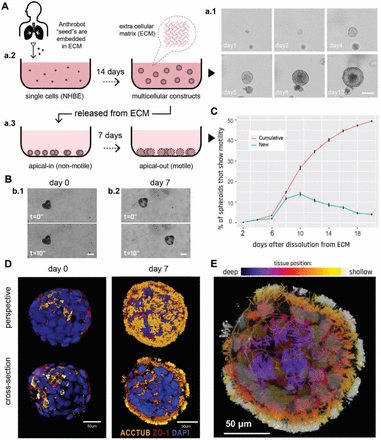
Scientists have developed microscopic robots, called anthrobots, made from human cells that can repair damaged neural tissue. Unlike previous xenobots made from frog cells, these anthrobots are self-assembling structures created using human tracheal skin cells. The researchers observed that the anthrobots, each composed of a few hundred cells, demonstrated various swimming patterns. To test their therapeutic potential, anthrobots were placed on scratched neural tissue, and within three days, the damaged neurons had completely healed under the influence of the anthrobots. The study suggests the potential for personalized medicine using anthrobots made from an individual's own tissue to address various medical applications, including clearing arteries, breaking up mucus, delivering drugs, and even contributing to regenerative medicine for purposes like limb regrowth. Although the idea of having microscopic ‘robots’ within my body is unsettling the benefits of this treatment can be crucial for healing hard-to-reach areas.


Article link Additional link

Wednesday, November 22, 2023

New CRISPR Treatment for Sickle Cell Disease

Sickle Cell Disease(SCD) is an autosomal recessive genetic abnormality affecting over 100,000 Americans. Instead of hemoglobin's regular disc shape, SCD causes hemoglobin cells to become sickle-shaped making them inefficient in carrying oxygen. This abnormality leads to a host of symptoms, such as extreme pain and fatigue, anemia, and an increased risk of stroke. Currently, the only treatment for this potentially debilitating disease is a bone marrow transplant. Still, even this is only a temporary fix, leaving the affected needing multiple transplants over the course of their life. A new treatment using CRISPR gene editing technology uses the patient's blood-forming stem cells and converts them into fetal Hemoglobin(HbF). The HbF then converts to regularly functioning hemoglobin cells, decreasing the amount of SCD episodes caused by the misshapen hemoglobin. Of the 30 participants in the Exa-cell study, 29 experienced no severe blood vessel blockage and minimal symptoms overall. All 30 study participants avoided hospitalization for 12 months after the treatment was performed. Though expected to be approved due to its high efficacy, the exa-cell treatment is still pending FDA approval. Though the long-term effects of this technique require further study, considering the significance of this CRISPR gene editing technique on people affected by SCD I feel it would be a step in the right direction for approval. I have always found the versatility of stem cells fascinating, whether they are used for cancer treatment, new drug research, or identifying genetic defects. I believe stem cells will play a pivotal role in future scientific breakthroughs.

Article link

Additional link

Friday, June 30, 2023

AI tool detects health-threatening genetic variants in vast haystacks.

Scientists have developed a way to sift through a person's genetic blueprint to find disease-causing variants. An issue that has frustrated doctors is that each human has an average of 4 million variants, sections of genetic code where we are different. Kyle Farh is the vice president of AI at the biotechnology company Illumina, where he and his team created an algorithm called PrimateAI-3D, using the genetic blueprints of 233 different primate species. The scientist looks for areas where the sequence is the same from one primate to another, which is a sign that any change is a problem. The new AI algorithm has a selection 1000 times as large as the archive used in most hospitals, ClinVar. PrimateAI-3D shows the three-dimensional structure of proteins, which can distinguish which mutations are harmful. 

They have tested the new tool on a biomedical database of more than 450,000 people in the United Kingdom’s Biobank. They found 97% of the population carried a rare variant that has an effect on health. With this new tool, they are able to predict health factors from the genome. Genomes are codes made up of four different chemical bases that build up DNA. One genome comprises approximately 3,200,000,000 nucleotides of DNA. In my opinion, having an AI model for something so complicated makes a lot of sense, and I don’t understand why it wasn’t implemented before. Machines have been running code in computer systems and figuring out the coordinates that send astronauts to space for decades. I think using artificial intelligence in this fashion is a great way to utilize the resources that are taking over many aspects of our daily lives.