Punnett's Square

Genetics news & views from students enrolled in BIOL 2110 at Stockton University.

Showing posts with label #CRISPR. Show all posts

Tuesday, May 5, 2026

Improving the Quality of Life in Progressive Supranuclear Palsy

 Therapeutic targets to enhance the livelihood of those diagnosed with Progressive Supranuclear Palsy.

Figure: In a 2014 MRI scan of a patient diagnosed with Progressive Supranuclear Palsy, the "hummingbird sign" is present, imitating how a stroke would present on this type of scan.

    Progressive Supranuclear Palsy (PSP) is a neurodegenerative disease that affects one's walking, balance, body movements, and eye movements over time, a type of atypical Parkinsonism. The onset of this disease is typically in their late 60s, eventually leading to complications of pneumonia, choking, and head injuries from falls. There is no current treatment that effectively slows or stops the progression of this disease. 

    However, new research coming out of the University of Florida has promising potential. This team found that toxic buildup of protein tau is a primary molecular mechanism of this disease. Using CRISPR gene-editing technology, the team suppressed PERK-B, a variant associated with the PSP disease. By doing this, the researchers found differences in four proteins, reducing DLX-1 and protein tau levels. These findings could eventually be useful in developing gene therapies for the disease to alleviate symptoms.

Sources:

https://www.jneurosci.org/content/46/13/e1727252026

https://www.ninds.nih.gov/health-information/disorders/progressive-supranuclear-palsy-psp

https://mbi.ufl.edu/2026/02/23/new-study-reveals-potential-targets-to-treat-progressive-supranuclear-palsy/

Posted by Victoria Slaven at 11:29 AM 1 comment:
Email ThisBlogThis!Share to XShare to FacebookShare to Pinterest
Labels: #CRISPR, #GeneTherapy, #neurobiology, #parkinsonsdisease

Tuesday, April 21, 2026

Designer Babies


“Designer babies” are based on a simple principle: if scientists have the ability to prevent diseases before a child is born, that is a strong and valid reason to genetically edit embryos. Tools such as CRISPR make it possible to reduce or even eliminate severe diseases. Conditions like cystic fibrosis, Huntington’s disease, and sickle cell disease can already be screened for before pregnancy. In the long term, this means a child can be born free of diseases that would otherwise require lifelong treatment if left unedited.

Genetic technology can also allow scientists to build natural disease resistance into embryos. Some people have genetic mutations that make them resistant to infections such as HIV. Scientists also point out that families with sick children can use embryo selection to help save the child. For example, a “savior sibling’s” stem cells from umbilical cord blood can be used for life-saving treatments.

There are also strong economic arguments in favor of gene editing for embryos. Treating genetic diseases through gene editing can not only prevent these conditions but also save money and reduce the physical and emotional burden on patients and their families. While concerns about misuse and the idea of creating “perfect” humans are often raised, scientists argue that the primary goal is to reduce suffering and improve quality of life.


Source: Why Designer Babies Are Good: The Case for Gene Editing - ScienceInsights

Extra Source: What Are Designer Babies?


Posted by Daniel Molinos at 8:50 PM 2 comments:
Email ThisBlogThis!Share to XShare to FacebookShare to Pinterest
Labels: #CRISPR, #disease., #embryos, #genes, #genetics

Saturday, April 18, 2026

CRISPR and personalized treatment

​​


CRISPR-Cas9 was implemented for the first time in June of 2025 in a personalized gene editing treatment for a baby with CPS1 (carbamoyl phosphate synthetase 1) deficiency. KJ was given two doses of a specialized therapy at 7 and 8 months old, showing improvements within two months. With CRISPR gene-editing technology, a team at the University of Pennsylvania formulated a treatment using LNPs (lipid nanoparticles) to deliver a base editor capable of correcting KJ’s unique genetic mutation. The success of KJ’s case highlights the potential of gene editing therapies to transform medicine and manufacture solutions for rare diseases.

Specialized treatments with CRISPR provide a novel solution treating debilitating genetic mutations, yet the insurmountable price tag makes it unattainable for the vast majority. The highly powerful tool is still new, with the long term effects remaining unknown. However, CRISPR-based solutions provide the opportunity to address previously untreatable diseases. With the selective ability of CRISPR-Cas 9, it is the hope that such personalized treatments will become the standard of care in the future. 


Source:

https://www.insideprecisionmedicine.com/topics/precision-medicine/first-personalized-crispr-gene-editing-therapy-patient-baby-kj-discharged/


Additional link:

https://oncodaily.com/blog/crispr-297474


Posted by Katherine Riegler at 12:04 PM No comments:
Email ThisBlogThis!Share to XShare to FacebookShare to Pinterest
Labels: #CPS1, #CRISPR, #LNPs

Friday, April 17, 2026

Extremophiles are Revolutionizing Biotechnology

Breakthroughs in CRISPR genome editing technology have completely transformed how scientists both engineer and study extremophiles. These advancements allow researchers to identify the genes associated with extremotolerance and to potentially edit strains for industrial use. Furthermore, the application of CRISPR technology to different extremophile types may allow for the future development of various extremophilic cells for synthetic biology applications.


Image 1: A tardigrade in moss from Science Photo Library

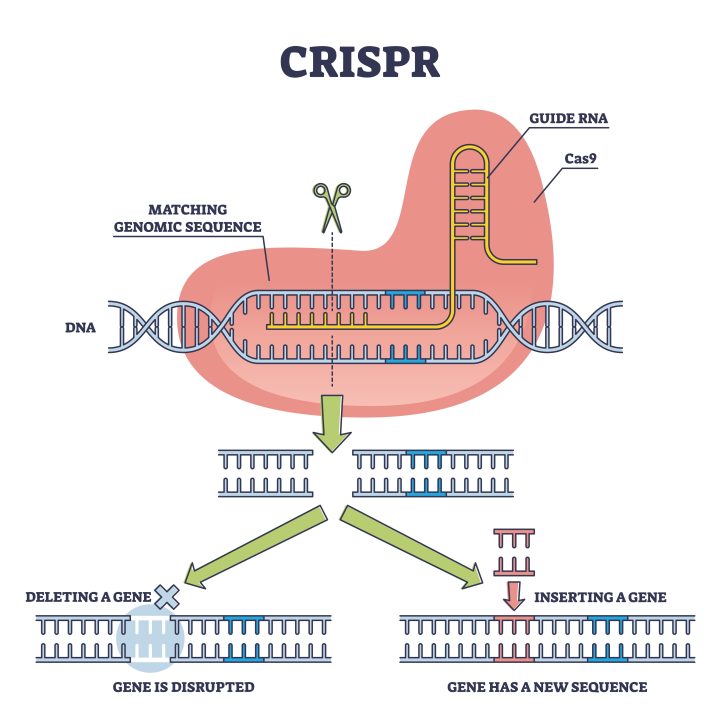
Extremophiles are microorganisms that can survive in harsh environments that were previously thought to be uninhabitable. By living in high heat, intense cold, dryness, high salinity, alkaline, pressurized, heavy metal, and radiation environments, these organisms have developed unique genetic and metabolic adaptations that enable their survival. The resilience of extremophiles makes them highly valuable in biotechnology, including the production of thermostable DNA polymerase, as well as in industrial processes such as biofuel production, and environmental applications like bioremediation. With advances in CRISPR-Cas, a genome editing technology that utilizes Cas enzymes to delete, add, or replace genetic material in living cells, it is possible to enhance or manipulate extremophilic genomes, allowing scientists to uncover the genes responsible for extremotolerance.

By using CRISPR in thermophiles, a heat-tolerant extremophile, scientists have developed a thermostable Cas variant. This can be used to revolutionize high-temperature industrial biotechnology and to innovate bioremediation in geothermal environments. Another example of CRISPR use includes its application to psychrophiles, a cold-tolerant extremophile, to expand the use of psychrophiles for cold-chain bioprocessing, enzyme production, or bioremediation in polar or deep-sea ecosystems.

Given the vast array of extremophiles, the future potential for genome editing technologies in extremophiles is very promising. As CRISPR technology advances, research into the genetic basis of extremotolerance can be conducted with more precision. Furthermore, the engineering of strains with enhanced production of industrial enzymes, biofuels, bioplastics, or even metal recovery efficiency under extreme conditions can be developed. Developments can also improve the effectiveness of bioremediation in harsh environments. The continued investment in developing these frameworks is crucial to the future potential of new applications and biotechnologies.


Source:
https://www.sciencedirect.com/science/article/pii/S305064172500029


Additional:
https://www.frontiersin.org/journals/microbiology/articles/10.3389/fmicb.2026.1754802/full
Posted by Maiti James at 11:38 AM No comments:
Email ThisBlogThis!Share to XShare to FacebookShare to Pinterest
Labels: "#biotechnology, #CRISPR, #DNA, #research

CRISPR Babies

In 2018, Chinese scientist He Jiankui had used CRISPR-Cas9 to edit human embryos and the first genetically altered babies were produced. With the gene editing tool, Jiankui had altered the DNA of a single-celled embryo to be resistant to HIV infection. Although, the resulting twin girls’ condition has not been able to be independently verified and it is unknown whether or not he was successful. Jiankui was condemned in the scientific community for his reckless experimentation on human embryos and subsequently imprisoned for three years by the Chinese government for violating medical regulations and ethical codes. 


The revelation sparked controversy over both the ethical and social implications of applying this technology in the human genome. Questions regarding the motivations and objectives of using CRISPR have emerged which are still under debate today. Eight years later, the subject has been broached again by private companies and investors with plans to revitalize, with concessions that the technology would only be used for genetic disease prevention. However, there is a large pushback on altering the human genome for fear of irreversible effects and the shift towards eugenics. It is currently prohibited to edit the genes of human embryos in the U.S..


Source:

https://www.npr.org/sections/shots-health-news/2025/08/06/nx-s1-5493448/gene-editing-human-embryos-designer-babies


Additional link:

https://www.sciencehistory.org/stories/distillations-pod/the-crispr-babies/ &

https://www.npr.org/2018/11/26/670991254/chinese-scientist-says-hes-created-first-genetically-modified-babies


Posted by Katherine Riegler at 9:59 AM 1 comment:
Email ThisBlogThis!Share to XShare to FacebookShare to Pinterest
Labels: #CRISPR, #geneticmodification #dna #genetics #designerbabies

Thursday, April 16, 2026

CRISPR-Cas9 is being used in clinical trials


​​ CRISPR-Cas9 has been implemented in a human clinical trial for the first time to lower LDL cholesterol and triglycerides. In a phase 1 trial, the gene editing technology is tested on individuals with lipid disorders to reduce and maintain lower LDL cholesterol and triglyceride levels in a safe manner. Those with the disorder that does not respond to medication were tested over a 60 day period in which their LDL and triglyceride levels were reduced by 50% within two weeks and were maintained over the 60 days. With no adverse effects related to the treatment and lasting maintenance of lower lipid levels, the trial has been considered a success.

Increased LDL cholesterol and triglyceride levels may lead to a heart attack or stroke over time and it is important to monitor those elevated counts. Those with lipid disorders are exposed to increased risk for cardiovascular issues. The efficiency and effectiveness of CRISPR-Cas9 in this clinical trial shows potential for further development in various avenues of human health. While CRISPR is still an emerging technology that is used experimentally, the initial results of its implementation have been promising. Although the gene editing tool is shrouded in ethical concern, its therapeutic ability provides a new window of potential applications. 

Source:

https://newsroom.clevelandclinic.org/2025/11/08/cleveland-clinic-first-in-human-trial-of-crispr-gene-editing-therapy-shown-to-safely-lower-cholesterol-and-triglycerides

Additional Link:

https://crisprtx.com/gene-editing


Posted by Katherine Riegler at 2:27 PM No comments:
Email ThisBlogThis!Share to XShare to FacebookShare to Pinterest
Labels: #biotechnology, #clinical trials, #CRISPR

Sunday, November 16, 2025

Precision Plasmids: Rewriting the Fight Against Resistance

Antibiotic-resistant bacteria are becoming harder to treat, but scientists are developing a precise genetic tool to target them: engineered plasmids that act like "sniper DNA." These customized plasmids can enter resistant bacteria, cut out the genes responsible for resistance, and kill only the harmful cells while protecting beneficial microbes. A recent report from the American Society for Microbiology shows how CRISPR-based plasmids can eliminate resistance genes in bacteria such as Enterococcus faecalis. This approach could reshape how we fight infections by shifting from broad antibiotics to targeted genetics tools. 

A review from the Journal of Nanobiotechnology explains how engineered CRISPR systems could be tailored to detect and neutralize resistant microbes on a larger scale. If refined these precision tools may help us stay ahead of rapidly evolving bacterial resistance


Posted by Adam Ahabchane at 10:54 AM 1 comment:
Email ThisBlogThis!Share to XShare to FacebookShare to Pinterest
Labels: #AntibioticResistance, #bacteria, #CRISPR, #plasmids #Antibiotics

Friday, November 22, 2024

What If We Could Design Our Pets?


Lately, scientists have been looking at genetic engineering as a way to create “better” pets, and it’s actually pretty interesting. Instead of just relying on traditional breeding, researchers are using gene editing to change animals’ genes and give them specific traits, like better health, smarts, or even looks. Imagine a “designer dog”—one that’s been genetically changed to be healthier, smarter, or even hypoallergenic. This could be possible thanks to new technology like CRISPR.

One of the most exciting parts of this research is making dogs healthier. Many dog breeds are known to have certain health problems, like bad hips or heart issues. By changing the genes that cause these problems, scientists could help create dogs that live longer and don’t get sick as much. Another cool idea is creating hypoallergenic dogs. Some scientists are working on changing the genes that cause allergic reactions in people, so more people with allergies could have dogs without sneezing or itching.

But it’s not just about health. Researchers are also trying to make dogs smarter and easier to train. If we could change the genes that control how well a dog learns or follows commands, dogs might become better service animals, therapy dogs, or just better pets in general. There’s also the possibility of changing a dog’s physical traits, like coat color or texture, to create new looks that don’t exist naturally.

Of course, there are some concerns. We don’t know exactly what could happen in the long term if we start changing animals’ genes. Could it cause health problems or make dogs act differently than we expect? There are also ethical questions about whether it’s okay to change animals just to suit our preferences. After all, pets are living beings, not just products we can customize.

There’s also the issue of genetic diversity. If more people start creating “designer” pets, we might lose the natural variety in certain breeds. This could make them more vulnerable to diseases. And at what point are we changing animals too much? It’s a tough question.

Posted by Jose Orellana at 11:06 PM 1 comment:
Email ThisBlogThis!Share to XShare to FacebookShare to Pinterest
Labels: #AnimalScience, #CRISPR, #Designer., #GeneticEngineering, #Pet

Tuesday, November 19, 2024

How Gene Editing Could Solve the Organ Shortage


Gene editing offers a revolutionary solution to the ongoing shortage of human organs for transplantation by creating genetically modified animals, whose organs could be more compatible with human recipients. This process involves altering the DNA of animals (mainly pigs) to reduce the risk of immune rejection when their organs are transplanted into humans. For instance, researchers are using CRISPR and other gene editing tools to disable certain genes in pigs that cause immune rejection and to insert human genes that help the body accept the organ as its own. These gene-edited animals could provide a continuous, renewable source of organs, potentially saving thousands of lives each year.

However, there are significant concerns. Ethical issues surrounding animal modification, the welfare of genetically altered animals, and the long-term safety of these organs in humans are major challenges. Additionally, there are risks of animal borne diseases where these might transfer from animals to humans demanding strict safety measures. Another issue is the potential for a few large biotech companies to dominate the market, possibly making these organs too expensive for many who need them. Despite these challenges, with careful research, regulation, and ethical oversight, gene edited animal organs could become a vital solution to the global organ transplant crisis.

Posted by Jose Orellana at 10:26 PM No comments:
Email ThisBlogThis!Share to XShare to FacebookShare to Pinterest
Labels: #CRISPR, #Ethics, #GeneEditing, #Organ

Sunday, November 17, 2024

Genetically Engineered Microbes: A Possible New Path to Better Health


Recent studies on the human microbiome—the trillions of microorganisms that affect our health—are creating fascinating new opportunities in the medical field. Researchers are looking into how genetically altering these bacteria can aid in the treatment of conditions including diabetes, Crohn's, Parkinson's disease, and obesity.
Using probiotics that have been genetically modified to provide specific treatments is one strategy. In a recent study, scientists edited the gut flora of patients with Crohn's disease, using CRISPR technology. Early findings indicated that patients' gut health had improved, with fewer flare-ups and less inflammation.
Chronic illnesses could be treated by this type of microbiome engineering, which balances gut microorganisms that impact immune system function, metabolism, and other aspects of life. For example, by altering the bacteria that store fat, researchers are investigating ways to use this technology to help with weight loss.

Posted by Jose Orellana at 2:25 PM No comments:
Email ThisBlogThis!Share to XShare to FacebookShare to Pinterest
Labels: #CRISPR, #health, #Microbiome

Saturday, November 16, 2024

Breakthrough Gene Editing Advances Cancer Research

The MIT research teams have made significant progress in using gene editing to explore the underlying causes of cancer mutations. In 2023, they developed a CRISPR-based technique that allowed scientists to edit genes and study how specific mutations affect cancer cells. This approach laid the foundation for understanding how mutations contribute to cancer growth and helped identify potential treatment targets.

By 2024, the researchers advanced this work by creating a faster gene-editing tool that can analyze thousands of mutations at once. This breakthrough dramatically increased the speed and scale of cancer-related genetic research. Using the new tool, they discovered key mutation patterns that help cancer survive and resist treatment, bringing us closer to finding new ways to fight the disease.

These studies show the incredible potential of CRISPR and similar technologies to revolutionize cancer research. The jump in efficiency from 2023 to 2024 shows how investing in genetic tools can lead to major breakthroughs. This work not only helps us understand cancer on a deeper level but also brings us closer to creating more effective and personalized treatments.

It’s impressive how much progress they’ve made in just one year. These advancements could lead to better cancer treatments and potentially tailor therapies to individual patients. It’s exciting to see science moving us closer to understanding cancer’s complexities and finding smarter ways to combat one of the world’s toughest diseases.

SITES USED

https://news.mit.edu/2023/gene-editing-technique-cancer-mutations-0511

https://news.mit.edu/2024/scientists-develop-rapid-gene-editing-screen-effects-cancer-mutations-0312

 
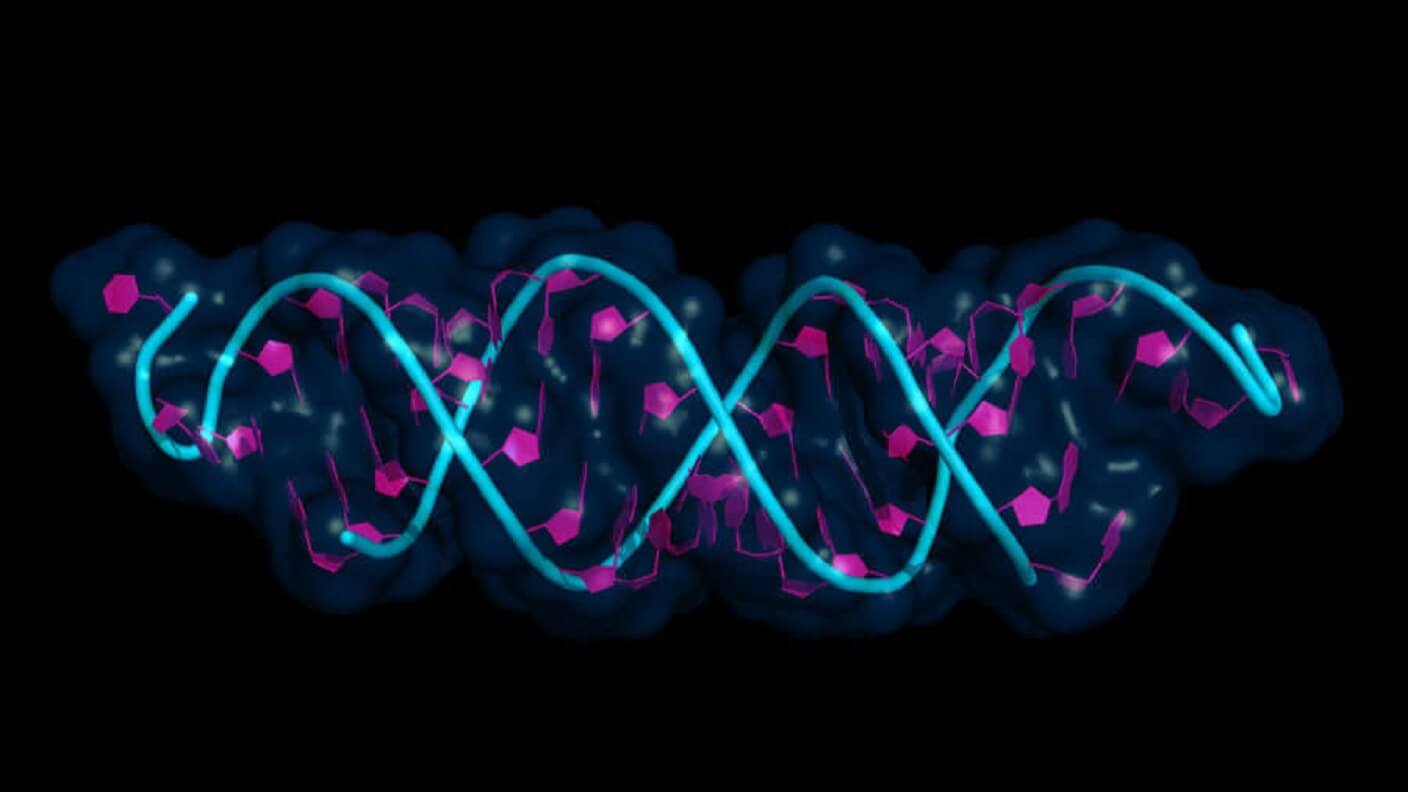
Microscopic view of pink DNA strand is in the center while blue blobs bind to its left and right sides.


Posted by Andres Cores at 1:10 PM No comments:
Email ThisBlogThis!Share to XShare to FacebookShare to Pinterest
Labels: #CRISPR, #GeneEditing #CancerBreakthrough #GeneticResearch

Wednesday, April 10, 2024

Using CRISPR to Treat Patients Affected by Hereditary Angioedema


    In a recent article written in the Guardian, written by Ian Sample, he describes a groundbreaking new treatment that utilizes CRISPR gene editing to help patients effected by hereditary angioedema. Hereditary angioedema, also known as  HME, is a rare disease that effects roughly 50,000 people. It is caused by a mutation in the C1 inhibitor gene which causes an overproduction of the protein kallikrein. This in turn causes a build up of the protein bradykinin which is responsible for leaky blood vessels and swelling. This swelling can be life altering and potentially life threatening. 

    The article describes medical trials done by Dr. Hilary Longhurst at the University of Auckland. These trials were extremely successful. After undergoing a single dose of this permanent gene therapy many patients were able to come off long term medication which often come with many side effects while being less effective. Scientists utilized CRISPR to create "nanolipids" which were administered to patients. These "nanolipids" enter liver cells and prevent the kallikrein gene from over producing bradykinin which stops swelling.

    Despite the success of this ground breaking treatment, there is one major downside. One-shot genetic treatments range in price from 1 million to 2 million dollars. This makes treatment extremely exclusive to wealthy patients and countries.

    In my opinion this article is important because it describes the possibility of curing an extremely debilitating disease. Despite the high cost, I am hopeful that continued research and adoption of genetic medical procedures will make these treatments more accessible to everyday people.

Posted by Bryan G. at 8:12 PM No comments:
Email ThisBlogThis!Share to XShare to FacebookShare to Pinterest
Labels: #Angioedema, #CRISPR, #medicine

Wednesday, November 22, 2023

New CRISPR Treatment for Sickle Cell Disease

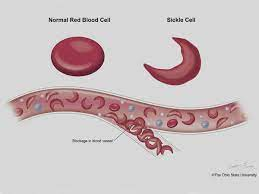
Sickle Cell Disease(SCD) is an autosomal recessive genetic abnormality affecting over 100,000 Americans. Instead of hemoglobin's regular disc shape, SCD causes hemoglobin cells to become sickle-shaped making them inefficient in carrying oxygen. This abnormality leads to a host of symptoms, such as extreme pain and fatigue, anemia, and an increased risk of stroke. Currently, the only treatment for this potentially debilitating disease is a bone marrow transplant. Still, even this is only a temporary fix, leaving the affected needing multiple transplants over the course of their life. A new treatment using CRISPR gene editing technology uses the patient's blood-forming stem cells and converts them into fetal Hemoglobin(HbF). The HbF then converts to regularly functioning hemoglobin cells, decreasing the amount of SCD episodes caused by the misshapen hemoglobin. Of the 30 participants in the Exa-cell study, 29 experienced no severe blood vessel blockage and minimal symptoms overall. All 30 study participants avoided hospitalization for 12 months after the treatment was performed. Though expected to be approved due to its high efficacy, the exa-cell treatment is still pending FDA approval. Though the long-term effects of this technique require further study, considering the significance of this CRISPR gene editing technique on people affected by SCD I feel it would be a step in the right direction for approval. I have always found the versatility of stem cells fascinating, whether they are used for cancer treatment, new drug research, or identifying genetic defects. I believe stem cells will play a pivotal role in future scientific breakthroughs.

Article link

Additional link

Posted by Mason Sherman at 11:46 PM No comments:
Email ThisBlogThis!Share to XShare to FacebookShare to Pinterest
Labels: #biotechnology, #CRISPR, #Epidemiology, #Sickle Cell Anemia

Sunday, July 30, 2023

Gene-Editing Tools Pave Way for New Alzheimer's Treatments

Clustered Regularly Interspaced Short Palindromic Repeats, or CRISPR, is a potent technique that enables precise gene modification. The research discussed centers on identifying individual genes linked to Alzheimer's disease in an effort to lower risk or decrease the illness's course.

Amyloid precursor protein (APP), which is essential for Alzheimer's disease: Depending on how it is broken down in the brain, the APP can produce metabolites that are either protective or pathogenic. In order to decrease the creation of beta-amyloid plaques, which are harmful protein deposits linked to Alzheimer's disease, while improving neuroprotective activities, the researchers employed CRISPR to alter the APP gene. In an Alzheimer's disease animal model, the CRISPR therapy resulted in a decrease in beta-amyloid plaques and related signs of brain inflammation as well as an increase in neuroprotective APP molecules. 

The APOE-e4 gene, which is regarded as a prevalent risk gene for Alzheimer's, is the focal point of the additional investigation. Having two copies of APOE-e4 raises risk of Alzheimer's disease by up to 12 times, whereas inheriting one copy increases risk by two to three times. In humanized mouse models and small brains made from Alzheimer's patients, the study demonstrated that levels of APOE-e4 may be greatly lowered using CRISPR without altering levels of other APOE variations that are thought to be neutral or protective. This strategy has the potential to help cure or stop Alzheimer's disease.


Posted by Mumetu Reza at 5:10 PM 1 comment:
Email ThisBlogThis!Share to XShare to FacebookShare to Pinterest
Labels: #AlzheimersDisease, #APOE, #CRISPR, #proteins

Saturday, December 7, 2019

A "new" CRISPR technique called prime editing


CRISPR has been a hot topic in the field of genetics for some time now. With the ability to edit strands of DNA, CRISPR has been said to be the “wonder child” of genetic research. However, there are still limitations to what can be done using this technique. Mainly, unwanted or unexpected edits in the genome are highly possible when using CRISPR. Researchers from MIT and Harvard have been hard at work finding a possible fix to this problem. The “fix” is an expansion on existing CRISPR technology.

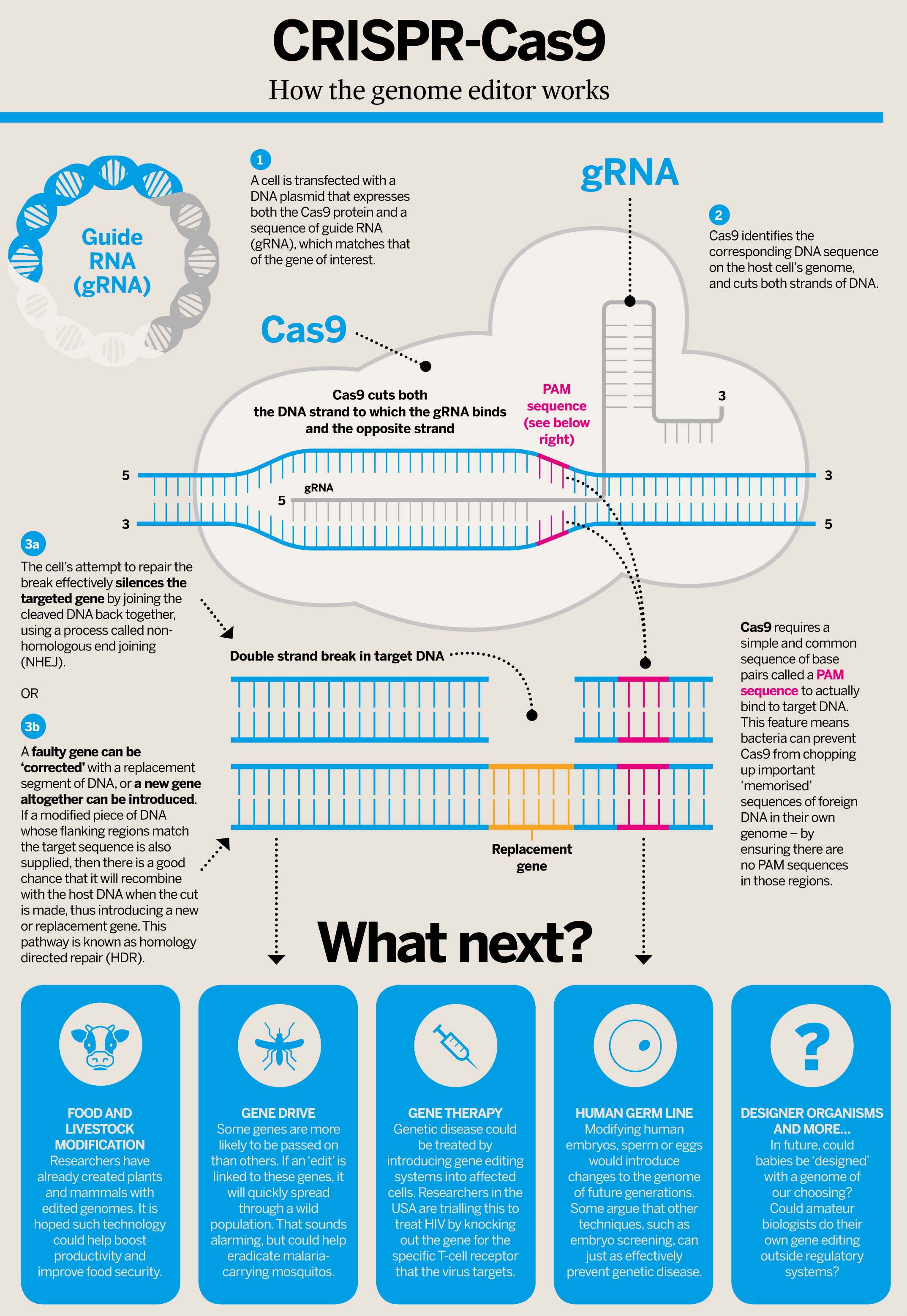
Prime editing combines the best traits of CRISPR and base pair editing. Through modification of the Cas9 protein and addition of a “guide” RNA, the researchers have been able to target specific sequences and edit them with less than 10% chance of unwanted edits. The modified Cas9 snips a single strand of DNA rather then both strands of the double helix. Then, the guide RNA, pegRNA tethers to the site of the snip and encodes for the desired sequence. Then another Cas9 snips the opposite side of the first strand cut, creating damaged DNA. The cell then goes about its normal repair process with the help of reverse transcriptase. By allowing the cell to utilize its built-in process, the chances of unwanted edits are very small.

The research is currently conducted in vitro, however the results are astonishing. Since this method is much more precise then original CRISPR, many genetic disorders could be corrected. CRISPR is limited to small edits, where prime editing can edit larger sequences. I am looking forward to seeing what will be possible in the future through prime editing.


Link to article: https://singularityhub.com/2019/11/05/everything-you-need-to-know-about-superstar-crispr-prime-editing/

Related Article: https://www.statnews.com/2019/11/06/questions-david-liu-crispr-prime-editing-answers/
Posted by Ryan Tozour at 1:34 PM No comments:
Email ThisBlogThis!Share to XShare to FacebookShare to Pinterest
Labels: #Cas9, #CRISPR

Thursday, November 28, 2019

CRISPR is Entering its First Human Trials

What's stopping us from using CRISPR to gene edit humans ...

Genetic diseases are generally inevitable, but are they really? Thanks to a gene editing technology, known as the "molecular scissors" CRISPR/Cas9, we may be able to cut out genes that are causing certain diseases. CRISPR has been used in animals to cure diseases, but now the first human trials are just starting up now. These "molecular scissors" don't just cut anything and everything. CRISPR is a short piece of genetic RNA material, and Cas9 is an enzyme that leads the CRISPR to the piece of DNA that needs to be cut. In the first human trials, scientists are attempting to fight cancer, blood disorders and inherited blindness. In the blood and cancer trials, scientists take cells from the patients bodies and place them in a petri dish, and CRISPR/Cas9 is injected into the cells and the DNA is then edited. Scientists have a way of determining whether the right DNA was edited or not. Then, these edited cells are injected back into the patient. I find CRISPR to be extremely interesting, and I think it could be a truly remarkable discovery if it does in fact prove to be successful. It would help millions upon millions of people. Part of it scares me because if it edits the wrong genes, it could be deadly.

Original Article: https://www.sciencenewsforstudents.org/article/crispr-enters-its-first-human-trials
Supporting Article: https://medicalxpress.com/news/2019-11-doctors-crispr-gene-cancer-1st.html

Posted by Sydney Williams at 3:36 PM 2 comments:
Email ThisBlogThis!Share to XShare to FacebookShare to Pinterest
Labels: #cancer, #Cas9, #CRISPR, #genes, #molecularscissors

Saturday, December 1, 2018

How to make the gene-editing tool CRISPR work even better

          Recently, in the advancement of scientific technology, CRISPR, a genetic modifier, has been a significant advancement in the past few years.  CRISPR allows living things the ability to change it's original DNA, by adding or removing specific genetic material from a specific location in the genome.  CRISPR is already being used to modify plants and animals to learn more about how to edit human genomes.  Scientists are working hard to find a way CRISPR can treat life-threatening diseases, and ways to improve our environment and economy.  After years of experimentation and research, scientist discovered a way to improve CRISPR that is affordable, easy, and safe for humans that can lead to more precise gene editing.
          Molecular biologists worked hard to find that Cas9, which is an enzyme used in CRISPR, is not as effective and precise as the protein Cas12a.  There was a study done that determined Cas9 was not accurate and edited inaccurate parts of the genome, disturbing normal healthy functions.  If scientists continued using Cas9 it has the ability to turn healthy cells into cancerous cells, ruining all of the progress they have made.  Cas12a is a safer and clear-cut route because "it binds like Velcro to a genomic target, whereas Cas9 binds to its target more like super glue." (University of Texas at Austin, 2018)  Cas9 is more like super glue because it only pays close attention to the first few letters of a genomic target, and slowly dismisses the rest of the process, allowing for mismatches and editing of the wrong part of the genome.  While, Cas12a is like Velcro because even though the bonds are slightly weaker than Cas9, it has precise matching throughout the entire genome strip holding it together the entire way, instead of only in the beginning.  Cas12a allows for the edit accurately through the entire genome, checking each base pair for accuracy as it proceeds on to the next one, instead of stopping after the first few letters.  


          In conclusion, even though Cas9 and Cas12a, are no where near perfect, Cas12a has room for improvements.  With further testing and experiments regarding Cas12a scientists will be able to provide the best form of CRISPR to people in need.  

https://www.sciencedaily.com/releases/2018/08/180802141744.htm

https://www.researchgate.net/blog/post/new-crispr-gene-editing-tool-could-overcome-problems
Posted by Unknown at 11:47 AM 1 comment:
Email ThisBlogThis!Share to XShare to FacebookShare to Pinterest
Labels: #Cas12a, #Cas9, #CRISPR, #GeneEditing, #genes #DNA

Tuesday, November 27, 2018

Chinese Scientist Claims to Use Crispr to Make First Genetically Edited Babies

          Ever since CRISPR, a type of gene editing process, became prevalent scientists have worked hard to perfect the process and be sure not abuse it's powerful abilities.  Even some nations banned scientists from having the ability to genetically modify human beings, due to the fact of having the ability to alter a child's I.Q. to the color of their eyes.  CRISPR was meant to be used to genetically engineer life-threading medical conditions and diseases, not the ability to be smart or athletic.
          On Monday, November 26, 2018 the unimaginable came true and a scientist from China, He Jiankui, announced before the Second International Summit on Human Genome Editing in Hong Kong, that he genetically edited two girls who were just born this month.  Before implanting the embryos in the mother's womb, scientist Jiankui edited the babies to be resistant to the H.I.V. infection.  The only thing is that He Jiankui did not provide any data or evidence to prove his work in the lab.  Dr. He claims that he found a male who had H.I.V. and then used in vitro fertilization to produce embryos resistant to the viruses that can cause AIDS.  He used CRISPR-CAS9 to disable CCR, a specific gene that produces the protein H.I.V. needs to enter cells.
          Even though it is illegal to do such actions in the United States, it was not yet illegal in China, but other Chinese scientists do not agree with Dr. He's actions and believe what he did was crazy.  A group of researchers believe what he did was unethical because there are other ways H.I.V. can be prevented in newborns and ruins the reputation of Chinese science so far.  Dr. He then states that "I feel a strong responsibility that it's not just to make a first, but also make it an example""Society will decide what to do next." (Kolata and Wee and Belluck, 2018) Some question why Dr. He did something medically unnecessary, what do you believe about his research?


https://www.nytimes.com/2018/11/26/health/gene-editing-babies-china.html?rref=collection%2Fsectioncollection%2Fhealth&action=click&contentCollection=health&region=rank&module=package&version=highlights&contentPlacement=1&pgtype=sectionfront  
https://www.nbcnews.com/health/health-news/chinese-scientist-says-he-made-gene-edited-twins-using-crispr-n940026
Posted by Unknown at 8:32 PM 3 comments:
Email ThisBlogThis!Share to XShare to FacebookShare to Pinterest
Labels: #babies, #CRISPR, #geneticallymodified, #research

Wednesday, November 7, 2018

What's the Likelihood That CRISPR Will Cure Cancer?


        As you may know, after taking biology courses in high school and college, DNA is an extremely important aspect in everything living.  DNA is subject to change, and go through transformations after being exposed to environmental and genetic factors.  Sometimes after DNA is exposed to different influences, its sequence changes, and new genetic codes are created, which sometimes can result in diseases and disorders, one being cancer. 
        CRISPR, or Clustered Regularly Interspaced Short Palindromic Repeat, is new technology that has the ability to edit and modify genes.  Even though there are multiple gene editing tools, CRISPR is the most precise and practical one, because it has the ability to edit the DNA at the specific spots effected.  With this new technology scientists are able to modify genes and correct DNA sequences at specific locations permanently, and cut out the DNA code.  Our hope is that one day scientists can "be able to easily correct the errors that can crop up in our genetic code, leading to advanced cures for genetic diseases and cancer." (Howley, 2018)

       After research, and using CRISPR, doctor's have been able to alter embryonic DNA to eradicate genetic diseases in DNA sequences.  Experts know that CRISPR has the capabilitiy to change DNA to "cure" someone from a disease, the only thing is that the genetic edits must be made to each and every single cell that's involved in that disease process, which is a difficult thing to accomplish, considering there are millions.  Hopefully, as CRISPR continues to develop and flourish we can develop a way to treat cancer.  Since cancer has the ability to spread and develop all over the body CRISPR would have to change the genetic mutation that caused the cells around a persons entire  body to become cancerous, back to normal.  Dr. Alan B. Copperman, from Icahn School of Medicine at Mount Sinai, has his own approach to use the technology in cancer gene editing, and is already being used to try and treat those with leukemia and lymphoma.  For example, his idea "involves removing some of a patient's own immune cells (T cells), re-programming them using CRISPR and then infusing these cells back into the patient to fight the cancer.  This personalized immunotherapy approach should help in fighting off many different types of cancers." (Howley, 2018)
      CRISPR has a long way to go, and doctor's around the world are working hard to change the lives of those in need, and give patients the opportunity to receive treatment. 

https://health.usnews.com/health-care/patient-advice/articles/2018-09-12/whats-the-likelihood-that-crispr-will-cure-cancer

https://ghr.nlm.nih.gov/primer/genomicresearch/genomeediting

Posted by Unknown at 7:14 PM No comments:
Email ThisBlogThis!Share to XShare to FacebookShare to Pinterest
Labels: #cancer, #CRISPR, #diseases, #gene #editing, #Genetic

Tuesday, November 6, 2018

CRISPR for Plastic and Reconstructive Surgeries


CRISPR technology may seem like an advanced technique now, but it has yet to reach its full potential. Although CRISPR's initial purpose was primarily used as a form of natural defense in bacteria and archaea, it can now be used for reasons such as mapping genomes or developing foods. Additionally, the use of CRISPR technology is relatively inexpensive, efficient and simple to perform (1). Currently, scientists are now trying to find ways to use it to help with plastic and reconstructive surgeries. Below are some areas that CRISPR has the potential to have a large impact and ultimately augment surgical treatments.
  • CRISPR may have the capabilities to identify gene mutations and possibly correct such mishaps. This would be quite useful to prevent malformations such as cleft lip. 
  • It has been propose that CRISPR could possibly accelerate healing of wounds and help to repair bone, cartilage, nerves and muscles (1). Clearly, discovering how CRISPR could do any of these processes would be a great advancement in the field of medicine, especially for conditions such as muscular dystrophy. 
  • It may be possible that CRISPR could be used to help patients repair damaged tissues and to help them with immune functions. Similarly, there may be a way to prevent the body from rejecting transplants and attacking itself.
These applications could be applied in the near future if all goes to plan. However, some doctors have concerns whether these procedures would be unethical. There are many complications when it comes to targeting specific cells and there is the possibility that any cell could be damaged in the process that was not meant to be targeted. If scientists could bypass this hurdle, more ethical problems arise when it comes to enhancing someone's genes. Specifically, people may abuse this kind of procedure and use it for non-medicinal purposes such as enhancing muscle growth or other perks. Another area of concern is the use of CRISPR for those with reproductive problems. Again, scientist worry about this practice because it would involve germline therapy, essentially modifying babies which in turn gets continuously passed down to each generation. It may be possible to augment one's family to the point where their genes give them some kind of advantage. Ultimately, CRISPR has a great breadth of applications, but to what point does it interfere with normal developmental growth and natural life processes.
Posted by Anonymous at 9:36 PM No comments:
Email ThisBlogThis!Share to XShare to FacebookShare to Pinterest
Labels: #CRISPR, #Ethics, #GeneMutations, #Surgery
Older Posts Home
Subscribe to: Posts (Atom)

Pageviews

Blog Archive

World View

Delicious Genetics

Loading...
Awesome Inc. theme. Powered by Blogger.