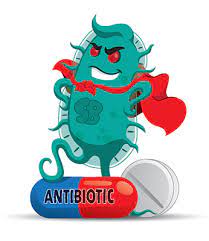
Antibiotic-resistant bacteria are becoming more difficult to prevent due to the overprescription of antibiotics, leading to infection tolerance. Consequently, when antibiotics don’t work, they may die with no other medicine to cure them. For example, E. coli bacteria are resistant to most antibiotics, and even attempting to use “last resort” antibiotics can lead to the bacteria becoming even more resistant than before. E. coli bacteria contain antibiotic resistance from circular DNA called plasmids. In a study, multiple antibiotic-resistant E. coli bacteria were plated with a toxin-containing plasmid, which later killed the antibiotic-resistant bacteria. The article called this plasmid a “precision-guided missile.” Often, the main problem with prescribing antibiotics is that they kill both beneficial and harmful bacteria. However, if these specific missile-like plasmids are utilized, they can work towards killing only the harmful bacteria and save the useful ones. Scientists plan to move forward with the idea of developing precision-based medicines to do precisely this.
I found this article very interesting because of what we’ve learned about plasmid DNA in class. Future research should explore customizing plasmids to target a broader range of resistant bacteria and the possibility of integrating AI to predict resistance patterns. I hope precision medicine moves beyond theory and into reality before resistance surpasses our ability to respond.

