Showing posts with label #Sickle Cell Anemia. Show all posts

Monday, April 20, 2026

CRISPR Breakthrough Offers New Hope for Sickle Cell Disease


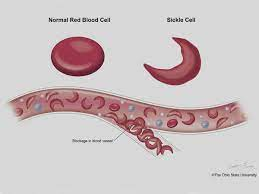
    Recent advances in genetics have brought renewed hope for patients with sickle cell anemia, a serious inherited blood disorder caused by a mutation in the HBB gene. This mutation leads to the production of abnormal hemoglobin, resulting in misshapen red blood cells that can block blood flow, cause pain, and damage organs over time.

    Traditionally, treatment options have been limited to symptom management, blood transfusions, or risky bone marrow transplants. However, the emergence of CRISPR gene-editing technology is transforming the landscape of treatment. A major milestone was reached in December 2023 with FDA approval of a CRISPR-based therapy called Casgevy. This therapy works by editing a patient’s own stem cells to reactivate fetal hemoglobin production, which can effectively replace the faulty adult hemoglobin.


     Clinical trials have shown great success, with patients experiencing fewer pain crises and in some cases functioning as if they no longer have the disease. Researchers are also exploring other CRISPR approaches, such as directly correcting the mutation or using advanced techniques like base editing and epigenetic modification.

    Despite these promising developments, challenges remain, including ensuring long-term safety, accessibility, and affordability of these treatments. Still, CRISPR represents a revolutionary step forward in genetics, offering the possibility of not just managing but potentially curing diseases that were once considered lifelong conditions.


Article link: https://www.synthego.com/crispr-sickle-cell-disease/

Wednesday, April 30, 2025

Menstrual Cycle Could Be Contributing To Sickle Cell Pain Events

 A recent article in the U.S. and World Report News shows that inflammation increases in women during their periods with sickle cell anemia. Sickle cell disease is a red blood cell disorder that causes the red blood cells to become misshapen and sticky. Recent research has demonstrated that inflammation increases pain. 


Hormonal contraceptives have been able to suppress menstruation and manage pain. The study analyzed 13 women and 18 men with sickle cell disease. It specifically tracked the C-reactive protein, which causes inflammation in the body. This study showed that the C-reactive protein was higher during the first half of the patients' menstrual cycles. The more data collected from other patients, the more they hope to create a pain management option.

Wednesday, November 22, 2023

New CRISPR Treatment for Sickle Cell Disease

Sickle Cell Disease(SCD) is an autosomal recessive genetic abnormality affecting over 100,000 Americans. Instead of hemoglobin's regular disc shape, SCD causes hemoglobin cells to become sickle-shaped making them inefficient in carrying oxygen. This abnormality leads to a host of symptoms, such as extreme pain and fatigue, anemia, and an increased risk of stroke. Currently, the only treatment for this potentially debilitating disease is a bone marrow transplant. Still, even this is only a temporary fix, leaving the affected needing multiple transplants over the course of their life. A new treatment using CRISPR gene editing technology uses the patient's blood-forming stem cells and converts them into fetal Hemoglobin(HbF). The HbF then converts to regularly functioning hemoglobin cells, decreasing the amount of SCD episodes caused by the misshapen hemoglobin. Of the 30 participants in the Exa-cell study, 29 experienced no severe blood vessel blockage and minimal symptoms overall. All 30 study participants avoided hospitalization for 12 months after the treatment was performed. Though expected to be approved due to its high efficacy, the exa-cell treatment is still pending FDA approval. Though the long-term effects of this technique require further study, considering the significance of this CRISPR gene editing technique on people affected by SCD I feel it would be a step in the right direction for approval. I have always found the versatility of stem cells fascinating, whether they are used for cancer treatment, new drug research, or identifying genetic defects. I believe stem cells will play a pivotal role in future scientific breakthroughs.

Article link

Additional link

Tuesday, November 22, 2022

The Progression of Gene Therapy Intervention for Sickle Cell Disease


    Sickle cell disease affects thousands of people throughout the globe and is recognized to be prevalent in African populations. Early clinical trials centered around gene therapy for sickle cell disease have been researched by geneticists since the 1990s.The intent of gene therapy for sickle cell disease is to correct genetically modified dysfunctional hemoglobin that leads to the development of structurally altered red blood cells that block blood vessels and lead to complications in organ function. The ultimate goal of research trials centered around gene therapy intervention for sickle cell disease aimed to stimulate the body’s ability to produce fetal hemoglobin by insertion of microRNA. Through insertion of the microRNA into the body, the dysfunctional protein known to alter red blood cell structure was corrected and fetal hemoglobin was successfully produced.

From the research and clinical trials around microRNAs potential to alleviate symptoms associated with sickle cell disease, six participants of the study were shown to have successful outcomes. The research results provide a possible cure to sickle cell disease and hope to many who inherited the illness.