Showing posts with label genomics. Show all posts

Monday, December 1, 2025

Genetic Link Found Between Sleep Patterns and Depression

Scientists have long known that sleep and circadian rhythms play a crucial role in human health, influencing metabolism, immunity, and cognitive performance. The article explains that many aspects of sleep such as duration, quality, and whether someone is naturally a morning or evening person, are moderately heritable, meaning genetics contributes significantly to these traits. Because of this, researchers are increasingly turning to genetic studies to uncover how specific DNA variations shape our sleep patterns and why disruptions in these biological rhythms can increase the risk of chronic diseases. The review highlights recent progress in identifying genes linked to sleep behavior and circadian timing, emphasizing how genetic research is helping clarify the biological foundations of sleep and its impact on overall health.

Link: https://www.nature.com/articles/s41576-022-00519-z

A large genetics study found that specific gene variations regulating sleep cycles are strongly linked to an individual’s risk for depression. People with a genetically “delayed” circadian rhythm are more likely to develop mental health disorders.
This study is important because it shows how our genes influence behaviors and emotions in ways we might not realize. Understanding these connections could improve mental health treatments and help personalize therapy based on genetic profiles.

Link: https://www.researchgate.net/figure/Genetic-Correlations-of-Depression-BIP-I-BIP-II-with-Biological-Rhythms-rggenetic_fig1_363736302



Thursday, December 5, 2024

New Genetic Variants Linked to Autism: Unlocking Insights into Developmental Delays


 Recent research has identified new genetic variants associated with autism spectrum disorder (ASD) and developmental delays, offering deeper insights into the genetic factors contributing to these conditions.

A collaborative international study focused on the GSK3B gene, analyzing the genotypes and phenotypes of 15 individuals with variants in this gene. Common characteristics among these individuals included developmental delays, autism, sleep disturbances, and other behavioral challenges.

Further investigation using single-cell transcriptomic data revealed that GSK3B is enriched in excitatory neurons during brain development. Inhibiting this gene in animal models led to behavioral changes similar to those observed in humans with ASD, underscoring its potential role in the disorder's pathology.

This discovery adds to the growing list of genetic variants linked to autism, enhancing the potential for more accurate genetic diagnoses. Sarah Jurgensmeyer, MS, a lecturer in the Department of Pediatrics at Northwestern University and co-author of the study, emphasized the importance of such findings in connecting families with appropriate resources and support.

The study exemplifies the power of collaborative platforms like GeneMatcher, which connect scientists and clinicians to advance understanding of rare genetic variants. By sharing data and insights, researchers can accelerate the identification of genetic factors involved in complex conditions like autism.

In summary, the identification of GSK3B variants as contributors to autism and developmental delays represents a significant step forward in unraveling the genetic underpinnings of these conditions. This progress holds promise for improved diagnostic precision and the development of targeted interventions in the future.


References:

Dimmer, O. (2024, December 4). Newly discovered genetic variants linked to autism. Medical Xpress. https://medicalxpress.com/news/2024-12-newly-genetic-variants-linked-autism.html

Friday, November 24, 2023

A New Genetic Tool for Predicting Regulatory Sequences


    A project conducted by members of the UC San Diego Department of Medicine resulted in the creation of EUGENe, a tool designed to assist in the prediction of regulatory sequences. The team lists a lack of deep-learning methods for regulatory genetics that follow the FAIR(findable, accessible, interoperable, reusable) principle, and created EUGENe to fill that gap in technology.

    The team states that EUGENe is  "a simple, flexible and extensible interface for streamlining and customizing end-to-end deep-learning sequence analyses." The team discusses the lack of software that can effectively tackle the problems faced in deep-learning related genetics and goes into detail about the failures that each of the current major packages has in regards to a comprehensive package that can handle an end-to-end workflow while integrating with other available packages.

Article on EUGENe

Klie, A., Laub, D., Talwar, J.V. et al. Predictive analyses of regulatory sequences with EUGENe. Nat Comput Sci 3, 946–956 (2023). https://doi.org/10.1038/s43588-023-00544-w


Article on Janggu, a major software package that handles deep-learning in genomics

Kopp, W., Monti, R., Tamburrini, A. et al. Deep learning for genomics using Janggu. Nat Commun 11, 3488 (2020). https://doi.org/10.1038/s41467-020-17155-y

Monday, October 2, 2023

Gluten-Free Wheat?

Who would've thought gluten-free wheat could become a reality...


    A recent article published in July 2023 by the European Union details plans to utilize genomic techniques to alter the genome of an ingredient found in many of our delicious foods: wheat. Those with Celiac Disease and gluten-intolerance have been struck with the unfortunate loss of eating wheat-containing foods, and at an unfortunate price (almost 200% more than what the average person spends on food/groceries). For reference, gluten is a protein found in wheat, which those who are sensitive to/allergic to gluten cannot consume. Recently scientists in the EU; however, have proposed using cisgenesis -- a method to cross beneficial alleles from one plant to another -- to not only make wheat grown in the EU gluten-free, but also pesticide free as well. This is an immense step forward in the field of economic agriculture and the environmental well-being of citizens everywhere, as food for those who are gluten-free can become more affordable and levels of pesticide toxicity will slowly cease to impact those in the EU, in addition to the rest of the world who consumes their agricultural products. Cisgenesis has greater implications than just gluten-free wheat and pesticide-free plants, and as a matter of fact, this is what humans have been doing for centuries, except it has now become more mainstream due to pertinent implications in our everyday lives. 

    As someone with Celiac Disease and (unfortunately) not living in the EU, I found this article to be really promising and I am secretly hoping the U.S. starts taking some notes. I personally like this approach of utilizing genomic techniques that are not harmful like some GMOs, and don't require the introduction of chemicals into the food we consume on a daily basis. The European Union has clearly thought this decision out, and I appreciate that they have considered the economic burden of this autoimmune disease as it is not really discussed in the media. Having this representation makes those of us with Celiac more inclined to speak up and condone the improvements being made on the agricultural forefront. As I mentioned previously, the United States should truly consider implementing this in our domestic crops, especially considering how expensive gluten-free food is (for reference, try buying a $10 loaf of bread that needs to be frozen, with only 10 slices, and half of which have holes in them so they become useless anyways...doesn't sound so appealing, right?). I also believe this becomes a public health concern due to 1) the prevalence of the disease and 2) the food available and the affordability factor that comes with it. The EU is taking things in the right direction, and I can only hope that the U.S. will consider using similarly effective genomic techniques in our wheat sometime soon! 


To read up more on this topic:

1) https://joint-research-centre.ec.europa.eu/jrc-news-and-updates/new-genomic-techniques-can-help-cut-pesticides-use-or-shield-celiac-disease-2023-07-05_en 

2) https://www.frontiersin.org/articles/10.3389/fpls.2014.00389/full

Tuesday, July 18, 2023

A study proposes that the genetic sequencing of infants should be conducted at birth.

The BabySeq Project was a randomized clinical trial designed to measure the utility of using genomic sequencing in routine newborn care. Several years ago, they conducted research which revealed that 17 of 159 seemingly healthy babies whose genes were sequenced showed mutations that revealed the likelihood of future illnesses. There is a follow-up that BabySeq did, which shows that three mothers from the previous study took action to prevent the conditions that they saw mutations for. 

Currently, at birth, newborns are screened for 60 diseases, but there are 700 treatable conditions that are not included in the screenings. The possibilities with these technologies could potentially identify biomarkers that develop diseases, which could help with preventative measures. In terms of what BabySeq’s impact is on the modern family, three of the babies were revealed to be carrying BRCA1 and BRCA2 genes, which can cause an increased risk of cancer. Their mothers, who did not know they were carrying this gene, had risk-reducing surgery after learning of their baby's status.


Fyodor Urnov, an expert in gene editing at the University of California, Berkeley, argues that it is unethical to not use this technology, considering it can save lives long term. In my view, assessing this technology on a case-by-case basis is essential, as it may prove particularly valuable for families with a background of genetic illnesses. However, a significant portion of our population remains reluctant to embrace the concept of DNA collection and sequencing. In my opinion, DNA sequencing at birth should be an option for parents, but never forced or pressured to those who are disinclined. 


Sunday, July 9, 2023

Pangenome: The New Genetically Diverse Human Genome

The previous human genome reference was released over 20 years ago. The new human genome, called "pangenome," takes into account several genetic references from a much more diverse set of individuals than the previous, of which includes only a few dozen individuals yet the base of the DNA was of one man from Buffalo. Compared to the new human genome reference it lacks the variability of the humans at large. Pangenome has filled in the missing pieces of the last reference, 120 million to be exact and captures the 47 individual's genetic sequences, which includes those of African American and South American descent to name of few. To better understand the complexity of the new reference the New York Times article, Scientists Unveil a More Diverse Human Genome, by Elie Dolgin, emphasizes the genetic diversity of the reference by comparing it a corn maze. Each color in the picture references a possible route and include yellow for duplication, pink as inversion, deletion being green and blue, and insertion is light blue.

Having a diverse representation of not only the human genome, but how diseases may present itself differently among people is necessary in order to provide the best care possible to patients. This article reminded me of how often skin conditions appear in light versus in darker skin and how these conditions are largely represented by white skin in textbooks. For genomes to come from a wide range of individuals regarding ethnicities and locations, then come together to form a overall human genomic reference would provide a more accurate representation of human's genetic makeup with capability of better addressing genetic diseases. 

Wednesday, March 28, 2018

New Genetic Stroke-Risk Factors Identified


       Stroke is the second cause of death worldwide, but the molecular mechanisms underlying the condition are poorly understood. In this study conducted, an international team of researchers used DNA sequences from more than 520,000 people to home in on 32 loci in the human genome that are associated with risk for the condition. The study was conducted by members of an international collaboration called MEGASTROKE, which aims to identify the genetic factors underlying the condition. Researchers collated data from 29 large-scale studies that had collected DNA samples all over the world from people of diverse ethnic origins. 
        This team discovered multiple loci in the human genome that corresponded to stroke risk, only ten of which had been reported in prior studies. The researchers also found that several genes pegged by the analysis are already targets for antithrombotic drugs administered routinely to stroke patients. Study coauthor Rainer Malik of Ludwig-Maximilians University says in the article that "These genetic findings represent a first step towards developing personalized, evidence-based treatments for this very complex disease. 

Article Link: https://www.the-scientist.com/?articles.view/articleNo/52050/title/New-Genetic-Stroke-Risk-Factors-Identified/


Monday, March 5, 2018

Dead but Not Forgotten: Elephant Genomic History


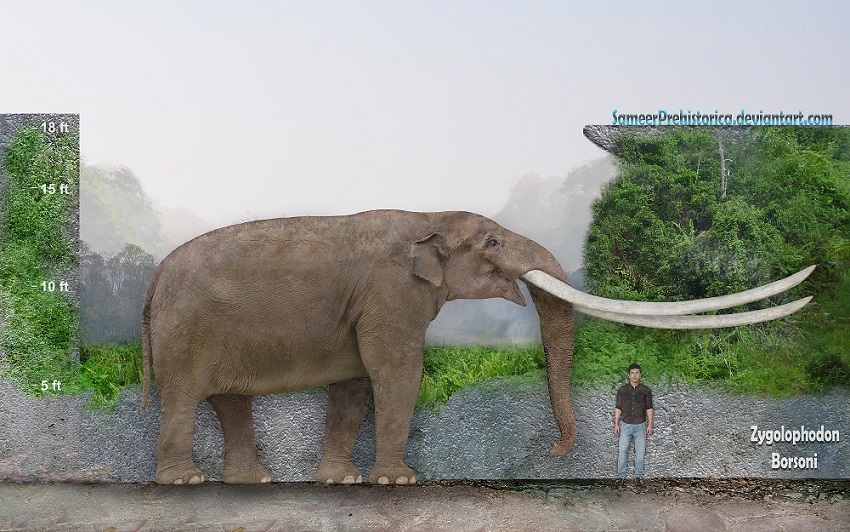
A study conducted by scientists at The University of Texas at Austin recently sequenced the genomes of 14 living and extinct elephant species to try and understand the potential gene flow within this group. This was done by mapping out the genome of living species such as the African forest elephant, the Savanna elephant, the Asian elephants, along with other like species, and then compared them with the genome of extinct species such as the woolly mammoth, the straight-tusked elephant, and the American mastodon. By doing this they were able to see the decent pattern of modern day elephants. One of the many things they discovered was that the straight tusked elephant, which went extinct approximately 120 thousand years ago, and the present-day forest elephants dissented from a related lineage.  Additionally, we have come to learn that in both past and present elephant genomes there seems to be a high amount of hybridization which has led to the group’s current speciation. 
Related image

One of the more notable discovers that came from this study was that African forest elephants and the Savanna elephant appeared to have diverged over 2 million years ago and have been genetically separated for around 500 thousand years. This discovery’s significance lies in the fact that it ends the debate of whether these two types of elephants are separate species which, evidently, they are. Because of this, these two groups of elephants can now receive more effective conservation efforts, as they can be specifically geared, and funded, to the individual species environmental resource requirements, and threats (Daley). With the advancements in genomics, both in efficiency and accuracy, demonstrated here with the successful mapping of the elephant’s genome, its applications and implications are vast and profound to say the least.
And here is the link to the original study that http://www.pnas.org/content/early/2018/02/16/1720554115

Wednesday, November 9, 2016

Why You Don’t Have Much Neanderthal DNA in Your Genome

Neanderthals and modern humans diverged from a common ancestor approximately half a million years ago. Neanderthals lived in colder climates in Eurasia, so they evolved barrel chests, large skulls and strong hands. In Africa, modern humans evolved with short faces, a prominent chin, and slender limbs. Then, almost 50,000 years ago, the two species interbred and modern humans spread out of Africa.  The theory of interbreeding has been up for debate; today, up to four percent of the genes of non-Africans are Neanderthal in origin, which could have influenced a range of traits. Questions that many people pose is “why did a Neanderthal-human hybrid not predominate? The answer is that in small populations, natural selection is less effective and Neanderthals have a very small population over a vast time period, hundreds of thousands of years. Since Neanderthals lived in harsh conditions, they have a very small population according to a biology professor at University of California Davis, Graham Cook.


            Neanderthals were more inbred than modern humans, so there were more mutations that had an adverse effect on their populations including increasing an offspring’s risk of disease. In 2014, a professor from Harvard, David Reich, and his group found that Neanderthal DNA is usually located far away from important genes in the human genome, which provided the first building block of evidence that natural selection was working against Neanderthal DNA. At first they thought infertility was the explanation for this pattern, but in a different study it was concluded that differences in population size was a better explanation. In another study that was done in April of 2016, the authors started with historical estimates of Neanderthal and human population sizes. From the data, they were able to conclude that Neanderthals most likely had a greater chance of passing down genes that were somewhat more disadvantageous. In the original study that this article focused on, the simulations showed that the early hybrids would have been much less fit than humans, which would have decreased the amount of Neanderthal DNA around modern human genes. This new theory is so crazy to read about because we are always taught about how similar we are to Neanderthals and how important they were to our evolution, but now we are learning more about the genome and it is basically saying that those genes are there but they are less important than our genes.

Tuesday, May 3, 2016

Tweaking Genes to Save Species

There was an article published earlier this month in The New York Times entitled Tweaking Genes to Save Species. This article explains how bio-technologists have engineered mosquitoes with a lethal gene in order to be released in areas where mosquitoes carrying the Zika virus are prevalent.  Another group has discovered a way to engineer mosquitoes that spread sterility in the mosquito population;
this technique is called gene drive.  If regulators approve these techniques it may serve other purposes besides being used as weapon against the spread of mosquito-carrying illnesses.

These remarkable techniques could be used to protect the earth's biodiversity. This type of meddling makes many conservation biologists nervous because of the risk and unpredictability. However, we may have to accept the risks associated with artificial manipulation of a natural population to save species in a world where species are going extinct daily.  An example of how this technique can help preserve biodiversity is by protecting at-risk species. For example white-nose syndrome, a fungal disease, is destroying bat colonies throughout North America.  Through gene-editing technology a less lethal form of the fungus administered to the bats at risk which may enable them to develop a resistance.

These advanced genomic techniques have the potential to restore lost genetic diversity.  Ryan Phelan, an executive director of Revive and Restore says,"We're in a unique period where we've got the technology potentially in place to start changing the course for a lot of these species before they go extinct." However appealing these techniques may seem I think we should exercise extreme caution because it is arrogant of us to think we can  plan what will happen. There have been many cases
 how human environmental meddling has had devastating consequences.  A famous example of this is how Australians brought back poisonous cane toads from South America in order to control the
 grey-backed cane beetle.  These toads have been extremely destructive ever since.  Ecosystems are highly complex and I think it is impossible to predict how genetically engineering nature will unfold.

Tuesday, April 7, 2015

Medical School Genetics Course Lacking

In the article, "Study finds positive trends in medical genetics education", in Science Daily they were talking about how the genetics curricula was not where it should be in medical schools. The genetics courses are increasing and evolving because right know most of the genetics is taught in the first two years of school and little to none in the third and fourth years. They are looking for new innovative ways to incorporate genetics into the curricula. More then 40% of the medical schools that participated in the survey in the U.S. and Canada do not teach the important topics of genetics. They are saying that it is necessary for future doctors to be literate in genomics. They just want to increase the topic of genetics in the program. They want to build concrete steps to make sure that the future physicians fully exposed to genomic medicine. The educators feel responsible to prepare their students to be ready to be in the clinical field and be able to understand the genetics of medicine.


It is extremely important for doctors to understand the genomic medicine because that enables doctors to have a broader understanding of medicine and diagnostics. The fact that 40% of schools do not incorporate genetics in their curricula already, really took me back because I think that it is a basis that should be learned. If it is taken as an undergrad, I think in medical school they should go in depth. But, in order to be successful at genetics, they also have to have digital literacy, because most of genetics is done through computers. That is something that I think that they should have mentioned in the paper. Personally, I think that everyone should take a programming class because not only does it increase your digital literacy, but also programming increases your problem solving ability. I took a programming class in high school and in college and although they were tough classes, programming is a good skill to acquire. So along with making sure genetics is incorporated into the medical school curricula I think programming should be as well.

Tuesday, November 25, 2014

Turtles, Dinosaurs, and The New Group Archelosauria

For decades the placement of turtles in its phylogenetic tree with respect to lizards, snakes, dinosaurs, and birds has been debated. Prior methods mostly involved digging up ancient fossil turtles and looking at physical features, a fairly unaccurate and speculatory method. However, with new genomic sequencing methods, a phylogenetic tree of turtles has been put together debunking old truths, and even creating a new group in its own.

Researchers with the California Academy of Sciences along with other scientists finally tackled the turtle phylogenetic tree problem with a new sequencing method known as UCE, which stands for Ultra Conserved Elements. Using this new method, researchers were able to obtain large quantities of comprehensive genomic data and compare this to genomic data of other species. The results were astounding. Researchers debunked the notion that turtles and tortoises were more closely related to lizards and snakes than anything. Instead, researchers found that their closes relatives actually fall within birds, crocodiles, and dinosaurs. This calls for a creation of a new group, which they dubbed  Archelosauria.
Prior theorized phylogeny of turtles did not match the fossil record or archeological timelines. Now, however, with the use of the Ultra Conserved Elements techniques, the phylogeny of turtles placed within the group Archelosauria not only matches evidence found in the fossil record, but also archeological timelines. This changes the face of research for Evolutionary Biologists studying reptiles. This cutting edge technology was able to clarify a decades old problem and is a testament to how genomic sequencing techniques are improving at an exponential rate. This provides great optimism for future work in the evolution of ancient creatures.

Article Source: http://www.sciencedaily.com/releases/2014/11/141124103225.htm
Additional Source: http://www.mnn.com/earth-matters/animals/stories/turtles-more-closely-related-to-birds-than-to-lizards-according-to

Saturday, November 22, 2014

Genomics at the corner of explain evolution of human brain

Scientist at the University of Colorado say that they are inching ever closer to dissecting and explaining the evolutionary genomics of the human brain. By sequencing the DNA of animals related to humans and locating the genes responsible for brain growth and development researchers are moving closer to the cusp of the how the human brain came to be. Aside from lack of anthropological technique, the complete sequence of of a human can't tell us all we need to know about the human brain. In fact, just trying to pinpoint all the genes responsible for the brain itself has proven to be a difficult task. The researchers are using marmoset because they are primates that operate in social groups and are able to be handled with relative ease.

The last few years scientist have been able to identify more sections responsible towards brain development in the marmosets but genes relating directly to social and cognitive portion of the brain are still unknown. According to the research there has been a couple of studies on proteins that play a role in the synapse and altered forms of the gene SRGAP2 are found in humans and Neanderthals and not the marmoset. This suggest the gene plays a new role.


Hopefully this research will continue to flourish and provide us with new information as to how the pivotal standing difference (the brain) of humans and other primate came to be. I would personally like to undergo this specific research itself if possible.

Main article: http://www.sciencedaily.com/releases/2014/07/140709095342.htm

Related article: http://www.kavlifoundation.org/science-spotlights/evolution-what%E2%80%99s-uniquely-human-about-human-brain#.VHE8BvnF83m

Thursday, November 6, 2014

California Hospital Explores Genetics-Aided Cancer Treatment

The University of California San Francisco Medical Center is researching how to use genetic information from cancer patients to improve treatment options.
There has been an increasing focus on using genomics in cancer care. Working with start-up company Synapse, UCSF hopes to create a database of genetic and medical information that experts will be able to analyze. The goal is to make this part of routine cancer care.


Discovering new types of patient-specific therapy would eliminate the one-size-fits-all treatments of the past. The results of this could bring about more effective treatments with fewer side effects and improve quality of life for individuals with cancer, like this article points out.
Oncologists will now have more options for patients who do not respond well to traditional treatments. Genetic testing will offer other paths that could be more effective in conquering cancer.

I think that articles like this offer a lot of hope that cancer will be at least manageable, if not cured. The article linked in the text mentions treating cancer as a chronic disease which, while not ideal, means that it is not always terminal. The article also mentioned the possibility of eliminating chemotherapy entirely, which would be a huge step in cancer care. This is amazing news, knowing that the unpleasant side effects of chemotherapy could be avoided and that better treatments would buy patients significant, quality time.
Overall, the use of genomics in this way seems promising in finding a cure down the road and helping patients live better and longer in the mean time.

Article:
http://www.reuters.com/article/2014/11/05/us-healthcare-tech-cancer-idUSKBN0IP2EC20141105