Showing posts with label CRISPER. Show all posts

Sunday, November 26, 2023

Genetically modified silkworms produced pure spider silk
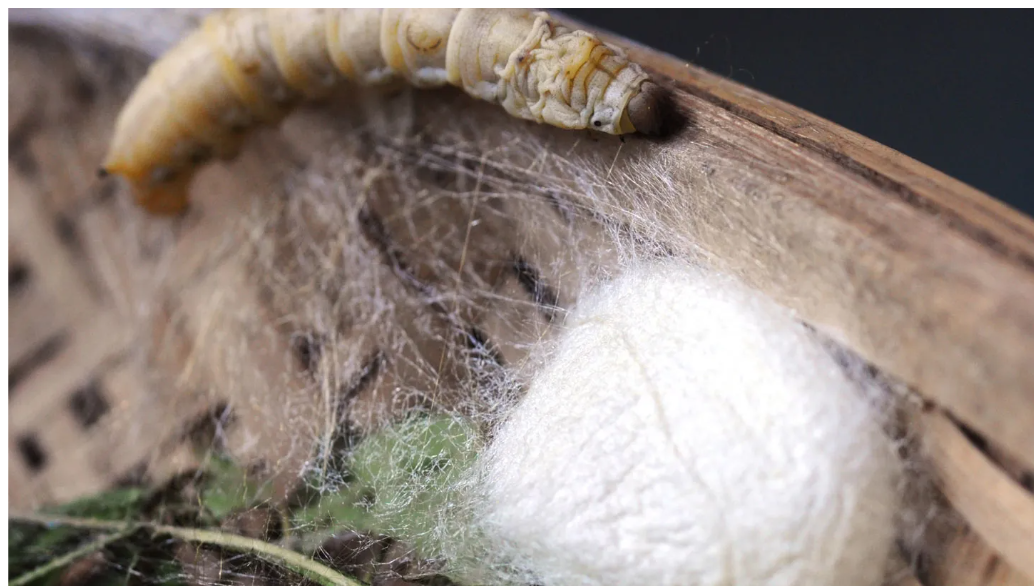
 Genetically modified silkworms produced pure spider silk

        Researchers from China have successfully used CRISPR/Cas9 gene-editing to modify silkworms to produce spider silk, a material known for its strength and toughness. This breakthrough spider silk, while not as strong or stretchy as natural spider silk, is significantly tougher than Kevlar and could have applications in medical sutures and bulletproof vests. However, challenges remain in mass production, including ensuring the genetic modifications are stable over generations and maintaining the health of the silkworms, which are vulnerable to infection and produce varying quality silk. The second article confirms that the silk of spiders is composed of thousands of nanostrands, each only 20 millionths of a millimeter in diameter, which could lead to advances in creating new materials for medical (such as sutures) and engineering applications.
This article is a remarkable example of how genetic engineering can create materials with enhanced properties for practical applications. The fact that this modified silk is tougher than Kevlar yet potentially suitable for medical use like sutures demonstrates the versatility and potential of biologically engineered materials. However, the challenges in mass production and ensuring consistent quality due to silkworm vulnerability highlight the complexities involved in mass producing spider silk. Modifying the genetic structure of silkworms may result in unexpected health problems or distress since their bodies are not inherently adapted to create such material. In addition, it’s important to remember that silkworms are living organisms and while technologicalmass-producing advancements are important, we should remember the consequences of turning these organisms into such biofactories.


https://www.sciencenews.org/article/first-genetically-modified-silkworms-spider-silk

https://www.science.org/content/article/spider-silk-five-times-stronger-steel-now-scientists-know-why

Thursday, November 25, 2021

Potential for Gene Editing to Support Sustainable Agriculture


This article from GEN talks about how gene editing can be used to support sustainable energy. Gene editing through the use of CRISPER has the potential to climate proof our food, reduce inputs, and improve nutrition and flavor. Due to rising temperatures, crops have been facing an increase in biotic and abiotic pressures such as drought and disease. Many organizations are trying to find ways to make crops more resilient to these pressures. Gene editing can be used to create crops that are resilient to these changes. Gene editing can also be used to improve animal welfare. In the poultry and dairy industry, male chickens and male calves have little value and are usually sold or killed to reduce costs. Thanks to gene editing, it could be possible to put an end to the disposal of unwanted animals. For example, one gene editing company can identify male eggs before incubation meaning that their would be no need to euthanize male chicks. Gene editing can also be used to reduce the need of resources for the crop such as water. 

When Crisper was first revealed in 2012, many people believe it would be a big part of the agriculture industry but that has not quite happen yet. There are two reasons for this: investing new technologies in this sector is difficult because the seasonality of agriculture leads to long timelines to commercialization and major players in the agriculture industry consolidate gene editing companies stifling competition. This lack of competition has led to low incentives for these companies to invest and develop new technology that can help improve crop production. However, thanks to increasing distrust of these companies and consumers being more aware of environmental issues, an chance exists to use gene editing technologies to improve crop production while also aligning with social issues. Though care should be taken so that commercialization proceeds in a way that promotes competition. 

https://www.genengnews.com/topics/bioprocessing/avant-and-bti-to-focus-on-scalable-production-of-cultivated-fish-cells/

Monday, April 8, 2019

New DNA Shredder is Better Then CRSPERs Scissors


Scientists at the University of Michigan have new CRISPR tool that "shreds" DNA rather than cutting the DNA like scissors. This has many more benefits over the CRISPR scissor like technique that is employed today in genetic research. The biggest benefit the new tool gives is it can take a long strand of DNA and "shred" the DNA with programmable precision in human DNA for the very first time. We knew this technology existed but it was never successfully used on human DNA until now. This new discovery can make scientist much more precise in where they want to tweak human dna to make the DNA properly function again.

    
Article
Website

Thursday, November 16, 2017

CRISPR–Cas encoding of a digital movie into the genomes of a population of living bacteria

CRISPR-Cas can do many amazing genomic editing in the past couple of years. However, this article completely revolutionize my knowledge regarding the function of CRISPR-Cas. DNA as we known one of the most major function is archiving genomic data. Now, by using synthesized oligonucleotide in vitro, DNA can store other information than just genomic information. The researchers were able to harnessed the microbial immune system where contains nucleotide content of invading viruses by using Cas 1 and 2 intergrase. This system can give the researchers the power to write any information and deliver it to the genome. They were able to encode the pixel values of black and white images and a short movie into the genomes of a population of living bacteria using the CRISPR-Cas system. CRISPR- Cas is such a powerful tool in biology, it can deliver pretty much any information to the genomes. In the future, CRISPR-Cas will be the major game changer for many diseases in human. Further, with this article, information like images can be deliver to the genome, which maybe in the future genome can be coded like the programs in the computer. 


Reference: Link 1, Link  2

Sunday, April 16, 2017

Gene Editing on Human Embryos


CRISPER the new gene editing is tweaking the genomes of human embryos to eliminate genes that cause disease. It is also the most controversial.
A new gene editing technique called CRISPR-Cas9 has been approved to modify human embryo genes by the Human Fertilization and Embryology Authority in the United Kingdom. This has been done earlier to assist unfertile couples in having a chance at fertility. The embryos have been provided by these couple achieving to carry fertile fetuses through in vitro fertilization with the exception that these embryos will not be allowed to develop past seven days of development.  The theory behind this thought is that CRISPER in the future might be used to eliminate disease causing genes in the embryo rather than in a developed baby by removing the error causing DNA strip from the genetic code. The theory for CRISPER includes the decrease and or elimination of many serious genetic diseases to reduce human suffering. The counter argument to this new theory has opponents saying that modifying human embryos is dangerous and unnatural, and does not take into account the consent of future generations; That embryo modification is unnatural, or amounts to playing God. Diseases are natural, and humans by the millions fall ill and die prematurely—all perfectly naturally.