Showing posts with label animal experimenting. Show all posts

Sunday, November 26, 2023

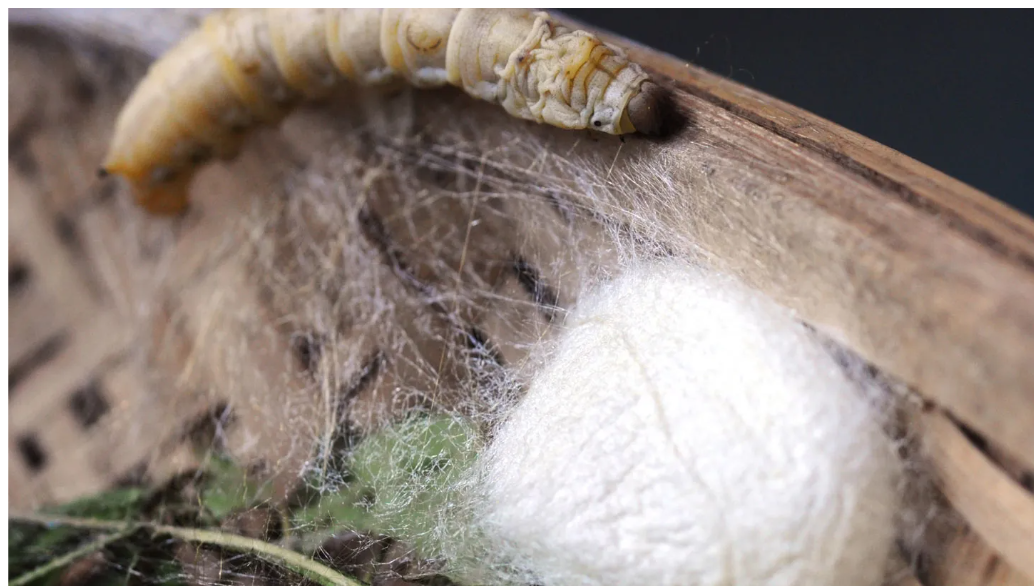
Genetically modified silkworms produced pure spider silk
 Genetically modified silkworms produced pure spider silk

        Researchers from China have successfully used CRISPR/Cas9 gene-editing to modify silkworms to produce spider silk, a material known for its strength and toughness. This breakthrough spider silk, while not as strong or stretchy as natural spider silk, is significantly tougher than Kevlar and could have applications in medical sutures and bulletproof vests. However, challenges remain in mass production, including ensuring the genetic modifications are stable over generations and maintaining the health of the silkworms, which are vulnerable to infection and produce varying quality silk. The second article confirms that the silk of spiders is composed of thousands of nanostrands, each only 20 millionths of a millimeter in diameter, which could lead to advances in creating new materials for medical (such as sutures) and engineering applications.
This article is a remarkable example of how genetic engineering can create materials with enhanced properties for practical applications. The fact that this modified silk is tougher than Kevlar yet potentially suitable for medical use like sutures demonstrates the versatility and potential of biologically engineered materials. However, the challenges in mass production and ensuring consistent quality due to silkworm vulnerability highlight the complexities involved in mass producing spider silk. Modifying the genetic structure of silkworms may result in unexpected health problems or distress since their bodies are not inherently adapted to create such material. In addition, it’s important to remember that silkworms are living organisms and while technologicalmass-producing advancements are important, we should remember the consequences of turning these organisms into such biofactories.


https://www.sciencenews.org/article/first-genetically-modified-silkworms-spider-silk

https://www.science.org/content/article/spider-silk-five-times-stronger-steel-now-scientists-know-why

Friday, November 18, 2022

Fluorescent Mouse Blood Helping to Find Brain Diseases

Albumin Protein


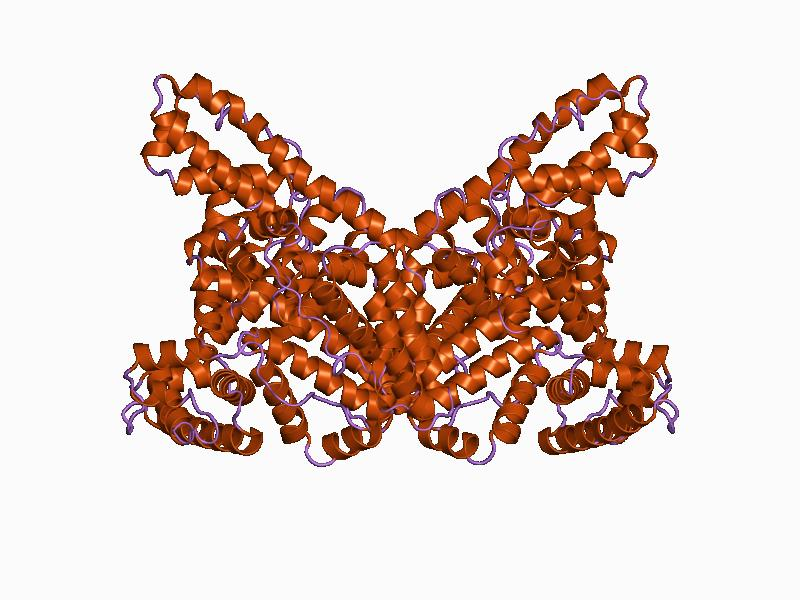
Scientists conducting a study with mice at the University of Copenhagen have discovered a way to make the mice's blood fluorescent so that it can be seen as it moves through the body and brain. The process works with a protein produced in the liver called albumin. The researchers took a gene on a fluorescent protein and attached it to a gene of albumin. The modified albumin is then inserted into a genetically modified virus and the virus is injected into a mouse's tail, which has large blood vessels. The virus causes the mice no harm but enters the liver and tricks it into making the modified albumin which makes the blood fluoresce. As the blood moves throughout the body and goes into places like the brain, the flow of blood can be studied and analyzed to find out more about diseases like Alzheimer's, depression, and even strokes. 

The new fluorescent blood method is a game changer for these types of studies because it lasts in the animal for months. Before this method, the main way to highlight blood and trace its flow was by chemical dyes and this lasted for only hours. Now blood can be traced over much longer periods of time and be used to trace long-term disease progression. The method is also being applauded by advocates for the ethical use of animals in research. The method is less painful and stressful for mice since it only requires one injection whereas the dye method required many reinjections since the dye disappeared over a few hours and had to be reinserted. 

I think this was very fascinating research and really showed how advancements in genetics have allowed for this great new type of technology to be developed. This new method of using fluorescent blood is a revolutionary development and I believe will be very helpful to researchers and tracing blood flow for years to come. Being less stressful for lab animals is another plus of this study and I feel is another important advantage of this new method. 

Friday, November 23, 2018

RNA Therapy on Preeclampsia


Multiple complications can occur during pregnancy. One rare and risky complication is preeclampsia, which occurs when the placenta releases too much protein into a woman’s bloodstream resulting in high blood pressure. If untreated, it can cause death for mothers and their unborn fetus. Luckily scientist begun working on a way to prevent preeclampsia.

RNA silencing is a technique that has been proven to work on monkeys. It’s purpose is to turn off deleterious genes. Developing this technique required animal testing. A team of scientists injected preeclampsia into baboons causing them to produce more of the FLT protein. They then injected them with the RNA therapy. Afterwards they found that injected baboons produced less FLT in the placenta and had lower blood pressure. But their babies were born smaller than average. More research is needed to identify the proper dosage. Now another team are working on testing this same technique but on mice and are targeting a different protein.

While this isn’t an approved therapy on humans, it does offer some benefits. The injection is programmed to avoid the placenta area since it only targets the FLT protein. Also it takes just one injection for the treatment to work. This is beneficial for woman who do not have an easy and accessible route to medical providers.

I believe this is a promising beginning to treating preeclampsia and similar complications. The avenue of targeting specific genes is a practical method in avoiding targeting normal and non infected genes. As scientists begin to solidify their techniques on targeting the FLT protein than constructing a therapy for other genes can be done as well that also avoid the placenta subsequently saving many lives.

Links: