Showing posts with label Genetic Engineering and Biodiversity. Show all posts

Sunday, November 26, 2023

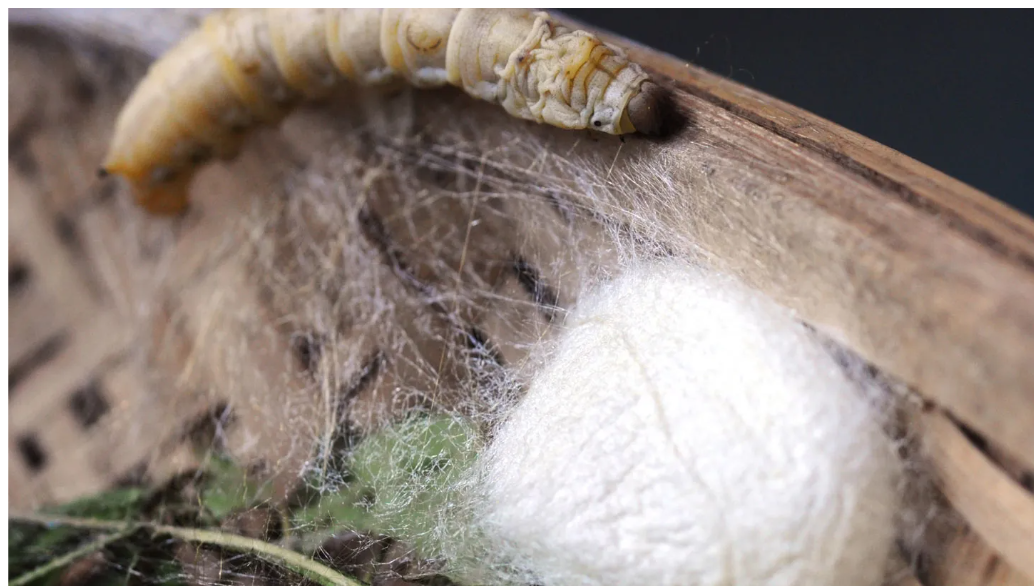
Genetically modified silkworms produced pure spider silk
 Genetically modified silkworms produced pure spider silk

        Researchers from China have successfully used CRISPR/Cas9 gene-editing to modify silkworms to produce spider silk, a material known for its strength and toughness. This breakthrough spider silk, while not as strong or stretchy as natural spider silk, is significantly tougher than Kevlar and could have applications in medical sutures and bulletproof vests. However, challenges remain in mass production, including ensuring the genetic modifications are stable over generations and maintaining the health of the silkworms, which are vulnerable to infection and produce varying quality silk. The second article confirms that the silk of spiders is composed of thousands of nanostrands, each only 20 millionths of a millimeter in diameter, which could lead to advances in creating new materials for medical (such as sutures) and engineering applications.
This article is a remarkable example of how genetic engineering can create materials with enhanced properties for practical applications. The fact that this modified silk is tougher than Kevlar yet potentially suitable for medical use like sutures demonstrates the versatility and potential of biologically engineered materials. However, the challenges in mass production and ensuring consistent quality due to silkworm vulnerability highlight the complexities involved in mass producing spider silk. Modifying the genetic structure of silkworms may result in unexpected health problems or distress since their bodies are not inherently adapted to create such material. In addition, it’s important to remember that silkworms are living organisms and while technologicalmass-producing advancements are important, we should remember the consequences of turning these organisms into such biofactories.


https://www.sciencenews.org/article/first-genetically-modified-silkworms-spider-silk

https://www.science.org/content/article/spider-silk-five-times-stronger-steel-now-scientists-know-why

Wednesday, April 20, 2016

Genetic Engineering and the Biodiversity


    Biotechnology have taken a remarkable turn which could potentially change our biodiversity. Bio-technologists have already genetically engineered mosquitoes that could help stop the spread of Zika virus. To wipe out offending insects, another team of scientists have found a way called gene drive to spread sterility through the mosquito population. If administrators approve this genetic engineering, then this technique would become a powerful method to prevent harmful disease that are spread through mosquitoes. Despite all this benefit, it could help maintain the earth’s biodiversity. For example, mosquitoes in Hawaii are spreading a virus that is killing the bird populations. However, this spread of virus can be terminated without spraying toxic pesticides. Genetically engineered male mosquitoes that have the gene for sterile will do the job. Altered gene in their salivary glands cannot spread the harmful disease. Also, scientists are capable of producing genetically modified insects that are designed to die. These mosquitoes will mate with the female and their offspring will die before reaching adulthood; thus, minimizing the insects population that spreads the virus. Similar to sterile mosquitoes, sterile rats can be produced to help decrease the diseases that are being spread by rats.
    I think this article has some interesting information that shows how advanced the biotechnology has become. It also portrays that advanced genomic tools have the potential to restore the lost genetic diversity. Genetic engineering could shrink the threatening populations and help the endangered species so that they are better adapted to the environmental change or defend against potentially devastating pathogens.