Showing posts with label cannabis. Show all posts

Tuesday, October 21, 2025

Genetic Link to Cannabinoid Hyperemesis Syndrome?


    This article is about the largest-ever study on Cannabinoid Hyperemesis Syndrome (CHS), that condition where long-term, heavy cannabis users get stuck in a cycle of terrible nausea, vomiting, and obsessive hot bathing. Researchers started with an online survey and ended up comparing the genes of 28 people with CHS to 12 heavy cannabis users who didn't have symptoms. The major discovery was that the people with CHS were much more likely to have specific genetic mutations. These genes are involved in how the body handles dopamine, breaks down THC, and regulates heat and pain. The study suggests that CHS isn't just random bad luck, but might happen to people who have a genetic predisposition that gets "switched on" by heavy cannabis use. The main reservation in the research was that people were hesitant to send in DNA kits, so the final group was smaller than hoped, with only 28 out of 99 people being genetically sampled.

   This research is significant because it finally gives us a biological clue about why only some heavy cannabis users develop CHS. Finding these genetic links makes sense of these interesting symptoms, and why standard nausea meds often fail, and why hot showers are the only thing that helps those with CHS, it’s likely tied to those specific dopamine and heat-sensing pathways in their genes. That said, you have to take these exciting new results with a grain of salt because the study group was so limited. The fact that many potential participants were wary of sending their DNA shows how tricky this kind of research can be, and I do not blame them for being hesitant. While these findings are a fantastic starting point that could eventually lead to better diagnoses and treatments, they're more of a "first clue" than a final answer. We'll need much bigger studies to confirm that these genetic flags are the real deal.


References: 

1. Russo, Ethan B., et al. “Cannabinoid Hyperemesis Syndrome Survey and Genomic Investigation.” Cannabis and Cannabinoid Research, vol. 7, no. 3, July 2021, https://doi.org/10.1089/can.2021.0046.

2. “Cannabinoid Hyperemesis Syndrome | Cedars-Sinai.” Cedars-Sinai.org, 2019, www.cedars-sinai.org/health-library/diseases-and-conditions/c/cannabinoid-hyperemesis-syndrome.html.






Sunday, November 26, 2023

GWAS Shows Correlation of Cannabis Use Disorder with Lung Cancer

 The Genetic Basis of Cannabis Use Disorder and Lung Cancer

    A recent GWAS from Nature shows a correlation between lung cancer susceptibility and cannabis use disorder. This study was a meta-analysis between nearly 1 million individuals of European, African, mixed American, and East Asian ancestries and it examined single nucleotide polymorphism (SNP) heritability. Using this data, the researchers found that 22 loci were associated with the susceptibility of lung cancer, but in each group, the expression of the SNPs was different. For instance, the East Asian sample group's SNPs were intronic to the semaphorin 6D-encoding gene, whereas the American group was an intergenic region downstream of leucine-rich repeats containing the semaphorin 6D-encoding gene. They used a comparative analysis of psychiatric symptoms and found many overlapping associations between cannabis use disorder and the likelihood of developing lung cancer. This association comes from a likelihood of becoming a smoker and resorting to cigarettes, which would most likely, in turn, result in a greater risk for lung cancer in those populations.

    I found this study to be very interesting and it definitely shines some light on the addictive manner of cannabis and cannabis-containing products. The biological mechanism of cannabis and the cannabinoids involved are still not fully known, which I think is a long-term danger in regards to smoking/consuming cannabis products. Furthermore, those with cannabis use disorder being at a greater likelihood for developing lung cancer is scary to think about and could considerably be an element of medicine/psychiatry to dig deeper to in the meantime. Nevertheless, going forward I think we should be more conscientious of what we are breathing in and consuming, because with lung cancer being the top cause of death, that should be enough to scare us into treating our bodies better. 

Links:

1. https://www.nature.com/articles/s41588-023-01563-z 

2. https://www.news-medical.net/news/20231123/Genome-study-unveils-genetic-ties-between-cannabis-use-disorder-and-lung-cancer-risk.aspx 

Wednesday, November 22, 2023

Possible Link of Epigenetic Changes to Cannabis Use


Cannabis is known to be linked to health problems, but in a recent study could give more insight to the epigenetics. In humans methylation of the DNA occurs, where methyl groups are attached to the DNA. This results in a change in gene expression without changing the genetic makeup. The use of cannabis has been known to contribute to the aging process by methylation. A study was conducted to determine if there was a linkage between specific epigenetic factors with the use of cannabis. The 1000 participants of the study notified their use over time and provided blood samples. The blood samples were taken after 15 years of using cannabis and after 20 years. The study observed the blood samples that were five years apart and see the DNA methylation levels. The study doesn't prove that cannabis is the direct cause of health issues but it could associate cannabis as a contributor to cell proliferation, infection and psychiatric disorders. Although the research has brought more insight into the long-term effects of cannabis use.

Researching the epigenetics of cannabis could help prevent severe health issues. This study could be continued and be used to observe the methylation of the DNA. If there are consistent patterns where the methyl group is attached, then that information can be used to help mitigate the health problems. The study could also be used to see if there are certain groups that are more at risk for the epigenetic changes due to cannabis. 

Sources:

Science Alert

SciTechDaily

Cannabis: Who's More Susceptible to Health Risks?

 Over the past few decades, Cannabis has not only been legalized medically in certain places in the U.S. and other countries but also for recreational use as well. As shown in the article, it can alleviate the negative effects of certain conditions (such as chronic pain and cancer). Even with the benefits associated with the drug, there are also risks that come with taking it as well. This consists of increased risks of mental disorders and cancer (specifically lung cancer). According to a new study, people with certain genes will have an increased likelihood of becoming addicted to cannabis (One-third of users become addicted) along with the health risks stated previously. 

  Cannabis is a drug that's important to many people throughout the world with, for some, it being a major part of their lives. Yet, I never knew about the actual risks that the drug that could come with the use of this drug for certain people. It seemed obvious that lung cancer would be a possible risk but I didn't think the same for mental disorders. As stated by Joel Gelernter (co-author of the study) in the article, researchers will need to continue building on top of this data to understand the risks better. One day, there will be a way to determine who is best suited to be prescribed cannabis.

Links

-      https://www.nature.com/articles/d41586-023-03629-8

-      https://www.nature.com/articles/s41588-023-01563-z

Friday, December 9, 2022

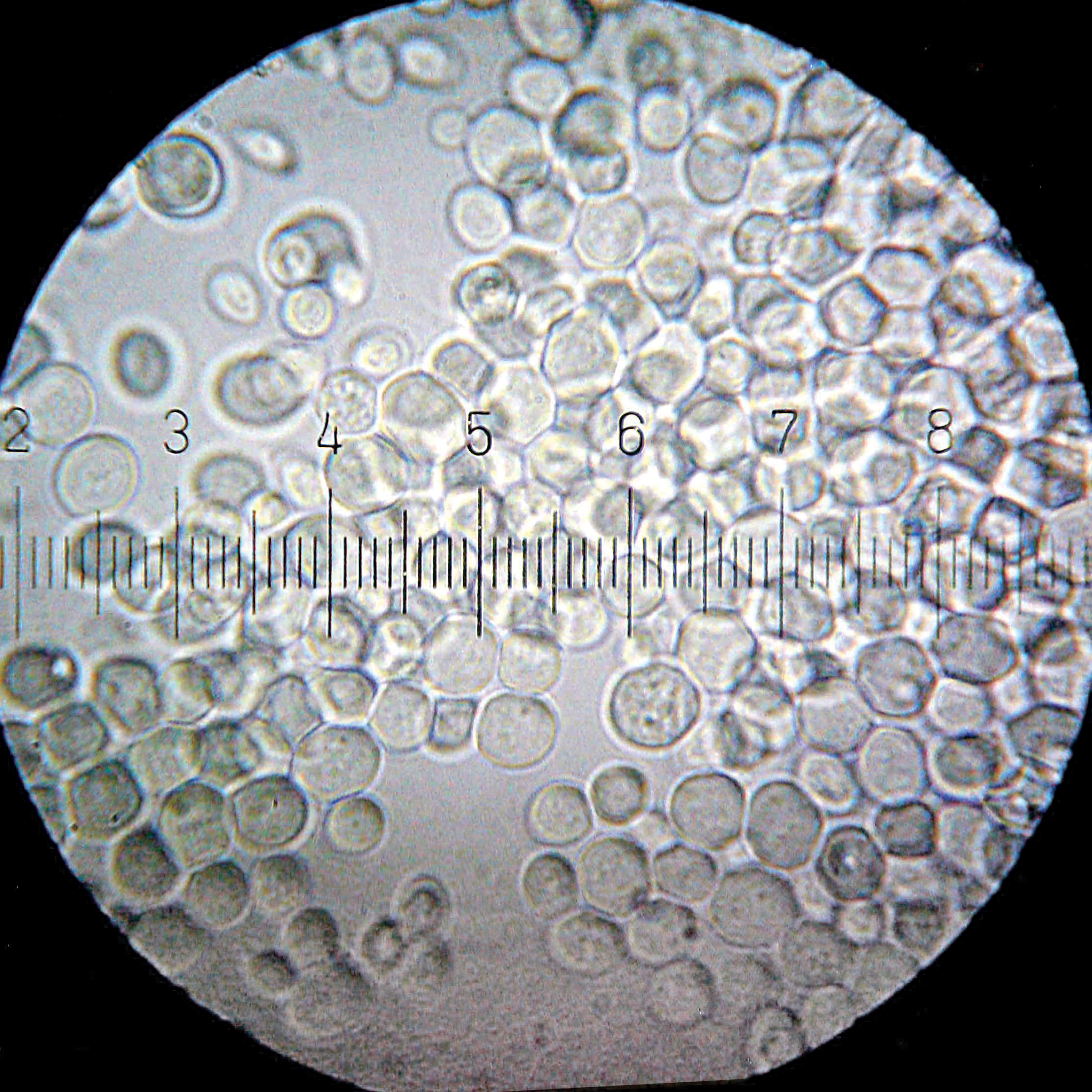
Scientists modify yeast cells and turn it into a cannabis tracker

 Researchers at the University of Copenhagen have modified a baker's yeast cell and replaced it with a sex drive that causes the cell to turn red when it detects cannabis. This modification can detect not only cannabis, but molecules with similar functions to cannabinoids. Humans use GCPRs (G-Protein Coupled Receptors in order to taste and smell. The researchers of this study used these same receptors in order to create the signal. 

In a singe day of testing this receptor, researchers found four new substances that had not been discovered, but could potentially be used for anti inflammatory purposes or pain relief. 

I am interested to see how this study develops, it seems like the sensor detects so many different substances that it might not be useful for testing for cannabinoids, but I think it could potentially help detect alternate uses in different substances. 

https://www.sciencedaily.com/releases/2022/12/221208114816.htm


Wednesday, December 1, 2021

Cannabis Use During Pregnancy and DNA Methylation of the DRD4 Gene in a Fetus


Pregnant women are cautioned to avoid drugs and alcohol during and after the birth of their child as a way to avoid manifesting disorders related to fetal development. The epigenetics of a fetus's dopamine levels are one of the many behavioral changes that affect the genes of a child in the uterus.  Cannabis sativa, otherwise known as cannabis, is a psycoactive drug that derives from a plant that is often smoked or inhaled for the relaxing effects and medicinal properties it offers. While smoking cannabis causes an increase in dopamine levels in adults, it has been questioned as the link that alters the patterns of DNA methylation of a baby in utero of pregnant women who smoke it, similar to the relationship between methylation and mothers who smoke tobacco. DNA methylation is a process that modifies DNA to protect it from being destroyed. It regulates gene expression  by inhibiting or binding the proteins involved in gene repression.  A study of 57 pregnant women who use drugs, 44 who used cannabis, was conducted to observe the changes of THE DRD4 gene of a fetus at 8 weeks of pregnancy. The dopamine receptor gene DRD4  is a protein coding gene that regulates dopamine levels and behaviors related to said dopamine levels. A SEQUENOM MassARRAY was used to measure the DNA methylation of the DRD4 gene in mothers who smoked cannabis to understand how cannabis affected the gene. The CpG sites of DNA that were tested and observed in the DRD4 gene confirmed the link between cannabis use and increased DNA methylation, but with other drugs such as tobacco, it was the complete opposite. Due to these results, there was very weak evidence as to whether or not cannabis alone fully altered the DNA methylation of the DRD4 gene in an offspring.

https://pubmed.ncbi.nlm.nih.gov/28448718/


Monday, July 19, 2021

Whole-Genome Resequencing Reveals Origination of the Cannabis Plant in China


    A recent study was conducted at the University of Lausanne in Switzerland in order to determine the domestication history and cultivation origin of Cannabis sativa. This study added 82 further genomes to the 28 that had already been sequenced of the cannabis plant, making this the largest ever whole genome study. The resequencing of genomes unravels the previously unknown history of the cannabis plant, showing its roots in current northwest China. Cannabis was most likely first domesticated in the Neolithic Era around 12,000 years ago, and since then has spread around the world. 

    This study characterized the genetic relationships between Cannabis accessions using ML phylogeny, and the results showed a clustering into four separate groups. Each of the clusters found complete consistency with one another, showing that all current hemp and drug cultivars resulted from an ancestral gene pool represented by feral plants in China. Cannabis plants that originate in Central Asia are the “hemp” type, meaning they are tall, unbranched, and they produce fibers used for ropes and textiles. The original domestication and cultivation of Cannabis plants in the Neolithic Era around 12,000 years ago is affirmed by archaeological evidence of ancient cannabis seeds in pottery in China, Taiwan, and Japan. Overall, this study of whole-genome resequencing revealed the origination of Cannabis sativa in modern day northwest China.


Link to Study: https://advances.sciencemag.org/content/7/29/eabg2286

Link to Article: https://www.livescience.com/cannabis-origins-largest-genetic-study.html


Thursday, April 15, 2021

Genetic Predisposition to Schizophrenia May Increase Risk to Psychosis from Cannabis use


    According to Translational Psychiatry, researched showed that people with genetic predisposition to schizophrenia had higher rates of psychotic experiences compared to general cannabis users. The researched showed that “the true influence of genetics on the cannabis-psychosis relationship may be even greater than what we found here.” The study was done on general cannabis user and participants with the highest genetic risk scores for schizophrenia. For people who used cannabis before, about fifty percent reported psychotic experiences. For the participants who had the highest genetic risk scores for schizophrenia, sixty percent of them showed psychotic experiences. Overall, researchers are still trying to gain a deeper understanding about the connection between cannabis and psychosis. The findings of this research will help make more informed decisions about drug use.


Articles:

https://neurosciencenews.com/cannabis-psychosis-schizophrenia-18235/

https://www.nature.com/articles/s41398-021-01330-w

Wednesday, March 11, 2015

The Happy Gene Decreases Likelyhood of Cannabis Use


According to a recent article posted in The New York Times, clinicians have been studying the causes of anxiety for decades. Psychologists still question why some patients experience anxiety when danger and stress isnt present. Recently, neuroscientists have found that a genetic variation in the brain may cause higher levels of anandamide, which leads to a decrease in anxiety. Approximately twenty percent of adults have this mutation.
Those who have this variation are less likely to become addicted to marijuana and, possibly, other drugs because they don’t need the calming effects that marijuana provides. The problem with cannabis is it swamps and overpowers the brain’s cannabinoid system, and there is evidence that chronic use may not just relieve anxiety but interfere with learning and memory.
This article was worth reading, it included an experiment where 2100 healthy volunteers were studied found that people with two copies of the mutant gene had roughly half the rate 11 percent of cannabis dependence than those with one or no mutant gene 26 percent. The author goes on to suggest that we need to find a drug that increases anandamide for those who genetically are at a disadvantage.

Thursday, February 14, 2013

Cannaboids the legal way; exercise!

David Raichlen, an anthropologist at the University of Arizona, suggests that after many years of evolution, our brains have encouraged us humans to perform high-aerobic activities, such as long distance running (Link). These activities are found to enduce a "runners high", or cannaboid chemicals in our brain.

This may explain our inherent instinct to run after animals; not only for the prize of meat, but also for the prize of this paleolithic cannaboid high, which is produced from aerobic activity. He tested his theory with various other animals and published it in The Journal of Experimental Biology; although it was not conclusive due to not enough animal testing, it may be promising in the future to understand evolutionarily how we as humans were encouraged to hunt.

Sunday, November 27, 2011

High on Genetics


The genome of Cannabis sativa, a plant used to produce two kinds of crops, hemp and marijuana was recently sequenced by a group of Canadian researchers. According to the article, the genome results reveal the specific genes in the plant that either give the plant its drug-producing properties or distinguish it from the none drug-producing plant that is used for seeds and fibre. According to the study, a simple genetic switch of the production of THCA, or tetrahydrocannabinolic acid is responsible for giving the plant it’s active ingredient to produce drugs. The THCA synthase gene is turned on to produce the plant with drug capabilities, but turned off to produce the non-drug plant used for hemp. The research shows that since the plant that produces hemp lacks THCA, it does contain CBDA or cannabidiolic acid. The production of the acid is possible because of the loss of an enzyme that would have been used for production of THCA. The reason that this plant can be used for two different and separate uses is because over almost 2700 years, this plant has been domesticated and grown by farmers who’ve used selective breeding giving this plant the ability to grow in the two distinct strains. This research is useful because it is the first genome of a medicinal plant. This helps better understand plants that can be used for medicinal purposes as well as the production of hemp and hemp oil, which is an essential fatty acid. The original research for this article can be found through PubMed.