Showing posts with label Baker's yeast. Show all posts

Friday, December 9, 2022

Scientists modify yeast cells and turn it into a cannabis tracker

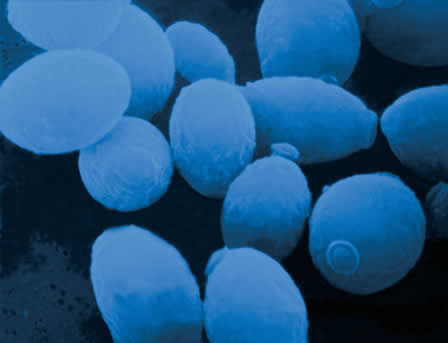
 Researchers at the University of Copenhagen have modified a baker's yeast cell and replaced it with a sex drive that causes the cell to turn red when it detects cannabis. This modification can detect not only cannabis, but molecules with similar functions to cannabinoids. Humans use GCPRs (G-Protein Coupled Receptors in order to taste and smell. The researchers of this study used these same receptors in order to create the signal. 

In a singe day of testing this receptor, researchers found four new substances that had not been discovered, but could potentially be used for anti inflammatory purposes or pain relief. 

I am interested to see how this study develops, it seems like the sensor detects so many different substances that it might not be useful for testing for cannabinoids, but I think it could potentially help detect alternate uses in different substances. 

https://www.sciencedaily.com/releases/2022/12/221208114816.htm


Tuesday, April 18, 2017

First Synthetic Genome

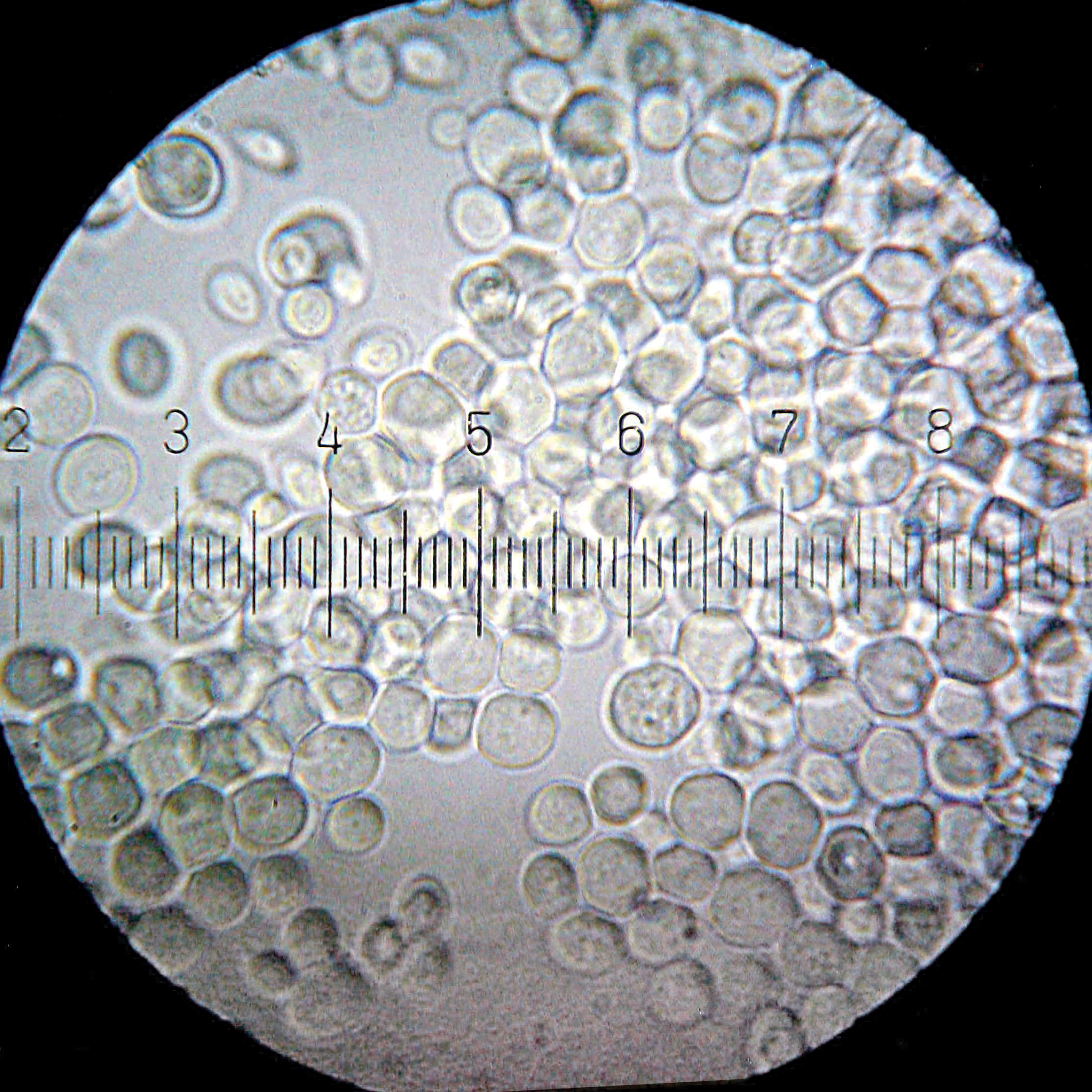
          Researchers are coming very close to finishing the first fully synthetic genome. Nearly 3 years after the team revealed the first "designer chromosome" they now have 6 of the 16 chromosomes they need to complete the genome of baker's yeast. Theses chromosomes are not an exact copy but a cut-up and stitched together assembly of the coding portions of the known Saccharomyces cerevisiae genome. According to the Discover article the resulting genome "has roughly 1 million nucleotide-level differences from the natural version."


          The project will hopefully yield a single functioning yeast cell containing a fully synthetic set of chromosomes. If this end result is achieved it will give us insight into aspects of the genome of Baker's yeast and even our own. We may be able to identify the role of non-coding regions since for the most part they are being removed in this project. If nothing else, as the author stated, this is an important step in the field of synthetic biology.