Researchers led by Dr. Craig Venter of the J Craig Venter Institute have successfully developed the
first living cell that is entirely controlled by synthetic DNA. This team of researchers created a synthetic genome and placed it inside of a recipient cell. The recipient cell then took on the look and behavior of the type of cell that the synthetic genome was patterned after. The cell even underwent replication and made over a billion copies all of which were controlled by the synthetic genome. This is the first time that synthetic DNA completely controlled a cell.

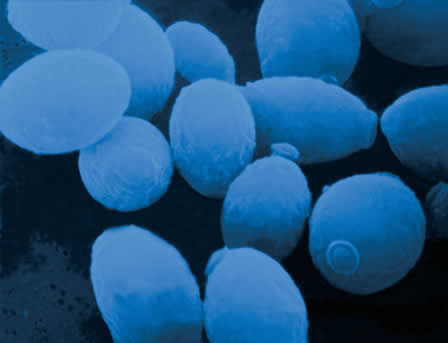
The synthetic cell looks identical to the 'wild type'.
Dr. Venter and his team have hopes of designing new bacteria that will complete different useful functions. Dr. Venter believes they could even help lessen the need for oil and reverse some of the environmental damage by capturing carbon dioxide. They are in collaboration with pharmaceutical and fuel companies to try to design and create synthetic genomes that could help to make vaccines and fuels that could possibly be used. However, there are those that say that these benefits are exaggerated. There are also risks associated with this type of science most of which are unknown. These would be entirely new organisms that upon being released into the environment could affect it dramatically, in ways that were never originally predicted. One of the potential dangers that can arise from this type of work is bioweapons. Various militaries or terrorist organizations could eventually utilize this technology to create extremely dangerous or powerful weapons that could do extreme harm in the wrong hands. As far as right now these dangers are not present, but with the development of this technology they are possible.
I believe that this technology could be very useful, especially if the technology can reach the potential that Dr. Venter has suggested. However, this does need serious
regulation as the risks associated with this are very real with bioweapons. If the proper regulations can be put into place and enforced many good things could come from this.