Showing posts with label #inbreeding. Show all posts

Friday, December 6, 2024

Y Chromosome Analysis of Horses


Scientists are attempting to trace the paternal line in horses by using the Y chromosome. The Y chromosome has always been difficult to study since it contains many repeating sections and palindromes. Since computer technology has made it easier to analyze it, a worldwide collection of horse DNA samples were able to be analyzed, and the ancestries of these horses were able to be traced. Horse and human history are closely linked, and humans have used stallion mediated breeding with horses due to the fact that it is easier to trace a stallion’s fertility than a mare’s. Pedigrees are used to trace horse ancestry today, but since they are done manually then only go back a few generations. With the Y chromosome analysis, however, they are able to go back many generations and examine evolutionary lineages within the horse’s paternal ancestry. This will allow horse breeders to better prevent inbreeding and maintain genetic diversity.

In my opinion, this is a very useful and unique effort. Mapping the Y chromosomes of a variety of horses in order to examine their evolutionary development and lineages on their paternal side proved to be extraordinarily beneficial. By gaining the ability to trace the genetics of horses across multiple generations, we can better keep record of particular lineages and ensure that horses with similar lineages do not breed together in order to prevent genetic defects. We can work to better conserve and enhance genetic diversity within horses. We are also able to better analyze breeding influences over time and how they connect with human history as well.


Thursday, April 4, 2024

Genetic Study Unveils Critical Conservation Needs for Endangered Rusty-Patched Bumblebee


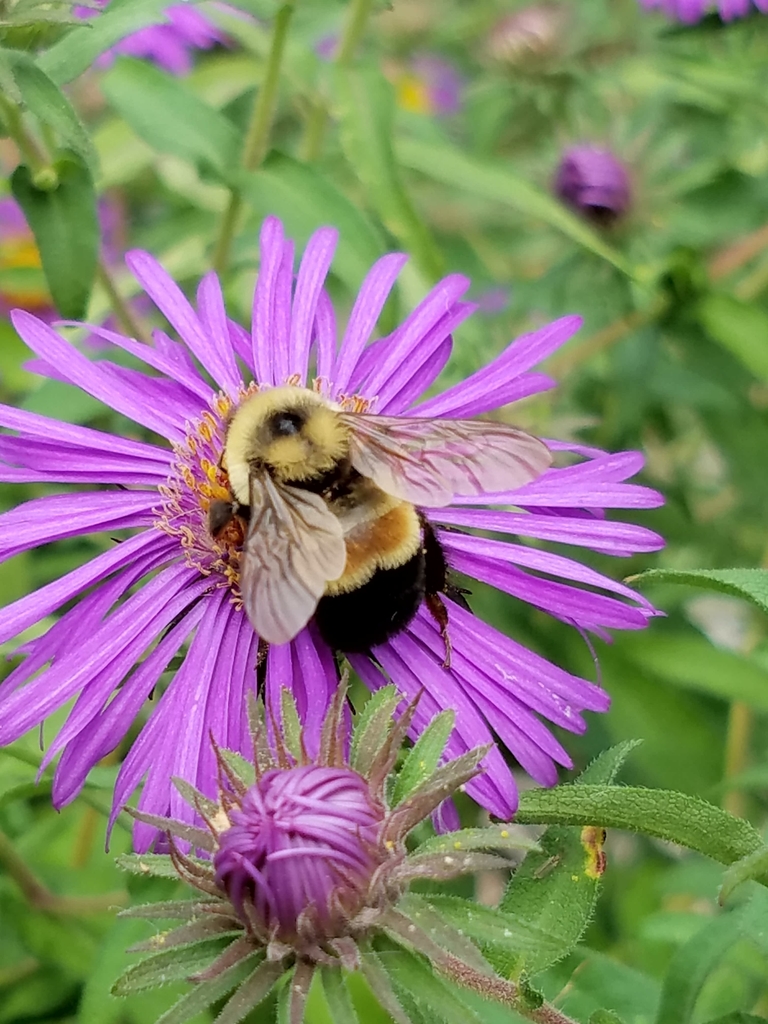
Researchers, led by Colorado State University, conducted the first range-wide genetic study of the endangered rusty-patched bumblebee, published in the Journal of Insect Science. This species, the first bee in the U.S. to be listed as endangered in 2017, has experienced a rapid decline since the late 1990s due to pesticides, pathogens, habitat loss, and climate change. The study revealed that even in areas where these bees are still found, populations are small and suffer from high rates of inbreeding, which poses a serious threat to their long-term survival. Inbreeding results in diploid males, which lack genetic diversity and are a sign of a population's impending collapse.

The research identified three genetically distinct populations of the rusty-patched bumblebee across the upper Midwest, central Midwest, and Appalachians. This differentiation is crucial for conservation efforts, indicating that recovery strategies need to be tailored to each population's genetic makeup to ensure their survival upon reintroduction into the wild.

What stands out for me is the severity of the challenges these bees face, not just from external threats like habitat loss and pesticides, but also from internal threats like genetic inbreeding. The latter is particularly concerning because it indicates a diminishing capacity for the species to adapt and survive in the long term. 

Monday, December 4, 2023

Inbreeding in Animals

According to ScienceDirect, inbreeding is defined as the probability of two alleles in an individual being identical by descent, and it is normally the result of mating related individuals. The second edition of Encyclopedia of Biodiversity defines inbreeding as mating between individuals that are related by ancestry and is more likely in populations that are, or have been, small. Inbreeding depression, on the other hand is defined by PNAS as the decrease in fitness with increased genome-wide homozygosity that occurs in the offspring of related parents.


In most species that are threatened, inbreeding remains a major concern and the reality is that the driver of evolution of mating systems in these species may be the avoidance of inbreeding. Yet, the individual inbreeding coefficients in populations is challenging and this still makes the overall effect on inbreeding to be unclear. 

Inbreeding has a number of disadvantages especially a reduced efficiency in reduction which may be characterized by an increase in mortality rates, poor growth rates and a higher rate of hereditary abnormalities. Study to prove this has been carried out using cattle, sheep, horses, swine and other lab animals.


Sources

Science Direct "Genetic and brood stock management of Coho salmon." https://www.sciencedirect.com/topics/biochemistry-genetics-and-molecular-biology/inbreeding

PNAS "Inbreeding depression across the lifespan in a wild mammal population." https://www.pnas.org/doi/10.1073/pnas.1518046113#:~:text=Inbreeding%20depression%20is%20the%20decrease,the%20offspring%20of%20related%20parents.

Extension University of Missouri "Inbreeding: Its meaning, uses and effects on farm animals." https://extension.missouri.edu/publications/g2911#:~:text=The%20most%20obvious%20effects%20of,sheep%2C%20swine%20and%20laboratory%20animals.

Monday, November 7, 2022

The devil's Hole pupfish is one of the most inbred animals known

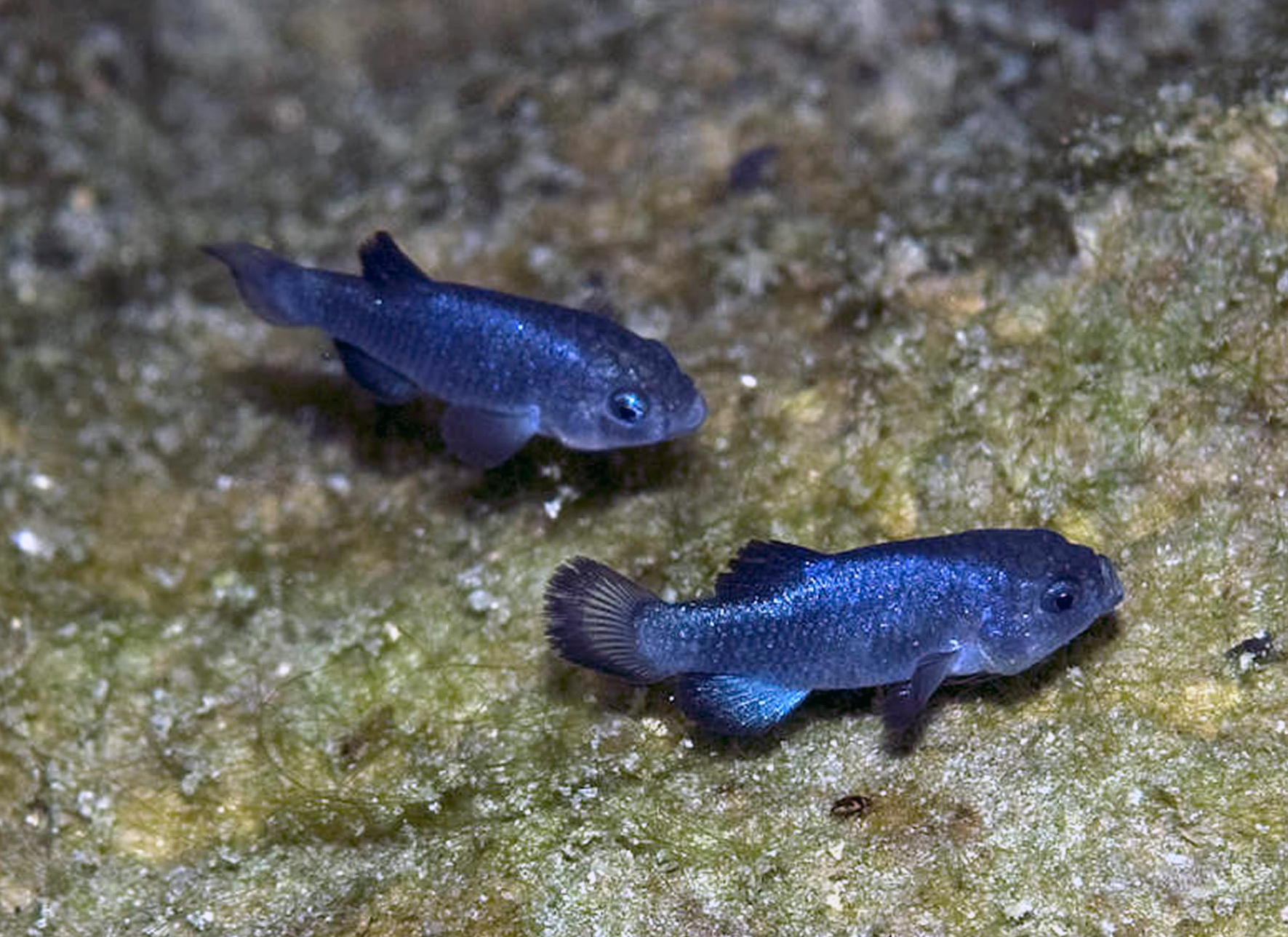
 The Devil's Hole Pupfish is an endangered species native to North America. The entire population of 263 fish live in the same cave in Nevada. Researches from the University of California- Berkeley, while studying a sample of Pupfish, including 8 Devil's Hole Pupfish, have determined that the Devil's Hole Pupfish is so inbred that 58% of genes in the 8 pupfish that were studied are entirely identical. Since high levels of inbreeding lead to lower biological fitness, it is assumed this is one of the reasons that the species is endangered. In addition to this, researches have found that 15 genes have disappeared entirely from the genome. 

Of course, some of these issues can also be due to the fact that this particular pupfish lives in 93 degree water, with low oxygen and a very low supply of food. Some of the genes seem to have been deleted due to this, and it can also be why they are endangered. I would love to see the results of the gene overlap in a larger sample of Devil's Hole Pupfish in the future. 


Thursday, April 14, 2022

Most Dog Breeds Highly Inbred

 Most Dog Breeds Are Really Inbred | Smart News| Smithsonian Magazine

    It seems as if there are more dogs who are showing up with health problems to the veterinary. Many individuals have also seen the trend of dogs health diminishing. Fortunately scientists have seen the concern and have done some studies on a dogs health. 

A recent study has shown DNA samples from nearly 50,000 dogs of over 200 different breeds. The study has found on average dogs have showed about 25% inbreeding. That is the equivalent of your parents being brother and sister or parent and child. The study involves data from pet insurance and dog genetics companies. Pet insurance and dog genetics companies were used in the study to compare a dog's health and the death rate of different dog breeds. The pet insurance data was used from Sweden. 

    The study wanted to compare more than just inbreeding, the study also measured the "identify a relationship between body size, body morphology, inbreeding and health in dogs." (Bannasch et al. 2021). Overall the study was very informative as to the health of dogs breeds. Showing inbreeding can cause some kind of health problem for a dog was very interesting to read. For another article similar to this one, please click here. 

Monday, November 4, 2019

Puma Inbreeding

Pumas can be found all over the United States, as well as South America. Recently the entire genome has been sequenced revealing that the species is highly inbred. Starting in South America, pumas migrated to North America about 300,000 years ago. With analysis of their DNA, there were markers for inbreeding that is most likely to be caused by the wide area these animals are found, coupled with decreasing land to live with human interference. As the land shrunk, populations grew smaller and more sparred, and more isolated leaving the cats to reproduce with a limited gene pool. With this news scientists have tried to diversify the populations by moving individuals into other groups of pumas, but this has unfortunately not shown much improvement.


https://www.the-scientist.com/image-of-the-day/image-of-the-day--puma-genome-sequencing-66604
related link: https://www.google.com/amp/s/phys.org/news/2019-10-genome-sequencing-pumas-inbreeding.amp

Sunday, April 7, 2019

Killer Whale Genetics Raise Inbreeding Questions

The NOAA Fisheries Northwest Fisheries Science Center have discovered that only about 26-76 whales in the Southern Resident population are breeding. Scientists are concerned since this endangered species is compromising their survival rate with inbreeding. Inbreeding will cause this species to be less resistant to change and will eventually cause their numbers to decrease even more. This study has also found that their inbreeding could explain why many Southern Resident calves die at birth. Usually different species of whales maintain their diversity when they join other family groups. However, the Southern Resident population does not follow this pattern. When whales of this species are born, they stay with their mothers and families for the rest of their lives. After analysis, scientists have found that two males have fathered over half of their population since 1990. Scientists are still trying to figure out why this species has a higher rate of inbreeding so that they can try to start to expose the whales to new mates.
It is extremely disappointing to see a species compromise their own survival rate and possibly increase their chances of extinction. Whales are not very easy to manipulate and the ocean is not the easiest place to work with. Most biology students understand the severe consequences of inbreeding and this species is already experiencing some of them. Some scientists believe that if they are able to increase the salmon population, the whales will feel more comfortable to leave their original family groups and mate with other whales. I understand how this strategy may work, but I personally believe that we cannot change this species's natural tendency to stay with their own family groups. I do not think that we will be able to change their environment so much that we would be able to change their natural behavior.