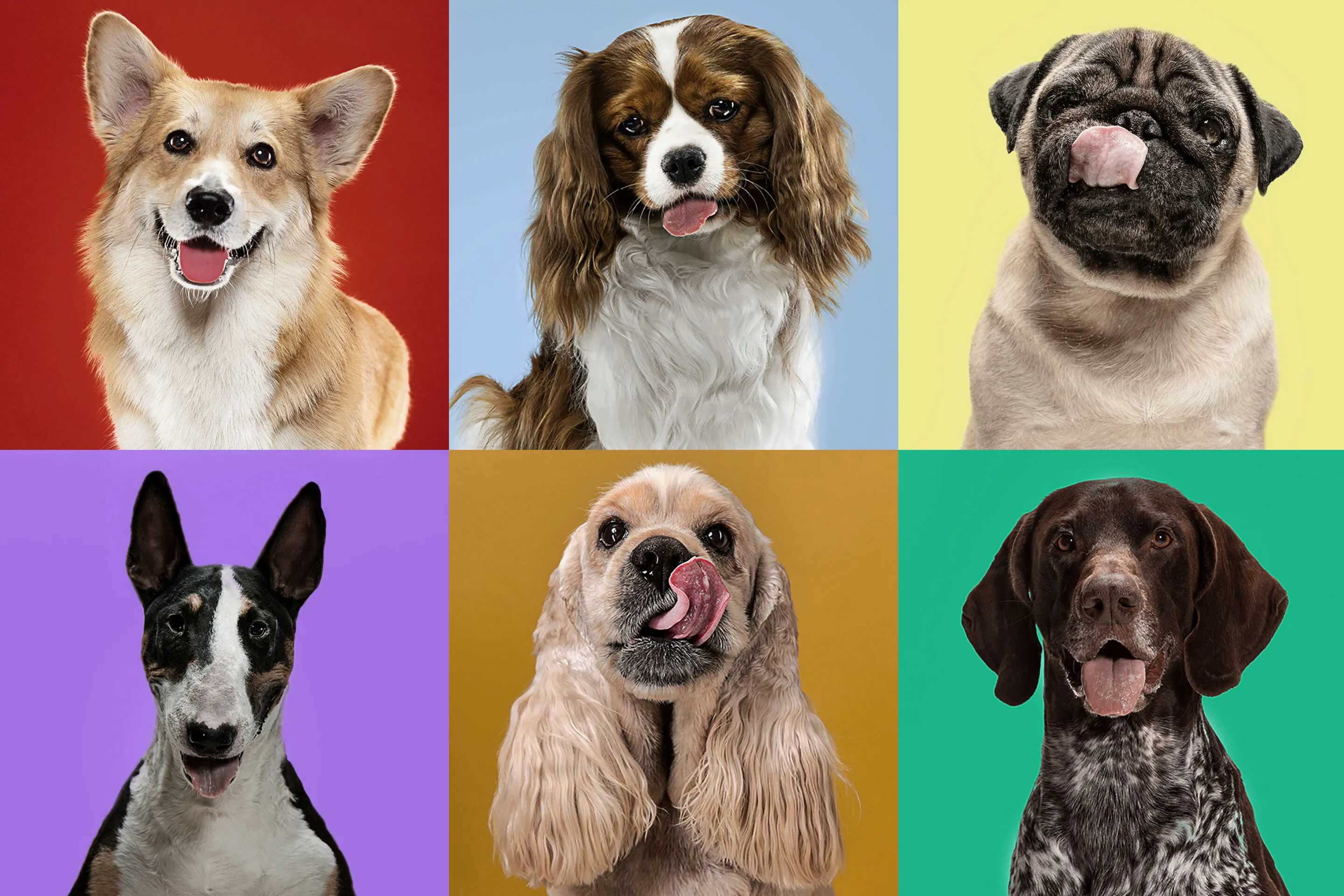
An article from 2022 reveals that over 1000 dogs have been successfully cloned. The article shows how scientists have been cloning dogs, across multiple breeds, with relatively high success when compared to other animals. This is great news for the advancements in the field of genetics, due to dogs having a number of genetic similarities when compared to humans. With this being said, studies reveal that despite being genetically identical, the dogs would sometimes look or act differently to their original counterpart. These differences are likely caused by epigenetic factors (changes in how genes are expressed, not the genes themselves) and issues with the cloning process, such as how cells are reprogrammed. With this in mind one can imagine how an individual paying over $50,000 to clone their beloved family pet may be disappointed when it looks and acts nothing like the original. Oscar winning singer and actress Barbra Streisand was one of these individuals, stating, “They have different personalities... I’m waiting for them to get older so I can see if they have her brown eyes and her seriousness.”
Wednesday, March 25, 2026
Cloning Breakthroughs Reveal the Limits of DNA
Tuesday, March 11, 2025
How Does Genetics Influence a Dog's Health and Behavior?
Recently, Emily Anthes from the New York Times reported that the genetic influences on dogs' health and behavior based on their breed. For a long time, through selective breeding, humans have been responsible for handcrafting the characteristics that give dachshunds their short legs, Great Danes their immense size, and pugs flat faces. Breeders face the challenge of distinguishing dogs to make them unique but are limited to a few genes. Choosing and inbreeding dogs with recognizable characteristics makes them susceptible to mutations due to exaggerating their attributes to increase rarity. For example, the gene that codes for dog size is insulin-like growth factor-1, which varies in small and large breeds; similarly, only three genes are responsible for a dog’s coat type. A dog’s breed is directly related to its health; since most breeds are homogeneous, they are susceptible to the same diseases, like degenerative eye disease, which is common in Labrador retrievers.
On the other hand, mutts and mixed-breed dogs may have a lesser chance of contracting some of these diseases, but due to how highly inbred they are, they are likely not much less vulnerable. Aside from the hazy connection between dog breeds and health, the connection between dog breeds and behavior is even more unclear. Due to humans prioritizing appearance over behavior when breeding dogs, the main distinction in breeds is how the dogs look, more so than how they behave. While some dogs lean towards one behavior over another, like a terrier, which is more predacious than a border collie, behavior alone is not enough to distinguish the dog breed. Conclusively, only 80% of dogs in the world live free and unconfined from humans, a small percentage of which are purebred or have no known ancestry.
I believe dog breeders wield too much authority over the lives of these powerless animals. Dogs should not have to suffer from inefficient characteristics like a pug's flat face because it'll make the breeder more money. Generally, dog breeders don't consider the genetic factors regarding health or behavior that significantly affect the dog's ability to find a loving home after being bred. This careless act turns dogs from loving beings needing love and care into commodities sold without regard.Wednesday, December 4, 2024
Is Dog Breeding Just Puppy Eugenics?
Eugenics is defined as the selective breeding of humans to “improve” the population by increasing heritable traits that are deemed desirable. Although eugenics is a particular example of selective breeding, as well as breeding of dogs, eugenics is a concept applied to the human population only. The question of whether or not selective breeding is morally wrong has been a question brought forward in many various examples, but what about one of the most normalized examples: dog breeding.
The arguments made regarding dog breeding pertain to the ethical concerns of genetically favoring traits for the human benefit. Edwin Louis-Maerten argued that although selective dog breeding and humanistic eugenics have similar compasses, that does not make the mere practice of dog breeding itself unethical. It is argued that the practice itself is just morally questionable, but multiple perspectives are necessary to understand why people breed dogs and whether or not the choices are more harmful than good.
Personally, I do not fully understand the desire of breeding dogs. I believe a true pet parent would love any animal by any means necessary, but I can understand favoring a specific kind of dog for the purposes of service. For example, a larger dog as a guide dog for someone who cannot see well/is blind. But I do not see the point in breeding a completely new dog for this need.
Article: https://www.frontiersin.org/journals/animal-science/articles/10.3389/fanim.2023.1195710/full
Other Source: https://www.tvmf.org/articles/responsible-dog-breeding/#:~:text=The%20primary%20reason%20to%20breed,puppy%20related%20to%20a%20dog.
Sunday, April 7, 2024
Why are Labrador and Flat Coated Retrievers prone to obesity?
In a recent article in the U.S. News and World Report Dennis Thompson describes the results of a recent study examining the causes of obesity in Labrador Retrievers. This British study found that nearly 25% of Labrador Retrievers and 66% of Flat Coated Retrievers have a gene that makes them more likely to be obese. This mutated gene, called POMC, causes dogs to feel hungrier and burn less calories. Dogs with the POMC gene got hungry faster between feedings, despite not needing to eat more at meal times in order to feel full. Furthermore, the study found that these dogs also burn 25% less energy while resting than dogs without the gene, meaning they should actually be fed less. The POMC gene prevents dogs from making beta-melanocyte stimulating hormone and beta endorphin, which are both important in hunger and energy usage.
The study found that when fed a meal Labs with the mutation did not eat more then Labs without the mutation. This indicated to scientists that dogs with the mutation did not need to eat more to feel full. However, in between mealtimes a sausage was placed in a box with a perforated lid, and dogs with the POMC mutation tried significantly harder to get the sausage. This indicated to scientists that they got hungrier between meals than dogs without the mutation. Drugs are currently in development for the POMC mutation can also occur in humans.
In my opinion this article is important because it helps to inform owners of Labrador and Flat Coated Retrievers of a health condition that could be affecting their dogs. It allows them to make more informed decisions that will affect the health of their four legged companions. This article informs others who may want to get a Lab or Flat Coated Retriever about the health needs of the dog they may get. Furthermore it also makes clear to the audience that obese dogs are not always caused by negligent owners.
Saturday, March 9, 2024
Labrador retrievers, overeating and overweight?
This article discusses genetic links between some dog breeds and obesity. Most specifically this study looked a labrador retrivers, a mutation in the POMC gene. This gene mutation affects the dog's appetite, metabolism, and brain pathways. Dogs with this mutation are hungry all the time and burn fewer calories than a dogs without this mutation. In order to better maintain these dogs the text encourages owners to spread out feeding and take steps to make sure that the dogs are receiving proper amounts of exercise.
I found this article very interesting because I didn't know that overeating could be traced back to a gene mutation. I'm interested to see if this kind of research can be performed on humans as well as other species. I also wonder what kinds of treatments can be developed to help with this mutation.
Tuesday, December 5, 2023
Why Do Cats Live Longer Than Dogs?
We all wish our furbabies could live forever, but have you ever thought about why cats live longer than dogs? Both are domesticated animals, but the gap between the lifespans is interesting. Dr Steve Austad, a lion trainer turned biologist, said: "There is an evolutionary theory of aging... that suggests that things live longer in safe conditions. Think of cats' solitary ways. Unlike dogs, which are pack animals, they live at low density and that tends to prevent them from catching infectious diseases."
Cats have a faster metabolic rate than dogs, due to evolution and their natural predators. These characteristics are due to their genetic diversity, cats are more resilient to disease and environmental issues, unlike dogs. Another genetic issue with dogs is many of them are inbred which leads to more genetic disorders. A lower risk of genetic disorders equals a longer lifespan.
In the past years, veterinarian advancements have given cats a longer lifespan due to the new treatments, and ranges of conditions they can treat. They have improved on many surgical techniques, and therapy treatments as well. Also as a pet owner, it is important that you know your pet and make sure there is a good relationship between you and their veterinarian so you can help better your animal's life and live a longer healthier life.
Links:
Tuesday, November 28, 2023
Genetics and Dog Breeds
Adams delves into the possible deleterious effects of dog breeding for specific physical characteristics. I found this to be particularly interesting because many brachycephalic dog breeds experience difficulties breathing. While the breathing difficulty is not a deleterious genetic defect, Adams mentions that some of the effects may not be known and that some have affected the mitochondrial genome in many dog breeds.
Sunday, November 26, 2023
Can You Smell If You Have Covid or Cancer?
Humans have the ability to smell, but not as strong as some of our other mammal species. What I learned is that Human Scent is influenced by many factors, one of them being genetics. The group of genes linked to the body's immune system is important when influencing the production of proteins and chemicals contributing to body odor. Sweat, oils, and other bodily secretions undergo transformations through interactions on the skin surface, creating a unique scent for each individual.
Odor is composed of organic compounds emitted from the skin and carries information about a person. Researchers who have looked into human scent have inspected these odors, and chemicals to reveal their potential in forensics and healthcare. In the study, they revealed that human scent is all due to genetics. In 1988 research showed that identical twins living in different environments and exposed to different things have the same distinct scent that trained dogs can distinguish which is really interesting.
Study of body odor
Thursday, April 14, 2022
Most Dog Breeds Highly Inbred
![]()
It seems as if there are more dogs who are showing up with health problems to the veterinary. Many individuals have also seen the trend of dogs health diminishing. Fortunately scientists have seen the concern and have done some studies on a dogs health.
A recent study has shown DNA samples from nearly 50,000 dogs of over 200 different breeds. The study has found on average dogs have showed about 25% inbreeding. That is the equivalent of your parents being brother and sister or parent and child. The study involves data from pet insurance and dog genetics companies. Pet insurance and dog genetics companies were used in the study to compare a dog's health and the death rate of different dog breeds. The pet insurance data was used from Sweden.
The study wanted to compare more than just inbreeding, the study also measured the "identify a relationship between body size, body morphology, inbreeding and health in dogs." (Bannasch et al. 2021). Overall the study was very informative as to the health of dogs breeds. Showing inbreeding can cause some kind of health problem for a dog was very interesting to read. For another article similar to this one, please click here.
Friday, July 31, 2020
Being A Dog Lover May Be in Your Genes

Although almost nobody in the world can deny a cute puppy scientists began to wonder if it was in our heads or maybe due to genetics. Many studies were done stating people with exposure to dogs at a young age weather good or bad would leave a long lasting impression. For example someone with a bad experience such as getting bitten by a dog at a young age may be weary of dogs the rest of their life. Compared to someone that had the same childhood dog for most of their life while growing up. Researches began a new study with twins both identical and fraternal to determine if genes played any factor in people owning a dog when they got older. Over 8,500 twins were evaluated in this study to get an answer if attachments to dogs were environmental or genetic. Scientists concluded the study with saying genetics did play a role in how people felt about dogs but they could not determine what specific genes were playing the role.
Article: https://www.livescience.com/65537-dog-affinity-dna.html
Related Article: https://www.livescience.com/19787-dog-owner-breeds-personality.html
Wednesday, November 27, 2019
Dog behaviors like aggression and fearfulness are linked to breed genetics
Links :
Article : https://www.google.com/amp/s/www.sciencenews.org/article/dog-breed-behavior-genetics/amp
Related Article: https://www.google.com/amp/s/www.psychologytoday.com/us/blog/canine-corner/201910/how-much-dog-behavior-is-linked-breed-genetics%3famp
A dog’s ability to learn new tricks may be less a product of your extensive training than their underlying genetics. In a study done among 101 dog breeds, scientists recently found that certain behavioral traits such as train ability or aggression were more likely to be shared by genetically similar breeds. While others have looked into the genetic underpinnings of dog behaviors for certain breeds, this study published by the Proceedings of the Royal Society B in October 2019 is the first to investigate a wide variety of dog breeds and find a strong genetic signal .
Using data from over 14,000 dogs described in C-BARQ, the researchers gave each breed a score for 14 different behaviors and then searched for overall genetic similarities among breeds that had similar scores. In summary , energy level and fearfulness showed a smaller genetic contribution, about 50 percent, suggesting that differences in environment or training play an equally important role in shaping those behaviors.
This was definitely an interesting article to read . Although this study does not show how a genetic variant causes a specific behavior , it points to certain statistics that might later lead us to such. It is interesting to see how Dogs are a really powerful system to investigate the genetics of traits and diseases because generations of domestication and breeding have simplified their genomes.
Friday, November 22, 2019
Troubled Breathing Dogs
https://www.smithsonianmag.com/smart-news/breathing-problems-smushy-faced-dogs-might-have-genetic-component-180972215/
The gene ADAMTS3 has been associated with the swelling of the airways inside dogs noses. This has been identified as a respiratory tract disorder and share the same genes between different breeds of dogs. Many of them had copies of this gene leading to a worse performance of breathing than other dogs with the lack of this mutated gene. The mutation affects the swelling in the nostrils as well as around the dogs lungs. The dogs thought to have these breathing problems are the dogs with smooched faces. This is now looked at to not be the only reason these dogs are having the effect of breathing problems. The breed “Norwich terriers” have breathing problems but their snouts are normal and in no way an effect of this problem. Jeffery Schoenebeck stated, “This is the first evidence to show that its not just all about skull size”. Bulldogs have this problem as well with having a hard time to breath. I think this is great research because this can lead dog breeders to breed healthier puppies and make them have a better life. Breeders can use a genetic test to keep the dogs with the ADAMTS3 gene from reproducing and passing it along to more dogs. Many of these dogs with their breathing problems come to a pretty high cost due to the treatments they will eventually need at some time in their lives. Genetic tests for your own dogs might come into play and be the next big thing!

Tuesday, November 19, 2019
A Dog's True Colors
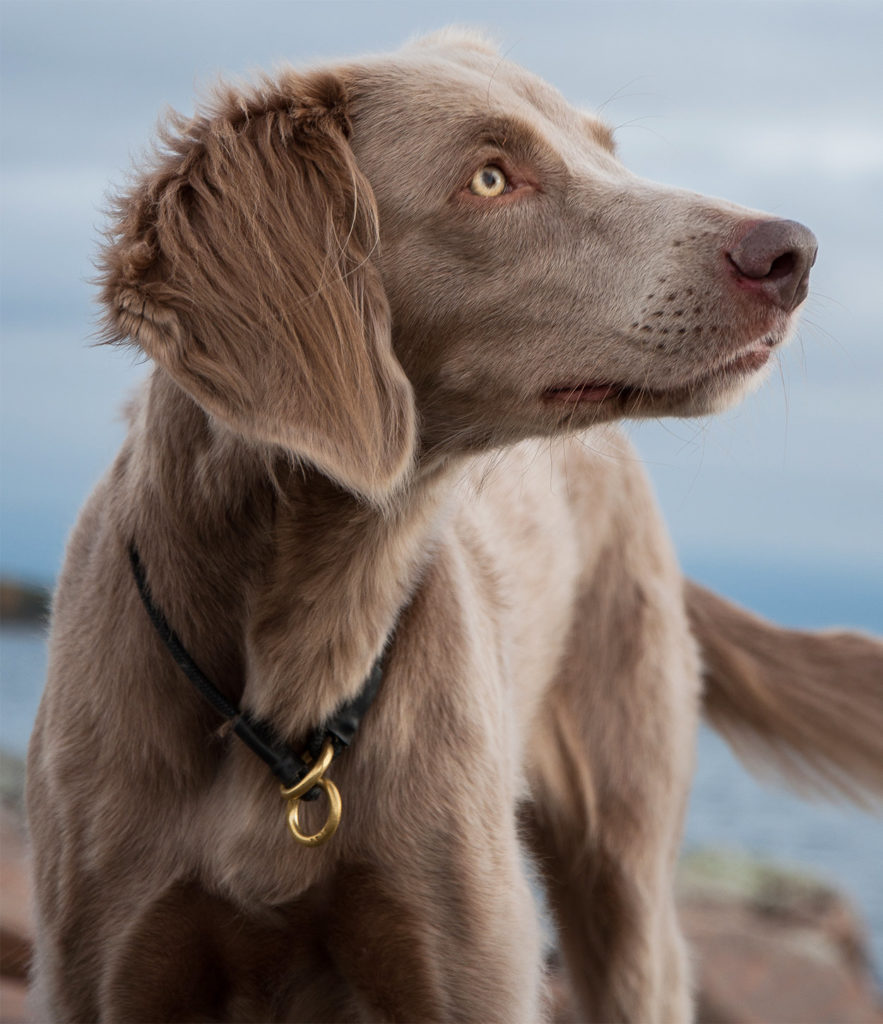
(Photo is a long haired weimaraner)According to new research, each breed of dog have more variance within their genes than previously thought. Scientists took a look at multiple genes of 212 different breeds and found that they had traits that were previously thought to be unrelated to them. Things like brown coloring in Rottweilers, who are not known for having a brown color or long hair in weimaraners. The scientists call them "fault" genes, or genes not associated with the breed standard.
I think getting information on gene variants not already known is important because there are some owners who are extremely picky and only want purebred puppies, and are not always willing to take a litter if they think that the dogs are mutts. It also means that there is the chance to look more closely at new phenotypes for our favorite furry friends.
Article: https://www.sciencedaily.com/releases/2019/11/191105140935.htm
Related Article: https://www.akc.org/dog-breeds/weimaraner/
Tuesday, November 12, 2019
Laryngeal Paralysis in Mini Bull Terriers

Article: https://www.sciencedaily.com/releases/2019/10/191024141223.htm
Related Link: https://www.acvs.org/small-animal/laryngeal-paralysis

.png)