Showing posts with label adenocarcinoma. Show all posts

Tuesday, September 26, 2023

Gene Mutation Linked to Esophageal Cancer


 Esophageal Cancer affects the throat and typically begins in the cells lining the esophagus. It is more common in men than in women. Symptoms include difficulty swallowing, weight loss, chest pain, indigestion, and coughing. Smoking tobacco and alcohol use can be risk factors for developing it. The exact cause of esophageal cancer is unknown but mutations in the cell's DNA cause the cells to grow and divide rapidly, resulting in cancerous cells. There are 2 main types of esophageal cancer, adenocarcinoma being the most common. Esophageal cancer is the sixth most common cause of cancer deaths. Recently, researchers have found a gene mutation linked to esophageal cancer, specifically esophageal adenocarcinoma. Being able to identify the gene mutation allows those with a high risk of developing the cancer to find treatment strategies before it is too late. Researchers studied patients with the disease and found that the gene Caveolin-3 (CAV3), is related to the cause of the gene mutations in the cell. Cavoleins are components of a cell that deal with the regulation of the proteins involved in the cell's proper function. Specifically, CAV3 cells are found in mucosal glands. When esophageal cells are injured, such as from smoking or acid reflux, these cells come to the surface to repair the damaged proteins. With an inherited CAV3 mutation, the cells are not able to heal properly and can cause adenocarcinoma. I found this article to be extremely interesting. A small mutation in a specific part of the cell can cause drastic damage to the body. More research needs to be done to identify other possible causes of different types of esophageal cancer.

Saturday, November 18, 2017

Pancreatic Cancer Survival Linked to Four Genes

Pancreatic cancer is one of the most deadly types of cancer, with low survival rates. However, a study was conducted at the University of Rochester Medical Center, published in Science Daily, and states the new findings that link certain genes to pancreatic cancer. The study was done on 356 patients diagnosed with pancreatic cancer. The tumors were removed from the patients and later on were studied by extracting DNA from the cancerous tissue and altering genes on the tissue. The four genes, KRAS, CDKN2A, SMAD4 and TP53, were identified in having an impact on the survival of the cancer patients. Patients who had three or four of these altered genes, had a less likely chance of survival even after removing the tumor. While those patients with one or two of the altered genes had a higher survival rate prediction. The outcome of the patients relies on the 4 altered genes in cancer patients who have undergone surgery to resect and dissect the cancerous tissue.


Image result for pancreas

I believe the study that was conducted serves as a powerful tool in the understanding of one of the deadliest cancers. Pancreatic cancer has high chances of reoccurring but this new finding could aid in the complete termination of pancreatic cancer. There is now a better understanding of the disease and how it progresses depending on the individual. Therefore, this new finding will help in the prognosis and treatment of pancreatic cancer. It will also help further research studies.

https://www.sciencedaily.com/releases/2017/11/171102180133.htm
https://jamanetwork.com/journals/jamaoncology/article-abstract/2661054

Sunday, November 20, 2016

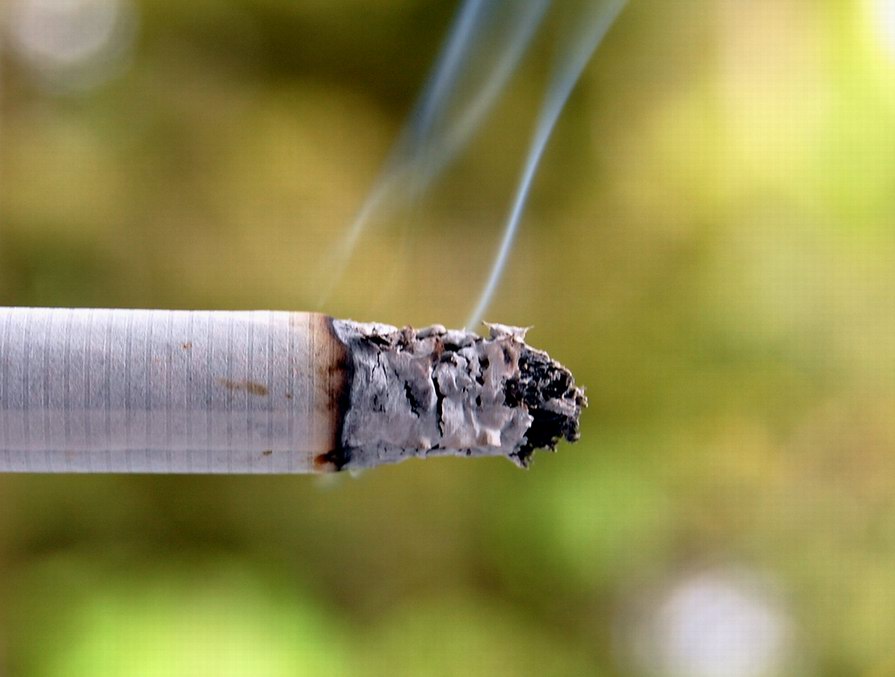
Cancer mutation patters differ in smokers/non-smokers

An international team of researchers found several differences in the amount of altered DNA signatures in the tumors of smokers compared with those from non-smokers with the same type of cancer.

"Tobacco smoking leaves permanent mutations - it erodes the genetic material of most cells in your body", says Ludmil Alexandrov of Los Alamos National Laboratory in New Mexico, who led the analysis. "Even if you are just a social smoker who occasionally has one or two or five cigarettes, there is a cumulative effect."

The team compiled data on over 5000 human samples of 17 different cancers. The DNA was then searched for patterns of damage, known as "mutation signatures". One type of mutation, called "Signature 4", which indicates damage to Guanine, showed a far greater presence in tissues exposed to tobacco smoke. Signature 4 also strongly correlated with lung squamous cancer, lung adenocarcinoma and larynx cancers.


Strangely, signature 4 showed a significantly lesser correlation with oral, pharynx, and esophagus cancer, despite being just as exposed to tobacco smoke as the lungs and larynx. Researchers also were able to graph the relationship between quantity smoked and number of mutations. For instance, a pack a day for one year leads to 150 mutations in a lung cell, 97 in a larynx cell, 39 in the pharynx, 23 in the oral cavity, 18 in the bladder and 6 in the liver cell.

I take interest in the genetic or hereditary aspects of tobacco resistance. I have known individuals who have smoked a pack or so a day for numerous decades and never got lung cancer, and others who have smoked far less over a shorter period of time, yet fell ill with some respiratory related cancer.