Showing posts with label survival rate. Show all posts

Sunday, October 29, 2023

Genomic Effects of Inbreeding on Scandinavian Wolves


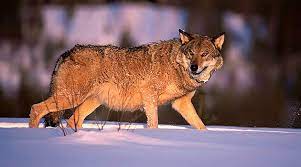
Researchers at Uppsala University studied the genetic origins of the Scandinavian grey wolf population, which began with only three wolves from Finland in the 1980s. After five generations of inbreeding, between 10 and 25% of the original genetic variation was lost, amounting to 160,000 genetic variants. The founding wolves weren't entirely unrelated, contributing to a reduction in initial genetic diversity. Professor Hans Ellegren highlighted the need for inbred populations to receive new genetic material from diverse sources. Despite recent genetic contributions from immigrating wolves, the high level of inbreeding threatens the retention of these new variants.

The Uppsala University study on Scandinavian grey wolves vividly highlights the perils of inbreeding. With just five generations resulting in a loss of up to 25% of original genetic variation, the fragility of such limited gene pools becomes starkly evident. This research is a potent reminder of the need for diversity to ensure the long-term health and survival of species. The second article, which is focused on human inbreeding shows that inbreeding between closely related individuals can result in significant health risks for offspring, including the increased likelihood of inheriting rare genetic diseases. Research shows that inbred children exhibited decreased cognitive abilities, reduced height, and lung function, and were more susceptible to diseases in general. 

Saturday, November 18, 2017

Pancreatic Cancer Survival Linked to Four Genes

Pancreatic cancer is one of the most deadly types of cancer, with low survival rates. However, a study was conducted at the University of Rochester Medical Center, published in Science Daily, and states the new findings that link certain genes to pancreatic cancer. The study was done on 356 patients diagnosed with pancreatic cancer. The tumors were removed from the patients and later on were studied by extracting DNA from the cancerous tissue and altering genes on the tissue. The four genes, KRAS, CDKN2A, SMAD4 and TP53, were identified in having an impact on the survival of the cancer patients. Patients who had three or four of these altered genes, had a less likely chance of survival even after removing the tumor. While those patients with one or two of the altered genes had a higher survival rate prediction. The outcome of the patients relies on the 4 altered genes in cancer patients who have undergone surgery to resect and dissect the cancerous tissue.


Image result for pancreas

I believe the study that was conducted serves as a powerful tool in the understanding of one of the deadliest cancers. Pancreatic cancer has high chances of reoccurring but this new finding could aid in the complete termination of pancreatic cancer. There is now a better understanding of the disease and how it progresses depending on the individual. Therefore, this new finding will help in the prognosis and treatment of pancreatic cancer. It will also help further research studies.

https://www.sciencedaily.com/releases/2017/11/171102180133.htm
https://jamanetwork.com/journals/jamaoncology/article-abstract/2661054

Sunday, November 3, 2013

Seabird Stress Response is Oceans Apart

Seabird at it's nest of 2 eggs.

Black-legged kittiwake


    It is an observed fact that seabirds that die young and lay more eggs are more likely to look after their chicks when times are stressful than would less-fertile, longer-lived birds.  Jannik Schultner of Norwegian University of Science and Technology and colleagues performed an experiment of implanting Atlantic and Pacific populations of the black-legged kittiwakes.  They were implanted with tubes of a hormone that is associated with food shortages known as corticosterone. 

    The Pacific populations of the seabird have less offspring and have a higher survival rate than does the Atlantic populations.  With the hormone, the Pacific seabirds abandoned their young, making them more likely to die than the Atlantic seabirds.  The Atlantic colony had the opposite effect with extra hormones added and the survival rate of the offspring increased.  It is suggested that any animals life strategies can predict their responses to stress even if short term.
   
    I thought that this article was very interesting because we know how stress effects us individually but not really how it affects animals.  Whether the stress response is short term or long term can determine the survival rate of a species, it what I have gathered from this article.

http://alaska.usgs.gov/science/biology/seabirds_foragefish/products/publications/rlki_cort_KITAYSKY.pdf
http://alaska.usgs.gov/science/biology/seabirds_foragefish/products/reports/Bering_Sea_stress_results_99/bogrep00.php