Showing posts with label Cardiovascular Disease. Show all posts

Friday, November 22, 2024

Genetic Pathways to Heart Shape: Advancing Cardiovascular Risk Assessment


Cardiovascular disease remains the leading cause of death worldwide, with early detection and diagnosis being critical for improving survival rates. Researchers from Queen Mary University of London, King’s College London, University of Zaragoza, University College London, and Complexo Hospitalario Universitario A Coruña in Spain have uncovered a groundbreaking method for assessing heart disease risk based on the genetically determined shape of the heart. 


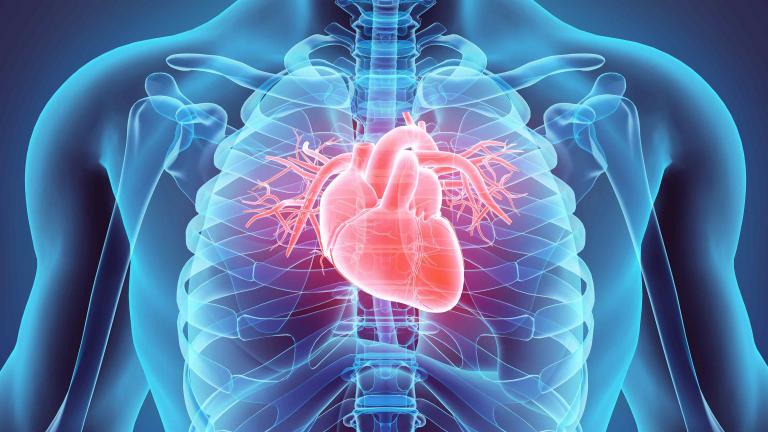
Using advanced 3D imaging and machine learning, the team analyzed MRI scans of the hearts of 40,000 participants. They created detailed models of the right and left ventricles and identified 11 distinct heart shapes. Unlike prior studies that emphasized size and volume alone, this research explored how shape, along with structural variations, can reveal a person's genetic predisposition to heart disease. 


The study's genetic analysis pinpointed 45 areas in the human genome associated with heart shape, 14 of which were previously unknown to influence cardiovascular health. These findings provide valuable insights into the biological pathways linking heart structure to disease risk, offering a new dimension to cardiovascular diagnostics. 


This novel approach underscores the importance of integrating genetics with imaging technologies. By focusing on shape, clinicians can enhance early detection, paving the way for more precise interventions. These results hold promise for reshaping how we understand, diagnose, and treat heart disease. 


References: 


https://medicalxpress.com/news/2024-11-genetic-links-heart-cardiovascular-disease.html 

https://pmc.ncbi.nlm.nih.gov/articles/PMC7006335/ 


Saturday, November 26, 2022

Interfering RNA to Reduce Lipoprotein(a) in Cardiovascular Disease


Cardiovascular disease is the leading cause of death and disability worldwide. Lipoprotein(a) is a low-density lipoprotein variant containing a protein called apolipoprotein(a). High levels of lipoprotein(a) are a causal risk factor for atherosclerotic cardiovascular disease. It also influences inflammatory processes as well as the function of leukocytes, and vascular and cardiac cells, thereby impacting vessels and the heart. Statins form the select therapy with the aim to block cholesterol synthesis, although additional lipid-lowering drugs are required to achieve low-density lipoprotein cholesterol target values. 

A recent study has discovered that olpasiran therapy significantly reduces lipoprotein(a) concentrations in patients with atherosclerotic cardiovascular disease. Olpasiran is a small interfering RNA that reduces lipoprotein synthesis in the liver. The study conducted a randomized, double-blind, placebo-controlled, dose-finding trial in which patients with atherosclerotic cardiovascular disease and lipoprotein(a) concentration of more than 150 nmol per liter were involved. Patients were randomly assigned to receive one of four doses of olpasiran or a matching placebo. After nine months, the lipoprotein concentration had increased by a mean of 3.6% in the placebo group while olpasiran therapy had substantially and significantly reduced the lipoprotein(a) concentration in a dose-dependent manner. 

With cardiovascular disease being the leading cause of mortality and morbidity worldwide, effective and worthwhile therapies to reduce cardiovascular risk are highly needed. In so, I believe that further trials are required to determine olpasiran therapy's effect on cardiovascular disease, not just atherosclerotic cardiovascular disease.  Although from the previous trial on atherosclerotic cardiovascular disease, olpasiran therapy seems to be a promising therapy for individuals with high lipoprotein(a) levels who currently don't have any effective therapies to lower their concentration. 


Friday, November 27, 2020

Are You At Risk for Heart Disease?


    The disease that is the leading cause of men and women in our country is heart disease. According to the CDC, one person dies from this every 36 seconds and 655,000 people die annually. It is important for one to know the risk factors and ways to keep their chances to suffer one low, and to keep their heart healthy. Some risk factors and ways to minimize the odds are to not smoke, eat healthy, exercise, maintain body weight, and much more. If someone is having insane chest pains that radiate to their extremities or even their jaw, it is important to consult medical services right away. It is better to be safe than sorry.

    Is one at a higher risk to sustain a heart attack or get heart disease based on their genetics? According to studies done, heart disease can be passed down. This is important because if one has a parent or grandparent that suffers from heart disease, they should be extra cautious in making sure their heart is healthy. If a parent have a gene that is more susceptible to cardiovascular disease, there is a chance that it may be passed down. Also, if the gene that is passed down does not contain a risk for heart disease, there is a chance later in life that mutation would occur to victimize the person of this disease. 


https://www.cdc.gov/heartdisease/facts.htm


https://www.cdc.gov/heartdisease/risk_factors.htm

Monday, March 4, 2019

Getting Enough Sleep Reduces Cardiovascular Disease Risk

According to Science Daily, an inadequate amount of sleep can increase the risk of cardiovascular disease. Massachusetts General Hospital investigators found out that sleep protects against atherosclerosis. Atherosclerosis is a buildup of arterial plaque on the artery walls. The investigators discovered that disruptions during sleep break down control of inflammatory cell production and can cause more inflammatory, which can lead to heart disease. Mice were tested on by injecting them with atherosclerosis and disrupting their sleep. The experiment concluded that sleep-deprived mice had a decrease level of hypocretin, which is a hormone that regulates white blood cells. Mice that had a decrease level of hypocretin, expressed the gene CSF-1 which is the production for arterial plaques. Therefore, CSF-1 is an increase production of arterial plaques that can cause build up in the artery walls and lead to cardiovascular disease.
Image result for cardiovascular disease

This article is very interesting because it proves that sleep deprivation can cause a serious health issue. Not getting a sufficient amount of sleep can cause cardiovascular disease later on in life, but also, there are many other down sides when an individual does not get enough amount of sleep. Therefore, sleep is very important to stay healthier later in life.

Sunday, November 11, 2018

Alzheimer's and cardiovascular disease share common genetics in some patients


Alzheimer’s disease, which currently affects 5.7 million people in the U.S. and has no cure, will potentially have findings that will lead to improve early diagnosis and potentially new preventative strategies for Alzheimer. A research of over 1.5 million individuals has pointed out a link between heart disease and Alzheimer’s disease. A study published in Acta Neuropathologica, combined GWAS (genome-wide association studies) to make statistical links between various disease states and shared variations in the genetic code. The researchers identified 90 spots in the genome where DNA variants increased patients combined chance of having both Alzheimer’s and high blood levels of lipids including HDL and LDL cholesterol, which are common risk factors for cardiovascular disease. Chromosome 11 has been linked to immune system biology, the researchers confirmed that six of the 90 spots had a strong genome-wide significant effects on Alzheimer’s and heightened blood lipid levels, and several sites within CELF/MTCH2/SPI1 on chromosome 11.

So, in conclusion Genetics may predispose some people to both Alzheimer’s disease and high levels of blood lipids such as cholesterol, which causes cardiovascular disease. Which in my opinion if they are linked it means that Alzheimer could be prevented by lowering the level of lipids in the blood, which is a good thing to find since many people a prone to suffer the disease.

Reference:
University of California - San Francisco. "Alzheimer's and cardiovascular disease share common genetics in some patients." ScienceDaily. ScienceDaily, 9 November 2018. <www.sciencedaily.com/releases/2018/11/181109155521.htm>.

Monday, October 8, 2018

Could we use gene mutations to treat diabetes and heart disease?


A recent study has brought to light a link between mutations of three genes that control cholesterol and can possibly lower the risk of cardiovascular problems and type 2 diabetes. This study, conducted  at the Stanford University School of Medicine and Veteran Affairs Palo Alto Health Care System, linked this genetic information on about 300,000 veterans. The study focused on how the three gene variants/ mutations were linked to positive effects rather than how they damaged the body. If the veterans carried the following genes: ANGPTL4 for type 2 diabetes, PDE3B for coronary heart disease, and PCSK9 for abdominal aortic aneurism then they on average had better levels of blood cholesterol. Also depending on the gene in which they carry they had less of a risk of developing the disease correlated with that gene. With this information they hope for the creation of drugs that will mimic the effects of these gene variants.

The mutation that Stanford is most closely looking at is PDE3B, because a drug is circling the market already called Cilostazol. They hope that this drug can be a strong contender to treat heart disease. Researchers pooled 297,626 veterans and collected their cholesterol to look for the variant that played a role. The study told of 188 previously known genetic markers and 118 new ones. PDE3B was found in the study to lower triglycerides, raise HDLs and lower heart disease by 20%. Cilostazol is thought to have the same effect, but it has not been proven. I think that once a large trial has been conducted with this drug or another one that has the same genetic makeup it should be on the market. Being able to lower bad cholesterol, diabetes and heart disease (the number one killer in America) would be a huge breakthrough in medicine.

Sunday, September 18, 2016

Remembrance of a heart attack may be found within epigenetic changes

When a person is having a heart attack, certain genes are activated throughout their body. This warns the body about what is happening, prevents as much damage possible, and helps repair the body after the harm is done.  Researchers have found that following a heart attack, the epigenetics of a person change.  Genes within the epigenome of a person can be turned on or off by certain environmental and other factors, such as a heart attack. The majority of the genes that are altered are found to be related to cardiovascular disease. It is unknown exactly what the genes do in relation to cardiovascular disease. 
There are two possible explanations to this. The first is that the disease might be assisted by the genes that are turned on.  This would increase the rate of cardiovascular disease in a person and harm them within the future. The second explanation is that
they live on as a memory of gene activation associated with the heart attack.
In other words, the patient's body would remember exactly what genes were activated during and after the heart attack. With the performance of more research, geneticists can soon determine if the genes assist in the development of heart attacks or if the genes help prevent the damage of the following heart attack from their "memory." If the epigenetic changes are related to the remembrance of a heart attack, then the prevention of the second heart attack would be greatly increased. The damage from the following heart attack would be dramatically reduced.  Cardiovascular disease is an ongoing problem within America and if more research is conducted about the epigenome of a person after a heart attack, than that field can have potentially shocking breakthroughs.

Saturday, February 2, 2013

Eating Your Greens Can Change the Effect of Your Genes On Heart Disease


Heart Disease predisposition genetically linked to 9p21
gene.

People identified with the genetic variants of 9p21 that is
linked to cardiovascular disease may now have some control as to their overall
health outcome. Research has shown that eating raw fruits and vegetables could
weaken the effect of this gene. Researchers at McMaster and McGill Universities
performed a large scale study on people with a high risk genotype for
cardiovascular disease. The study incorporated 27,000 individuals from five
ethnicities, European, South Asian, Chinese, Latin American and Arab. Their
study monitored these high risk genotypes individuals on the effects of eating
a diet of raw fruits and vegetables and berries and how it altered if any the
9p21 genetic marker. They compared their findings to a control low risk
genotype group and found the high risk individuals were comparable in heart
attack risk as to their low risk genotype people.
"Our research suggests there may be an important interplay between genes and diet in
cardiovascular disease," the study's lead author Dr. Ron Do, who conducted
this research as part of his PhD at McGill and is now based at the Center for
Human Genetics Research at the Massachusetts General Hospital, Boston,
Massachusetts. The results of their study are published in the current issue of
the journal PLoS
Medicine
.

This information can be found at the following links:

http://www.sciencedaily.com/releases/2011/10/111011171553.htm

http://www.plosmedicine.org/article/info%3Adoi%2F10.1371%2Fjournal.pmed.1001106