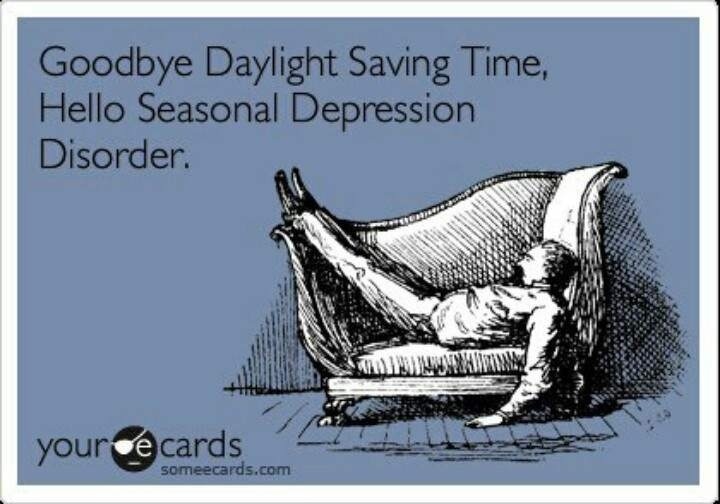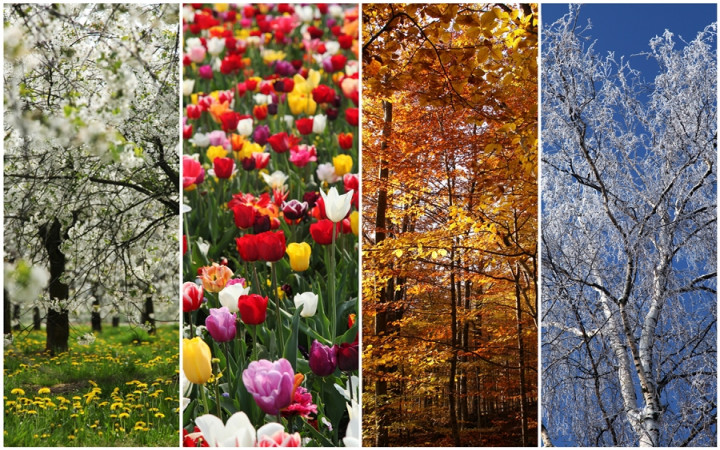
Seasonal affective disorder, also known as SAD is a form of depression related to the change in season. Most people affected by SAD experience a depressive episode during the change from spring and summer to fall and winter. Seasonal affective disorder can be treated through medications and light therapy and symptoms can range from mild to severe depression.
As awareness around mental health conditions grows, research into causes and risk factors has also expanded. In 2018 a paper was published in Nature magazine focused on a possible genetic component to seasonal affective disorder. Genetic risk factors for other mental illnesses have been determined through similar genetic analysis. During this study however, researchers did not find one gene statistically significant but concluded there is a stong likelihood that gene ZBTB20 is involved. Researchers determined gene ZBTB20 had the strongest association through he genome-wide analysis.