This study done by the UT Southwestern Medical Center was the largest genome wide association meta analysis and replication study ever done which compares the DNA and genetics as whole of over 105,000 light and heavy drinkers. The researches claim to have found a gene variation in β-Klotho, while doing this study that is linked with the regulation of alcohol consumption. This less common variant was found in 40% of people throughout this study and is linked with decreased desire for alcohol consumption.
This could be a huge breakthrough finding as it can be possible that this study can lead to a mechanism in which we may be able to influence to reduce alcohol intake. This could be especially beneficial for people who are fighting alcoholism and are trying to stop. The study discusses how a lot of other research has been primarily focused on addiction, while this study has discovered something that comes before the addiction, consumption to begin with. More studies are being done on how to influence this gene but some are saying it may be able to be the development of a drug that would stimulate it. This could have incredible health benefits if testing goes well and it is proven safe. As decreasing someone from heavy drinker or alcoholic by simply taking away the desire to drink would help many peoples overall health. This large study could have huge benefits and it will be interesting to follow as more testing is done in the near future.
Wednesday, November 30, 2016
Gene Editing Tool Used in a Human For the First Time
A gene tool that may have extraordinary promise in curing myriad diseases has been used in a human for the first time.
According to Nature,
scientists at West China Hospital in Chengdu injected cells edited by
CRISPR-Cas9 into a patient with aggressive lung cancer on Oct. 28.
CRISPR is an acronym for "clustered, regularly inter-spaced, short palindromic repeats," which are patterns of DNA
sequences that can be edited. Cas9 is a type of modified protein that
works like a pair of scissors to snip out DNA sequences. CRISPR-Cas9
works by identifying problem sequences and modifying them, hopefully
solving the problem they cause.
In the case of the Chinese patient, scientists
edited a gene that hinders the cell's ability to launch an immune
response, which also prevents it from attacking healthy cells. These
modified cells will then, scientists hope, target the cancerous cells
and destroy them.
The trial's main objective is to test the
technique for safety. The Chinese team plans to treat 10 patients, and
each will be monitored for six months for side effects.
"Everything is going as planned," Liao Zhilin, who handles the Chinese team's communications, told CNN.
However, there are also ethical questions
surrounding gene-editing techniques. The ability to modify DNA, while it
may eradicate thousands of diseases, also may allow researchers to
explore morally gray areas of science, such as creating chimeras.
Meanwhile, the United States is also set to
begin a human trial of CRISPR-Cas9 in early 2017, designed to treat
several forms of cancer.
"I think this is going to trigger 'Sputnik 2.0',
a biomedical duel on progress between China and the United States,
which is important since competition usually improves the end product,"
Carl June, a scientific adviser to the U.S. trial and immunotherapy
specialist at the University of Pennsylvania, told Nature.
Right Whales and a New Mutation
Researchers have recently found that in a specific species of whales, right whales, that there is a new gene mutation causing more death for the endangered species. The mutation occurs in their eyes, making them unable to see bright lights or objects, unfortunately objects such as different types of fishing gear. (Fishing gear is a great cause of death for the whales and other sea life) Although, this is unfortunate for the whales, it is helping scientists to understand more about the eye. According to the research, the whales are missing a "normal light-detecting protein", which means completely missing a cone needed for the eyes to see brighter colors. This is the first mutation of its kind found in any mammals. (More information about the eye).
Researchers are finding that whales only possess one gene for this specific cone. Although the cone cell is missing the rods are still present, helping the whales and exemplifying their ability to see dim-light. From this information, scientists are learning new things about the eye that have yet to be discovered. I find it really amazing how the whale's body recognizes that they are missing a certain part of their eye, so the part that is left begins to be exemplified and work better. Many whales go very deep in the ocean, where light disappears quickly, this can be very beneficial when swimming throughout the ocean, except when coming to the top of the water for air. The longest a whale can hold its breath is 90 minutes, but it usually less than that. Hopefully, for the whales they will not be swimming into any fishing equipment. I hope that the whales get another mutation that can only help their eyes and prevent them from becoming extinct.
Labels:
endangered species,
gene,
mutation,
research,
right whales
Tuesday, November 29, 2016
Male Mice With No Y Chromosome
A new experiment suggests that a Y chromosome is no longer to needed to make a male. Scientists have taken mice and begun to "play" around with the chromosomes, making it possible that any detection of the Y chromosome simply does not exist. Some researchers believe that later in evolution the Y chromosome will no longer be needed, other scientists disagree and so do I. The researchers found that the male mice that were made without the Y chromosome, could not produce sperm or had immature sperm. I think that without a Y chromosome, reproduction is not an option. Experimenters used the Sox9 gene usually turned on in females, was expressed, developing the male. These were the males that did not make sperm. For mice to make sperm they must have the Eif2s3y gene, therefore, if there was no Y chromosome, this gene is not there.
I find this article weird. Why would we try to find males without the Y chromosome? There is the X and Y chromosome which determines the sex, why are we looking for more options? I understand there are chromosome mutations such as Kleinfelter's Disease (XXY), but no Y at all, makes you a female. It is really an interesting topic, but very weird. It's hard to tell what scientists are trying to get from this type of study.
Labels:
#DNA,
#mice,
#Y chromosome,
experiment,
Scientist,
Sox9
The Origin of Life on Earth
Based on many years of data and observations, scientists approximate the Earth to be around 4.5 billion years old. The earliest evidence of life that has been found exists in Greenland, and consists of fossilized remains of cyanobacteria, otherwise known as stromatolites. These fossils date back to 3.7 billion years ago, and even still, scientists believe that life may have gone back even further, due to rocks in Australia that contain high levels of carbon--an element that is majorly involved in most biological processes. This evidence raises the question of how life actually formed all those years back, and many different scientists propose different theories. Some of these include life coming from outer space, finding its way to Earth by means of an asteroid or comet. Others believe that there are several origins of life, and that life formed on Earth through a series of chemical reactions. These reactions are hypothesized to have led to the creation of self-sufficient systems that formed organisms. Whether one theory is correct or not, scientists still do not know for sure. However, by looking at the existing evidence, such as the cyanobacteria that is still around today, and by examining RNA and DNA qualities, they have a better idea of what very well might have been.
Scientists have widely accepted the idea that the primary molecule for life was RNA, a molecule made up of nucleotides that aids in protein synthesis and works as an on/off switch for many genes. However, upon the emergence of DNA, RNA was replaced due to the more stable and better performing nature of DNA. Since DNA is the basis of all life in organisms today, we can study it and gain multitudes of knowledge from studying its structure and functions. Perhaps we will never know the exact origins of life on Earth, but by continuing research on these molecules that we know have been around since the start, there is a much better chance at getting there. I think that the fact that we do not know the exact origin of life on Earth is very interesting because there are so many different explanations that can account for it. However, the fact that we know that RNA was the primary molecule is a step in the right direction because we have a lot of knowledge about it, and continue to study it nowadays. Perhaps one day we will make a discovery that answers how exactly life began on Earth, but until then we can only wonder.
Link: http://www.livescience.com/1804-greatest-mysteries-life-arise-earth.html
Labels:
cyanobacteria,
DNA,
Earth,
Life,
nucletides,
origin,
RNA,
stromatolites
Platypus Venom As a Diabetes Treatment
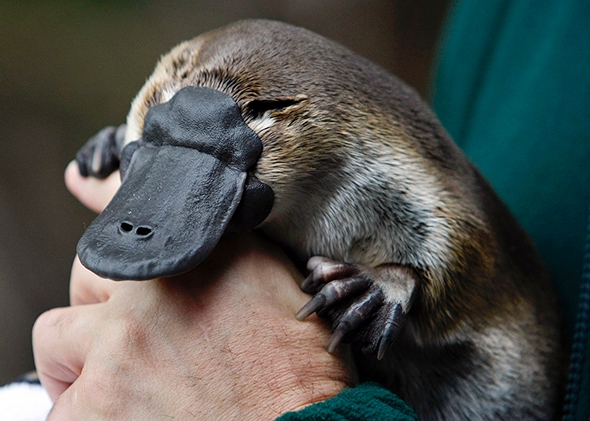
It appears that Australian researchers have discovered something quite remarkable. The animal pictured above, known as a platypus, has poisonous venom, but this very venom could be used as a treatment for diabetes. In the gut of the platypus a hormone is produced that regulates blood glucose, this same hormone is also found in their venom. This research was led by Professor Frank Grutzner at the University of Adelaide and another Associate Professor Briony Forbes at Flinders University. The hormone that is discussed is called glucagon-like peptide-1 or GLP-1 is typically secreted in both human and animal gut which stimulates the release of insulin to effectively lower blood glucose. Unfortunately, this GLP-1 is known for degrading within minutes. Those with type II diabetes cannot maintain a proper blood sugar balance due to the short stimulus triggered by the GLP-1 which is why they need medication with longer lasting form of the hormone. Besides platypus's, another type of monotreme, the echidna, have been evolving changes in the hormone. These changes make GLP-1 resistant to the degradation previously mentioned that is normally seen in humans. Within these two monotremes, they degrade with a different mechanism. When they continues to analyze the genetics of these animals, there seemed to be a "molecular warfare" between the function of the hormone.
There are different functions of the GLP-1 in the platypus. In the gut, it is used as a regulator of blood glucose, but in the venom it is mostly used to fend off other platypus males during breeding season. This battle of the functions changes the GLP-1 mechanism but also has created the evolution of a stable form of the hormone which is a highly desirable as a potential type 2 diabetes treatment. This breakthrough is incredible and I think its so interesting that something seen as poisonous to a human can actually end up helping someone with one of the greatest health challenges, diabetes. I think further research in this is necessary and it will be awesome to see how it is converted into a possible treatment.
Salt Tooth Over Sweet Tooth
According to Live Science writer, Sara G. Miller, there's such a thing as a salt tooth, in addition to the more commonly known sweet tooth. It was discovered that certain people carry a gene that make them crave or want a taste of salt more than normal. The variation of a gene known as TAS2R48 that were found in some of the people that took part in this study. These people were more likely to eat an overload of sodium compared to the people who did not have the gene variant. This research was presented at the American Heart Association's Scientific Sessions meeting just recently. The lead author of this study is a Ph.D student at the University of Kentucky College of Nursing would like to identify the gene variant that a person has in order to help them make better food choices. I think this idea is fantastic and could really help the obesity problem that is found in the United States. It is also a good idea for people with food allergies and diseases. In order to this, there is need for more research in this area in order to comprehend how a person's genes impact how much sodium they eat.
On average, the limit of the sodium in a person's diet is supposed to be 2,300 milligrams per day. If this is exceeded, high blood pressure can be developed. In those who had the variation of the gene TAS2R48, they were nearly twice likely to exceed the supposed milligrams of sodium per day. These gene has previously been linked to sense of taste when looking at a person's perception of bitterness. This can be one of the reasons why people with the variation avoid broccoli and dark, leafy greens. So those with the gene variation, taste bitter and taste salt more intensely. Or maybe a theory is that the bitter taste of food is masked with salt through increasing the consumption of sodium, according to Smith. During the study, food diaries were looked at for more than 400 people, their DNA was also analyzed and all participants had a heightened risk for heart disease. In addition to salt consumption, saturated fat, sugar and alcohol consumption was looked at,but no variations in the gene effected this.
Monday, November 28, 2016
Social Class Affects Health
Social class affects many people in many different ways, but did you ever think that your social class could be affecting your health too? Recent studies have shown that if you are in the lower social class ladder, than you are at a higher risk for heart disease, cancer, diabetes and other illnesses. This is not definite in human beings because a variety of factors can decline your health. Scientists, thus looked at female Rhesus Monkeys. 45 Rhesus Monkey's hierarchy placement had an affect on their immune system. Lower ranked monkeys had lower levels of disease-fighting cells. "The shift in immune system functioning was mediated by the turning on and off of immune cell genes." A monkey in the lower class, who is likely to be harassed by more dominant monkeys, was linked to genes responsible for immune cells that produced inflammation. Therefore, the lower the rank, more inflammation related genes were turned on. This study could possibly have a positive impact on human health. By only adjusting a person's social class, they potentially avoid horrid diseases.
Genetically Altered Grass Helps Fight Pollution
Researchers from the University of Washington and the University of York recently published their study on genetically altered grass in the Plant Biotechnology Journal. The purpose for this study was that the compound RDX, which makes up many military explosives, has been polluting military bases at a dangerous level. It has been listed as a human carcinogen and this is spreading much concern as the pollutant is easily spread through the air and through groundwater as it diffuses into the soil around the bases. The projected cost for a cleanup of this compound would be anywhere inbetween $16 million and $165 million dollars. However, researchers have isolated 2 genes from a bacteria that consumes RDX and have inserted them into species of grass (Switchgrass and Creeping bentgrass). The resulting grass has the ability to remove the harmful compound from the air and soil, and then degrade it so that its broken down components are not toxic. In the best test case, the grass was able to remove the toxic substance from the soil in less than two weeks time, leaving behind no traces in the air, soil, or in the plant itself. The grass is especially productive when it comes to removing RDX before it reaches groundwater, because then the toxic substance is more easily spreadable with the aid of the water cycle.

Grass is a great plant to use for removing the toxin because it is very affordable and environmentally friendly. It grows quickly and requires little care and looking after. Furthermore, the RDX is partly beneficial to the grass because the grass uses it as a nitrogen source, promoting faster growth. Although the researchers detailed the difficulty that they had when it came to implanting the bacteria genes into the grass, this method is certainly beneficial for a multitude of reasons. Since it is cheap, sustainable, and fast acting, if scientists could figure out an easier way of producing the grasses, this method could be extremely useful. If used more, these grasses can be planted in various places and create healthier air and soil for us to use, lessening the risk of cancers and other illnesses. This idea is especially interesting because in further research, if scientists could figure out other genes from bacteria or animals that they can insert in plants, it is possible that they could select for other toxins. This method would be a lot less harmful and more cost effective than current methods of getting rid of pollution.
Link: https://www.sciencedaily.com/releases/2016/11/161122182355.htm
Schizophrenia: Researchers Pinpoint Rare Genetic Risk Variants
The research team - comprised of more than 260 scientists across the globe - recently reported their findings in the journal Nature Genetics.
Schizophrenia is a chronic mental disorder characterized by delusions, hallucinations, abnormal thoughts, and agitated body movements.
According to the World Health Organization (WHO), more than 21 million people worldwide are affected by schizophrenia, with the disorder being more common among males than females.
In the United States, schizophrenia is estimated to affect around 3.5 million people, making it one of the leading causes of disability in the country.
The researchers identified eight regions of the genome that possess mutations called "copy number variations" (CNVs) that are associated with increased risk of schizophrenia. In other words, these mutations are significantly more common in people with schizophrenia than those in the general population.
CNVs are copies or deletions of DNA sequences that can affect normal gene functioning, increasing the risk of certain diseases and disorders.
In this study, the CNVs identified by the researchers were shown to increase the risk of schizophrenia development by four- to 60-fold.
What is more, these CNVs were found to be more common among genes that play a role in the function of synapses - the structures that connect nerve cells, or neurons, and transmit chemical signals.
Schizophrenia is a chronic mental disorder characterized by delusions, hallucinations, abnormal thoughts, and agitated body movements.
According to the World Health Organization (WHO), more than 21 million people worldwide are affected by schizophrenia, with the disorder being more common among males than females.
In the United States, schizophrenia is estimated to affect around 3.5 million people, making it one of the leading causes of disability in the country.
In recent years, researchers have been learning more about the genetic causes of schizophrenia. Earlier this year, for example, Medical News Today reported on a study revealing how a variant of a gene called C4 contributes to schizophrenia development.
Eight genomic regions hold mutations linked to schizophrenia
The team searched the genomes of 41,321 individuals, of whom 21,094 had schizophrenia and 20,227 did not.The researchers identified eight regions of the genome that possess mutations called "copy number variations" (CNVs) that are associated with increased risk of schizophrenia. In other words, these mutations are significantly more common in people with schizophrenia than those in the general population.
CNVs are copies or deletions of DNA sequences that can affect normal gene functioning, increasing the risk of certain diseases and disorders.
In this study, the CNVs identified by the researchers were shown to increase the risk of schizophrenia development by four- to 60-fold.
What is more, these CNVs were found to be more common among genes that play a role in the function of synapses - the structures that connect nerve cells, or neurons, and transmit chemical signals.
The researchers note that only a small percentage of study subjects had
the schizophrenia-associated CNVs - around 1.4 percent - showing that
these mutations are rare.
Further analyses are needed in order to uncover more rare genetic
variants that may increase the risk of schizophrenia, the researchers
note, but the current research has made a strong start.
"This study represents a milestone that demonstrates what large collaborations in psychiatric genetics can accomplish.
We're confident that applying this same approach to a lot of new data will help us discover additional genomic variations and identify specific genes that play a role in schizophrenia and other psychiatric conditions."
Jonathan Sebat, Ph.D.

Sunday, November 27, 2016
Human Antibiotics In Animals the Cause of Drug Resistance ?
Farm
animals are becoming a public health concern as the diseases they carry are
becoming more and more resistant due to the human antibiotic that are used to
make the animals grow faster while being feed less food. Drug resistance spreads can be spread in other ways besides from animals to humans such as from person to person, when antibiotics are not taken as prescribed, incorrect dosage and duration. At first the antibiotics
work on the farm animals, but then they become gene resistant and is passed
down to larger groups of animals. This is due to the fact that segments of DNA
can jump and change between different species and strains of the microorganisms.
The used of antibiotics on farms is causing an issue with medicines ability to combat
bacterial viruses. However, the farm industry does not believe that this rising
issues should be of any concern because it is not as extreme as researchers are
claiming it to be. Some farm companies are even keeping researchers away in
order to keep them from finding more evidence that the farm industry is making
it more difficult to treat bacterial diseases by making claims that allowing
outsiders around the animals can cause the spread of disease.
The
connection between human consumption of animals that are raised with antibiotics
leading to resistance to drugs is a question that has been explored by
researchers in 1975 from Tuft University. In order to test the connection the
researchers took 150 chickens and gave them tetracycline and observed them over
the course of four months. By the end of the four months the chickens that had bacteria
within them that were 36% more tetracycline- resistant. In other cases it is
seen that animals that are not even raised with antibiotics are carries of bacteria
that is more resistant to antibiotics due to the spread of gene resistance.
A
solution has been put in place by companies such as Tyson that is now avoiding
the uses of human antibiotics while other company are raising livestock with vegetarian
free antibiotics diet. Since there is not much research done on this topic due
to the feud between researchers and meat companies it will be difficult to stop
the detrimental transformation that this issue is causing for public health. However,
regardless of whether or not there is a correlation between the use of human antibiotics
and drug resistance a better alternative should be made to raise animals such
as a healthier diet so that antibiotics are not heavily relied on.
Labels:
#antibiotics,
drug resistance,
farming,
tetracycline
The sparrow with four sexes
A scientific team consisting of husband and wife ornithologists has gathered years of research about the white-throated sparrow, Zonotrichia albicollis. The bird has a tan morph and a white morph, where there are males and females with white stripes on their head and males and females with tan stripes on their head. This difference in coloration is caused by a genetic mutation in Chromosome 2. Somehow, the chromosome was inverted so a large section of genetic information could not link up with a partner chromosome in reproduction. This led to the formation of a "supergene", allowing the chromosome and its information to evolve like how a sex chromosome would.
Over time, it was discovered that the sparrow acted as if it had four sexes instead of two. The difference in chromosomes allowed the birds to evolve into the different morphs with their own characteristic physical attributes and behaviors. The tan-striped birds are monogamous and overprotective of their offspring, while the white-striped birds are promiscuous and poor parents. The sparrow morphs do not mate with each other; tan-striped birds do not mate with tan-striped birds. Instead, in what is called disassortive mating, tan-striped birds almost always mate with white-striped birds, creating a further divide and establishment in the evolution of the four sexes.
This development in research allows so many different questions to be pursued. The role of genes in behavior can be investigated; the ability of an autosome to mutate and evolve like it is a separate sex chromosome can be analyzed; and finally, we can see if the formation of "supergenes" could possibly be used to benefit us or other organisms somehow.
Over time, it was discovered that the sparrow acted as if it had four sexes instead of two. The difference in chromosomes allowed the birds to evolve into the different morphs with their own characteristic physical attributes and behaviors. The tan-striped birds are monogamous and overprotective of their offspring, while the white-striped birds are promiscuous and poor parents. The sparrow morphs do not mate with each other; tan-striped birds do not mate with tan-striped birds. Instead, in what is called disassortive mating, tan-striped birds almost always mate with white-striped birds, creating a further divide and establishment in the evolution of the four sexes.
This development in research allows so many different questions to be pursued. The role of genes in behavior can be investigated; the ability of an autosome to mutate and evolve like it is a separate sex chromosome can be analyzed; and finally, we can see if the formation of "supergenes" could possibly be used to benefit us or other organisms somehow.
Labels:
inversion,
mutation,
sex chromosomes,
supergene,
white-throated sparrows
Saturday, November 26, 2016
HIV Resistant Embryos
There is a new evolution in human genetics - researchers in China have successfully edited the genes of a human embryo to be resistant to HIV infections. They did this by modifying a gene that is known to be linked to a blood disease. This is only the second time that gene editing in humans has been published.
To make the embryos resistant to HIV infection, researchers had to introduce a mutation that shut down the gene CCR5. This mutation is found in some humans, which explains why they are resistant to HIV. This mutation does not allow the infection to enter blood cells, preventing HIV. The scientists were among the first to introduce this mutation by using a system called CRISPR. Some scientists argue that this experiment just made headway with this way of manipulating cells, they did not make any significant scientific findings in working with human embryos.
There are still others that argue that there are things wrong with the way the experiment was conducted. The research was done on human embryos. Although they were embryos with extra chromosomes, making them not viable, there is still a question about ethics. Some scientists wonder if this experiment was necessary. While others wonder where this information can lead us to. There are a few that see nothing wrong with the experiments with embryos.
With this research on the table, there is no saying where embryo experiments can start, what types of eggs they use, and when they end. Will it get to the point that scientists can create a genetically modified human? Only time, and evolution of laws and ethics, can tell.
To make the embryos resistant to HIV infection, researchers had to introduce a mutation that shut down the gene CCR5. This mutation is found in some humans, which explains why they are resistant to HIV. This mutation does not allow the infection to enter blood cells, preventing HIV. The scientists were among the first to introduce this mutation by using a system called CRISPR. Some scientists argue that this experiment just made headway with this way of manipulating cells, they did not make any significant scientific findings in working with human embryos.
There are still others that argue that there are things wrong with the way the experiment was conducted. The research was done on human embryos. Although they were embryos with extra chromosomes, making them not viable, there is still a question about ethics. Some scientists wonder if this experiment was necessary. While others wonder where this information can lead us to. There are a few that see nothing wrong with the experiments with embryos.
With this research on the table, there is no saying where embryo experiments can start, what types of eggs they use, and when they end. Will it get to the point that scientists can create a genetically modified human? Only time, and evolution of laws and ethics, can tell.
The Four Sexed Sparrow
The call of the white-throated sparrow, Zonotrichia albicollis, had always interested Rusty Gonser and his late wife, Elaina Tuttle. For most of their lives, they researched this sparrow together. They found that a completely random mutation had made brilliant evolutionary changes for this species.
The mutation happened in the second chromosome, rendering the large amount of genetic information unpaired. This is what was dubbed a 'supergene.' This allowed for two different 'morphs' of the bird. They were different in their coloring and behavior, and only mated with the opposite morph. Scientists involved with this project compare this to the evolution of the X and Y chromosomes in humans. Essentially, the sparrow acts as though it has four sexes. Christopher Balakrishnan, a partner of Gonser and Tuttle's explains, "One individual can only mate with one-quarter of the population." For example, a white-striped female can only mate for a tan striped male. The opposite is also true.
The interesting part of this research conducted over centuries is what is included on the second chromosome - it does not contain sexual development coding or the sex chromosome. Instead, the large amount of genetic information affected contains some coding for sexual behavior. Balakrishnan does not believe this four-sex system will be around much longer, since it is very unstable. It is harder to find a mate in a four-sex system compared to a two-sex system. Eventually, when it is too hard to find a mate, the two-sex system will be the best choice. Until then, studying the sparrows will help us understand the evolution of chromosomes more. Maybe more research will reveal a way to help this four-sex system prevail.
The mutation happened in the second chromosome, rendering the large amount of genetic information unpaired. This is what was dubbed a 'supergene.' This allowed for two different 'morphs' of the bird. They were different in their coloring and behavior, and only mated with the opposite morph. Scientists involved with this project compare this to the evolution of the X and Y chromosomes in humans. Essentially, the sparrow acts as though it has four sexes. Christopher Balakrishnan, a partner of Gonser and Tuttle's explains, "One individual can only mate with one-quarter of the population." For example, a white-striped female can only mate for a tan striped male. The opposite is also true.
The interesting part of this research conducted over centuries is what is included on the second chromosome - it does not contain sexual development coding or the sex chromosome. Instead, the large amount of genetic information affected contains some coding for sexual behavior. Balakrishnan does not believe this four-sex system will be around much longer, since it is very unstable. It is harder to find a mate in a four-sex system compared to a two-sex system. Eventually, when it is too hard to find a mate, the two-sex system will be the best choice. Until then, studying the sparrows will help us understand the evolution of chromosomes more. Maybe more research will reveal a way to help this four-sex system prevail.
Friday, November 25, 2016
A Genetic Basis for Infidelity
Lets get this out of the way: this is not The Genetic Basis for Infidelity, that is to say that the findings reported in this article do not constitute a 'free pass' for cheaters. That being said, there is a substantial amount of information to consider when we ask the all important 'why?' of cheaters. Dr. Brendan Zeitch of the University of Queensland, Australia conducted a study of 7,400 twins, looking for a relationship between genes encoding the hormones oxytosin and vasopressin, and infidelity. Vasopressin affects a number of human attritubutes, including trust and sexual bonding.The study found that 9.8% of males and 6.4% of females reported having two more sexual partners in one year. Additionally, a relationship between five variants of the vasopressin gene and infidelity in females was discovered. This relationship is borne out in studies of other mammals. Two species of vole(montane and prairie) studied by Dr. Thomas Insen, are known to exhibit promiscuity and monogamy respectively. The primary locations differ in each species, near the reward center in prairie voles and in the amygdala(where fear and anxiety are processed) in montane voles. Mating, therefore, results in different responses in either species. In prairie voles, it fosters attachment, but has little effect in montane voles.
Another study, conducted by Justin Garcia, looked into the impact of dopamine on infidelity. The study looked at a mutation in the D4 receptor, which results in reduced binding of dopamine. Dopamine rewards thrill seeking, which is one reason( aside from the obvious) that people find cheating appealing and tend to repeat the act. People with the D4 variation are operating at reduced dopamine levels, which may cause them to seek activities that increased their dopamine levels.
A pretty fair reporting of the body of evidence currently available concerning cheating. I would note that the title is a little more sensational than necessary. I think it takes for granted the power of a title to prime the reader's response to the material. A paper surfaced amidst some of the discoveries that led to this article, and I think it bears a read through.
New gene-editing enzyme, NgAgo, proving to be difficult replicate in lab
There are reports that a new enzyme can edit genes, but no one has been able to replicate the original experiment.
Extraordinary research that shows promise in altering mammalian DNA more efficiently than CRISPR-Cas9, but after multiple attempts, no one can recreate the experiment? What gives? There is a lot of speculation, but mostly complaints as to why researchers failed to replicate it.
There have been many controversial reports as to what the possible role of NgAgo is, but none of them involve editing of genes. One theory was that NgAgo was thought to clamp onto a gene and limit it's expression, noted in the experiment on eye development in zebrafish, but this were correct, the enzyme would not permanently change gene function that's passed down every generation.
Another theory was that temperature could play a key aspect to a successful experiment. The original experiment was carried out in a cool environment, which allows the bacteria, that makes the protein, lives.
Whether this protein's role is entirely different than what the original report says it is, needs to be kept in a cool environment, or just simply doesn't work, the debate surrounding this experiment is insane. Until the NgAgo experiment is published, we will never know whether this enzyme is used for gene editing.
Labels:
CRISPR-Cas9,
experiment,
gene-editing,
NgAgo,
Zebrafish
Y the Y Chromosome is not Vanishing
Despite receiving flak for being the smallest chromosome, the Y chromosome has also undergone significant dissection in the scientific community for showing degradation over millions of years, suggestions that future generations, centuries from now, may have a different sex determination process, as with a few species of spiny rats in Japan. However, recent research into the Y chromosome over time has shown relative stability within the last 25 million years.
Above: A size comparison between the X and Y chromosome.
Further analysis of the Y chromosome from fossil records dating back hundreds of millions of years shows that the Y chromosome used to share about 600 genes with it's X counterpart, but now only has 19 in common with it. This may seem like a crisis, but since monkeys and humans split about 25 million years ago, the Y chromosome has been fairly stable, and this may be due to the elimination of unneeded genes. The existing ones on the Y chromosome, apart from sex determination, were shown by a research team led by Daniel Winston Bellott to play more broad roles in other organ systems. These genes help with protein synthesis and transcription, which suggests that the "survival of these genes would be favored by evolution."
Because of the importance of these genes, scientists believe that the Y chromosome may not undergo any more degradation, so men can rest easy knowing that future generations won't lose their short, stubby, but powerful Y chromosome.
Above: A size comparison between the X and Y chromosome.
Further analysis of the Y chromosome from fossil records dating back hundreds of millions of years shows that the Y chromosome used to share about 600 genes with it's X counterpart, but now only has 19 in common with it. This may seem like a crisis, but since monkeys and humans split about 25 million years ago, the Y chromosome has been fairly stable, and this may be due to the elimination of unneeded genes. The existing ones on the Y chromosome, apart from sex determination, were shown by a research team led by Daniel Winston Bellott to play more broad roles in other organ systems. These genes help with protein synthesis and transcription, which suggests that the "survival of these genes would be favored by evolution."
Because of the importance of these genes, scientists believe that the Y chromosome may not undergo any more degradation, so men can rest easy knowing that future generations won't lose their short, stubby, but powerful Y chromosome.
Controversy Over New "Gene-Editing Technique" NgAgo
Scientific discoveries in the biomedical world in the last 20 years have put us at the forefront of gene-editing, with many thanks to the CRISPR-Cas9 technique for significant advances and successes in research studies. Now, in China, a new gene-editing technique has supposedly been identified and has been claimed to be more precise and versatile than it's predecessor. NgAgo, an enzyme, was found to edit mammalian genes with precision and overwhelming success... in one study. The biologist to recognize the importance of NgAgo in gene-editing is Han Chunyu, refuses to step down from his claims that NgAgo has clear importance and accuracy in gene-editing.
Above: Han's study focused on editing the genes involved in eye formation of zebrafish embryos.
Due to the overwhelming success that Han's paper seemed to have, many scientists flocked to this new method to find out if it was really as perfect as Han had shown. Despite multiple attempts to recreate the exact conditions of the paper, no existing research has concluded that NgAgo is a gene-editor. From what has been seen thus far, it appears the NgAgo may bind to the gene in question and down-regulate the expression of just that gene. Unfortunately, this change in expression is not inheritable, thus possibly making NgAgo not a viable gene-editor.
There are hopes on the horizon for NgAgo however. A few scientists, Gaetan Burgio included, claim that the enzyme wasn't tested at the proper temperature (the temperature inside a bacterial cell). Further research will be needed to verify if NgAgo can be a superior alternative to CRISPR-Cas9, as this would change genetics for decades to come.
Above: Han's study focused on editing the genes involved in eye formation of zebrafish embryos.
Due to the overwhelming success that Han's paper seemed to have, many scientists flocked to this new method to find out if it was really as perfect as Han had shown. Despite multiple attempts to recreate the exact conditions of the paper, no existing research has concluded that NgAgo is a gene-editor. From what has been seen thus far, it appears the NgAgo may bind to the gene in question and down-regulate the expression of just that gene. Unfortunately, this change in expression is not inheritable, thus possibly making NgAgo not a viable gene-editor.
There are hopes on the horizon for NgAgo however. A few scientists, Gaetan Burgio included, claim that the enzyme wasn't tested at the proper temperature (the temperature inside a bacterial cell). Further research will be needed to verify if NgAgo can be a superior alternative to CRISPR-Cas9, as this would change genetics for decades to come.
CRISPR Gene-Editing Tested in Human Immune cells
The CRISPR/Cas9 gene-editing technology is allowing a Chinese team of scientists, lead by oncologist Lu You at Sichuan University in Chengdu, to repair genes in order to treat a disease. As a part of a clinical trial, the Chinese team used CRISPR/Cas9 to treat a patient with non-small-cell lung cancer. CRISPR/Cas9 has only ever been tested in lab animals, but this latest news, reported in the journal Nature, describes the researchers testing the gene-editing technique in a living person for the first time.
Dr. Lu and his team isolated immune cells from a cancer patient’s blood, and using the CRISPR/Cas9 technique, they genetically modified them to eliminate the function of the PD-1 gene which encodes for a protein that is capable of shutting down the body's natural immune response to cancer. PD-1 was targeted because the protein allows cancer cells to proliferate. Once the immune cells were cultured with modified genes, the modified cells were then injected back into the patient; the idea being that the modified immune cells won't be susceptible to being shut down as easily as the patients unmodified immune cells, (since the modified cells are unable to produce PD-1 protein). Without producing PD-1 protein, the modified cells are thought to be able to combat against the cancer.
This technique is reported to allow the ability to edit any part of DNA of any organism, and it could potentially be used to cure diseases, engineer crops, and eradicate pathogens. Jennifer Doudna, at the University of California, Berkeley, and Emmanuelle Charpentier, at the Max Planck Institute for Infection Biology in Berlin, first reported this discovery in the US back in 2012, and it was met with much controversy. As a result, further public/private research was restricted, and it also lead some scientists to continue research in other countries. The National Institutes of Health, (NIH), has an established Recombinant DNA Advisory Committee to review and make recommendations on any research studies that involves using gene-editing techniques on humans. Though a conservative approach is important, I personally think it slows progress.
This could be one of the biggest biotechnology breakthroughs of our century. It is an awesome example of personalized medicine, and I genuinely hope that China’s clinical trials are successful in providing the world insight to a completely new therapeutic approach to combat cancer. The value of the research lies in its potential to be used in medical care to treat diseases. I’d like to eventually see cell cultures and genetic manipulations be significantly automated/streamlined to allow them to become a mainstream option. Similar therapies have already been shown to have amazing effects in blood-based cancers, but this is the first time that the cells were modified using the new CRISPR gene editing tool. CRISPR/Cas9 gene-editing is described as being cost-effective and efficient, and if successful, China’s clinical studies could be very beneficial for all mankind.
Labels:
CRISPR/Cas9,
gene editing,
gRNA,
guide RNA,
lung cancer,
Nature,
PD-1,
Recombinant DNA Advisory Committee,
Sichuan University
Does Exercise During Pregnancy Lead to Exercise-Loving Offspring
In the article "Does Exercise During Pregnancy Lead to Exercise-Loving Offspring" they discuss whether a persons child comes out athletic or "exercise loving" if their mother exercises during pregnancy. Just from common simple test results showed that if a mother is not very active during pregnancy then her child will most likely not be very active; and the same goes for the other way around. Although, a lot or research has not been done on this study, a few researchers from Baylor College of Medicine and Rice University in Houston did an experiment with mice testing this theory. Even though mice are not people they genetically are similar in many ways. For the experiment they got 6 female mice and put them in cages with running wheels. After a week with the wheels the female mice were paired up with male mice from the same genetic line so that they could procreate . Then half of the pregnant mice were placed in cages with locked wheels and the other half were placed in cages with unlocked wheels. Researchers observed that the mice in the cages with the locked wheels used their wheels everyday and were much more active in general compared to the mice in the cages with locked wheels. After the mice had their children the second generation was moved in a cage with a wheel. They were separated from their mothers so they would not be influenced by what they do. After observing the mice the results were that all the mice who were active were much more active then the mice who came from mothers that were not active. Even though mice aren't human this theory still makes sense because lets use athletes as an example. Most athletes kids play sport and are athletic. I personally agree with the fact that it does make a little of a difference if the mother is active during her pregnancy. In the article they also mention that there are deeper biological influences as well such as in someone's DNA. If a mother is unhealthy during her pregnancy such as gaining a lot of weight and other things her child is at a much higher risk or having health issues. Therefor, it defiantly will not hurt a mother if she is active during her pregnancy even if her child will not be the #1 athlete in the world.
Living cells bind silicon and carbon for the first time
Organic compounds that are key to the biochemistry of life contain some well-known elements such as carbon, hydrogen, oxygen, and nitrogen. There is one abundant element on this planet that is rarely incorporated in these biogeochemical cycles: silicon. Scientists have recently discovered that living organisms can be encouraged to bind carbon and silicon under the right conditions.
The gene for an enzyme from a thermophilic bacterium Rhodothermus marinus, which is commonly found in Icelandic hot springs, was isolated, synthesized, and transferred to E.coli bacteria. Bacteria do not naturally contain or produce silicon-containing compounds, so the scientists had to manipulate the organisms by exposing them to silicon. However, once these bacteria were exposed to silicon-containing compounds, the enzyme catalyzed silicon-carbon binding. The scientists then mutated active regions of the enzyme to encourage the binding more quickly than artificial catalysts.
This study allows scientists to further investigate the role that silicon plays in biochemical processes and analyze why it never had a major role before. The discovery of silicon-carbon binding also enables pharmaceutical research so new drugs can possibly be created. It combines the power of evolution, genetics, and current technology to pave the way for new discoveries in biology, chemistry, and medicine.
The gene for an enzyme from a thermophilic bacterium Rhodothermus marinus, which is commonly found in Icelandic hot springs, was isolated, synthesized, and transferred to E.coli bacteria. Bacteria do not naturally contain or produce silicon-containing compounds, so the scientists had to manipulate the organisms by exposing them to silicon. However, once these bacteria were exposed to silicon-containing compounds, the enzyme catalyzed silicon-carbon binding. The scientists then mutated active regions of the enzyme to encourage the binding more quickly than artificial catalysts.
This study allows scientists to further investigate the role that silicon plays in biochemical processes and analyze why it never had a major role before. The discovery of silicon-carbon binding also enables pharmaceutical research so new drugs can possibly be created. It combines the power of evolution, genetics, and current technology to pave the way for new discoveries in biology, chemistry, and medicine.
Labels:
catalyst,
E.coli,
Rhodothermus marinus,
silicon-carbon bonds
How Much of A Chromosome is DNA?
It has come to light recently that DNA makes up only half of the material inside chromosomes. This is less than what was thought prior to this study. Almost half of the structure is a sheath which surrounds the genetic material in the chromosome. During this study, at the University of Edinburgh, 3D models were produced for the first time ever, of each of the 46 human chromosomes. A microscopy technique was developed in order to study the structure called 3D-CLEM. This method uses a combination of electron microscopy and light along with computational modeling software which gives high-resolution 3D images of chromosomes.
When looking at these images, there is material containing DNA and supporting proteins which is said to account for 53 and 70 percent of the total content of the chromosome where as the remaining percentage is composed of chromosome periphery. Prior to this study, it was assumed that chromosomes were composed primarily of chromatin.This new research brings questions into how chromosomes are built and segregation during cell division since there is thick layer of this material covering the genetic material. This groundbreaking study into the models of chromosomes is amazing and can lead way to so much more information regarding the human chromosomes.
Thursday, November 24, 2016
Non-Invasive Fetal Genetic Test
Researchers at Wayne State University School of Medicine have developed a non-invasive testing method - Trophoblast Retrieval and Isolation (TRIC). This method of genetic disorder testing is as legitimate as more invasive tests like amniocentesis, and can be performed as early as 5 weeks into pregnancy. Knowing that the placenta is derived from the embryo, its DNA is identical to that of the fetus, thus the cells collected by TRIC can be used for prenatal genetic testing. For this research, data was collected from fetuses anywhere between 5-19 weeks of gestation, all of which were proven to be effective test subjects.
This research opportunity first started as a two year long grant given to the researchers in 2012. Shortly after publishing these discoveries earlier this month, a related paper, head researchers D. Randall Armant and Sascha Drewlo released a seperate paper describing a correlation between the presence of specific proteins in the fetus, obtained by TRIC, and pregnancy complications such as an undernourished fetus, and high blood pressure and kidney disorders in the mother.
Overall, this new fetal genetic testing method can prove to be immensely helpful in identifying the sources of pregnancy complications as well as learning how to manage troublesome pregnancies. I believe this is a much needed discovery in the development of the medical sciences, and that there is so much more that can be done with this new finding, in both testing method and complication correlations.
Picture provided by Medical Xpress (http://medicalxpress.com/news/2016-11-reveals-non-invasive-prenatal-genetic-accurate.html).
This research opportunity first started as a two year long grant given to the researchers in 2012. Shortly after publishing these discoveries earlier this month, a related paper, head researchers D. Randall Armant and Sascha Drewlo released a seperate paper describing a correlation between the presence of specific proteins in the fetus, obtained by TRIC, and pregnancy complications such as an undernourished fetus, and high blood pressure and kidney disorders in the mother.
Overall, this new fetal genetic testing method can prove to be immensely helpful in identifying the sources of pregnancy complications as well as learning how to manage troublesome pregnancies. I believe this is a much needed discovery in the development of the medical sciences, and that there is so much more that can be done with this new finding, in both testing method and complication correlations.
Picture provided by Medical Xpress (http://medicalxpress.com/news/2016-11-reveals-non-invasive-prenatal-genetic-accurate.html).
Promise in Tackling Muscular Dystrophy

Boys with DMD have a mutation
in their genes that interrupt dystrophin protein production, and thus cause a
phenotypic complication. The muscle cells degenerate, resulting in difficulty
in mobility, such as walking and even breathing. Gene therapy has been
unsuccessful in the past due to the large size of the gene, however past research
has allowed the development of a microgene, in which a gene therapy vector can
carry a micro-dystrophin to all muscles by way of a virus to offer protection
of this disease.
This brings hope to boys who are showing early signs of Duchenne
Muscular Dystrophy. With this microgene, there is promise for their muscle
cells to be protected from this disease, as well as prevent further
degeneration of mobility. This will be the beginning of these boys taking their life back, and truly living to the fullest.
Sources:
1. https://www.sciencedaily.com/releases/2015/10/151022141722.htm
2. http://munews.missouri.edu/news-releases/2015/1022-gene-therapy-treats-all-muscles-in-the-body-in-muscular-dystrophy-dogs-human-clinical-trials-are-next-step/
Sources:
1. https://www.sciencedaily.com/releases/2015/10/151022141722.htm
2. http://munews.missouri.edu/news-releases/2015/1022-gene-therapy-treats-all-muscles-in-the-body-in-muscular-dystrophy-dogs-human-clinical-trials-are-next-step/
Labels:
clinical studies,
degeneration,
DMD,
Dogs,
Duchenne muscular dystrophy,
gene therapy,
microgene,
muscle cells,
muscular dystrophy,
mutation,
protein
Non-Invasive Fetal Genetic Test
Researchers at Wayne State University School of Medicine have developed a non-invasive testing method - Trophoblast Retrieval and Isolation (TRIC). This method of genetic disorder testing is as legitimate as more invasive tests like amniocentesis, and can be performed as early as 5 weeks into pregnancy. Knowing that the placenta is derived from the embryo, its DNA is identical to that of the fetus, thus the cells collected by TRIC can be used for prenatal genetic testing. For this research, data was collected from fetuses anywhere between 5-19 weeks of gestation, all of which were proven to be effective test subjects.
This research opportunity first started as a two year long grant given to the researchers in 2012. Shortly after publishing these discoveries earlier this month, a related paper, head researchers D. Randall Armant and Sascha Drewlo released a seperate paper describing a correlation between the presence of specific proteins in the fetus, obtained by TRIC, and pregnancy complications such as an undernourished fetus, and high blood pressure and kidney disorders in the mother.
Overall, this new fetal genetic testing method can prove to be immensely helpful in identifying the sources of pregnancy complications as well as learning how to manage troublesome pregnancies. I believe this is a much needed discovery in the development of the medical sciences, and that there is so much more that can be done with this new finding, in both testing method and complication correlations.
Picture provided by Medical Xpress (http://medicalxpress.com/news/2016-11-reveals-non-invasive-prenatal-genetic-accurate.html).
This research opportunity first started as a two year long grant given to the researchers in 2012. Shortly after publishing these discoveries earlier this month, a related paper, head researchers D. Randall Armant and Sascha Drewlo released a seperate paper describing a correlation between the presence of specific proteins in the fetus, obtained by TRIC, and pregnancy complications such as an undernourished fetus, and high blood pressure and kidney disorders in the mother.
Overall, this new fetal genetic testing method can prove to be immensely helpful in identifying the sources of pregnancy complications as well as learning how to manage troublesome pregnancies. I believe this is a much needed discovery in the development of the medical sciences, and that there is so much more that can be done with this new finding, in both testing method and complication correlations.
Picture provided by Medical Xpress (http://medicalxpress.com/news/2016-11-reveals-non-invasive-prenatal-genetic-accurate.html).
The Gay Gene Debate
As science continues to become more and more advanced, the more it shows itself in people. For example, we have come to a point to where there is indication of genes being responsible for alcoholism, drug addiction, and mental illness. This information is breaking down myths and barriers within our society that once primarily used "Satan" as the explanation of these behavioral problems. One group of people that have been the target of a lot of religious hatred is the LBGTQ community. With science, however, people are starting to realize that interactions of genes could explain why homosexuality occurs.
In a particular study to investigate this, 456 men were selected out of 146 families with 2 or more gay brothers. A pattern was observed on chromosomes 7 and 8 (inherited from either parent) and 10 (inherited from the mother) that occurred in 60% of gay males in the study. It's important to note that they expected a 50% chance of this happening, but it clearly higher than that. The study included that more studies should be conducted to verify these results, but it's promising data nonetheless (WebMD, 2005).
Another interesting study by Dr. Tuck C Ngun and the University of California were able to measure genetic modifications that occurred after birth in gay and straight men and created an algorithmic test that could predict their sexual orientation with an accuracy of 70%. He studied 37 male twins where one was straight and the other was gay, while he observed 10 gay male twins to do the study, He applied certain genetic research, like detecting the Xq28 marker on the X chromosome, a marker associated with homosexuality (Tatchell, 2015). Being able to detect someone's sexual orientation 7 out of 10 times with something as complex as sexual attraction through a DNA blood test is making big strides on this issue.

This test came out a little over a year ago and can only get better at this point. Our understanding of homosexuality and genetics are correlating more effectively and it begs the question, why are people in denial of this? Even if these genetic modification occurred after birth, it doesn't mean that they chose to be gay. The modifications could have been predetermined. In any case, It is unfair to persecute them for something out of their control. Most people have very little control of who they are attracted to, gay or straight. Science is dispelling the homophobic undertones of society with these studies one step at a time and one day, perhaps homophobia can be defeated and science emerge victorious.
References
Tatchell, P. (2015, October). The latest 'gay gene' study gives no comfort to homophobes. Retrieved from http://www.telegraph.co.uk/news/science/11922975/The-latest-gay-gene-study-gives-no-comfort-to-homophobes.html
WebMD. (2005). Is There a 'Gay Gene'? Retrieved from http://www.webmd.com/sex-relationships/news/20050128/is-there-gay-gene?page=2
References
Tatchell, P. (2015, October). The latest 'gay gene' study gives no comfort to homophobes. Retrieved from http://www.telegraph.co.uk/news/science/11922975/The-latest-gay-gene-study-gives-no-comfort-to-homophobes.html
WebMD. (2005). Is There a 'Gay Gene'? Retrieved from http://www.webmd.com/sex-relationships/news/20050128/is-there-gay-gene?page=2
DNA Editing and the Responsibility it May Hold
A recent study has brought forth a new technology that may be able to hold lots of control over editing one's DNA sequence. This technique, that enables gene editing, is potentially a very useful tool in the nature of eventually finding causes of disease and syndromes that are caused by mutations in DNA sequences. This technology would also help us learn more about cells and how they function, ever adding to the information that we already have, and helping us to understand the biology of our bodies more extensively.
The new technology, CRISPR, may sound innovative and helpful; however it also raises concerns. One primary concern is that future parents could potentially attempt to almost 'design' their babies, or at least their DNA sequencing. Another concern that has been brought to researchers' attention is the possibility of premature use of this technology, that may lead to detrimental results in patients that may qualify for it. However, there is so much still to learn about this editing technique and the power it holds, that hopefully we can avoid any dangers that may lie ahead. Researchers have also put a halt on some of the more extensive research this technique entails in terms of ethical use; therefore, the future use of this gene technique will presumably be received better by the public and potential patients.

Most diseases or syndromes caused by DNA mutations do not focus on correcting the mutation itself, but rather a way to minimize the symptoms of the mutation and make it more feasible to live with. For example, cystic fibrosis, a disease that fills the lungs with excess mucus, which is caused by only a single DNA mutation, is most commonly treated by symptoms, attempting to reduce the pent up mucus in a person who suffers from cystic fibrosis' lungs. The practice of treating the symptoms and not correcting the mutation stems from further issues in that it is extremely challenging to attempt to 'fix' an extremely long DNA sequence, and it is unprecedented in the DNA sequence of living humans.
However, in 2012, this technology referred to as CRISPR/Cas was determined to have the ability to operate on human DNA. CRISPR/Cas is used a pair of scissors, that 'cut' the DNA strand where a specific strand of RNA is used, in order to commence DNA repairing that would, if done properly, instead fix the mutation that was causing disease. For some diseases this technique would be used on, it may even be possible to extract blood stem cells from the body, alter them using CRISPR, and put them back into the body. Although, it will likely still be quite some time before this technology and technique is tested on people.
I am very curious to see where this new technology takes us, and how well it can potentially work. It is very interesting to see how the researchers may test all of the possible outcomes in order to ensure there will be no ethic capabilities while testing the use of CRISPR on people. If this technique along with the technology really works, it will be the start of many positive biological impacts on those who suffer from diseases from DNA mutations.
Labels:
Cas9,
CRISPR,
cystic fibrosis,
disease,
DNA mutations,
DNA scissors,
DNA sequence,
gene editing,
technology
Who Cares, He Is Just A Dog They Said, That Dog Remembers What You Did!
People frown upon animals, they think they are just animals and they shouldn't be treated as well as people. Why people have that mindset, I will never know and nor would I want to know. People have the ability to remember and recall things from the past, even if they aren't important. What if I told you that dogs also have that ability as well? Researchers have proof that dogs do have that "episodic memory" too.
Claudia Fugazza is a researcher at the Comparative Ethology Research Group in Budapest, Hungary. She said,"dogs are among the few species that people consider 'clever,' and yet we are still surprised whenever a study reveals that dogs and their owners may share some mental abilities despite our distant evolutionary relationship." In this study, the researchers used the trick "Do as I Do." The dogs that were trained using the "do as I do" trick, can watch their owners perform an action and then do that same thing themselves. For instance, if the owner rolls over on the floor and gives their dog the "do it!" command, their dog will roll over on the floor too. Researchers trained 17 dogs to imitate things humans do with the "do as I do" training method. Next their did another part of training in which dogs were trained to lay down on the floor after the human action, no matter what it was.
When the dogs learned to lie down, the researchers then surprised them and said "DO IT", and the dogs did it. Amazingly, the dogs remembered what they saw the person doing even though they did not have a reason to think they would need to remember that, they showed episodic-like memory.
In easier words, the dogs remembered what their owner did even when they had no reason to remember it, just like us humans. I think this is a great discovery, dogs are a humans best friend, they are one of the most loyal animals, and one benefit we can get from this discovery with dogs is safety. They can be trained to remember specific things in order to protect someone, in order to help someone.
Claudia Fugazza is a researcher at the Comparative Ethology Research Group in Budapest, Hungary. She said,"dogs are among the few species that people consider 'clever,' and yet we are still surprised whenever a study reveals that dogs and their owners may share some mental abilities despite our distant evolutionary relationship." In this study, the researchers used the trick "Do as I Do." The dogs that were trained using the "do as I do" trick, can watch their owners perform an action and then do that same thing themselves. For instance, if the owner rolls over on the floor and gives their dog the "do it!" command, their dog will roll over on the floor too. Researchers trained 17 dogs to imitate things humans do with the "do as I do" training method. Next their did another part of training in which dogs were trained to lay down on the floor after the human action, no matter what it was.
When the dogs learned to lie down, the researchers then surprised them and said "DO IT", and the dogs did it. Amazingly, the dogs remembered what they saw the person doing even though they did not have a reason to think they would need to remember that, they showed episodic-like memory.
In easier words, the dogs remembered what their owner did even when they had no reason to remember it, just like us humans. I think this is a great discovery, dogs are a humans best friend, they are one of the most loyal animals, and one benefit we can get from this discovery with dogs is safety. They can be trained to remember specific things in order to protect someone, in order to help someone.
Using Enzymes to Bind Silicon and Carbon for the First Time Ever
Chemical engineers have found organisms that can bind silicon and carbon together.
Silicon, an interesting element for its unique property to act as both a metal and non-metal, only occurs in bioinorganic compounds like silica shells of diatoms, but what about organic life? Why has evolution ignored this element in carbon-based life? "Abundant in the Earth, but rejected by the biosphere for its wondrous evolutionary tinkering," as Roald Hoffmann put it quite nicely.
Researches have found artificial ways in which silicon can bind to carbon. Frances Arnold, a chemical engineer at the California Institute of Technology, and her colleagues ransacked the protein database for enzymes that catalyzes silicon and carbon bonds. A bacterium found in Iceland's hot springs, Rhodothermus marinus, showed promise, and after synthesizing the gene for this protein, they injected it into E. coli.
If fed the right silicon compounds, the E. coli bacteria with the enzyme would catalyze silicon and carbon, but the team didn't stop there. The wanted a more efficient production of silicon-carbon compounds, so they altered the active region of the enzyme to produce more yield and they were successful. These finding will prove to be useful in the pharmaceutical industry and have opened up research on the evolution of life, in particularly, why silicon hasn't been part of it until now.
Silicon, an interesting element for its unique property to act as both a metal and non-metal, only occurs in bioinorganic compounds like silica shells of diatoms, but what about organic life? Why has evolution ignored this element in carbon-based life? "Abundant in the Earth, but rejected by the biosphere for its wondrous evolutionary tinkering," as Roald Hoffmann put it quite nicely.
Researches have found artificial ways in which silicon can bind to carbon. Frances Arnold, a chemical engineer at the California Institute of Technology, and her colleagues ransacked the protein database for enzymes that catalyzes silicon and carbon bonds. A bacterium found in Iceland's hot springs, Rhodothermus marinus, showed promise, and after synthesizing the gene for this protein, they injected it into E. coli.
If fed the right silicon compounds, the E. coli bacteria with the enzyme would catalyze silicon and carbon, but the team didn't stop there. The wanted a more efficient production of silicon-carbon compounds, so they altered the active region of the enzyme to produce more yield and they were successful. These finding will prove to be useful in the pharmaceutical industry and have opened up research on the evolution of life, in particularly, why silicon hasn't been part of it until now.
Labels:
E coli,
enzymes,
Evolution,
Rhodothermus marinus,
silicon-carbon bonds
We cant get rid of Alzheimers yet, but we can keep trying.
Alzheimer's is probably one of the worst diseases anyone can deal with. Although we have yet to find a treatment for Alzheimer's, we can keep trying until we find something. Solanezumab was an experimental Alzheimers drug that promised to slow down the deterioration of thinking and memory, which failed in a large Eli Lilly clinical trial. This was very upsetting to those that were hoping to be treated. The drug was prescribed to those that had mild dementia, the drug was supposed to detect it early on and try to slow down the symptoms. People that develop Alzheimer's sometimes do not show any symptoms. Testing a drug on people that have developed a disease before showing symptoms is challenging and costly.

Solanezumab has also failed in two big clinical trials involving patients with mild or moderate Alzheimers. When Lily reported that the results of those trials , it showed that the drug did have an effect in some patients with mild symptoms. So then they started another trial with 2, 100 patients with mild dementia due to Alzheimer's.
Dr. Eric Reiman, executive director of the Banner Alzheimers Institute raised questions about the drug, he wondered whether Lilly's dose was high enough,whether the researchers were attacking the right form of amyloid, and whether they were treating the patients too late in the disease process. I agree with Dr.Reiman on this, in order for us to attack a disease such as Alzheimer's, we must do research from every angle possible. The treatment for Alzheimer's is probably very close by, but we are just looking in the wrong places. They can start off by fully understanding Alzheimer's from top to bottom, and one of the main causes which are amyloid buildup, which is the buildup of proteins in the brain. We can work on a drug that tries to deteriorate amyloid buildup as it begins to develop in the brain.
Solanezumab has also failed in two big clinical trials involving patients with mild or moderate Alzheimers. When Lily reported that the results of those trials , it showed that the drug did have an effect in some patients with mild symptoms. So then they started another trial with 2, 100 patients with mild dementia due to Alzheimer's.
Dr. Eric Reiman, executive director of the Banner Alzheimers Institute raised questions about the drug, he wondered whether Lilly's dose was high enough,whether the researchers were attacking the right form of amyloid, and whether they were treating the patients too late in the disease process. I agree with Dr.Reiman on this, in order for us to attack a disease such as Alzheimer's, we must do research from every angle possible. The treatment for Alzheimer's is probably very close by, but we are just looking in the wrong places. They can start off by fully understanding Alzheimer's from top to bottom, and one of the main causes which are amyloid buildup, which is the buildup of proteins in the brain. We can work on a drug that tries to deteriorate amyloid buildup as it begins to develop in the brain.
Living fossil Genome Unveiled
This article presents the genome sequence of Ginkgo biloba,
the oldest extant tree species. The research was carried out by a team
of scientists at BGI, Zheijiang University and the Chinese Academy of
Sciences, who tackled and analyzed an exceptionally large genome,
totalling more than 10 billion DNA "letters." Ginkgo is considered a
"living fossil," meaning its form and structure have changed very little
in the 270 million years since it first came into existence. Given its
longevity as a species and unique position in the evolutionary tree of
life, the ginkgo genome will provide an extensive resource for studies
concerning plant defenses against insects and pathogens, and research
investigating early events in tree evolution and in evolution overall.
To study the ginkgo's extraordinary biology at a genetic and
molecular level, sequencing its genome was high up on the wish list of
plant biologists. However, because of its size as well as the presence
of an enormous number of repeat sequences, assembling the whole genome
sequence would be a difficult task. The ginkgo genome stretches over
more than 10 Gb, which is 80 times larger than the "model plant" Arabidopsis thaliana
genome. The tree's genome is also larger than other plant species known
for extremely big genomes, such as maize or orchids. The great interest
in the history and biology of gingko, however, made the work of
sequencing and assembling the genome a challenge the researchers from
China felt worth taking, and one they succeeded in accomplishing.
Wenbin Chen from BGI explains some of the difficulties that they had to overcome: "A huge amount of raw data (~2 TB) was generated, and the computing capability for genome assembly was challenged by both the huge data and the remarkably high proportion of repetitive sequences. So an incredible amount of memory was required." He went on to highlight several genome features: "The large genome of ginkgo may have resulted from whole genome duplication and insertion of a remarkably high proportion of repetitive sequences, at least 76.58%, and the longest introns among all sequenced species due to insertions of transposable elements."
Meeting the sequencing challenge was worth it for a variety of reasons. One certainly relates to its status as a "living fossil," at title shared by few other species, including the horseshoe crab and the nautilus. As the only surviving representative of a highly unusual group of non-flowering plants that appeared at least 270 million years ago, the ginkgo has retained traits over millions of years, such as the emblematic fan-shaped leaves, that are not seen in any other surviving plant species surviving. It further holds a very unique position in the plant evolutionary tree.
Professor Yunpeng Zhao, one of the authors from Zhejiang University, explains how this evolutionary placement is of great interest to researchers: "Ginkgo represents one of the five living groups of seed plants, and has no living relatives. Such a genome fills a major phylogenetic gap of land plants, and provides key genetic resources to address evolutionary questions like phylogenetic relationships of gymnosperm lineages, evolution of genome and genes in land plants, innovation of developmental traits, evolution of sex as well as history of demography and distribution, resistance and conservation of ginkgo."
Researchers are also fascinated by the ginkgo's resilience under adverse conditions -- it is worth noting that ginkgo trees were one of the few living things to survive the blast of the atomic bombing of Hiroshima. This hardiness likely helped the ginkgo survive periods of glaciation in China that killed many other species, and may also promote the longevity of individual trees, some living up to several thousand years, according to reports. The ginkgo is also able to defend itself against a wide range of attackers, employing an arsenal of chemical weapons against insects, bacteria and fungi.
To better understand the ginkgo's defensive systems, the authors analysed the repertoire of genes present in the genome that are known to play a role in fending off attackers. An initial analysis of the tree's more than 40,000 predicted genes showed extensive expansion of gene families that provide for a variety of defensive mechanisms.
Genes that enable resistance against pathogens are often duplicated. Additionally, ginkgo has a double-knockout punch in its fight against insects by synthesizing chemicals that directly fight insects and by releasing volatile organic compounds that specifically attract enemies of plant-eating insects. These findings indicated that having multiple mechanisms -- the expansion of gene families, higher doses of specific genes, and versatility in its defence genes -- might be linked to the ginkgo's extraordinary resilience. This information may then be useful to aid in understanding plant defence system with an eye to improving food security.
Wenbin Chen from BGI explains some of the difficulties that they had to overcome: "A huge amount of raw data (~2 TB) was generated, and the computing capability for genome assembly was challenged by both the huge data and the remarkably high proportion of repetitive sequences. So an incredible amount of memory was required." He went on to highlight several genome features: "The large genome of ginkgo may have resulted from whole genome duplication and insertion of a remarkably high proportion of repetitive sequences, at least 76.58%, and the longest introns among all sequenced species due to insertions of transposable elements."
Meeting the sequencing challenge was worth it for a variety of reasons. One certainly relates to its status as a "living fossil," at title shared by few other species, including the horseshoe crab and the nautilus. As the only surviving representative of a highly unusual group of non-flowering plants that appeared at least 270 million years ago, the ginkgo has retained traits over millions of years, such as the emblematic fan-shaped leaves, that are not seen in any other surviving plant species surviving. It further holds a very unique position in the plant evolutionary tree.
Professor Yunpeng Zhao, one of the authors from Zhejiang University, explains how this evolutionary placement is of great interest to researchers: "Ginkgo represents one of the five living groups of seed plants, and has no living relatives. Such a genome fills a major phylogenetic gap of land plants, and provides key genetic resources to address evolutionary questions like phylogenetic relationships of gymnosperm lineages, evolution of genome and genes in land plants, innovation of developmental traits, evolution of sex as well as history of demography and distribution, resistance and conservation of ginkgo."
Researchers are also fascinated by the ginkgo's resilience under adverse conditions -- it is worth noting that ginkgo trees were one of the few living things to survive the blast of the atomic bombing of Hiroshima. This hardiness likely helped the ginkgo survive periods of glaciation in China that killed many other species, and may also promote the longevity of individual trees, some living up to several thousand years, according to reports. The ginkgo is also able to defend itself against a wide range of attackers, employing an arsenal of chemical weapons against insects, bacteria and fungi.
To better understand the ginkgo's defensive systems, the authors analysed the repertoire of genes present in the genome that are known to play a role in fending off attackers. An initial analysis of the tree's more than 40,000 predicted genes showed extensive expansion of gene families that provide for a variety of defensive mechanisms.
Genes that enable resistance against pathogens are often duplicated. Additionally, ginkgo has a double-knockout punch in its fight against insects by synthesizing chemicals that directly fight insects and by releasing volatile organic compounds that specifically attract enemies of plant-eating insects. These findings indicated that having multiple mechanisms -- the expansion of gene families, higher doses of specific genes, and versatility in its defence genes -- might be linked to the ginkgo's extraordinary resilience. This information may then be useful to aid in understanding plant defence system with an eye to improving food security.
Smokers & Non-Smokers Show Different Cancer Mutation Patterns
A study explains that DNA damages offer hints to help find malignancies in different types of tissues. DNA in malignant tissues of smokers shows a mutation pattern that is significantly different from those in the malignant tissues of those that are nonsmokers. This new study explains how smoking has a correlation with various types of cancer which enhances several types of DNA damage. A mutation in our DNA can arise more naturally in someone's lifetime, but some genetic changes --such as those caused by smoking -- significantly increase the risk of certain cancers. Fortunately, scientists have recognized many patterns of DNA mutations that routinely show up the tissues of certain cancers. The identified patterns that appear over and over again in a tumor DNA, can behave as a signature of the underlying mechanism that caused the mutation, which will offer clues to how different cancers can attack.

Ludmil Alexandrov, a cancer geneticist said that although smoking's link to cancer has been known for many years, it was a mystery to him as to why smoking will increase risks of cancer like the bladder or kidney, tissues that were not exposed to smoke. Alexandrov and his team of researchers found many differences in the number of manipulated DNA signatures in the malignancies of smokers compared to those that had the same type of cancer but did not smoke. Smoking can leave permanent mutations, it destroys the genetic material in many cells in the body. Alexandrov collected DNA from more than 5000 people which represented 17 cancer for which smoking was a known risk factor. Almost half of the samples were from smokers. Signature 4 was mostly found in the people who smoked but occurred far less in nonsmokers. Signature 4 showed up in cancers of the oral cavity, but researchers were not sure why these tissue's which are directly exposed to smoke didn't have a heavy mutational load. DNA damage in smokers differed from those that didn't smoke in an another suite of mutation known as signature 5. The cause of signature 5 is still unknown, but researchers did determine that the amount of signature 5 mutations is like a clock, it increases with age. Researchers also took into account the amount of tobacco smoked, they discovered that the number of mutations in some diseases was linked to smoking a pack a day for one year. A pack a day for one year leads to 150 mutations in a lung cell, 97 in a larynx cell, 39 in the pharynx, 23 in the oral cavity, 18 in the bladder and 6 in a liver cell.
"When someone has cancer, we can only see what is happening right now, we do not know what happened 20 years ago when that cancer was just one cell," says cancer biologist GerdPfeiffer. I completely agree with Pfeiffer on that because these signatures can give us a clear idea of what might have happened years ago.
Smoking is actually giving one benefit, and that is to figure out why it increases the risks of cancer. With this idea, we can make more experiments on how it can decreases the risks too.
Why Clone Sheep — Don’t They All Look Alike Anyway?
20 years ago the first sheep was cloned. Dolly the sheep. Many wonder why clone sheep? 20 years ago scientist didn't just want to clone sheep to make a copy of some type of animal. As said in the article "Why Clone Sheep — Don’t They All Look Alike Anyway?", scientist goal was to create a transgenic animal. The purpose to create transgenic animals was so that they could ne used to make stem cells or different proteins so that they could find cures for diseases. The first thing they sought in curing was diabetes's. I think this is a good reason for cloning because if it can find a way to cure human diseases that is beneficial.
After questioning why clone sheep? people wondered how you could tell them apart or what the difference is, and what they do to clone them? Sheep are actually not very difficult to tell apart according to doctor Kevin Sinclair from The University of Nottingham in Britain. He compared telling sheep apart like telling dogs apart. He used the example of telling a difference between a beagle and a chocolate lab. Although, when looking at a bunch of the same breed together that's when It gets more tricky to tell them apart. The way that Dr. Sinclair told them apart was through their personalities. He mentioned that some sheep would act like the moms of the herd. An actual method they use to identify a cloned sheep or anything cloned in a group is by drawing "blood from all the animals, isolate the DNA from the nuclei of the white blood cells and then start comparing them with each other". In order for this method to work there has to be more then one clone in a group, if there is only one you will not be able to tell the difference. Like twins clones share the same nuclear DNA, therefore looking at just the DNA is not enough. One has to look deeper in the cell such as the mitochondria and the energy control centers. Cloning is very interesting and only seems to be getting bigger and something scientist are doing more often.
Pinstripes on Mice and Chipmunk related to a Particular Gene
All animals have different colors for different reasons that have been adapted throughout time in process as we know called evolution. How these hairs become these different colors in specific patterns is what is up in the air and needs to be discovered. In mice and chipmunk the pinstripe pattern on the back of dark-light-dark pattern. The protein to inhibit facial hair was reconfigured what is known as at least twice through evolution to create the light colored stripes on rodents. The protein is called ALX3.
The pattern is created by three types of hairs. Light, with black at the bottom no pigmentation, Black, straight through, and banded, a mixture throughout pattern. The stripes created by no pigmentation are usually made through mutations but with the chipmunks there is no mutations present so it must be due to a different reason.
What question was needed to be resolved was why was the pigmentation not getting through the hairs. What was discovered by students at Harvard University was that the ALX3 protein was much more active in the white hair than the black or brown hair. This was surprised because the ALX3 protein wasn't known that it was involved in pigmentation. This ALX3 protein interfered with the gene called Mitf and that is why the melanocyte can not reach maturation.
So this was a big discovery for evolution in the fact that they found out it was the ALX3 protein and its levels is the reason for the different hair colors but how or why the amount of ALX3 was presented in each region of the animal is what is still unknown.
Subscribe to:
Comments (Atom)