Saturday, October 31, 2020

The New CRISPR

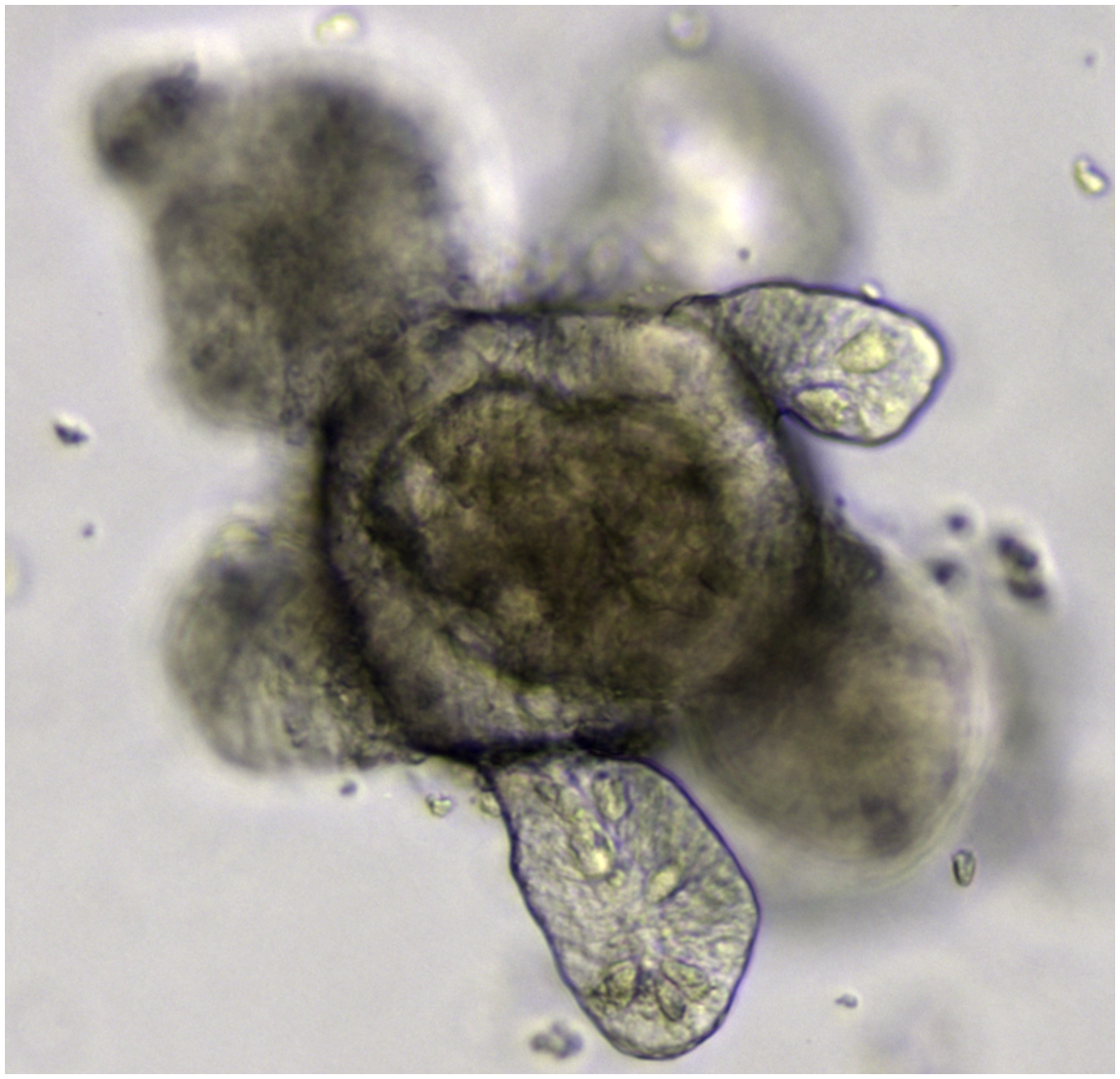
Organoid - Wikipedia image of an organoid

In genetic screening, certain genes are turned off one-by-one to see the effect of having that gene inactivated. Based on the information given by this process, geneticists can connect to dots when it comes to identifying genes and their specific functions. This process is usually carried out in fruit flies and nematodes, but it has also been starting to be tested on humans. There is now a grand understanding of genetic disorders and diseases caused by mutations in genes, but getting to this point took a long time. The knoblich lab at IMBA developed the CRISPR-LICHT that allows geneticists to analyze hundreds of genes in the human tissue in parallel. CRISPR-LICHT was inspired by the CRISPR-Cas9 which allows for editing of the genome by removing, adding, or altering parts of the DNA. CRISPR-LICHT applies a guid RNA and  a genetic barcode, which is a piece of DNA that is added to the genome to produce an organoid and allows geneticists to count the number of cells produced by the starting cell. This reduces noise so the effect of each guide RNA on the number of cells produced during organic growth can be detected in an easier way. Genetic screenings can now be applied to more complex organoid systems, to any disease affecting organ formation, and any brain disorder. I find this new form of technology to be extraordinary. To think of all of the possibilities you can do with this technique; you can potentially alleviate the lives of people who suffer through brain disorders, like autism or microcephaly.

https://phys.org/news/2020-10-groundbreaking-genetic-screening-tool-human.html


Wednesday, October 28, 2020

New hybrid embryos are the most thorough mixing of humans and mice yet

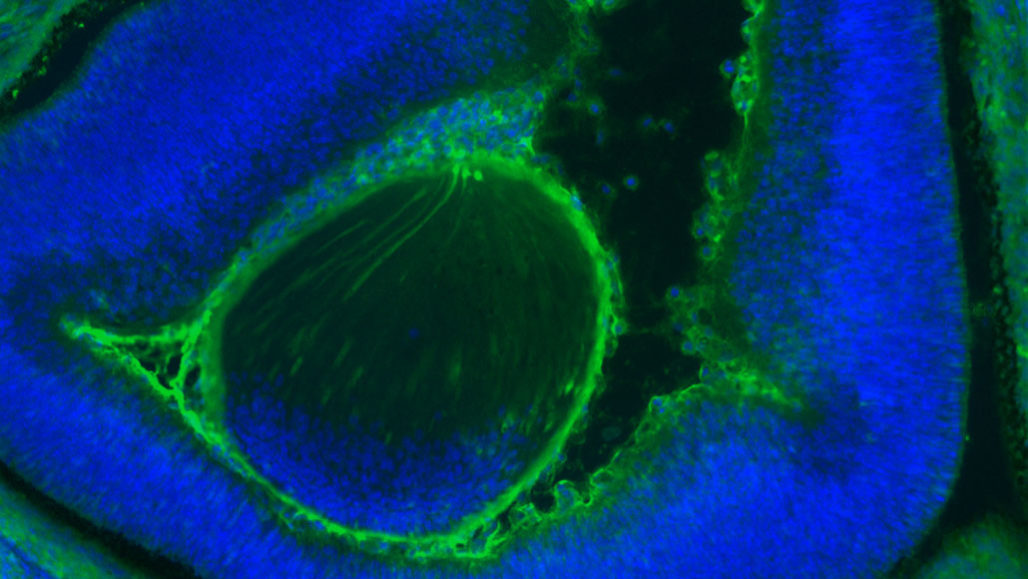
 false-color microscope image of embryonic mouse eye

According to ScienceNews, in an article by Laura Sanders, scientists have made embryos that are a lot mice, but a bit human. Human cells don't really grow well with other animals, but in a new mice embryo, 4 percent of it was human cells. From all the trial and errors, scientists came down to the fact that time played a crucial role. Human stem cells' development clocks must be turned back to an earlier phase known as the naive stage. "Feng and his colleagues reset the stem cells’ clocks by silencing a protein called mTOR for three hours. This brief treatment shocked the cells back to their naïve stage, presumably restoring their ability to turn into any cell in the body." These youthful stem cells were injected into the mouse embryos where the human cells knitted themselves into the developing tissues of the mouse. This eventually let to become the liver, heart, bone marrow and a bit of the brain. I think this article was very interesting as this could give rise to more advancements in science. To be more specific, this could help us study diseases and give a source to human organs. 

Tuesday, October 27, 2020

How malaria parasites hide from the human immune system

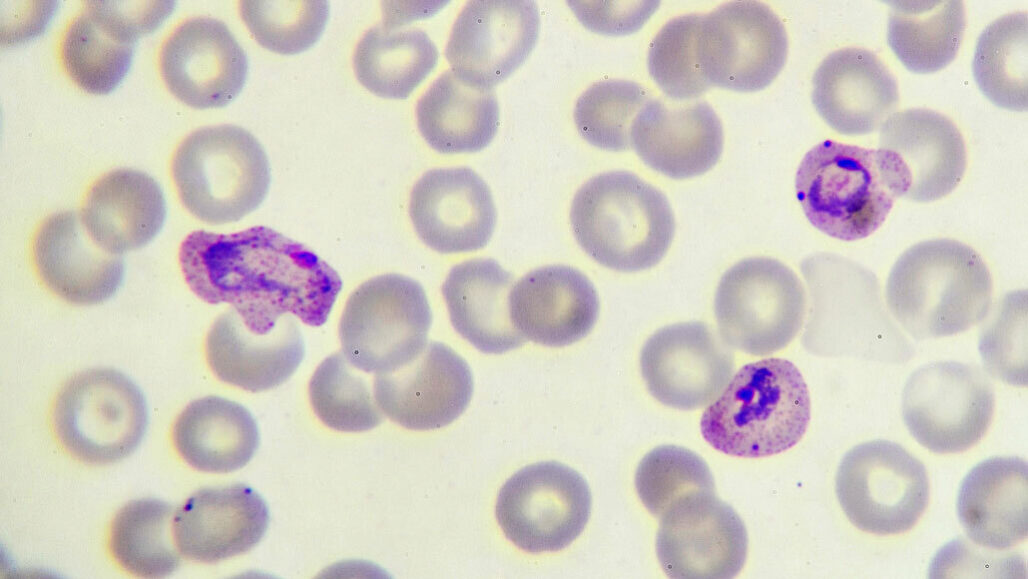
Plasmodium falciparum

According to ScienceNews, an article by Erin Garcia de Jesus, malaria parasites hide in the human body by keeping the cells they infect from clinging to blood vessels. By doing this, "infected cells get removed from circulation and parasite levels in the body remain low, making people less sick and allowing the parasite to persist undetected." This is why symptoms tend to wane during the dry season. This has been successful for the malaria parasite as it produces proteins and make them stick to the blood vessels so they won't be carried to the spleen. Researchers took samples to see if the gene was turned on or off from asymptomatic people in the dry season as well as symptomatic people in the wet season. "they saw that 1,607 genes had distinct seasonal patterns. In the dry season, 1,131 genes were turned on that were off in wet-season parasites. Another 476 were turned off in dry-season parasites, suggesting that when the wet season ends, P. falciparum may alter its genetics to make red blood cells less sticky." The one thing researchers are uncertain about is what genes are involved in the shift. I think this article was very interesting. First of all, this article is very recent and I think it's interesting to see how malaria parasites are able to hide in the human body and that researchers have just discovered this. As well as the fact that they are able to alter their genes which I had no idea they were capable of doing!

Ancient hanky panky gave modern goats their iron stomachs

GOAT: Greatest of all time. It is no wonder these amazing animals were one of, if not the first, to be domesticated. Domestication of the Capra aegagrus hircus goats was made easier due to the cross they had with the wild goat breed West Caucasian tur, giving them the important MUC6 gene. This gene is found in the lining of goats and helps protect them from parasites, which are very likely when they are in crowded areas for an extended period of time. The discovery of this gene gave more proof to researchers that the important genes for domesticated animals aren't always related to their appearance. The MUC6 gene makes maintaining goats easier for those who choose to raise them.

Monday, October 26, 2020

Your Genes Can Control Your Cholesterol Levels

Low-density lipoprotein - Wikipedia
Genetic mutations can effect the production or function of lipoproteins, which transport and store cholesterol. This mutation is called FH, which occurs when there is a mutation in one of your chromosomes for the LDL receptor , which plays an important role in balancing cholesterol levels. Homozygous FH occurs when both parents pass down the gene to the offspring and it leads to very high levels of LDL (low density lipoprotein), which leads to increased cholesterol levels in the blood, blocked arteries, and cholesterol skin deposits. This also occurs early in life, even during childhood, and it is difficult to treat. Treatment can include filtering to blood to remove the LDL particles, known as LDL apheresis. Heterozygous FH is when only one parent passes down the mutated gene and it still leads to elevated LDL levels, high cholesterol, and cholesterol deposits under their skin or on their Achille's tendon, but it does not occur early in life like Homozygous FH. Heterozygous FH is usually detected after the patient's first coronary event such as a heart attack, but it is easier to treat than Homozygous FH and treatment usually consists of oral medication. If one parent is heterozygous and the other parent does not have the mutation at all, all of their children will have a 50% chance of getting the mutation. Meanwhile if One parent is homozygous and the other does not have the mutation, all of their children will have a 100% chance of getting the mutation. Therefore, this mutation is a dominant trait because you only need one allele to express it. 


Sicke cell anemia: cause, symptoms, diagnosis and treatment.


sickle cell anemia is a disease that makes red blood cells have a sickle shape and be sticky, this makes them clump together and block vessels, they die early and provoke a lack f red blood cells as well. sickle cell anemia is part of the group known as sickle cell disease or SCD which is a group of inherited red blood cell disorders. sickle cell anemia is caused when a person is born with a pair of genes called "sickle cell gene", a person with only one gene becomes a healthy carrier. 
The symptoms of sickle cell anemia include: yellowing of the skin and/or the white of the eyes called icterus, swelling of the hands and feet, fatigue from anemia, strokes, blood clots, chronic pain, and damaged blood vessels in the eye.
 Sickle cell anemia is inheritable, parents can undergo testing to see how likely their child is going to have the disease, it can also be detected before birth using amniotic fluid or tissue from the placenta; finally, it can also be diagnosed with a simple blood test.
Some treatments for sickle cell anemia are penicillin/antibiotics to reduce the risk in young children, hydroxyurea to reduce the risk of SCD complications although you must talk to a doctor before taking it, pain relievers for chronic pain, and blood transfusions for the most complicated cases of anemia. 

https://www.medicalnewstoday.com/articles/sickle-cell-anemia#treatment

https://medlineplus.gov/sicklecelldisease.html


Sunday, October 25, 2020

Predicting which kids will succeed in school by their genes

According to researchers, there is a test that shows genetic likelihood as people grow up due to their specific combination of genetic variations. The test is known as the polygenic score; most scientists are using it to test the obesity and the cancer rate in patience. Due to the discovery of the effecting on life overtime chances, researchers have started to test the effect it has on academics in people.  With the polygenic score still being a relatively new tool, tests aren't as accurate, and mistakes do happen from time to time. The test is a prediction of what could happen, and it could change due to the environment around them. Many scientists and researchers have tried to find an answer for education and how genetic variations affect it, but no one fully knows how.

https://www.nbcnews.com/news/education/new-way-predicting-which-kids-will-succeed-school-look-their-n1243152 

https://www.genome.gov/Health/Genomics-and-Medicine/Polygenic-risk-scores#:~:text=A%20polygenic%20risk%20score%20tells,for%20having%20coronary%20heart%20disease.


Blue Bullfrog


    We all know that most frogs come in a green color or a brown color, not to mention frogs are found all over the world. This frog that was found in Indiana in a residents pond. This specific color is due to a genetic condition called axanthism. This genetic condition is very rare to find in the wildlife, in which is widespread through other amphibians. The color for frog's skin comes from an combination of skin derived underlayer called structural color which is blue. As well as color from the neural crest located on the spine of the frog that gives rise to pigment cells. That neural crest produces xanthophores which is yellow pigment. In a normal frog the yellow pigment created from the neural crest is spread through out the body and combined with the blue pigment which will make the green color we all know. However, frogs afflicted with axanthism which have an absent of a neural crest does not produce the yellow pigment to merge with the blue, the phenotype that is expressed is the blue structural color. I found this interesting because when you think of frogs you believe them to be green. Finding one like this is very rare and is a site to see. I had an idea to do this article after viewing a YouTube video and it was very interesting.

Video:

https://www.youtube.com/watch?v=tH5KPgeZRpg&ab_channel=BraveWilderness     

Link:

https://www.earthtouchnews.com/in-the-field/backyard-wildlife/blue-is-the-new-green-rare-turquoise-coloured-bullfrog-spotted-in-indiana/#:~:text=The%20blue%20frog%20owes%20its,a%20genetic%20condition%20called%20axanthism.&text=Interestingly%2C%20in%20the%20case%20of,rather%20a%20lack%20of%20yellow.

Saturday, October 24, 2020

TARR5 mutation discovery

 In “People with this mutation can’t smell stinky fish” by Katherine J. Wu, she talks about a new genetic trait that is appearing in Iceland citizens. Though the gene is very rare, it still has been seen throughout the country. The mutation makes it so that people with it can’t smell unfresh fish, unlike many people. Like many genes, the gene develops over time and takes a while to spread to others. The reason that the mutation had occurred was due to a change in the TARR5 strand. 

I believe that genetic coding does help understand why there might be a change in a gene in a population and that we should understand what the strands could change. Each genetic code has a different job; some can change causing mutations within an area over time. 

https://www.nytimes.com/2020/10/08/science/smell-fish-genes.html

https://www.ncbi.nlm.nih.gov/pmc/articles/PMC3564852/

Friday, October 23, 2020

DNA from 5,700-year-old ‘gum’ shows what one ancient woman may have looked like

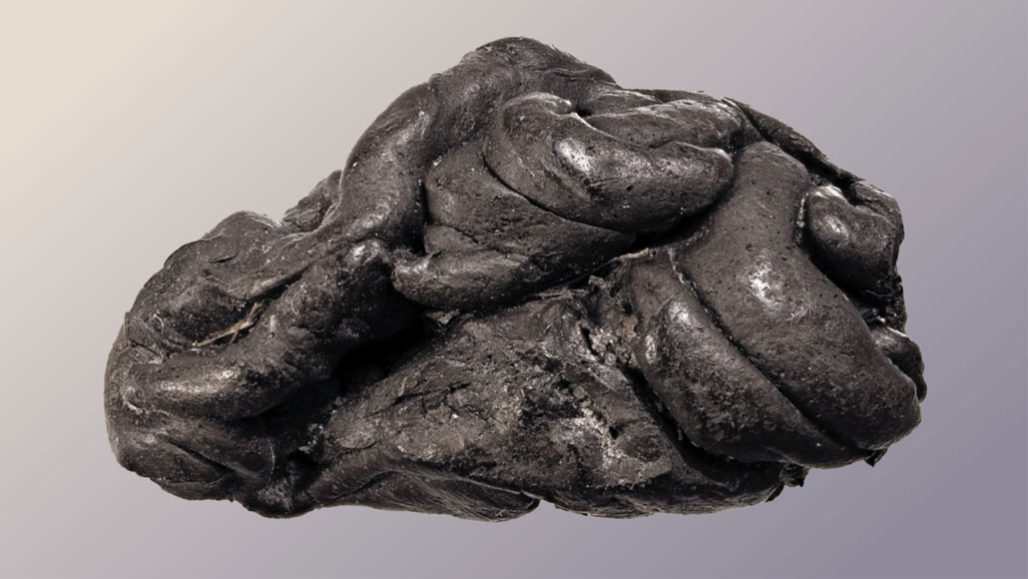
 chewed birch pitch

According to ScienceNews, fossilized bones and teeth are not the only source of ancient human DNA. In an article by Sofie Bates, a 5,700-year-old gum was discovered. Birch pitch also known as gum could hold enough DNA to piece together the genetic instruction books. The gum was discovered in Denmark and a team was able to obtain the genome of an ancient women. They were able to figure out that she probably had blue eyes, dark skin, and dark hair. Birch pitch was heated and made pliable; birch is also resistant to bacteria and viruses which is why the DNA was protected from decay. "The team also recovered DNA from microbes that may have lived in the woman’s mouth, including from older versions of Epstein-Barr virus, which causes mononucleosis, and bacteria that can cause pneumonia or gum disease." I think this article was interesting because who would of thought that a piece of 'gum' could have described the appearance of an ancient woman. I've always heard about fossils, but this is the first time I'm coming across a 5,700-year-old gum that still contained old DNA. 

Thursday, October 22, 2020

Transgender Genetics


Transgender people face an incongruence between mind and body, sex and gender, where their body displays certain reproductive organs that assign them to one sex, but their minds do not correlate with those organs and therefore assign them a different gender. Biological evidence has been found in a study of 30 transgender individuals that show that their incongruence is genetic and can be found on estrogen receptors in the brain. The level of prenatal estrogen exposure determines the level of masculinity in the offspring; the more estrogen exposure, the more masculine the offspring will become. This is because estrogen is synthesized from testosterone; the testosterone in the male bloodstream travels to the brain and is converted to estrogen locally, and this early estrogen is needed for males to exhibit their repertoire of male mating and territorial behaviors in adulthood. Females do not display this process and therefore do not exhibit those male behaviors. For cisgender males (people whose sex is male and they stay male because it matches their gender), their estrogen exposure happens early in the prenatal period, so they have the full repertoire of male behavioral characteristics. For transgender women (people whose sex is male but they transition to female because it matches their gender better), the estrogen exposer does not occur or the pathway is altered so their brain does not become masculinized; therefore they display a more feminine behavior. For cisgender women (people whose sex is female and they stay female because it matches their gender), they do not experience this process at all, but for transgender men (people whose sex is female but they transition to male because it matches their gender better), the estrogen exposure occurs when it usually would not, therefore resulting in a more masculine brain instead of a feminine one. This article really clears up the whole idea of transgender being a choice. This proves that transgender people are born in the wrong body and that they should be allowed to change their bodies so it fits them mentally. Cisgender people, most of the time, do not have to worry about or suffer through the thought of not fitting in or being comfortable in their given body, but transgender people go through that every day from the day they are born to the day they transition and feel like they can finally be themselves. 

https://www.sciencedaily.com/releases/2020/02/200205084203.htm


Nanoparticles Can Turn Off Genes In Bone Marrow Cells


MIT engineers discovered a way to turn off genes in bone marrow cells. This new discovery can help treat heart disease, which is a huge killer in America, as well as produce more stem cells in patients. Researchers did a study with mice in which they turned off these genes and inhibited the blood cells in bone marrow that produce inflammation as well as aid heart disease. The results showed that the mice were able to recovery easier from a heart attack given this technique. If this can work for tiny mice, imagine the effect it would have on humans especially in America where many people die every day from heart disease. Scientists begin a technique called RNA Interference in which they bring short strands of RNA to block the genes from being turned on that would promote the inflammation. These nanoparticles are able to target the diseased cells and the scientists are able to apply gene therapy. SDF1 is a gene that doesn't allow the blood cells to leave the bone marrow, and MCP1 is a gene that is released from bone marrow after a heart attack. By knocking down SDF1 with the use of nanoparticles, we are able to produce more stem cells which would help so many people. MCP1 delivers immune cells to the heart and aid with the progression of heart disease, by turning off this gene, we are able to improve heart disease. Another study with mice tested and the results came back to same. Overall, this is a great discovery that can help millions and I am so excited for what new discoveries on this topic come in the future.

https://news.mit.edu/2020/nanoparticles-bone-marrow-rnai-1005

https://www.ncbi.nlm.nih.gov/pmc/articles/PMC3423651/

Wednesday, October 21, 2020

DNA Mistakes May Lead to Cancer


We all know how our DNA base pairs should always be A to T and C to G but sometimes nucleotides will pair with the incorrect partner, creating a mismatch. These mismatches were found to have stronger interactions with transcription factors than correctly matched pairs. This is due to “lazy” transcription factors. Rather than doing its work to distort the binding site and using a ton of energy, it would rather bind to the already distorted DNA so the transcription factor protein uses less energy. If these mismatched nucleotides that are strongly bonded to the transcription factor proteins make it through the DNA replication cycle without being interrupted by the repair enzyme, it may become a mutation. And genetic diseases, such as cancer, are caused by mutations. 

It is crazy to think that something as big as cancer can be caused by what seems to be such a small mistake. One DNA base pair mismatch seems like such a tiny issue in the big scheme of things yet it creates such life changing outcomes. I think that this finding is very important but I think it will be difficult to find a way to prevent or fix this mistake.

https://www.sciencedaily.com/releases/2020/10/201021112356.htm

https://www.nature.com/scitable/topicpage/dna-replication-and-causes-of-mutation-409/

Tuesday, October 20, 2020

Got To Go? Scientists Uncover A Gene That Helps Sense A Full Bladder


Research scientists at The Scripps Institute in La Jolla, CA, discovered the gene responsible for making us urinate! Sounds really gross, but have you ever wondered why you always have a powerful urge to urinate. The gene that is responsible is the PIEZO2, which is kind of funny because it has "pee" in it. This gene is located in sensory neurons as well as the urothelial cells that help coordinate urination (Nature). These two cell types all the brain to know when we need to pee. It makes sense why the urge is so powerful because urinating is essential to our health. We need to get rid of the waste in our body and holing it in can cause damage to our health. This gene allows us to stay healthy, by letting us know, kind of like an alarm clock, when we need to release our waste. The neurons and cells work together to form the urge. When we have to pee, our bladder expands and this is hen the PIEZO2 genes that encode the proteins that are activated. An experiment with mice showed that removing the gene cause the mice to have trouble urinating, in which they urinated at randoms times not in a controlled way. Without this gene, we might be peeing randomly which is not something you would ant to see in public. They are conducting more research for the future to gain a better understanding.

https://www.genengnews.com/news/got-to-go-scientists-uncover-a-gene-that-helps-sense-a-full-bladder/

https://neurosciencenews.com/urination-genetics-17187/

Different types Gene-Based Therapies


Image result for gene based therapies

I never heard of Gene-Based therapies until I came across this article" Get to know different types of Gene-Based Therapies". This little talks about different types of gene-Based therapies that can be performed. The very first therapy this article talks about is called" Gene replacement therapy". This gives the cells a new, working copy of the missing or non-working gene. This gene is created in the laboratory and then packaged in a delivery vehicle called a vector then vector carries the cells to the nucleus of specific cells. The first time gene replacement therapy has been an area of study in humans was in 1989. It took a couple of years for the first gene replacement therapy to be approved by the food and drug administration for use in people outside of a clinical study. In late 2017, a gene replacement therapy was approved for the first time to treat a rare inherited disease, which causes vision loss. Another element that was mentioned in this article was gene editing. This technique inserts, removes, changes, or replace specific pieces of a person's existing DNA. Car-T cell therapy, this involves changing a person's own immune cells to recognize and fight cancer cells inside the body. 

https://www.exploregenetherapy.com/how-gene-replacement-therapy-is-different?utm_source=bing&utm_medium=cpc&utm_campaign=pep-unbranded-search-gene-therapy-201903&utm_content=consumer-patient-future-111&msclkid=d8968e67b34e11d865a9d1e8f19eacde


Monday, October 19, 2020

Researchers Point out Mutations in SARS-CoV-2's Evolution


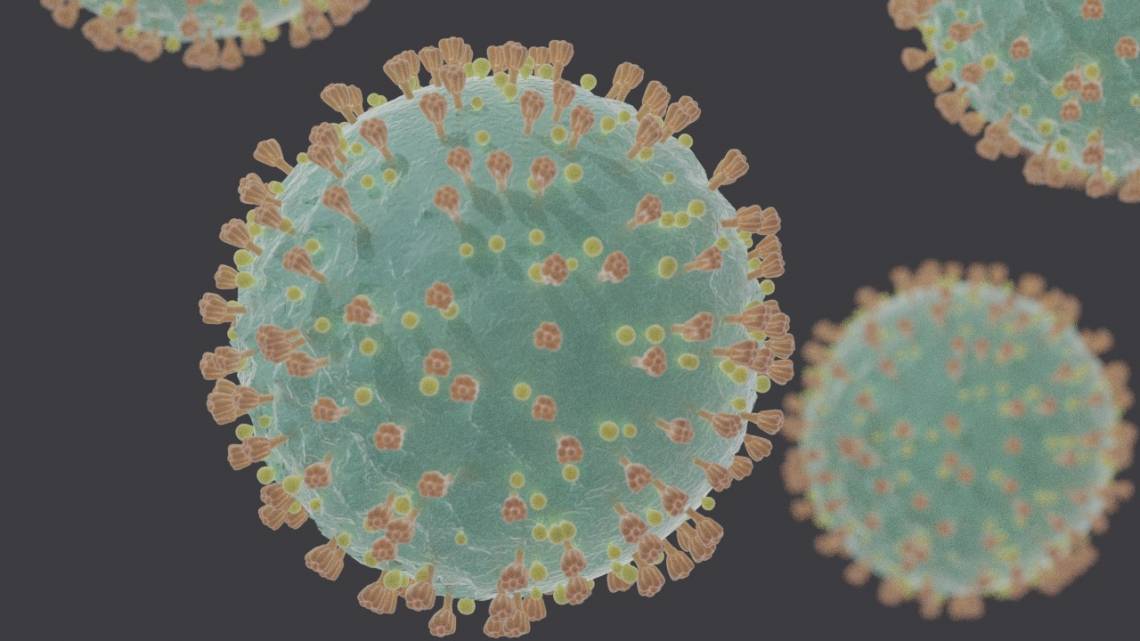
    SARS-CoV-2

  Researchers at Duke University have been looking into how SARS-CoV-2 mutated from animals and crossed over to humans. They discovered that approximately "30,000 letter mutations" lead to its evolution and they have been working to see how these mutations allow the virus to be so highly infectious in humans.

     Earlier research into SARS-CoV-2's evolution discussed its "spike" like projection that allows it to adhere to cells easily. However, this current research has pointed to mutations that ultimately changed the way the virus condenses its RNA as well as other genetic differences in this virus. This article specifically talks about the changes in two sections of the SARS-CoV-2 genome: "Nsp14 and Nsp16". These two regions underwent mutations that gave this virus a "biological edge without altering the proteins they encode"(Berrio et al. 1). This is important to understanding how this virus forms and replicates in cells since these two regions are involved early in the infection process. 

    While it's still unknown as to why or how these mutations occurred, every piece of understanding the way this virus forms can lead us closer to a cure/treatment(Berrio et al. 1). The understanding that these two regions are important in the beginning stages of infection with this virus can be pivotal when creating a treatment or vaccination. Every piece of information that science can gain in understanding how this virus works and how it mutates are steps towards better treatments and vaccines. 

useful links: Article #1Article #2

Does the APOE4 Gene Increase the Risk of Contracting Coronavirus?


    The APOE4 gene is a gene that affects the inheritability of Alzheimer's disease. If you inherit two copies of this gene, one from your mother and one from your father, you are 14 times more likely to develop Alzheimer's, compared to others with two copies of the APOE3 gene. A study recently done in England looked at 622 individuals who tested positive for Covid-19, and in this study, 37 of those people had two copies of the APOE4 gene. I know, this does not sound like that many people, but if you increase the sample size, this is 410 out of every 100,000 people, compared to those without the two copies of the APOE4 gene, coming in at only 179 out of every 100,000 people. Further studies are currently being done to test how having two copies of the APOE4 increase vulnerability of contracting coronavirus, but from what has been done so far, I think there is good evidence to connect this gene with increased risk of getting Covid-19. I think one factor that these researchers need to consider however, is the age of the people testing positive for Covid-19 and having the two copies of the APOE4 gene. Typically, Alzheimer's susceptibility increases with age, and so does susceptibility to coronavirus, so age needs to be a factor that is considered before we can accept the idea that two copies of the APOE4 gene increase risk of Covid-19.

Sources:

https://www.news-medical.net/news/20200527/Faulty-ApoE4-gene-increases-risk-for-Alzheimere28099s-and-for-COVID-19.aspx

https://www.mayoclinic.org/diseases-conditions/alzheimers-disease/in-depth/alzheimers-genes/art-20046552

https://www.sciencenews.org/article/coronavirus-covid-19-genetic-risk-factors-alzheimers-disease

Does you genes affect your workouts?


Exercising can be different for everyone; some people can have results sooner then others and some have more motivation than others. This NY Times article explains this. It talks about a study that was published in the Journal of Physiology. In this study, they got 42 pairs of twins (30 identical, 12 fraternal) to workout together for two three-month periods. In this first period they ran or cycled for an hour three times a week, then in the other period they lifted weights for an hour three times a week. In the study, almost all of the people that lacked in one period, succeeded in the other.  In the article, it states there was little evidence that genes shaped the outcomes because the twin’s responses are all different. Although this study was useful, I believe a lot was left out to consider like: did all the twins try hard every workout, were they eating right, did they all start at the same level? All of these questions could affect the results greatly. Overall, I still believe genetics affects working out which disagrees with this article. Many factors were not mentioned which makes me think the reason why the twins were receiving the same results is because of all these differences. I believe exercise is affected by both your genes as well as your environment. This would make some of the twins have similar results or different results depending on many different factors including genes. Genes may make someone better at one task, but if a person is more passionate about another they may try harder resulting in more progress in that one.


Extra resource

Intersex Athletes in Athletics


    Caster Semenya, a world and Olympic champion in the 800m, doesn't lose a lot. However, she recently lost her appeal about the IAAF's female testosterone level regulations. This appeal went all the way to Switzerland's Supreme Court and winning would've allowed her to compete in the upcoming Tokyo Olympics. Semenya has unusually high testosterone levels for a female, more than three times higher than the average female. This is due to a rare condition called 5-alpha-reductase. People with this condition are XY; however, they don't make enough dihydrotestosterone, a hormone that affects male sexual development, and are as born as intersex. Most people are raised as females and don't know about their condition until puberty when they develop male characteristics. Her high testosterone levels are viewed as an advantage by many including the IAAF, the world's governing body for track and field. In 2018, the IAAF set new regulations on testosterone levels for female athletes competing in events ranging from the 400 meters to the 1500 meters. If female athletes had testosterone levels that were too high, they would either have to compete as male or take hormone suppression pills. Semenya refused to take take these pills which is how we got to where we are today. In my opinion, there's no right answer to this situation. I don't think it's a bit unfair for women with normal testosterone levels to compete against her but I also think it's even more unfair and unethical for Semenya to have to alter her testosterone levels without a medical reason to. I hope they can make a some sort of compromise that will allow her to compete and is also ethical and safe. 


Eating Disorders Could Be Genetic


 For a while, eating disorders were looked upon as something people chose to do because they were sick in the brain. Recent studies have shown that eating disorders are far from being a choice. A new study, conducted by the Eating Disorder Genetic Initiative (EDGI), is being held at the University of North Carolina and they are looking at hundreds of genes that could be responsible for a person's likelihood of developing one of the three prominent eating disorders: anorexia, bulimia, and binge-eating disorder. They are also building upon a previous research study on anorexia that discovered 8 different areas in the genome that were responsible for the person developing anorexia. Since the start of the pandemic, eating disorder cases have increased and that could be because isolation prevents people from getting the social and emotional support/interaction that they need, and it gets rid of the daily structure people are used to. These things lead to people feeling more anxiety and eventually showing signs of eating disorders. EDGI is going to get around 100,000 participants from the US and the Netherlands for their study so they can have a larger pool of volunteers than the previous study. I think this study will really help alleviate some of the eating disorder cases because it brings awareness to the fact that this is not something that people choose to do, it is something that is genetic. Also learning about the biology of how eating disorders arise will help scientists find a cure for preventing or treating them. 

https://www.yoursun.com/coastal/health/university-is-mapping-the-genetics-of-eating-disorders-to-develop-better-treatments/article_b83d2a72-1183-59a3-a61c-855c579e4209.html

https://www.sciencedirect.com/science/article/abs/pii/0022399988900049


Sunday, October 18, 2020

 Common Cold Cure Possible?

Common Cold: Symptoms, Treatment, Causes, vs Flu, Duration & Prevention


    Studies completed by researchers at Stanford University and the University of California- San Francisco found it may be possible to protect ourselves from the common cold and other viral diseases by disabling just one protein in our cells. The approach of targeting proteins in cells has worked before to stop other viruses associated with asthma and polio. At least half of the common cold cases are a Rhinovirus, which are mutation prone and you can get them often. The way the researchers believe will stop this is by disabling the protein that allows for Enteroviruses, including the Rhinovirus to replicate. To see what proteins in human cells help replicate the virus. the scientists generate a. cultured line of human cells that can possibly be affected by this. When finding the cell they affect them with two different viruses and notice some cells managed to survive the infection and find the gene that had been knocked out. It managed to work on mice so maybe one day they will be able to not just protect us from the common cold but nearly all enteroviruses.

https://med.stanford.edu/news/all-news/2019/09/in-human-cells-and-mice-a-cure-for-the-common-cold.html

Saturday, October 17, 2020

Yoga and Meditation Can Change Your Genes, Study Says

DW Fitness First on Twitter: "Fancy striking some yoga poses amongst new  scenery? Book into one of these four incredible yoga retreats this summer  https://t.co/ew8eeGfDLh… https://t.co/9p8gi0MOMT"

Do you exercise or do yoga when you're stressed? Well according to the article by Amanda Macmillan on the NYTimes, yoga and meditation may do more than just helping you relax. British researchers analyzed previous studies of the biological effects of "meditation, yoga, breathing exercises, Qi gong and Tai Chi. The authors say, the studies show that these mind-body exercises appear to suppress the expression of genes and genetic pathways that promote inflammation."People who practiced these forms of exercises, had fewer signs of inflammation as well as a decrease of inflammatory proteins. This may eventually lead to a reduced risk of inflammation-related diseases and conditions. The more interesting thing about this article was that different types of mind-body techniques had similar effects at the genetic level. I think this article was interesting because there is a lot of stress from the life we live and the environment we surround ourselves with. It's good to see that even 15 minutes of yoga a day could benefit your health and help you live a better life style.  

Friday, October 16, 2020

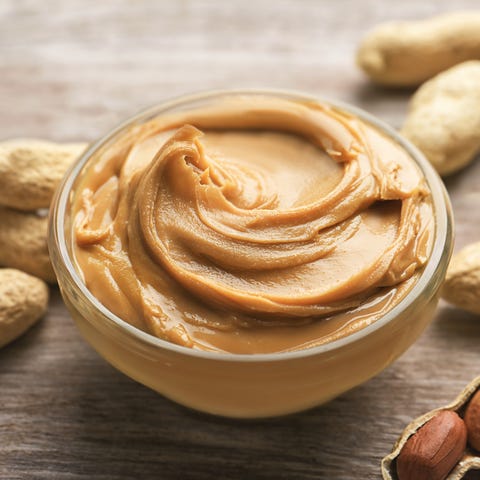
Wish you could have peanut butter?


Food, Peanut butter, Peanut, Ingredient, Nut butter, Dish, Cuisine, Paste, Dulce de leche, Produce,

Personally, I am not allergic to nuts or any nut related products but I've known classmates throughout my life that are deathly allergic to nuts and must carry an epipen around with them wherever they go. I, myself, am allergic to cats which makes my eyes blow up and a few different foods that make my throat itch like cherries, for example. I always wondered why someone may be allergic to something and why it    may arise later in life because I loved cherries when I was younger, they were even my my favorite fruit, but now if I eat one my throat will immediately begin to feel irritated. Jennifer Scott wrote an article explaining that when your body responds to an allergic reaction it  produces immunoglobulin (IgE) which send signals to certain cells which cause your your skin or throat to itch, hives throughout your body, or however your body chooses to respond to the allergy.  Research has shown that immunoglobulin has been found in genes that are essential to your immune system. Those genes on chromosome six have been linked to a peanut allergy. So it    could be possible that your immune system is attacking the food or whatever a person may be allergic to as if it    were  a cold or the flu and your body must react to show that something is wrong so don't eat whatever it  may be anymore. Allergies are also affected by a person's daily envirement such as house pets, diet, or air pollution. This could mean that by simply changing your diet your allergic reaction could decrease how it affects your body as a whole. More research must be done to fully understand why a person is a allergic to something is a consequence to the body. 

Thursday, October 15, 2020

Hate the Gym? Blame It on Your Genes!

Have you ever heard about a runner's high? Or that great feeling people get after a workout? Maybe you have never felt these things. Researchers are now finding out that the reason you may or may not like the gym could be in your genes. They have found that some people have a gene that interferes with the release of dopamine in the brain. Dopamine is the feel good neurotransmitter that regulates the pleasure and reward centers in the brain. If a gene interferes with that, you may not feel rewarded or pleasurable after a workout. This along with your personality of course. It could be considered a case of nature vs. nurture. You can always develop a passion and love for working out, it may just be harder. Just like you can have a gene that makes you more lazy, you do not have to live with it. You can fight it and train your body to be different. You can actually change the way your body reacts to working out. A study showed that a person who hated physical activity began running everyday for a week, and began to actually sort of enjoy it. Their neural pathways improved. This isn't to say they loved it, but it was a small change that could lead to something bigger. 


https://news.usc.edu/154932/hate-exercise-it-could-be-genetic/

https://www.thehealthy.com/bodies/quirky-traits-you-didnt-know-you-inherited/

Gene Editing To Produce 'Super Dad' Livestock


Gene editing is not a new concept today. Many scientists as well as research are using these tools to improve the quality of life here on earth. Along with improving the quality of life, the quality of food fall right in that category. Researchers are using these tool to produce better meat for production. Gene editing not only will improve our food source, but it would back so-called "elite animals", animals with more value. Professor John Oatley says, "This can have a major impact on addressing food insecurity...less water, less feed, and fewer antibiotics in our animals". This would make a huge impact both financially and health wise. Through selective breeding as well as gene editing of the CRISPR gene to manipulate the genome is used in producing desired livestock. Also scientist may be able to bring back extinct animals through the use of frozen sperm to regenerate the species. This was just a little extra information that the article gave.

https://www.bbc.com/news/science-environment-54155152

https://jeb.biologists.org/content/223/Suppl_1/jeb207159

Tuesday, October 13, 2020

Can you smell fishy odors?


 According to an article posted by the NY Times, some people have a mutation that makes them not smell the common fish smell. Dr. Stefansson, founder of deCODE genetics, conducted a study where people were they asked participates to smell six pens with synthetic odors. A small group thought the fish smell, was actually caramel scented. This mutation effects the TAAR5 gene. This mutation actually appears more common in Icelanders, which they have not figured out why yet. In my opinion this discovery is very unique. Normally when people think of mutation, they think of something being physical or mental wrong with someone, when in relative the severity ranges. Not being able to smell fishy scent may be better, at least I wish I didn’t smell them.


Addition article with information: https://www.nature.com/articles/d41586-020-02832-1#:~:text=When%20exposed%20to%20the%20reek,fish%20can%20smell%20like%20caramel

Sunday, October 11, 2020


Peruvians Shortest People on Earth Partly Due to Gene Variant.Genetics and genomics in Peru: Clinical and research perspective - Guio -  2018 - Molecular Genetics & Genomic Medicine - Wiley Online Library

There are over 4000 variants in DNA that affect a person's height, each affecting the height by a millimeter or so. Peruvians were found to be the shortest people with men average height of around 5'4 and female around 5'0 ft. Almost 5% of Peruvians have a gene variant that lower height by about 2.2 centimeters. This is the biggest effect on height recorded by a common gene variant ever. If the person carried the variant from two parents they are on average shorter by 4.4 centimeters than someone who doesn't have the variant. The variant is located in the gene FBN1, which is involved in the formation of bones, connective tissue, and other tissues. there are some rare variations on the FBN1 gene that can cause Marfan Syndrome. The 5% of Peruvians that carry this gene are not considered to be "sick" or have any disorder.

https://www.sciencenews.org/article/gene-variant-height-peruvians-short


Genetically Altered Squid May Pave the Way to New Research Methods


Image shows normal coloration/pigmentation in squid on the left and genetically altered squid on the right 

 Cephalopods have been studied extensively in the field of neurobiology. When conducting research, scientists always have had trouble figuring out the genetics to many unique traits that cephalopods have. Specifically, their ability to change color and texture of their skin as well as their intellectual level. Not being able to see the genomic structure of some of these processes have left scientists stumped. In this article, they talk about how scientists were finally able to alter the gene for coloration in squid. After figuring out how to accurately inject genetic information to developing embryos, scientists were able to alter the coloration in newly developed squid. By being able to do this, they are finally able to start understanding cephalopods at a genetic level. This is extremely important in the neurobiological field as cephalopods are studied extensively for their unique traits. This allows scientists to understand the processes as a whole as well as being able to further enhance studied to grasp a better understanding as to how and why these processes occur. 

    Cephalopods have always been interesting to me and I love reading about them in my own time. Seeing that scientists have been able to finally open the world of genetics into cephalopods is truly an exciting time. These creatures have a complex world of their own, which is highly studied especially on a neurological standpoint. Their intelligence levels are remarkable and their ability to also change color and texture of their skin is so unique. To be able to finally see these traits in a genetic level will help with research in many ways. Understanding their cognition and neural function on a genetic level may be able to help with projects in the neuroscience and medical fields. 


Link to the article

Link to supporting articles: NPR article 

Saturday, October 10, 2020

Deciphering the Y chromosome in various great apes to determine evolution

     A group of scientists from Penn State, used various Y-specific male chromosomes of great apes to determine how the chromosome developed along with studying the implications it has had on male fertility within humans. Based on the difficulties shared by sequencing a Y chromosome, for instance repetitive sequences, assembling sequences, and aligning sequences for comparison, the team had to create their own computational protocols to address the biological questions at hand. With regards to previous research, teams had already sequenced the DNA of chimpanzees, humans, and gorillas, to determine that the Y chromosome human's possess is more closely related to gorillas than chimp, and this lead to the use of the Bonobo and orangutan DNA for comparison. From the sequencing of the bonobo, it had determined that there were accelerated rates of DNA sequence change and gene loss, which now has the possibility of the pattern change prior to the evolutionary split of the two species. Orangutans acted "as expected" and served as a control group to to the other great apes. The scientists then tried to create a Y-chromosome based on the ancestors of the great apes, to determine the point at which they had separated as a species to help determine the evolutionary chain. Very interesting in terms of genetic evolution, and provides a large amount of insight into the difficulties of determining when and where gene loss occurs within the period of which species split. Hopefully the research the group has done provides a clearer image for the future in more research with regards to the Y-chromosome, and it can help determine the DNA in other species. 


https://www.sciencedaily.com/releases/2020/10/201006153503.htm


https://www.pnas.org/content/early/2020/10/02/2001749117

Friday, October 9, 2020

There's a Gene For Detecting That Fishy Smell, Olfactory GWAS Shows


Science researchers have discovered that there are genes for specific smells that not everyone have. The most popular tests they have done would be fish, licorice, and cinnamon. The gene trace amine-associated receptor 5 (TAAR5) is an olfactory receptor responsible for the fishy smell. Personally, I could go without this receptor and some are lucky enough not to smell fish, unfortunately most of us can. researchers say that people who have this gene do not have a strong sensitivity to the smell of fish, while others who don't have this gene do have a strong sensitivity to the smell. Likewise, carriers of the gene were able to accurately name and describe the intensity of the smell much more accurately than those who are not carriers. This all ties in with human perception as well as behavior. With this study, researchers and scientists are looking for ways to use these receptors to smell COVID-19 on people. This way dogs are able to sniff out people who have contracted COVID-19. This would be very interesting for the future and I am excited to see what comes of it.

https://medicalxpress.com/news/2020-10-gene-fishy-olfactory-gwas.html

https://www.sciencedaily.com/releases/2019/04/190430164208.htm#:~:text=Small%20differences%20in%20olfactory%20receptor,another%20smells%20nothing%20at%20all.


Tuesday, October 6, 2020

Wild Wolves Became Dogs


    It is common sense nowadays that the pets that we know and love, our domesticated dogs, descended from wild wolves. But when and how? Research shows that between 15,000 - 40,000 years ago, gray wolves and domesticated dogs descended from an extinct wolf species. Scientists used studies of mitochondrial DNA and DNA across different genomes to distinguish a time range. The DNA sequenced from the different genomes like the similarities in wolves and domesticated dogs back to Asia. It was discovered that dogs from southeast Asia have the highest genetic diversity and are genetically closest to the wolf. There are two popular theories as to how wolves became domesticated dogs that I found interesting. One theory is that wolf pups were stolen from their mothers and raised by humans as pets and gradually became domesticated. The other theory is that wolf pups interacted with human hunters and were separated by survival of the friendliest. 

https://www.nationalgeographic.com/news/2015/12/151217-dogs-domestication-asia-china-genetics-animals-science/#close


Monday, October 5, 2020

Massive Genetic study shows Coronavirus mutating and potentially evolving amid rapid U.S spread


This article states that scientists in Houston released a study of more than 5,000 genetics sequences of the coronavirus. This also releases that virus's continual accumulation on mutation which can make them more contagious and horrible. They are still working on finding that if the virus will be deadlier and dangerous.

https://www.washingtonpost.com/health/2020/09/23/houston-coronavirus-mutations/?arc404=true

https://www.boston.com/news/coronavirus/2020/09/24/massive-genetic-study-shows-coronavirus-mutating-and-potentially-evolving-amid-rapid-u-s-spread

Sunday, October 4, 2020

What Does Your Blood Type Mean?


Hopefully we all know our blood type, I’m O negative, this is very important information if you're ever in need of a blood transfusion. But what does your blood type even mean? We generally associate blood types with three different letters A, B, O, and by four main categories, A, B, AB, O. An individual with type A blood has A antigens on the surface of their red blood cells. Their plasma contains anti-B antibodies, which would attack any B antigens attempting to enter the type A blood person. This means if someone who possesses type A blood receives type B blood during a procedure, the body would reject the blood transfusion. If you have type B blood your red blood cell surface contains B antigens and would not receive type A antigens. If someone, like myself, has type O blood, we have O antigens on our white blood cells and we have antibodies that would attack both A and B antigens. People with type O blood are considered “universal doners”. We can donate to anyone, A, B, AB and O. However individuals with type O blood can only receive type O blood. People with type AB, on the other hand, are universal receivers, they can receive A, B, AB, and O blood types. O positive is the most frequently occuring blood type and is in high demand for that reason. O negative is in the highest demand since it is universal as anyone can receive O negative blood, yet it is one of the most rare blood types.

https://www.redcrossblood.org/donate-blood/blood-types.html

https://www.medicalnewstoday.com/articles/218285#risks

A New Tomato Ideal For Urban Gardens and Even Outer Space


Scientists have discovered a new form of planting crops. The Urban Agriculture Tomato prove to be efficient and beneficial to our environment. The gene-editing of the tomato has allowed it to bunch up closer together rather than in vine like fashion. The whole point of this new idea was to be able to grow plants in Urban areas that would likely not be able to produce the plants. This way more plants can be grown almost anywhere. They are even talking about growing them in space! This new advancement has made it possible for the tomatoes as well as other plants to be produced faster, easier, more efficiently and taste better. More people will be able to be fed as well. This also allows us to save land as well as decrease the amount of fertilizer used to aid crops from entering the soil and rivers. This ultimately proves to be beneficial to everyone and everything! The gene responsible for it all is SIER. This gene was modified with the CRISPR gene which led to the amazing, tasty tomatoes. 

https://www.agritechtomorrow.com/story/2019/12/a-new-tomato-ideal-for-urban-gardens-and-even-outer-space/11907/

https://www.frontiersin.org/articles/10.3389/fgeed.2020.00005/full

Are Diets Based on DNA Effective?

According to this article, several companiesーnamely myDNA, DNAFit and GenoPalateーhave recently come up with DNA diet kits that analyze differences in the expression of genes and recommend the “best” diet plan based on the differences. These DNA kits are a part of a relatively new sector of science called nutrigenomics, which applies nutrition to the human genome. Many scientists question whether the diet plans are effective or if the gene expression actually has an influence on the diet that each person should have. A 2015 review of studies studied how the gene expression of 38 different genes in 500,000 individuals affected the health outcome of the individuals, but there was not a conclusive relationship between genotype and effectiveness of a certain diet. For example, the JAMA study found that there was not a significant relationship between genotype and weight loss based on low-fat and low-carb diets. It is more likely that the culture that people grow up in affects the diet they should use, since different cultures eat different foods and have different mentalities about food. In fact, studies show that nutrition is based only 10% on genetics and 70% on behavioral, social, and economic factors.

Saturday, October 3, 2020

Genetically Modified Mosquitoes for the Win

Genetically Modified Mosquitoes Prompts Backlash

https://www.sciencemag.org/news/2019/09/study-dna-spread-genetically-modified-mosquitoes-prompts-backlash


For some time the company Oxitec has been trying to test genetically modified mosquitos to suppress or lower the amount of the actual mosquitos. Mosquitos can carry deadly diseases like the Zika virus, West Nile virus, and Malaria. The way the company tried to do this is by deploying male mosquitos that don't bite and bear a gene that should have the mosquito killed before adulthood. research from a team of independent researchers found out the offspring survived and produced another offspring that reached full maturity. The offspring as a result inherited some pieces of the genomes from the genetically modified mosquitos. So far nothing shows that these hybrid mosquitos are any more dangerous than the wild ones. The tests in the lab showed that only 3% of the offspring survived when the male ones mated with female wild mosquitos. The company has also shown to work by lowering the mosquito population by 90% in the Brazilian city Jacobina. They plan on trying this in Florida but are worried that the residents might not agree because of the first report showing that the GM mosquitos didn't work. The next test will have a better strain of the mosquitos released and hopefully, this can potentially get rid of any disease-carrying mosquitos for good.

Is Tilapia the Underwater Chicken?


According to this article, chickens have been bred for decades in distinct ways, and it seems like tilapia production is following in the chicken breeder’s footsteps. Just as chickens have been crossed to produce better eggs and meat, crossing distinct lines of tilapia has become a recent trend. Similarly, chickens have been bred for disease-resistance since the 1960s and because of the prevalent strains of disease present in tilapia (S. Iniae, S. agalactiae, Francisella, TiLV and columnaris), there has been a push to genetically improve tilapia by breeding only those with disease-resistance. An interesting concept that is being applied to both chickens and tilapia is genomic selection, which ultimately leads to genomic standardization. This includes analyzing the animals’ genomes in order to see if they are optimal for breeding and consuming, and since only those optimal animals are bred, the population becomes very similar in traits. Though having a “standardized” chicken or tilapia could potentially be good for the food industry, many people are concerned about conserving the original genome of the animals before humans started modifying them. In fact, many European species of chicken are considered extinct because the genome has changed so much from human modification. Many are concerned that this trend will also occur with tilapia if things continue as they are.

Friday, October 2, 2020

Procrastination Is in Your Genes


Sleeping Through Class (New Study): How Much It's Costing Students

Do you procrastinate and hold things off until the last second? Well according to an article by Alexandra Sifferlin on the NYTimes, procrastination is in your genes. Procrastination comes in different measures; some people are more likely to procrastinate than others. At the University of Colorado, a research was conducted surveying twins to see if procrastination had its roots. So, 181 identical and 166 fraternal twins were surveyed "on their ability to set and maintain goals, propensity to procrastinate and impulsivity." There have also been prior research which has indicated that procrastination and impulsivity are genetically linked. The research concluded that procrastination is genetic; researchers also concluded that "procrastination is an evolutionary by-product of making the rash decisions that go along with being impulsive." I think this article was interesting because it relates to a college student. Even though we try not to procrastinate, sometimes we just don't have enough time. Although we can't blame our procrastination fully on genetics, it gives us a reason to think why we do procrastinate sometimes.