Showing posts with label Genetic Screening. Show all posts

Friday, March 14, 2025

Nature versus Nurture? No, Nature AND Nurture

  A New York Times article from March 13, 2025, introduces a new field of biology, sociogenomics. The author argues that the nature of our genes and the environment in which we are raised both impact who we are. Although Dr. Dalton Conley states that sociogenomics is a field in its infancy, he presents multiple studies that show the interaction between nature and nurture. Specifically, he mentions a genetic test that can predict what types of activities a child will exceed and whether they will have any genetic conditions. He and his wife attempted to get IVF treatment and he asked the doctor to perform this test on the embryos. The doctor refused and Dr. Conley was eventually grateful because the couple had a child naturally without having any expectations about their baby’s strengths and weaknesses. However, Dr. Conley mentions a couple who proceeded with the PGT-P test and had the world’s first preimplantation genetically screened child who is supposed to be less likely to develop any genetic diseases throughout her life. The field of sociogenomics would probably argue that a genetic test will not prevent any “bad” from occurring to this child as the girl is still subject to environmental factors that could cause disease. For example, Dr. Conley presents data that one smoker in a high school class could influence many other students to start smoking regardless of whether they personally knew the original student. 

    I think PGT-P tests could be beneficial when considering genetic diseases that lead to a poor quality of life, but inevitably some parents are going to choose cosmetic genes rather than considering the health of their child. I imagine the field of sociogenomics will only grow with epigenetic studies and other research that takes into account environmental factors while also recording genetic sequences. I am intrigued to see how the first PGT-P child will age and if she develops any condition that the test said she shouldn’t. Overall, I found it interesting to learn about a new field of biology that will hopefully expand and make new discoveries in the broader field of genetics.

Links
https://www.nytimes.com/2025/03/13/opinion/genetics-nature-nurture-sociogenomics.html
https://www.wired.com/story/genetic-screening-ivf-healthiest-embryos/

Saturday, October 31, 2020

The New CRISPR

Organoid - Wikipedia image of an organoid

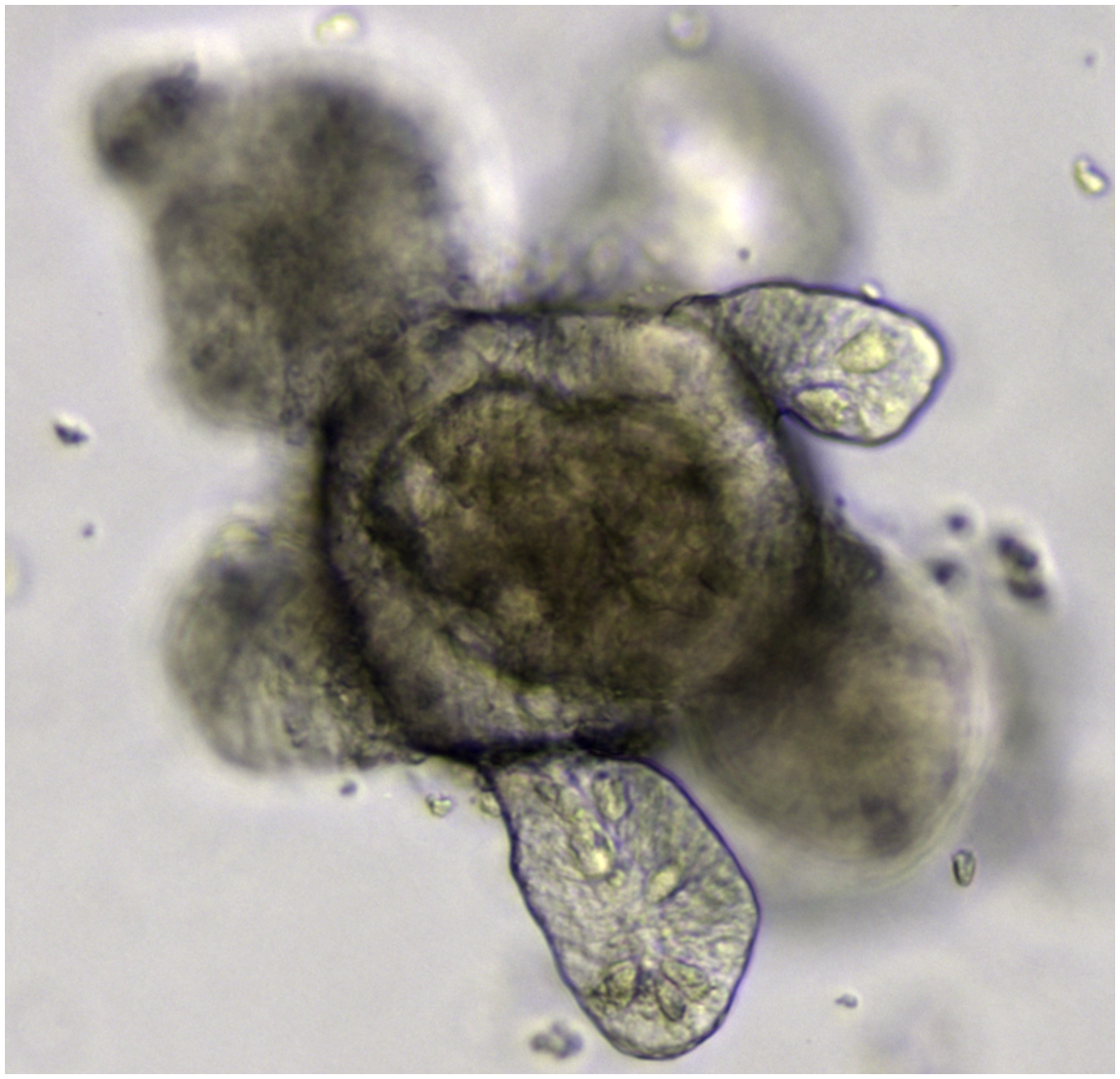
In genetic screening, certain genes are turned off one-by-one to see the effect of having that gene inactivated. Based on the information given by this process, geneticists can connect to dots when it comes to identifying genes and their specific functions. This process is usually carried out in fruit flies and nematodes, but it has also been starting to be tested on humans. There is now a grand understanding of genetic disorders and diseases caused by mutations in genes, but getting to this point took a long time. The knoblich lab at IMBA developed the CRISPR-LICHT that allows geneticists to analyze hundreds of genes in the human tissue in parallel. CRISPR-LICHT was inspired by the CRISPR-Cas9 which allows for editing of the genome by removing, adding, or altering parts of the DNA. CRISPR-LICHT applies a guid RNA and  a genetic barcode, which is a piece of DNA that is added to the genome to produce an organoid and allows geneticists to count the number of cells produced by the starting cell. This reduces noise so the effect of each guide RNA on the number of cells produced during organic growth can be detected in an easier way. Genetic screenings can now be applied to more complex organoid systems, to any disease affecting organ formation, and any brain disorder. I find this new form of technology to be extraordinary. To think of all of the possibilities you can do with this technique; you can potentially alleviate the lives of people who suffer through brain disorders, like autism or microcephaly.

https://phys.org/news/2020-10-groundbreaking-genetic-screening-tool-human.html


Sunday, April 15, 2018

Genetic Screening of Influenza Virus

Image result for influenza

     This years flu season has been very dangerous and frightening for many people. Therefore, this issue has sparked further research into the daunting influenza virus. Researchers have created a genetic screening invention that will reveal how influenza virus infects the lungs. This all began at the University of Chicago. The invention uses gene editing tools to gather a library of modified cells, each cell is missing a different gene. This technique shows scientists the way the body responds to the impact of catching influenza. This discovery could give scientists the ability to create an antiviral drug which would efficiently heal the patient. As of now there are not many medications to get rid of the flu, so it is crucial to work on this development. Researchers working on this project have performed many experiments discovering the genes that were allowing cells become resistant to the influenza virus. 

More information about the flu virus : https://www.cdc.gov/flu/index.htm

Tuesday, February 23, 2016

Breeding a Champion, Ridding the Mutants

The precision of dog breeding has greatly improved since the tool of DNA tests has become available to breeders. Whether or not the standards of some breeding techniques are ethically correct is still under debate. The NY Times article As Breeders Test DNA, Dogs Become Guinea Pigs explores the genetic breeding in racing dogs called "Whippets" as well as several other examples of genetic breeding in dogs.

Left - Regular whippet, Right - "Bully" whippet 

Eyebrows were raised once abnormally muscular mutant whippets starting arising in the litters of champion racing whippets. Scientists gathered DNA samples from race meets across the country and found that the oversized or "Bully" whippets have a genetic mutation that enhances muscle development. The mutation was found to be a defective copy of the myostatin gene, which inflates the muscles of some whippets while making others the quickest dogs on the track. Elaine Ostrander,  scientist at the National Institutes of Health, discovered that the fastest champion whippets had a single defective copy of the gene, while the "bullies" had two. Breeders are continuing to mate these fast dogs with one another even while knowing that they may have to kill off the unwelcome bullies that will often be produced. Some breeders express that breeding these genetic champions cause a championship to be "less earned", however these whippets are still being judged and raced along with the naturally gifted dogs.

The article also explains how the innovation of genetic testing on dogs is creating a model for scientists to study the unknown consequences that may arise from genetic testing. These models will be beneficial as DNA tests start to become further applied into our society. Not only is genetic selection disturbing the natural biodiversity in some dog breeds, it has also backfired in some ways. For example, since genes are often tied to multiple traits, scientists are finding that genes responsible for coat colors are also causing skin problems. Some positive uses of DNA screening are those that aim at improving health in dogs and also create models for improvement in human health. For example, Dobermans are being screened for a gene responsible for von Willibrand disease, a bleeding disease like hemophilia that also affects humans.

Overall I find it wrong to modify and rid dog breeds based just off of aesthetic and athletic purposes. This is diminishing the creative expression of dogs, killing off breeds, and is truly unnecessary. I think the whippet breeders should no longer be able to purposely breed and cultivate these racing dogs. Dog racing, which I'm not a fan of to begin with, should be left for the naturally gifted dogs to compete in. Mutants shouldn't be knowingly produced and killed either just so dog breeders can win a trophy. Genetic testing on dogs in my opinion is only ethical if it is being done in the name of health and medicine.

Friday, December 5, 2014

New Parents Favor In-depth Genetic Testing

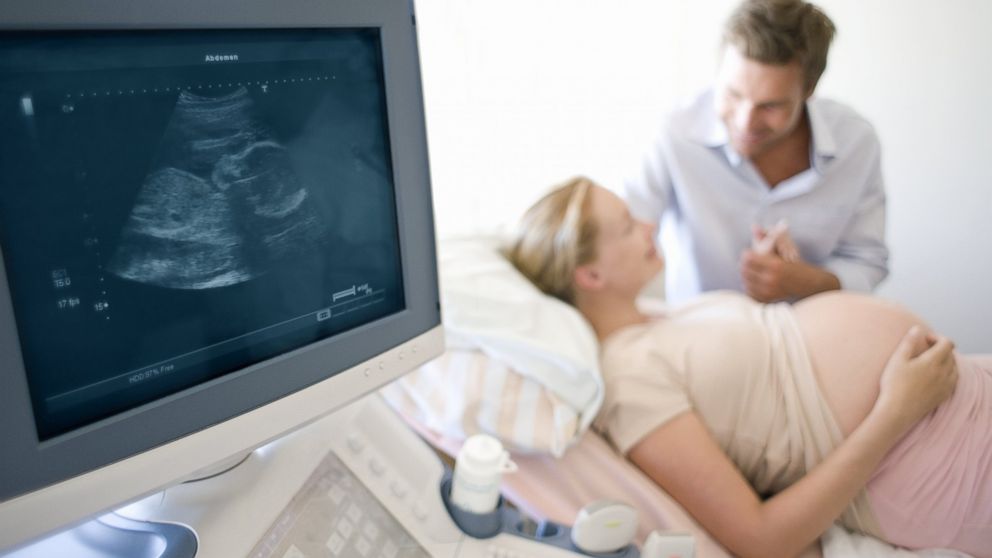
A Boston survey found that new parents are interested in having their newborn baby undergo in-depth genetic screening to learn about potential health risks.  Newborn babies currently get blood tests that screen for about 30 heritable and treatable conditions. The researcher's found that 83% of parents surveyed within the first 2 days of their baby's birth were interested in in-depth genetic testing for their baby. In-depth genetic screening is also well known as genomic testing, which has the potential to provide more comprehensive personal information than normal blood tests. The parents who took the survey were all similar regardless of age, gender, race, ethnicity, level of eduction, family history of genetic disease, or if it was their first child.


Harvard found that as whole-exome and genome sequencing is integrated into clinical practice, researchers are becoming more interested in providing in-depth health information for newborns that is not already known from standard blood screenings.
I believe advancements in newborn genetic testings is a step in the right direction. If parents find out the genetic sequence of their child at birth that can help treat a medical condition before it gets out of hand.


Article: http://health.usnews.com/health-news/articles/2014/12/04/new-parents-favor-in-depth-genetic-testing-survey-finds


Thursday, November 6, 2014

Researchers in Oregon identify autism-risk genes

Researchers at Oregon Health and Science University have identified 27 genes that may cause autism. OHSU's research has the potential to create a screening mechanism to help determine if future children are also likely to develop autism. The genes identified by the OHSU team are the results of mutations and are not inherited from either parent.

Since about 1 in 68 U.S. children have autism, based on the article from CNN, research on autism is growing. Understanding the mutations of each gene involved can help researchers come up with a cure or maybe even ways to prevent it. 
Since the 27 genes don't appear to cause autism in everyone with the mutation, it is cautioned in prenatal screenings.
I believe OHSU's research is a great advancement in screening for autism, but still needs major work done before relying on for prenatal screening.

Article: http://www.reuters.com/article/2014/10/31/us-usa-oregon-autism-idUSKBN0IK2AX20141031

Monday, April 14, 2014

Sneak peak of your future baby!?


ABC News journalist, Gillian Mohney informed us about new technology in the genetic world through the article "New Technology Allows Parents Genetic 'Preview' Before Conception." Women who want to get pregnant use the Gene Peeks company to look for sperm donors and analyze them by  seeing how their DNA reacts with hers. This can possibly prevent any kind of genetic complication that might occur if they were to conceive. The company examines about 500 genetic conditions and a whopping 8,000,000 genetic mutations. Once the user is done with the analysis, she will have a "personalized catalog" of donors to choose from, as Mohney puts it.
As of now two fertility clinics are locked in to utilize this technology in the United States later on this month. But of course, there are some experts who are skeptical about getting a "genetic preview" of the baby before it's born. A professor at the John Hopkins Berman Institute of Bioethics, Dr. Jeffrey Khan said that people should realize that this is based off of probability and not how it's definitely going to be. He figured because the company uses algorithms to make 100 virtual babies of what their DNA might be like, doesn't mean that one of them is the one you're going to take home. Another worry of his is that people might not comprehend their worksheet that might be detailed with complicated possibilities. This new technology, he says, is an updated version of sperm bank shopping.
- - - - - - - - - - - - - -
I feel like this combined with a pedigree of the woman who wants to get pregnant will be an efficient way to make sure her future child won't have any difficulty. Although, Dr. Jeffrey Khan is right in the sense to understand that the system gives you possibilities and not finalities. Hopefully, the personalized catalog of sperm donors is easy to read because if it's confusing, women might misinterpret or shy away from using what they've found because they don't understand it.

To learn more about Gene Peeks click here: http://www.genepeeks.com

Wednesday, November 9, 2011

SNaPshot Makes Genetic Testing a Snap

The article says it will soon be possible for sophisticated genetic screening to be done on a routine basis in a normal clinical practice with results returned in as little as a few weeks. Cancer patients can be screened for a number of different cancer-causing genetic changes. So this means cancer patients can now more effectively be treated with therapies that target their specific genetic needs.

The test is called SNaPshot. The test looks at genetic changes that occur in cancer cells. It tests more than 50 spots where mutations often occur in 14 major cancer genes. The mutations disrupt the behavior of normal cells which causes them to multiply out of control and result in tumors.

SNaPshot helps to match patients with targeted therapies that will attack and control genetic abnormalities in various cancer types. It does this by identifying the patient's individual genotypes.

This personalized medicine is expected to improve response rates by up to 45% among non-small-cell lung cancer patients. This genetic screening is going to become common for lung cancer patients. However, its applications have been extended and it is being used to screen for colorectal, breast, and gliomas tumors. In the future, it is intended to be used to screen the cancers of the blood.