Tuesday, April 9, 2024
Find Out Why All Dentists are Having Trouble Falling Asleep
Tuesday, April 13, 2021
The Oldest Animal DNA Ever Recovered Reveals Mammoths’ Evolution
Genetic material from ancient mammoth molars becomes the oldest data ever recorded from an animal. The mammoth DNA was extracted from three molars unearthed in the 1970s from permafrost in northeast Siberia. The cold permafrost helps to protect genetic information from rapidly falling apart. Theoretical studies had suggested that researchers could perhaps recover DNA that is more than 1 million years old. This beats the previous record set by 700,000-year-old DNA from a frozen, fossilized horse. The oldest two specimens of mammoth, dubbed Krestovka and Adycha, lived around 1.2 million to 1 million years ago. Genetic analyses of ancient DNA recovered from these specimens suggest that Krestovka and Adycha belonged to two different mammoth species. Researchers had previously thought that only one type of mammoth, called the steppe mammoth, lived in Siberia 1 million years ago. While Adycha was part of the steppe mammoth lineage that eventually gave rise to woolly mammoths, the Krestovka mammoth may have diverged from its relatives more than 2 million years ago. This could represent an unknown line of mammoths, which could have mixed with woolly mammoths and given rise to the Columbian mammoth. This mammoth roamed North America at least 420,000 years ago. The study adds to the amount of mammoth genetic material researchers have decoded and expands the geographical range where such mammoth samples have come from. Analyzing the genetics of many mammoths from varied locations is how you get to learn their biology and how diverse they were. It is very interesting that they were able to discover important discoveries like this.
links
1.https://www.sciencenews.org/article/oldest-animal-dna-ever-recovered-mammoth-evolution
2. https://earthsky.org/earth/worlds-oldest-dna-mammoth-evolution-video
Friday, October 23, 2020
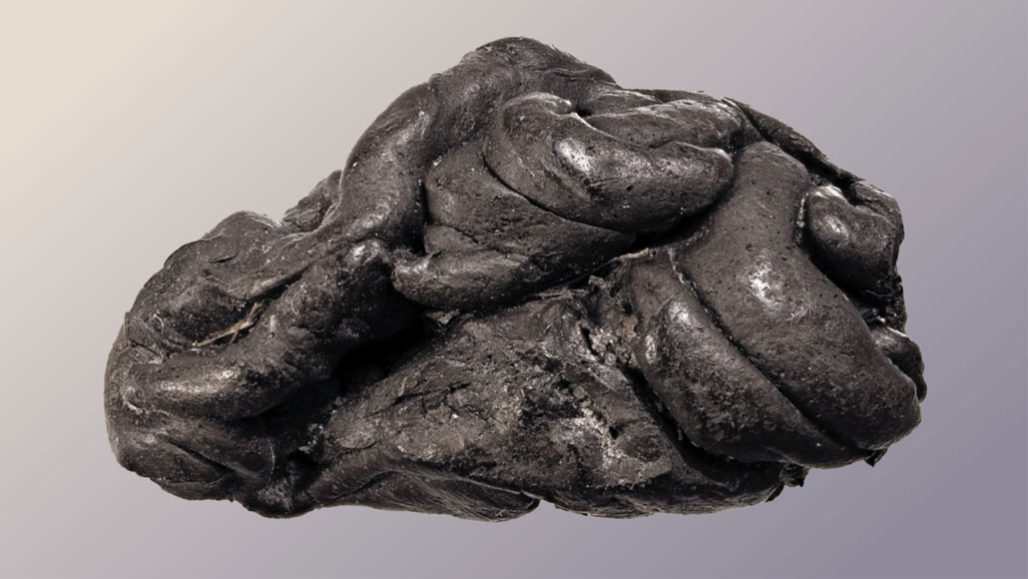
DNA from 5,700-year-old ‘gum’ shows what one ancient woman may have looked like

Wednesday, December 4, 2019
Did The Ancient Egyptians Farm Ibises?
Scientists have discovered rooms filled floor to ceiling with these sacrifices. This raises an interesting question. Where did these birds come from? Ibises have not been native to Egypt in hundreds of years. It is unknown if they migrate in large enough flocks with high enough frequency to provide the quantity of birds required for these uncovered offerings. A theory offered instead is that they were farmed by Egyptians.
The mummification process is fantastic at preserving DNA. Scientists were able to extract mitochondrial DNA from several birds. Due to controlled breeding, you would expect to see lower levels are variance between domesticated individuals. Instead, scientists found the same levels as measured in modern day ibis wild populations. While this is not enough evidence to rule out the possibility of Egyptian farms, it suggests there might be more to the story than we currently know. I thought this was an interesting application of mitochondrial DNA. Since the mitochondrial DNA is passed down from the mother, I wonder if its possible to trace the lineage of a modern ibis to one of these mummified birds.
Links:
https://search.proquest.com/nytimes/docview/2314696925/C49933956F5741C4PQ/19?accountid=29054
https://www.smithsonianmag.com/smart-news/dna-suggests-ancient-egypts-millions-ibis-mummies-were-wild-caught-birds-180973556/
Monday, April 17, 2017
Dental plaque leads to news about Neanderthal diet
Research done by Laura Weyrich, a microbiologist at the University of Adelaide in Australia, has shown that plaque found in fossilized teeth proves that Neanderthal diets were a wide range of things. DNA was recovered from calcified plaque on teeth from four Neanderthal individuals. Two groups were found, one from the grasslands and one in the forests. The DNA from the individuals around the grasslands proved to eat woolly rhinoceros and wild sheep and the DNA from forests showed to eat moss, mushrooms and pine nuts. This shows that Neanderthals were neither vegetarian or herbivores. Also found in the DNA were materials from trees that act as aspirin. Any information found in fossils is truly amazing. To further our knowledge on the cavemen, helps us understand evolution and how we are today. This article shows that the Neanderthals were very smart, and knew about medicine way before we thought they did. This is a major break through for us.
Article: https://www.sciencenews.org/blog/science-ticker/ancient-dental-plaque-tells-tales-neandertal-diet-and-disease
Related article: http://www.pnas.org/content/108/2/486.full.pdf