Monday, August 9, 2021

Editing Bacterial Genomes

 Program Memories Into Bacterial Cells by Rewriting Their DNA

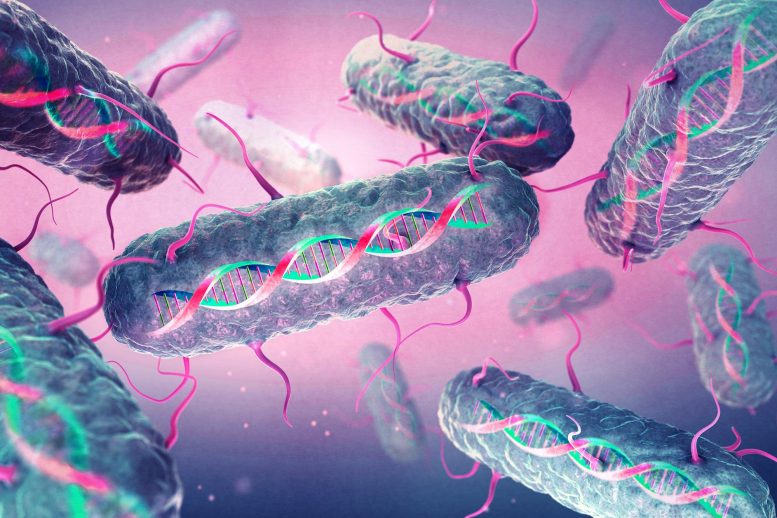
 Researchers have come up with a new DNA writing technique, called HiSCRIBE, which helps them more efficiently edit bacterial DNA. By rewriting the DNA, these engineers can program memories into the bacterial cells and store information there that can be later retrieved by sequencing the cell's DNA. It is also hoped that this can be used to edit, activate, or silence select genes in bacteria living in communities outside of a laboratory. HiSCRIBE is the successor to SCRIBE, which had a low writing efficiency. Researchers first worked with it using E. coli to try to store long-term memories by engineering the cells to produce an enzyme which produced a single stranded DNA. This did not work as E. coli has a defense that stops single-stranded DNA from getting into their genome. With HiSCRIBE, they eliminated these defenses and were then able to get the E. coli to incorporate the DNA. 

The hopes for this is to be able to one day alter bacteria in humans, such as altering antibiotic resistance off in bacteria.


 https://scitechdaily.com/mit-researchers-devised-a-way-to-program-memories-into-bacterial-cells-by-rewriting-their-dna/

 https://www.cell.com/cell-systems/fulltext/S2405-4712(21)00251-9?_returnURL=https%3A%2F%2Flinkinghub.elsevier.com%2Fretrieve%2Fpii%2FS2405471221002519%3Fshowall%3Dtrue

New Research Strengthens Relationship Between Genetics and Suicide


Scientists at the University of Utah Health are working on a study called the Utah Suicide Genetic Risk Study (USGRS) in order to further understand suicidal behavior in order to prevent more. For this study, they worked with the Medical Examiner's Office to get DNA from over eight thousand suicide victims and with the Utah Population Database to get medical, demographic, and genealogical data. They have found a few things so far. One is that they have identified five rare genetic variants that can help them identify genes associated with suicide. Rare variants can change proteins and genes and how they both function, which can influence the likelihood of a person committing suicide. Along with variants, they also found a pair of variants for a gene that also increase the likelihood. Neurexin-1 (NRXN1) regulates synapse activity in the brain. Variants for this can elevate the risk of suicide. They have also discovered that among those who suffer from bipolar disorder, those with prior trauma and with a genetic disposition for post-traumatic stress disorder (PTSD) are at a greater risk of suicide. They found that these individuals are ten to thirty times more likely to commit. While researchers are still gathering this information, they do have to note that while a person may have these variants and genetic history, it does not mean that they will commit suicide, just that their risk is elevated.


 https://uofuhealth.utah.edu/newsroom/news/2021/07/7-suicide-genetics.php

 https://cronkitenews.azpbs.org/2020/08/31/suicide-family-genetic-risk/

Scientists genetically modify daddy long legs to have short legs

Most of What You Know About Daddy Longlegs Is Wrong | Nature and Wildlife |  Discovery 

Researchers from the University of Wisconsin-Madison have sequenced the genome for the Phalangium opilio, also known as the daddy long leg spider. The ultimate goal of the study was to learn more about arachnid genome evolution and how these genes gave rise to such features as fangs and pinchers. While researching this, they took the genome and used RNA interference to turn off the genes associated with leg development in these spider embryos. The result was that six of their eight legs came out shorter than normal and were closer to a pedipalp appendage, which is used for food. The researchers next plan is to develop the first transgenic P. opilio, from this genome.


https://www.cnet.com/news/scientists-tweak-daddy-long-legs-genes-to-create-daddy-short-legs/

https://www.genome.gov/genetics-glossary/Genetic-Engineering

Mr. Frosty the Gecko May Help us Understand Skin Cancer Better


        Mr. Frosty the gecko belongs to the variety of leopard geckos named Lemon Frost geckos. These geckos tend to develop skin cancer, and this may be due to a single gene that us humans also have in instances of melanoma. Therefore, these Lemon Frost geckos may be able to be used to find better treatments in skin cancer for humans. A specific region of the geckos genome has been identified for the skin cancer seen, and further research may link to humans or other animals. The mutated gene found was SPINT1, which has also been seen in tumors on humans, mice, and fish. 
        The fact that geckos, such as Mr. Frosty, have similar genes involving skin cancer to ours is unbelievable. Further research with the Lemon Frosted geckos will hopefully one day help us to treat and cure skin cancer, even the most dangerous melanoma cases. 

https://www.sciencenews.org/article/lemon-frost-gecko-skin-cancer-tumors-genetics

similar article, but different kind of cancer:
https://www.ncbi.nlm.nih.gov/pmc/articles/PMC3484523/

Immunotherapy May be the Key to Eradicating Lupus


        The treatment known as CAR T-Cell immunotherapy has previously been approved in the United States for cancer patients, but researchers have tweaked the process slightly, and has successfully sent a Lupus patient into remission. There was a rapid response; the woman with Lupus had no symptoms six weeks after the treatment. The researchers had programmed the CAR T-Cells to target B-cells within the woman's body, which had proven to have profound positive affects. Previous treatments have failed to push the patient into remission, leaving them with symptoms even after taking medication. 
        This treatment may very well be the key to eradicating the disease Lupus. With a new direction and new technology, the future seems promising for patients with lingering symptoms. With further research this treatment may even be able to help with other autoimmune diseases, the possibilities are endless!

https://www.usnews.com/news/health-news/articles/2021-08-05/car-t-cell-immunotherapy-rids-woman-of-tough-to-treat-lupus
https://www.cancer.gov/news-events/cancer-currents-blog/2019/immunotherapy-cancer-autoimmune-diseases-clinical-trial 

The Genetic Roots of Sleep Issues and Autism May Be Related


According to a new study of autistic people and their relatives, the genetic factors that have a role in autism may be entwined with those that underlie insomnia. This discovery may be able to help explain the common co-occurrence of autism and sleep issues. According to previous research, up to 90 percent of people with autism encounter disrupted sleep, and approximately 30 percent have a clinical diagnosis of a certain sleep disorder. The study reveals that close relatives of those with autism are also at a high risk to develop insomnia.

50,097 autistic people, along with nearly 56,000 of their full siblings, 31,669 half-siblings and 214,665 cousins were identified by using the Swedish national health registries. Approximately 23 percent of the autistic participants suffered from insomnia or took melatonin, in comparison with 1.1 percent of the control group participants. The study showed that the more closely related the relatives are to the austistic individual, the higher the chances that they will suffer from sleeping issues. For example, identical twins had about 6.6 times the typical odds of suffering from insomnia, while cousins had approximately 1.3 times the usual odds. Out of this study, shared genetic factors explained 94 percent of the correlation, whilst nonshared environmental influences accounted for only 6 percent.

Helpful Links:

Sunday, August 8, 2021

First US Case of Human-Led Insect Extinction Confirmed by DNA From 93-Year-Old Butterfly

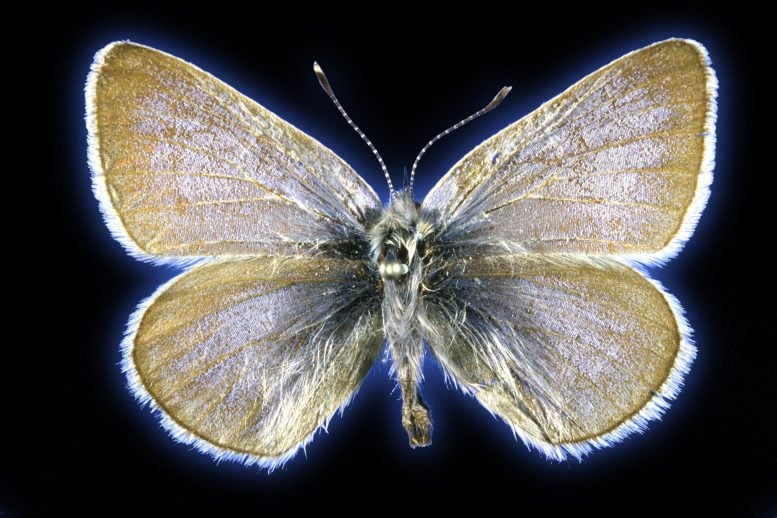
 93-Year-Old Xerces Blue Butterfly Specimen

 The Xerces blue butterfly (Glaucopsyche xerces) is thought of to be the first insect species being drove to extinction by humans, with the rapid urbanization in the San Francisco area in the 1940s playing a role. There has been a lot of question over if this butterfly was in fact a separate species or just a sub-population of a common butterfly but researchers have taken a specimen from a museum collection and analyzed its DNA and found that is was, in fact, its own species. Researchers were able to extract a piece of a specimen's body and sample and treat the tissues in order to separate the DNA and analyze it. While the specimen was over ninety three years old and DNA does degrade over time, its stability helps slow down the degradation. 


Researchers continue to analyze DNA of extinct species when possible for a multitude of reasons. The first is the possibility of bringing extinct species back to life. While this seems like a good reverse of damage that was done, they do argue conservation of still living species should be the focus. Another is to see what we can learn from them to further our current conservation efforts. This study specifically shows the relationship between humans and insects, the latter of which is experiencing a high level of extinction which could affect all ecosystems severely. This also shows the importance of museum collections and other specimens for future use and study.


 https://scitechdaily.com/first-us-case-of-human-led-insect-extinction-confirmed-by-dna-from-93-year-old-butterfly/

  https://royalsocietypublishing.org/doi/10.1098/rsbl.2021.0123


DNA pulled from thin air identifies nearby animals

Researchers can now collect and sequence DNA from the air | Live Science 

 Tracking animal DNA is something that has been done on land and in the water but researchers have recently been able to do it in air. British and Danish researchers have found a way to identify DNA in the atmosphere released from wildlife. Teams set up vacuum pumps throughout the Hamerton Zoo Park in Cambridge and Copenhagen Zoo and were able to find DNA from the animals there in the filters. One of the most impressive parts was that not only did they get DNA from the animals currently at the zoo, they were also able to pick up on genetic material from the animals used as food for the others. This technique can be incredibly beneficial in the future as ways to study and detect rare species or those who are harder to find, e.g. those that live in caves, burrows, etc. The one downside to this technique that while they can detect that an animal was present, there is no way as of yet to figure out when it was there. There is also no way of knowing how long DNA lasts in air so this technique will have to be worked on more before being used.

 https://www.sciencemag.org/news/2021/07/dna-pulled-thin-air-identifies-nearby-animals

 https://www.theguardian.com/science/2021/aug/08/dna-from-thin-air-a-new-way-to-detect-rare-wildlife-in-hostile-environments


More than 30 Ancient Viruses Discovered from Glaciers in Western China


    Scientists discovered a variety of ancient viruses, frozen for at least 14,400 years, in two ice samples taken from the Tibetan Plateau in China. The glaciers of western China are not well-studied, and most of the viruses are unlike anything scientists have ever seen before. Genetic codes for 33 viruses were discovered by researchers as the ice was analyzed. Four genetic codes of the viruses showed they are part of virus families that commonly infect bacteria. However, 28 of the genetic codes have never before been identified by scientists. It is believed that the viruses originated from plants or soil rather than animals, and the ice's extremely low temperature has preserved the codes. The viruses were found to have signatures of genes that assist them to infect cells in extremely cold environments.  

A method by lead researcher Zhi-Ping Zhong, developed to decontaminate the ice cores and to study microbes and viruses in the extreme cold, could assist scientists in searching for these special genetic sequences in other extreme icy environments.  This could lead to more discoveries on other planets such as Mars, or the moon, as well as other environments on Earth such as the Atacama Desert. Also, as scientists understand very little about microbes and viruses in these particular extreme environments, and what is actually there, this new discovery will aid researchers in collecting data and learning more about how viruses respond to climate change. This could be important as the glaciers start to melt due to global temperatures rising. The documentation of how these viruses will survive will be crucial knowledge to Earth's future.


Helpful Links:

Article: Scientists Discover Almost 30 Unknown Viruses Frozen In Ice

Article: Scientists Find 14,400-Year-Old Microbes and Viruses in Tibetan Glacier Ice


By Katherine Morone

Gut Microbiome Affected by Genetics More Than Once Thought

Why the Gut Microbiome Is Crucial for Your Health 

Our gut microbiome is made up of microorganisms that live within our digestive tract and ensure the proper function of it. While our lifestyle and diet has a large impact on the health of it, a new study shows that genetics can also play a large role. Researchers studied baboons for over fourteen years in Kenya's Amboseli National Park and looked at over sixteen thousand gut profiles. What they found was that up to 97% of gut microbiome phenotypes were heritable. This is in contrast to older studies that found only 5 to 13% were heritable. This stark difference is likely due to older studies only focusing on profiles at one point in time and not across time. While researchers did find more connection to genetics with gut health, they also found that environmental factors such as weather and age also had a big influence on the gut. Finding this connection between genetics and the gut microbiome can be very useful in the future in order to help shape treatments for people with gut problems.


Article - https://www.genengnews.com/news/gut-microbiome-affected-by-genetics-more-than-once-thought/

Study -  https://science.sciencemag.org/content/373/6551/181


Saturday, August 7, 2021

New Research and Studies Show Genetic Diversity in Corn


    Research and studies showed newly assembled genomes of 26 different genetic lines of corn, showing the crop’s rich genetic diversity. Detailed in an article published in the journal Science, first author of the study and an associate professor of ecology, evolution and organismal biology at Iowa State University, Matthew Hufford, says that these genomes as references can better help plant scientists select genes that lead to better crop yields or stress tolerance. The first corn genome, mapped in 2009 at Iowa State by Patrick Schnable and Doreen Ware and team, was the genetic line known as B73. Since then, B73 has served as the primary reference genome for corn, and scientists have a limited understanding of genetic sequences in corn genomes that are not in B73. The 26 genomes mapped in the new study, however, encompass a wide range of genetic diversity, including popcorn to sweetcorn to field corn from different geographical and environmental conditions. This genome mapping provides more reference data in order for scientists to combine maize genetics for targets that could lead to better crop performance. The large genetic diversity present in corn, however, creates major hurdles for the creation of new genomes, since 85% of the corn genome is composed of transposable elements. Hufford, comparing these elements to a jigsaw puzzle because the majority of pieces are one color. This repetition makes it harder to determine how the parts fit together. Technological advancements allow tools for researchers to overcome these hurdles, and allows for longer sequence reads, which make the pieces of the puzzle larger and more likely to be arranged properly by scientists.


Link to Study: https://www.sciencedaily.com/releases/2021/08/210805141202.htm

Link to Article: https://phys.org/news/2021-08-corn-genetic-diversity-genome.html


Risks of Familial Amyotrophic Lateral Sclerosis (FALS)

    Amyotrophic Lateral Sclerosis is a neurodegenerative disease that affects nearly 5,000 people a year. Upon diagnosis, the body's nerve cells located in the spinal cord will begin to die causing loss of muscle mass, strength, and inability to control movement.  While over 90 to 95 percent of ALS cases are labeled as sporadic cases, meaning there is no proof of family inheritance, the other 5 to 10 percent of cases show family history of ALS. According to medline, there is proof that the ALS mutation has been passed on as a autosomal-dominant allele, homozygous recessive allele, and even as an X-linked dominant pattern. FALS begins to show symptoms in a person's late forties, early fifties. In extremely rare cases, the body can begin to degenerate in its adolescent years. 

    Every case of ALS varies in its own way, there are four key genes that are found to be mutated in cases of ALS. Those four genes are as follows, C9orf72, SOD1, TARDBP, and FUS. About 60% of cases of FALS have identifiable genetic mutations, where as the other 40% have unidentifiable mutations. Initial symptoms of ALS include uncontrolled body movements, weakness, and loss of facial muscles. ALS is most commonly known as Lou Gehrig's disease, my second link is a foundation started by a fraternity brother who was diagnosed in 2011. His wife, Suzanne Alexander carries on her husband's legacy by raising money for ALS research and treatment methods. 


Link: https://medlineplus.gov/genetics/condition/amyotrophic-lateral-sclerosis/

Link: https://livelikelou.org/

Not All Identical Twins Have Identical Geneotypes


    Iceland researchers recruited 381 sets of identical twins and found that only 38 pairs possessed the same exact genes. On the other hand, most of the twins had many genetic differences and 39 pairs of twins had more than 100 differences in their genes. On average the pairs of twins differed by approximately 5.2 gene mutations. These differences were likely determined before birth, before, or just after one embryo split to become two. Many mutations arise because the enzyme tasked with copying our DNA makes mistakes, and if the mistakes are not corrected, it results in gene variability among the pair. Mutations discovered in the newly studied twins infer that embryos do not split in half neatly when the two twins are formed. Hence, the more uneven the split of the embryo, the greater the gene difference will be between the twins. 

    Some of these mutations, likely given to one of the twins only, can be bold and hapless. In nearly three-quarters of cases of monozygotic twins having an autoimmune disease, only one twin is affected. This is called, “disease discordance,” and includes conditions like hemophilia, multiple sclerosis, and Duchenne muscular dystrophy. Rarely, some "identical" twins may even end up with differing sex chromosomes. Monozygotic twins, as they should be called, may appear identical at first glance, however, very complex dynamics are at play under the surface. 


Helpful Links:

Article: Some identical twins don’t have the exact same DNA

Article: Identical Twins Are Not Identical


By Katherine Morone

How to Control Epilepsy

HOW TO CONTROL EPILEPSY


    Epilepsy is a medical condition where it affects the brain resulting in an individual having seizures. This is a long term condition to have to live with, there is not just one type of seizures; there are different types of seizures most of the time it is associated with epilepsy. For example, a person can be can be shaking and fall down, or some appears as "staring spells". 

    Some way people have manage their epilepsy are through medications, fixing their daily activities such as having a healthy diet, receiving regular amount of sleep, and lowering stress. A major necessity is to have a healthy support from family and friends. It is very important to find a specialist for this condition to continue with treatment. 


1. Epilepsy Fast Facts | CDC

2. Four Ways to Get Better Seizure Control | Features | Epilepsy | CDC


Friday, August 6, 2021

Covid-19 Vaccination Complications


COVID-19 VACCINATION COMPLICATION


    In the last few months, the Covid-19 vaccine has come out, many people agree with receiving the vaccination and some not so much. Regardless, if you agree with it or not, every vaccination always has a possible complication either short term or long term. 
    Some serious cases, involved anaphylaxis, TTS (thrombosis with thrombocytopenia syndrome), myocarditis and/or pericarditis, and even death. It is important to speak with your own healthcare provider, to determine the risk you might take if you already have previous medical conditions. This vaccine is place on the arm, of your deltoid muscle because it is an intramuscular injection. There is also some side effects an individual can experience from the vaccine such as pain, swelling, and redness on the arm the shot was given. After a few hours, you can experience fever, nausea, body aches, headache and etc. These side effects should stop after a few days. 


The Testing of Covid-19

 THE TESTING OF COVID-19

    During this pandemic the Covid-19 virus has killed so many people and caused chaos around the whole world. In the beginning of the pandemic, there was no testing for it, after there are two main testing known as PCR and rapid. The most accurate testing would be the PCR which most of them get send to the lab. Most of the rapid testing are done in office, and most of them are antigen tests. 
    These test are performed by a nasal swab, which is the most effective way. It can also be done by saliva, it is less accurate than the nasal, but it is another option. The testing feels as if you had water up your nose. Unfortunately, this test must be perform in order to detect for the virus. As an MA (medical assistant) who performs testing and has been tested many times, the best test to choose is the PCR, most places that require a test ask for a PCR test. Rapid antigen test can come back as a false negative. It depends on the patient, and it is important to talk to your healthcare provider. 


2. https://health.ucdavis.edu/health-news/newsroom/different-types-of-covid-19-tests-explained/2020/11 

Genetic variations could one day help predict timing of menopause


     Coloured scanning electron micrograph (SEM) showing cells coloured pink and brown.Recent studies have shown that there are numerous genetic variants that are involved in determining the age of the onset of menopause. People who are born with ovaries have a set number of oocytes that will either mature into eggs or be destroyed if they contain damaged DNA. As these people get older, the number of these cells continues to decrease until this store of eggs is completely gone and menopause sets in. Researchers have found 290 different variants that determine when that store of eggs will become depleted. The biggest gene to affect this is CHEK2, which can delay menopause for a few years by affecting the CHEK2 protein. Researchers are looking into how they can target this gene in order to help women who want to have kids later in life. This study has only been done in mice so far but one day they hope to be able to see it in humans. 

https://www.nature.com/articles/d41586-021-02128-y

https://www.sciencedaily.com/releases/2019/06/190612110127.htm


The Cause of Parkinson's Disease

 THE CAUSE OF PARKINSON'S DISEASE

    Parkinson's disease is a brain disease that occurs when aging, and causes mental and behavioral complications. The individual who suffer from this condition tends to be unbalance, incoordination, and has difficulty memorizing. The major cause of Parkinson's disease is when the nerve cell in the brain dies or starts to lack. As a result the loss of norepinephrine occurs. 

    In Parkinson's disease, some of the genes that are linked to this disease are SNCA, PARK2, PARK7, and PINK1. This such any important condition because it can affects both females and males. Unfortunately, there is no medical examination for detecting this condition. 


1. Parkinson's Disease | National Institute on Aging (nih.gov)

2. The Genetic Link to Parkinson's Disease | Johns Hopkins Medicine

Is BPD Genetic?


Borderline Personality Disorder is a mental health disorder that is often characterized by unstable moods, self-image, and behavior. People with BPD often struggle with creating stable relationships with people. About 1.4% of the U.S population suffers from BPD. But how does genetics relate to BPD? Borderline Personality Disorder involves two genes: DPYD and PKP4. These genes are a large component of whether or not a person develops the disorder. Not only are these genes linked to BPD, but they are also linked to other brain disorders such as schizophrenia and bipolar disorder. BPD has a heritability rate of 46%. In addition, an individual is more likely to develop BPD if a family member has the conditions. How close one is to the family member also affects if a person develops BPD or not. Researchers often use hazard ratios to describe the risk and heritability of BPD. For example, identical twins have a hazard ratio of 11.5, meaning they are more likely to develop BPD than fraternal twins who have a hazard ratio of 7.4. Last but not least, treatments of BPD include psychotherapy, schema-focused therapy, among others. I hope that as people learn more about mental health conditions such as BPD, the stigma around mental illness slowly starts to fade.


Article Link: https://www.verywellhealth.com/is-borderline-personality-disorder-genetic-5191970


Related Link: https://www.forbes.com/sites/traversmark/2021/08/01/new-research-offers-insight-into-the-origins-of-borderline-personality-disorder/?sh=1beee2ea412a


Thursday, August 5, 2021

THE DETECTION OF ALBINISM

 THE DETECTION OF ALBINISM 


    Albinism is a medical condition that affects a person's skin color, eye color, and hair color; it tends to be white. This condition is cause by the decrease of tyrosinase activity. Albinism has different types of patterns, it depends on the genes of the chromosomes and the mutation that occurs. It is an inherited condition, that is considered to be an autosomal recessive defect. This means that it is passed on from family members; meaning there must be a history of this condition in the family. According to one of the websites, "In certain ethnic groups we found at least one mutation in all, and two mutations in over 90% of albinos."  

    This medical condition can be detected by a "..light and electron microscopic examination of melanogenesis in fetal scalp biopsies or by molecular genetic tests" during pregnancy. The physical appearance of the individual can involve a major factor for detection; their skin pigmentation, eye color, and hair color is white and abnormal. This condition can also be associated with bowel disease and bleeding problems. When an individual suffers from this condition it is important for the individual to speak with their doctor to explain the treatment and restrictions; such as avoiding a long time in the sun, and wearing sunscreen. 


1. Prenatal diagnosis and carrier detection of albinism | Genetics in Medicine (nature.com)

2. Albinism | Genetic and Rare Diseases Information Center (GARD) – an NCATS Program (nih.gov)

Bunnies Do Handstands Instead of Hops: Genetic Defects

 rabbit standing on front paws

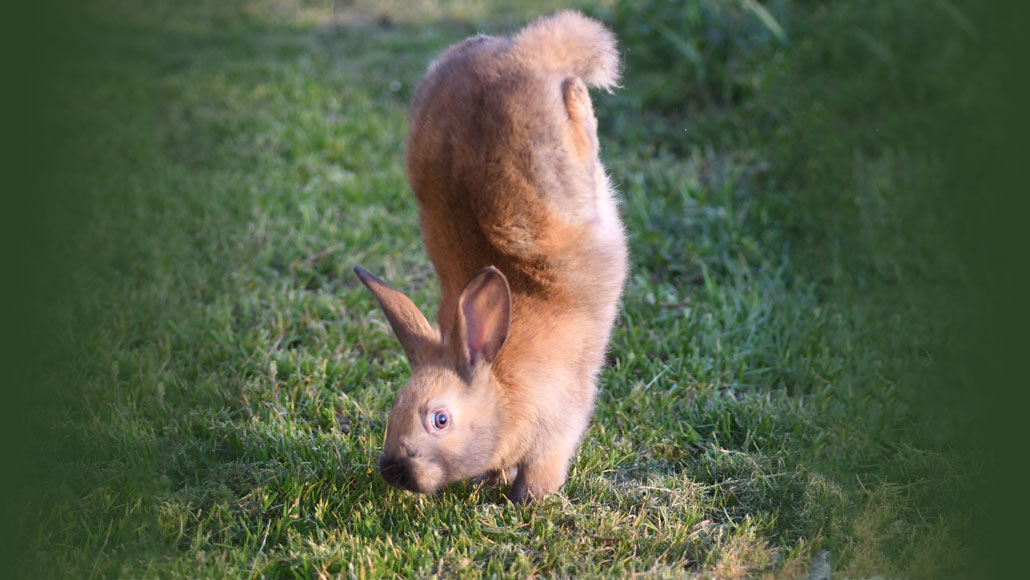
In this article, Erin Garcia de Jesus discusses how a genetic defect may cause bunnies to do handstands instead of hopping as a way to move fast. A rabbit called sauteur d’Alfort sends its back legs sky high and walks on its front paws. That strange form may be the result of a gene tied to limb movement, researchers report March 25 in PLOS Genetics. Mice have also shown this similar trait and walked on their front limbs to run. 

Understanding this genetic defect and how they move, can help improve our knowledge on the spinal cord. A mutation in the RORB gene is a likely candidate for the rabbits’ handstands. That mutation causes faulty versions of the genetic instructions that cells use to make proteins, which means there is less of the RORB protein in specialized nerve cells in rabbits that have the mutation compared with rabbits that don’t. Without the RORB protein in spinal cord nerve cells (interneurons) , the rabbits may lack the ability to coordinate what their hind limbs are doing, which affects their ability to hop regularly. Understanding this, and how one possible mutation affects how animals move, and ultimately help develop ways to repair the body when defects in RORB cause diseases/immobility. 

Links:

https://www.sciencenews.org/article/rabbit-handstand-front-paws-gene-defect-video

https://www.nature.com/articles/d41586-021-00775-9#:~:text=An%20unusual%20rabbit%20that%20walks,hind%20legs%20in%20the%20air.

Sickle Cell Anemia Presence in Africa


    The inspiration of this article comes from a conversation I had today with a co-worker whose ancestry descends from Nigeria. We work in an emergency room together, our experiences today is what initiated this conversation. Sickle Cell Anemia (SCA) is a homozygous recessive trait that causes an abnormality amongst red blood cells, hemoglobin is the protein in your red blood cells that is responsible for carrying oxygen. Sickle cell anemia is common in places where malaria amongst mosquitoes is prominent, natural selection promotes family pedigree who are resistant to the malaria disease. In turn, if a person is immune malaria they unfortunately carry the sickle cell trait. This immune population can either be heterozygous or homozygous recessive. Being diagnosed with sickle cell anemia brings many potential health risks including sickle cell crisis, vaso-occlusion blood clots to digits in infants, the spleen, lungs, etc. If someone has sickle cell anemia, they are immune-compromised, if their body were to come in contact with common bacterias that cause pneumonia, or common colds, without proper medical attention these bacterias can yield fatal results. The first link of my article is a video that gives insight on the pathophysiology, potential health risks, and treatment methods of sickle cell anemia. I recommend giving it a watch, as it is quite fascinating. 

    Reflecting back on the conversation with my co-worker, she began to explain some methods countries in Africa and South-East Asia use to try to mitigate the presence of this brutal disease in their countries. In her home country, it has gotten to the point where churches will not conduct a marriage unless the genotype of the parents is confirmed. If the engaged couple runs the risk of producing offspring who can suffer from SCA, the church will not conduct the marriage. While some may regard this as unethical, the prevalence of sickle cell in their country is alarming. It is estimated about 150,000 children in Nigeria have SCA, and nearly 25% of the country are heterozygous carriers of the trait. Since there is no cure for the disease, the only way to lower these numbers is to try to prevent it from being passed on. This was a very interesting topic to me, if anyone has more insight on this please leave a comment as I would like to learn more. 


Link: https://www.youtube.com/watch?v=fIIJmg_1hv0

Link: https://bmcmedethics.biomedcentral.com/articles/10.1186/s12910-019-0376-8

Link: https://www.cdc.gov/ncbddd/sicklecell/data.html 

Genetic Variation could Predict Timing of Menopause


A recent study involving 200,000 women revealed hundreds of genetic variants that were involved in determining the age of menopause. 290 different variants dictate how the body responds to eggs with damaged DNA. Researchers believe that one day studying these variants will broaden reproductive lifespans, and improve in vitro fertilization. Studying these variants may also lead to the creation of a diagnostic test that helps predict when women will begin their menopause cycles. Not only do these variants allow scientists to predict reproductive processes, but it allows researchers to learn so much more about the genetic influence on reproductive processes. Studying these variants has already been so beneficial. First off, it has led to the discovery that many women who have delayed menopause have lost function of the CHEK2 gene. This gene, as a result, produces the CHEK2 protein causing cells with damaged DNA to stop dividing or worse, triggering to self-destruct. Without studying these variants, we would not have the abundance of knowledge that we do regarding the female reproductive system. Knowing these things allows women to take precautions ahead of time and allows them to lead a better and healthier life.


Article Link: https://www.nature.com/articles/d41586-021-02128-y

Related Link: https://www.theguardian.com/society/2021/aug/04/genetic-secret-to-age-women-start-menopause-discovered

The Genetics & Biology in Preeclampsia

The Genetics & Biology in Preeclampsia


    Preeclampsia is a medical condition that occurs during pregnancy, “...characterized by the onset of hypertension, proteinuria, and edema”(Kanasaki and Kalluri). This condition results from placenta defects. It affects approximately 5 to 8% of women during pregnancy. One of the most common and major complications is hypertension (high blood pressure) which is often associated with preeclampsia. This can cause complications to the mother and the unborn child. This condition leads to the presence of edema, which has the plasma volume lower than normal. This may cause damage to the mother and baby’s organs, because of the lower systemic perfusion. Preeclampsia can affect not just the pregnancy, but also the kidneys, because it can cause glomerular endotheliosis. “The risk of preeclampsia increases in those who have limited sperm exposure with the same partner before conception” (Haram et al.).

This condition can cause other medical conditions such as HELLP syndrome, which brings more complications to the pregnancy. In many studies, it shows the “evidence of a genetic association with preeclampsia for the endoplasmatic reticulum aminopeptidases 1 and 2 (ERAP1 and 2) genes. The ERAP1 and ERAP2 genes encode enzymes that play roles in blood pressure regulation via involvement of the renin-angiotensin system in addition to the innate immune system” (Haram et al.). Preeclampsia is still being studied and researched to understand the cause and all of its factors involved.


1. Genetic Aspects of Preeclampsia and the HELLP Syndrome (hindawi.com)

Haram, Kjell, et al. “Genetic Aspects of Preeclampsia and the HELLP Syndrome.” Hindawi. Accessed June 2014.
2. The biology of preeclampsia (sciencedirectassets.com)

Kanasaki, Keizo, and Raghu Kalluri. “The Biology of Preeclampsia.” Biological Science Collection. Accessed August 2009.

Study Reveals HAND2 Gene Might Be Responsible for Initiating Human Labor


                        National Institute of Health. “Scientists Seem to Be Studying the Same Genes, over and over.” Newsroom.uw.edu, UW Medicine, 21 Sept. 2018, newsroom.uw.edu/media-coverage/studying-same-genes-decades. 

          For years, scientists have been working to understand how women go into labor from a molecular level, but the molecular mechanisms behind labor are poorly understood. Scientists have attempted to study pregnancy in animal models to understand it better. Still, the problem they have encountered in trying to do so is that pregnancy in animals is too different from humans to be very helpful. Yet, understanding the differences between animal and human pregnancy can give more insight into how labor is initiated. Mirna Marinić, a developmental biologist, and her research team studied twenty-seven species and compared gene expression profiles in the endometrial tissue that forms the maternal-fetal barrier. The team was looking for differences in gene expression linked to the evolution of different reproductive systems. The team found one hundred forty-nine genes that evolved to be expressed in the endometrial tissue of placental animals. One of these genes, HAND2, was of particular interest to the researchers. HAND2 is a transcription factor that is involved in readying the lining of the uterus for implantation and repressing estrogen signaling.             The researchers combed through available data and found that the expression of the HAND2 gene decreased as pregnancy progressed in humans. Mirna Marinić and the team performed an experiment in which they blocked the HAND2 gene from being expressed in human endometrial tissue. From this experiment, they pinpoint changes in gene expression patterns involved with protecting the fetus from the mother's immune system and premature birth. The team's findings heavily imply that HAND2 plays a role in starting labor. Mirna Marinić and her team's work will help scientists better understand how pregnancy and childbirth operate on a molecular level. By understanding how pregnancy and labor function on a molecular level, researchers can learn more about what causes premature birth and study it more in-depth.


Link to Article: https://www.the-scientist.com/the-literature/gene-offers-clue-to-how-human-labor-starts-69023

Link to Supporting Study: https://elifesciences.org/articles/61257


Hemp May Exceed THC Test Limits Due to Genetics, Not Environmental Stress


    The industry of growing hemp for CBD is a growing business that has seen much increase over the past few years. This compound is useful in treating pain, anxiety, depression, and even easing cancer-related symptoms. When hemp contains more than 0.3% THC, the psychoactive ingredient in cannabis that gets you high, state and federal regulations are crossed and therefore the plant is considered marijuana and not hemp- therefore, illegal. A new Cornell study proves that genetics, rather than environment, is the determining factor of THC content and CBD to THC ratios in hemp, according to Larry Smart, senior author of the study and professor in the horticulture section of the School of Integrative Plant Science in the College of Agricultural and Life Sciences. More research and breeding is required in order to select appropriate genetics that lead to high CBD and low THC. Growers should also be sure they get genetically high-quality CBD-producing seeds as opposed to varieties with THC producing genes. The USDA decision to raise the THC limit for what is considered a ‘negligent crop’ from 0.5% to 1% THC lowers the legal risk for growers. Overall, these recent studies at Cornell show that hemp can have increased percentages of THC as a result of genetics, and not environmental stress.


Link to Study: https://onlinelibrary.wiley.com/doi/10.1111/gcbb.12880

Link to Article: https://phys.org/news/2021-07-hemp-hot-due-genetics-environmental.html


Wednesday, August 4, 2021

Oldest Recovered DNA: Mammoth

 Story of Mammoth Survival Is in the Soil - Scientific American

In this article, researchers discovered that genetic material from ancient mammoth molars found in Siberia beats the previous record of oldest DNA, set by a 700,000-year-old frozen, fossilized horse. It says that the genes suggest mammoths already had traits that allowed them to withstand cold ice temperatures before the ice ages. The data can help uncover evolutionary events in our history further.

The two oldest specimens, Krestovka and Adycha, lived around 1.2 million to 1 million years ago. The third, called Chukochya, dates back 800,000 to 500,000 years. Adding this new DNA found, it suggests that the first two mentioned belonged to two different mammoth species. Adycha was part of the steppe mammoth lineage that gave rise to woolly mammoths, the Krestovka mammoth may have diverged from its relatives more than 2 million years ago and could represent an unknown line of mammoths in Siberia. Once again this shows that a lot of the mutations which we think mammoths have like small ears, lots of fat, can withstand extreme cold temperatures, happened before the ice ages. Since the DNA is so old, there could easily be so much more to the history and evolution of mammoths that we unfortunately have not or will not discover.

Links:

https://www.sciencenews.org/article/oldest-animal-dna-ever-recovered-mammoth-evolution

https://www.nature.com/articles/s41586-021-03224-9