Showing posts with label parkinson's disease. Show all posts

Sunday, January 28, 2024

Can Advancements in Genetic's Prevent Parkinson's Disease?

 In the article written by U.S. News & World Report researchers at the University of Southern California have discovered a genetic mutation that might decrease the odds of having Parkinson's disease by half. This mutation is found in only 1% of people of European descent, but if findings are more thoroughly tested they can possibly create prevention or therapies for the disease. 

The mutation is found in the mitochondria, affecting a microprotein called SHLP2. The genetic variant only changes the genetic code of SHLP2 by one singular letter. Dr. Pinchas Cohen discovered the gene mutation in 2016. Other research Cohen had conducted with this gene variant seemed to lessen the chance of cancer. In their research, they compared people of European descent who have been diagnosed with Parkinson's and those without. Those with this gene had half the chance of developing it compared to those who do not. This small mutation prevented the dysfunction of cellular mitochondria, a possible link to what causes Parkinson's disease. The research team even sampled human and mice tissue to test possible cellular connections.

I truly believe that research on diseases such as Parkinson's is extremely important to the genetic field. Not only has the advancement in genetics saved lives, but it will completely change the lives of those who are not born yet. If we can genetically advance ourselves to prevent horrible diseases such as cancer and Parkinson's we will have proven that science and technology advancement has changed our world forever. The more we study and understand these diseases, the more we come closer to curing them. 
Sources:

(News Article) https://www.usnews.com/news/health-news/articles/2024-01-05/gene-mutation-protects-against-parkinsons-disease

(Published Study) https://www.nature.com/articles/s41380-023-02344-0

(Alternative Link) https://www.parkinson.org/understanding-parkinsons/what-is-parkinsons 

Friday, August 6, 2021

The Cause of Parkinson's Disease

 THE CAUSE OF PARKINSON'S DISEASE

    Parkinson's disease is a brain disease that occurs when aging, and causes mental and behavioral complications. The individual who suffer from this condition tends to be unbalance, incoordination, and has difficulty memorizing. The major cause of Parkinson's disease is when the nerve cell in the brain dies or starts to lack. As a result the loss of norepinephrine occurs. 

    In Parkinson's disease, some of the genes that are linked to this disease are SNCA, PARK2, PARK7, and PINK1. This such any important condition because it can affects both females and males. Unfortunately, there is no medical examination for detecting this condition. 


1. Parkinson's Disease | National Institute on Aging (nih.gov)

2. The Genetic Link to Parkinson's Disease | Johns Hopkins Medicine

Tuesday, April 6, 2021

Early Detection of Parkinson's Disease With Skin Sample


Parkinson's disease is a disorder that is caused by a loss of nerve cells in the part of the brain. This eventually leads to shaking, stiffness and difficulty with walking, balance and coordination. While there are treatments to help with the symptoms, there is no cure. According to this article, researchers are saying that a small skin test could accurately identify this disorder early on. Researchers say that this was an important study because patients are usually misdiagnosed with Parkinson's, early in the disease course, which eventually leads to complications with treatment and clinical trials. A chemical assay is able to detect clumping of the protein, alpha-synuclein. This article, by the NIH, emphasizes that the aggression of a-Syn is associated with the dysfunctionality and degeneration of neurons in Parkinson's Disease. 

Thursday, November 19, 2020

Do Parkinson's Disease and Genetics Have a Connection?


    One of the most infamous diseases out in the world today is the nervous system destroyer, Parkinson's Disease. To give an exact definition of this disease, it can be described as a brain disorder that leads to shaking, stiffness, and making walking and talking very hard. Usually, Parkinson's Disease occurs when one gets older in age. How it works is that, the cells that produce dopamine, get mutated and lose function. This is why people who have this disease have very hard times walking, moving around, and talking. Pictured above is Pittsburgh Pirate and Cincinnati Red legend, Dave Parker. He was a tremendous player who helped the Pirates win a world series back in the 1970's and was on the world series winning Reds in 1989. He currently has Parkinson's Disease and in current videos of him, it is obvious that he has the disease by seeing his shakes and his very limited movements to his body.

    Like a lot of diseases, it is very important to understand the genetics behind it. Some questions may be if it random that one gets this disease, or if a family history of it will land a bigger chance of one getting it. According to some studies done, about 10-15% of Parkinson's Disease have to do with a genetic factor, while the other 85-90% have to do with randomness and environmental factors. One interesting fact that is still an unknown is that groups like the Ashkenazi Jews and North African Arab Berbers have a much higher case of genetic transfer of this disease. Furthermore, if someone is genetically tested, and they are found to have a gene that is associated with Parkinson's Disease, they are still at an extremely low risk of actually getting the disease. So, Parkinson's Disease mostly develops by environmental factors and by randomness. Having family history and genes that are associated with PD only raise the chance of the person getting it by a very low percentage.


Parkinson.org/understanding-parkinsons/cause/genetics

https://www.nia.nih.gov/health/parkinsons-disease#:~:text=Parkinson's%20disease%20is%20a%20brain,have%20difficulty%20walking%20and%20talking.


Sunday, November 12, 2017

Oxidative Stress: Mechanistic Insights into Inherited Mitochondrial Disorders and Parkinson's Disease


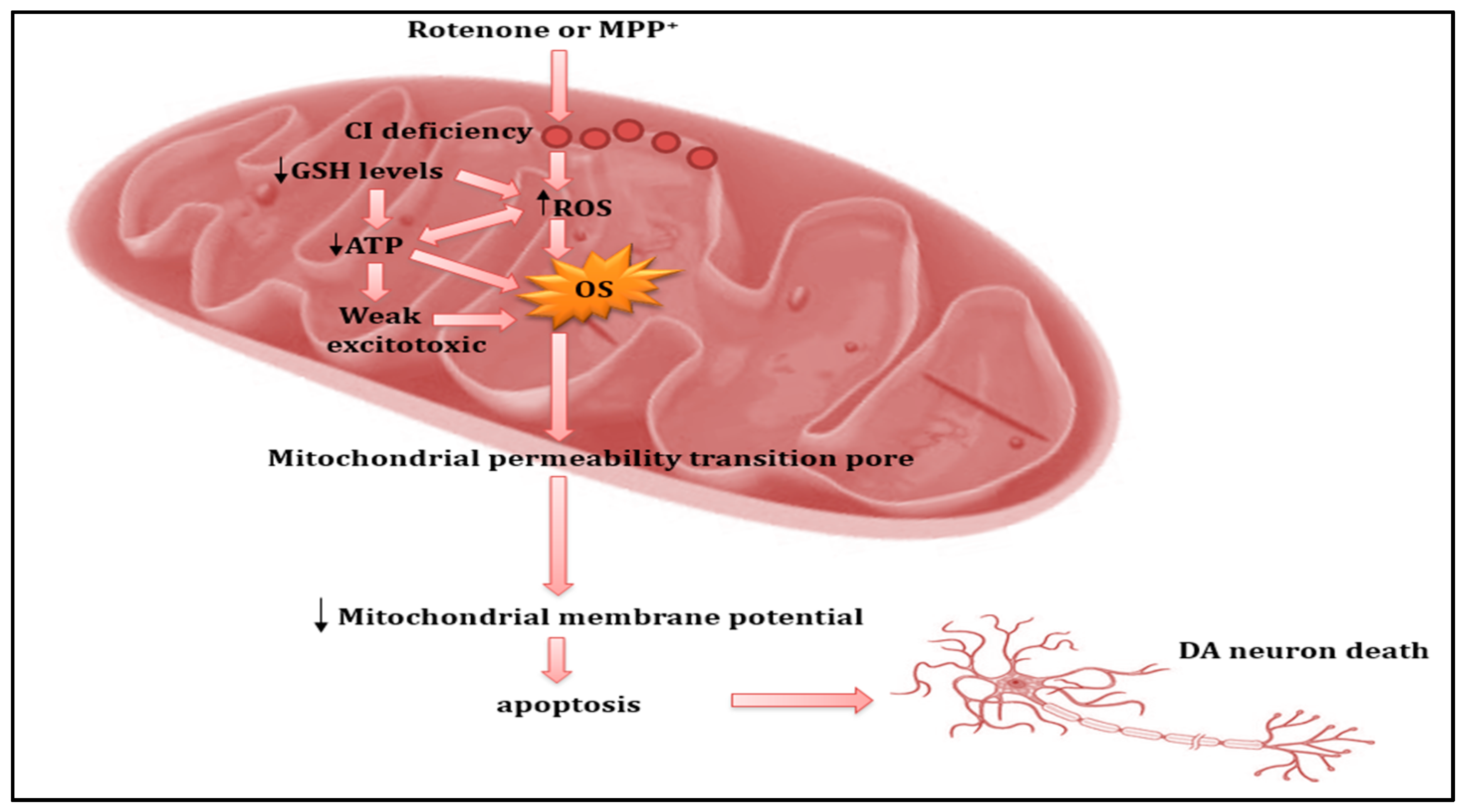
While the mitochondria is responsible for the majority of cellular metabolic energy, it can also result in a number of consequences when its function is compromised. When oxidative stress occurs, this leads to a phenomenon known as mitochondrial catastrophe. Oxidative stress increases reactive oxygen species (ROS) levels which damage the mtDNA due to lesions in the mitochondria. Programmed cell death, or apoptosis, is induced and further impairs mitochondrial function. Errors in metabolism can cause a number of inherited mitochondrial disorders such as Barth syndrome and Friedrerich ataxia.
Mitochondrial dysfunction has also led to the neurological disorder of Parkinson's disease. In 1997, it was discovered that the autosomal dominant mutation in the alpha-synculein (SNKA) was linked to this disorder. Moreover, evidence of IV drug abusers injecting 1-methyl-4-phenyl-1,2,3,4-tetrahydropyridine (MPTP) produced a neurotoxin which induced mitochondrial dysfunction and further led to Parkinson's disease-like symptoms.
I think this was a very interesting article that shed insight into how crucial the mitochondria is. Not only is it important in regulating metabolism, but proper function is necessary to prevent the inheritance of mtDNA disorders. I also thought it was intriguing that IV drug abuse could lead to a disorder as detrimental as Parkinson's disease.

http://www.mdpi.com/2077-0383/6/11/100/htm
https://www.ncbi.nlm.nih.gov/pubmed/29077060

Wednesday, April 19, 2017

A Cure for Parkinson's?
Image result for neurons in parkinson's disease vs normal

The article "A Cure for Parkinson's? Replacing Damaged Brain Cells Shows Promise" discusses how researchers found that by converting glial cells into dopamine producing cells, decreased the symptoms of Parkinson's disease. In the brains of patients with Parkinson's disease the dopamine producing cells become destroyed or damaged which leads to the motor control symptoms like tremors and balance issues. Researchers have been trying to find a way to replace or repair these dopamine cells. So, Professor Arenas and his colleagues from the Karolinska Instituet in Sweden, focused on transforming cells into dopamine producing cells. They converted glial cells, astrocytes, into dopamine producing cells. Then placed these cells into mice with Parkinson's and the mice showed less symptoms of the disease. This research allows them to possibly find a cure for a disease that many people have been waiting for,

http://www.medicalnewstoday.com/articles/316896.php

http://www.mayoclinic.org/diseases-conditions/parkinsons-disease/basics/definition/con-20028488

Tuesday, February 3, 2015

Can Coffee Protect Against Parkinson's?

A specific genetic variation discovered by researchers, at Linkoping University in Sweden, protects against Parkinson's disease. Parkinson’s disease is a type of Neurodegenerative diseases. These diseases have a complicated background because both genetic factors and exposure to environmental factors are involved.                                                                                        In a study of a million genetic deformities, the research team identified a variation of the GRIN2A gene as a protective factor against Parkinson's. An epidemiological study of Parkinson's patients from two counties in south east Sweden examined a combination of a previously known protective factor (caffeine) and the genetic variant in GRIN2A. The findings show that individuals with this combination run a significantly lower risk of developing the disease.

This article caught my eye. I'm an avid coffee, drinker like most college students, and having another reason to excuse my excessive coffee drinking is all the more welcome. But in all seriousness, I find this to be big, Coffee as a cure or well Caffeine, that's a medicine most people are willing to take.

Wednesday, November 12, 2014

Deep Brain Stimulation May Unlock the Cure to Tourette’s Syndrome

Tourette’s syndrome is a neurological disorder that causes individuals to make involuntary movements and loud noises. There is currently no cure for Tourette’s syndrome; however, specialists at the University of Florida's Center for Movement Disorders are looking to change that. Specialties at the center are performing experimental surgery in Tourette’s patients.  The procedure, deepbrain stimulation (DBS), is currently used in patients with movement disorders such as Parkinson's disease or tremors.


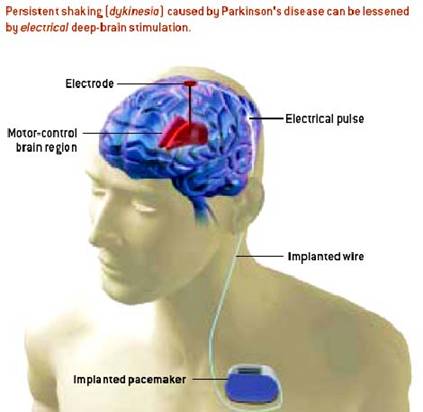
Deep brain stimulation is based off the delivery of electricity and works by implanting small electrodes into the brain in order to stimulate affected regions in patients with movement disorders. The electrodes are attached to an impulse generator and the generator, which is also referred to as a pacemaker, provides electrical impulses to the affected regions of the patient’s brain. The connections between neurons are affected by the impulses which stop the abnormal activity that the patients are presenting with.

While DBS has been performed in over 100,000 patients since 1997 it has never been performed in Tourette’s patients. The underlying neurology in Tourette’s patients is different from that of other conditions treated with DBS because it combines both emotion and motor activity. Specifically, in Tourette’s patients the movement is not there all the time; the patients have a buildup, tic, and an urge and until they can move the patients do not feel better. The only current available treatments for Tourette’s syndrome are behavioral therapy and drug medications; however, these treatments only alleviate the severity of the tic they do not prevent the tics all together.

In September 2014 DBS was performed in a patient with Tourette’s syndrome for the first time. Additionally, the patient had a new grid-like device implanted on top of her brain. This device is intended to gather information from the patient’s brain that can hopefully lessen her tics, and possibly someday stop them. Over the next six to twelve months the patient’s brain activity will be monitored with the grid providing key insights into the underlying cause of her Tourette's syndrome. Understanding the underlying causes of the syndrome will allow doctors to regulate the electrical impulses to in order to manage and hopefully eliminate the tics all together.


This article really caught my attention me because I am very interested in neurological disorders and learning more about them. Tourette’s syndrome is an interesting and difficult disorder because of both the physical and emotional combination. It will be interesting to see over the next several months how well DBS works in this patient. I am hopeful that this procedure will be the next step in learning not only more about the disorder but will be able to eliminate the symptoms experienced by Tourette’s patients.  


Saturday, November 8, 2014

Parkinson's Disease in a Dish

Credited to a combination of genetic and nongenetic aspects, Parkinson’s disease has no completely effective therapy or cure. Parkinson’s disease is reasonably heritable, but the mechanism of this inheritance is not well understood. While genetic forms of the disease occur, random forms are far more common. A team of scientists managed by The New York Stem Cell Foundation (NYSCF) Research Institution successfully produced a human stem cell disease model of Parkinson’s disease in a dish. Studying a pair of identical twins, one affected and one unaffected with Parkinson’s disease, another unrelated Parkinson’s patient, and four healthy control subjects, the scientists were able to notice crucial features of the disease in the laboratory, specifically variances in the patients’ neurons’ capability to create dopamine, the molecule that is lacking in Parkinson’s disease. In addition, the scientists also acknowledged a possible approach for developing innovative therapies for Parkinson’s disease.

DNA mutations resulting in the production of a specific enzyme termed glucocerebrosidase (GBA) have been connected to a five-fold greater risk of developing Parkinson’s disease; conversely, only 30% of individuals with this mutation have been exposed to developing Parkinson’s disease by the age of 80. This discordance proposes that several factors contribute to the development of Parkinson’s disease as well as both genetic and non-genetic factors.
In this study, a pair of identical twins, both with GBA mutation, delivered a unique opportunity to evaluate and separate the genetic and non-genetic influences to the development of Parkinson’s disease in one twin, and the absence of disease in the other twin. The scientists made induced pluripotent stem (iPS) cells from skin samples from both twins to produce a cellular model of Parkinson’s in a dish, reiterating crucial features of the disease, specifically the growth of alpha-synuclein and dopamine absence.
Upon investigating the cell models, the scientists found that the dopamine-producing neurons from both twins had reduced GBA enzymatic activity, raised alpha-synuclein protein levels, and a reduced ability to synthesize and release dopamine. In contrast to his unaffected brother, the neurons generated from the affected twin produced less dopamine, had higher levels of an enzyme called monoamine oxidase B (MAO-B), and deprived capability to connect with each other. Treating the neurons with molecules that lowered the activity of MAO-B together with overexpressed GBA helped normalize alpha-synuclein and dopamine levels in the cell models. This proposed that a combination therapy for the affected twin may be probable by simultaneously targeting these two enzymes.

Although this is an innovating study, the genetic and stem cell analysis identified an avenue for a potentially useful combination therapy for the twin affected by Parkinson’s disease. This study could be useful for other Parkinson’s patients. To me, the this research and cellular analysis is useful to further clues to all cases of genetic and sporadic Parkinson’s disease and other neurological disorders.
Article- http://www.sciencedaily.com/releases/2014/11/141106132208.htm

Wednesday, November 5, 2014

Is Blocking Mitochondrial Fission an Effective Treatment for Parkinson's Disease?

F1.large.jpg (1280×498)
A comparison of healthy and damaged mitochondria.


     On Novermber 5, 2014, a study led at Plymouth University in the UK discovered that the inhibition of a particular mitochondrial fission protein could hold the key to potential treatment of Parkinson's Disease (PD).  PD is a disorder of the brain that effects the body's movement.  In the UK, about 127,000 individuals have been diagnosed with PD.  This disease is primarily due to the death of brian cells.  At the conclusion of these deaths, dopamine (nerotransmitters) production is reduced.  Due to this reduction and lack of communication between nerve cells, results in difficulty in movement control.  Additionally, mitochondria are small strutures located inside the nerve cells with the primary goal of keeping the cell working properly and healthy.  A balance of mitochondrial fission/fusion is critical to cell function and viability.  
     The research team found that when a particular mitochodrial fission protein (GTPase dynamic-related protein-1 - Drp1) was blocked using gene-therapy, it reduced both cell death and the deficits in dopamine release.  Ultimately, this blockage allowed the reversing of PD, thus suggesting that finding a strategy to inhibit Drp1 could be a potential treatment for PD.  Claire Bale a research Communications Manager at Parkinson's UK said, "This study,which reveals a potential new drug target to protect mitochondria, is a promisisng step towards slowing down or stopping the progression of Parkinson's."
     I found this article to be quite interesting because it is still unclear as to how these findings will be able to potentially put a stop to Parkinson's disease.  With the acquiring of this information, I hope to some day in the future see a developed drug that can target the blockage of dopamine, thus preventing Parkinson's Disease.

Main Article:  http://www.sciencedaily.com/releases/2014/11/141105093500.htm

Wednesday, October 15, 2014

Researchers Discover New Evidence that High-Risk Parkinson's Mutation are Reversible

Researchers, led by Dr Kurt De Vos and Dr Alex Whitworth, from the Department of Biomedical Sciences at the University of Sheffield have discovered vital new evidence on how to target and reverse the effects caused by one of the most common genetic causes of Parkinson’s. Specifically, it is known that mutations in the LRRK2 gene carry a well-established link for Parkinson’s disease; however, the basis for this link still remains unclear today.


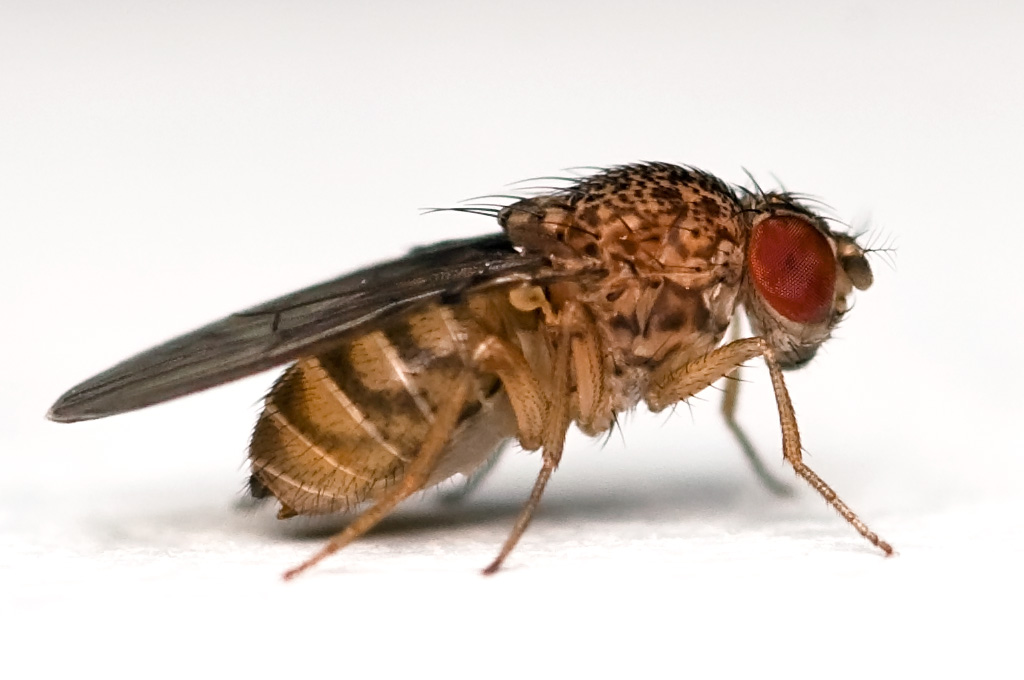
The team of researchers, through their research with Drosophila (fruit flies), found that certain drugs, deacetylase inhibitors, can fully restore movement problems observed in the flies carrying the LRRK2 Roc-COR Parkinson's mutation. Specifically, these drugs target the transport system and reverse defects that are caused by faulty LRRK2 within nerve cells.


Dr. Whitworth was quoted as saying: “By targeting the transport system with drugs, we could not only prevent movement problems, but also fully restore movement abilities in fruit flies who already showed impaired movement marked by a significant decrease in both climbing and flight ability."

The LRRK2 gene produces a protein that affects multiple processes in the cell; this protein binds to microtubules which are the cells transport tracks. Defects in the transport system have been linked to be contributing factors for Parkinson’s disease. The researchers investigated this link and found that certain LRRK2 mutations affect transport in nerve cells. The mutations led to observed movement problems in the fruit flies. The group of researchers used several approaches which showed that preventing the association of the mutant LRRK2 protein with the microtubule transport system rescued the transport defects in nerve cells which in turn alleviated the movement deficits in fruit flies.

Certainly there needs to be more significant research done before more definitive results can be drawn from this research. However, the research results are very promising especially since there are currently no cures for Parkinson’s disease. Therefore, any research, albeit small at the movement, provides encouragement that there will one day be a cure for this degenerative neurological condition.


Thursday, April 17, 2014

How Parkinson's Disease Causes Cell Death and Dyskinesia


Scientists at Johns Hopkins University may have figured out how Parkinson's Disease is able to destroy and damage nerve cells in patients. This discovery in turn may lead to new treatments that can make life easier for both the patients and their families. The nerve damage is caused by mutations in the LRRK2 gene. These mutations "tag" the proteins that make up ribosomes, which causes them to work in overdrive and synthesize so much protein that the cell they are in dies. PD affects nerve cells, especially ones in a brain region called the substantia nigra, which controls the release of dopamine. Because dopamine is important in movement, people affected by PD have difficulty controlling their movements and develop dyskinesia. The most common mutation to the LRRK2 gene has been found to be the cause of 30 to 40 percent of all cases affecting people of north African and Arabic descent. Using both rats and fruit flies as test subjects, scientists used the LRRK2 gene as a type of "bait" to find which proteins the mutation normally tags. The mutation causes increased tagging of the s11 and s15 proteins. It also causes the s15 protein to be phosphorylated more often. This is a process that helps cells function regularly, but too much of it can also lead to cell death. This is what scientists believe is the cause of most PD related cell death. Hopefully, controlling the phosphorylation of the s15 in the future will provide a new way to treat people with this disease.

Secondary Article: http://www.medicalnewstoday.com/info/parkinsons-disease/

Friday, November 22, 2013

Pigs, Fish, and Jellyfish are Being Used to Trace Nervous Disorders in Humans

A recent article explains how scientists at Aarhus University are using pigs, jellyfish, and zebrafish as a tool in identifying and understanding hereditary forms of diseases that affect the nervous system. Specifically, disorders such as Parkinson’s disease, Alzheimer’s disease, epilepsy, and forms of ALS are being studied. In pigs, scientists have focused on the SYN1 gene, which encodes for the protein that is involved in communication between nerve cells, synapsin. Synapsin occurs primarily in the nerve cells of the brain, so parts of the SYN1 gene are capable of being used to control the expression of genes that are connected to hereditary versions of various nervous disorders. In order to ensure that the SYN1 gene was exclusively expressed in nerve cells, scientists attached the gene to the green fluorescent protein gene in jellyfish and put it into zebrafish. Senior scientist Knud Larson of Aarhus University explained why GFP was attached to the SYN1 gene: "We could clearly see that the transparent zebrafish shone green in its nervous system as a result of the SYN1 gene from humans initiating processes in the nervous system. We could thus conclude that SYN1 works specifically in nerve cells.” 


Disorders of the nervous system typically involve some loss of cognitive or physical function


The SYN1 gene was then inserted into pigs, mainly because the animal is incredibly well suited as a model for human diseases. Pigs are specifically being used to study nuerodegenerative diseases, such as Parkinson’s disease. In addition to studying nervous disorders through controlling the expression of the SYN1 gene, the gene may also be used in the future for research pertaining to fetal development of the brain and nervous system. I chose this article because I believe that it is truly incredible that these diseases which affect the nervous system are being studied more in depth. Many of these disease are incurable and terminal, so many studies pertaining to such diseases have only been performed after an individual or subject has died. Targeting the gene that controls the expression of synapsin can definitely lead to better treatment for disorders of the nervous system. If scientists can control the expression of the SYN1 gene in order to create disease in test subjects, then it is not radical to think that the expression of the gene can then be used to reverse the symptoms of such nervous disorders. 

Pigs are used because they are readily available and they closely mimic humans in their relative size, genetics, and their anatomy and physiology


Inheritance of various nervous disorders

Thursday, November 21, 2013

A Gene Mutation that Causes Lesch-Nyhan Disease May Provide Information on Other Neurological Disorders


A patient with Lesch-Nyhan Disease 
           A gene mutation that causes Lesch-Nyhan Disease can help scientists learn more about neurological disorders such as Alzheimer’s, Hutchinson’s, and Parkinson’s disease. The gene involved is hypoxanthine guanine phosporibosyltransferace, or HPRT1. The gene has key “housekeeping duties,” such as aiding in the generation of purine nucleotides. Lesch-Nyhan Disease, first described by Michael Lesch and William Nyhan in 1964, is specifically caused by a mutation of HPRT, which causes the HPRT enzyme deficiencies that causes dopamine expression to be defective and thus causes neuron function abnormalities. Symptoms of the inherited neurodevelopmental disorder include cognitive defects, compulsive self-mutilation, and body movements that are repetitive and uncontrollable.
The research, conducted by a team lead by Theodore Friedmann, demonstrates how errors in gene expression cause impairment in neuron production by stem cells, thus causing neurological disorders. The research involved mouse embryonic stem cells that were made HPRT-deficient. These cells differentiated into cells that only function partially as neurons, functioning more like glial cells. Further, irregular regulation of cellular functions that control DNA replication and repair, metabolic processes, and reproduction and operational mechanisms results from HPRT deficiency.
The combination of metabolic errors is believed to cause the “neural aberrations” that result from HPRT deficiency. As these aberrations are found in neurological disorders such as Parkinson’s disease and Alzheimer’s disease, it is believed that they may play a part in causing the neuron abnormalities of these diseases. Thus, these neural aberrations can serve as targets for treatment of such diseases.
Other studies are revealing significant possibilities of contributors of neurological diseases. One such study was conducted by the Translational Genomics Research Institute (TGen) and states that the absence of the protein SMG1 might be a contributor to Parkinson’s disease and other such neurological disorders. The study revealed a dramatic decrease in the expression of SMG1 protein in those with Parkinson’s disease. The absence of SMG1 may contribute to the aggregation of the protein alpha-synuclein. If the phosphates and kinases that regulate the aggregation are identified, drugs can be created to prevent the toxicity and dysfunction of synuclein in those with synucleinopathies (neurodegenerative disorders that involve alpha-synuclein protein aggregates), such as Parkinson’s disease.
As someone with a loved one with Parkinson’s disease, I find studies that can lead to a better understanding, improved treatment, and possibly a cure for neurological diseases as extremely significant. A greater understanding of this gene mutation will help scientists understand other diseases that affect many people and that have many unknowns. Those who suffer from neurological disorders can be given hope through such findings! These studies are valuable and should continue to be carried out in order to increase our understanding of some of the most mysterious diseases. 

Primary Article: http://www.sciencedaily.com/releases/2013/10/131009201053.htm
Secondary Article: http://www.sciencedaily.com/releases/2013/10/131030185940.htm
Picture Source: http://www.acpoc.org/library/popup.aspxmlpage=1987_01_004&type=image&id=f5

Saturday, April 14, 2012

Parkinson’s disease treated with gene therapy

CBS News and the Huffington Post both recently reported that a British woman suffering from Parkinson’s disease has been successfully treated with gene therapy. Gene therapy involves injecting normal functioning genes into cells where the dysfunctional genes reside with the hope of treating the disorder associated with the dysfunctional genes. Gene therapy has had many failures in the past, making it a very unpopular and highly discredited form of disease treatment. However, the therapy has proven effective in treating Sheila Roy, a woman who has suffered from Parkinson’s disease for the past 17 years. Doctors injected ProSavin into Ms. Roy’s brain, delivering genes that code for three enzymes which aid in allowing nerve endings in the brain to produce the neurotransmitter dopamine. Dopamine is lacking in people with Parkinson’s disease because the disease destroys nerve endings which produce the neurotransmitter. After less than a year of treatment, Sheila is now able to perform such activities as writing, something she has been unable to do for 15 years. She should not need any more ProSavin injections but will need to undergo regular brain scans to monitor how much dopamine her nerve endings are producing. While she is not fully cured of her Parkinson’s, Sheila has more control over her movements than ever before, proving that gene therapy can be an effective form of treatment for patients with Parkinson’s disease. According to the Parkinson’s Disease Foundation, one million Americans suffer from Parkinson’s with 60,000 diagnosed every year. Worldwide the number of people with Parkinson’s is estimated to be 6 to 7 million. Gene therapy treatment could help patients reduce their daily medication dosage, allow them to get more sleep at night, and give them a better quality of daily life overall. This case proves that gene therapy cannot yet be excluded as a possible form of disease treatment.

Friday, April 13, 2012

Parkinson's Disease Stopped in Animal Model: Molecular "Tweezers" Break Up Toxic Aggregations of Proteins

In an article from ScienceDaily, scientists have found a way to stop Parkinson's disease in animals. Scientists at UCLA have successfully prevented a protein, a-synuclein, from "binding together and forming clumps, stopped their toxicity, and also break up existing clumps."  This is a huge breakthrough because a-synuclein is a common protein in all patients with Parkinson's disease.  In addition, when this protein binds in clumps, becomes toxic, and eventually kills brain neurons; it is thought to be a pathway to Parkinson's disease.

Scientists have developed a molecular tweezer, known as CLRO1, that is able to prevent a-synuclein from becoming toxic and causing brain damage.  An additional upside of the molecular tweezer is that it does not show any negative side effects to normal functioning brain cells.  Testing for this research has been done in zebrafish with posititve outcomes, in which studies are now being done in mice models with hopes of leading to human clinical trials.

Saturday, April 23, 2011

Dogs' DNA may aid Research oin Hereditary Parkinson's


There has been a  between a fatal neurological disease in Tibetan Terrier dog and a heredity of Parkinson's disease in humans. The findings can help lead to a treatment in early on-set Parkinson's disease. Scientists  studied a Tibetan Terrier named Topper. He had to be euthanize after behavioral changes and on set seizures. Researchers from the University of Missouri, took the DNA a from the dog to identify gene mutations that triggered the neuronal ceroid-lipofuscinosis in Topper. Hopefully their finds can help to deplete this genetic mutation from the species of canine and also help to discover treatments for Parkinson's disease.

Wow! who knew that man's best friend was more than just a lovable creacher. Now, Toto can save the life of Dorothy( Wizard of OZ).

http://www.businessweek.com/lifestyle/content/healthday/652124.html

Friday, March 25, 2011

Gene therapy trial shows promising results in Parkinson's disease.

An article in Lancet Neurology, claims that scientists have devised a way to potentially treat Parkinson's patients using gene therapy. The trial involved drilling a hole into the skulls of Parkinson's patients and introducing a virus which carries billions of copies of a gene that was designed to make the brain produce more GABA. The study shows mild statistical success: 23% improved who got the treatment, while 13% improved who got a fake surgery and treatment. While one of the patients testified that he could not move before the treatment and now he is playing jazz and travelling, the success could be attributed to the similar effects of deep brain stimulation (also a Parkinson's treatment). Additionally, the study was funded by the biotech company that invented the procedure. It was also only performed on 37 people. More research is clearly needed.

Saturday, March 19, 2011

Gene Therapy Trial For Parkinson's Disease Effective In Improving Motor Function

This article discusses a clinical trial in which patients with Parkinson's Disease who were injected with the GAD (glutamic acid decarboxylase) gene improved in their motor functioning.  The GAD gene was injected directly into their brain and the enzyme produces GABA, a chemical involved in motor coordination that is low in individuals with PD.  This was a double-blind clinical trial that involved 22 individuals who received the gene therapy, and 23 individuals whom did not (control).  Improvements in motor functioning were assessed on all participants using the UPDRS (Unified Parkinson's Disease Rating Scale) up to six months after treatment.

PDB GAD67.jpgGAD

With further clinical trials, this form of gene therapy will hopefully improve the lives of individuals with Parkinson's disease who do not benefit from drugs.

Tuesday, February 8, 2011

Scientists find 5 new Parkinson's genes

In London, scientists have discovered five new gene's that are linked to Parkinson's disease, increasing the proof of degenerative disease is triggered by people's genes.

"The major common genetic variants for Parkinson's have been found," said Nick Wood, a professor at the Institute of Neurology at University College London, one of the researchers who led the study. "We haven't put together all the pieces of the puzzle yet, but we're not that far off," he said.

Scientists analyzed genetic samples from more than 12,000 people with the disease and more than 21,000 of the general population of Europe and the U.S. The highest number of mutations were in the eleven genes linked to Parkinson's disease are two and half times more likely to develop the disease then people with less mutations.

Scientists say identifying Parkinson's disease could help explain what sparks the disease and have hope that it will lead to new treatments.

"There is good reason for optimism that these advances will be translated into direct benefits for our patients," wrote Christine Klein and Andreas Ziegler of the University of Lubeck in Germany.—