Thursday, November 30, 2023

Is there a genetic factor in depression


 Depression and depression-related disorders (DD) are some of the most common and studied mental illnesses. An individual with depression or a DD can experience a wide range of symptoms, from disinterest in hobbies to suicidal thoughts. Depression often affects an individual beginning in adolescence and can last a lifetime. Medications are available for people who struggle with depression. Depression can also have many causes such as a hormonal imbalance or trauma. 

In 2018 physiologists and geneticists attempted to discover a clear genetic link to depression. They analyzed the genome of individuals with depression and DD who also had a familial history of the condition. Through their analysis, they were unable to determine a clear link. I chose to highlight this study because it shows that there is still a lot more for us to discover related to depression and its heritability. 

Mahvash Disease Case Resolved With Liver Transplantation

 Mahvash Disease Case Resolved With Liver Transplantation

By Tara Haelle

Mahvash Disease Case Resolved With Liver Transplantation | MedPage Today

GARD Rare Disease Information - Mahvash disease - National Organization for Rare Disorders (rarediseases.org)

Mahvash disease: an autosomal recessive hereditary pancreatic neuroendocrine tumor syndrome | International Journal of Endocrine Oncology (futuremedicine.com)

    Mahvash Disease is a rare genetic disorder of glucagon signaling characterized by pancreatic alpha-cell hyperplasia and hyperglucagonemia. This article talks about a 27-year-old woman getting a liver transplant who suffered from Mahvash disease which no treatment has been known to be found. Octreotide was used to decrease the glucagon levels. This showed how her getting a new liver wasn't a simple fix that would get her back to normal. I never heard of Mahvash Disease until reading this article. I felt bad that no cure was offered for this rare condition. I believe scientists haven't gotten to it because they tried to find a cure for major diseases like cancer. Mahvash disease only occurs in four cases per million individuals and only a dozen case reports have been found. This disease is known as an autosomal recessive disease which can occur in both males and females. 

Tuesday, November 28, 2023

Genetics and Dog Breeds


    Humans have placed artificial selective pressures on dogs for centuries. People have bred them for their temperament, size, and other physical features. These selections have made the dog breeds we know today. I chose an article written by Jill Adams that was published in Nature in 2008. The article highlights a variety of studies performed by researchers about the genetic factors involved in dog breeding. 

    Adams delves into the possible deleterious effects of dog breeding for specific physical characteristics. I found this to be particularly interesting because many brachycephalic dog breeds experience difficulties breathing. While the breathing difficulty is not a deleterious genetic defect, Adams mentions that some of the effects may not be known and that some have affected the mitochondrial genome in many dog breeds. 

Why Can't I Comb My Hair?


    Have you ever tried combing your hair and wondered why it won't detangle or style the way you want it to? Most parents started to get worried when they realized their child's hair was different from others. Luckily, they aren't alone. Human geneticist Regina Betz of University Hospital Bonn in Germany and her team linked three genes that causes this silvery, spangly, spun glass hair. This is known as uncombable hair syndrome when the hair tends to grow in opposite directions. Currently there is no treatment, however, most kids outgrow these symptoms once adolescents. The gene PADI3 encodes an enzyme involved in hair shaft formation. Mutations within the PADI3 gene can disrupt hair structure. Some of the cases studied were linked to variants of TGM3 or TCHH which affect hair shaft structure. Uncombable hair syndrome isn't linked with any other health conditions which is a relief for parents. 

In A First, Genetically Modified Silkworms Produced Pure Spider Silk


In A First, Genetically Modified Silkworms Produced Pure Spider Silk


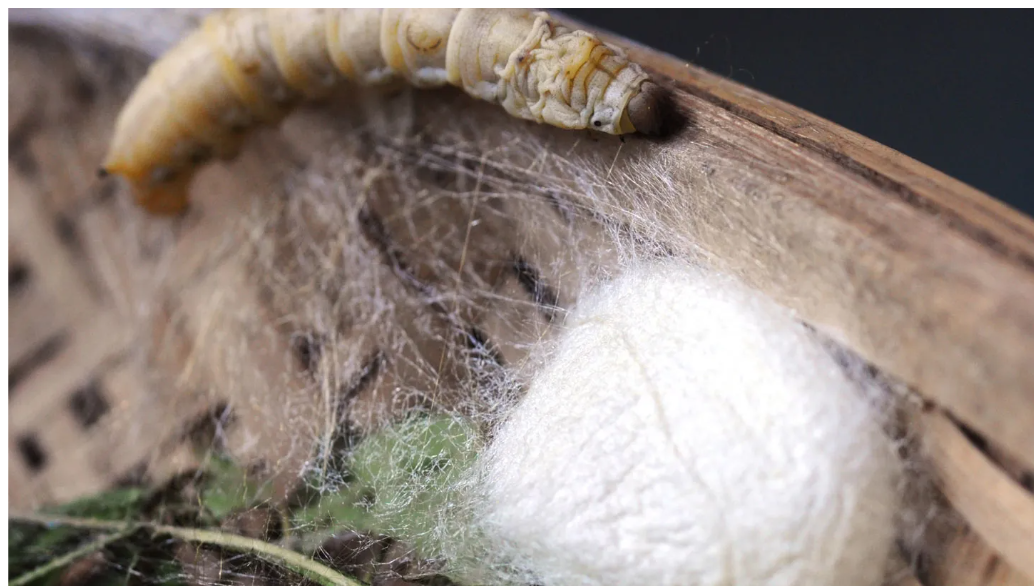
    Spider silk is known for its toughness and durability that comes from spiders. Spiders are known as territorial anthropods who use their silk for hunting/prey purposes. This is why the article explained how it wasn't easy to cause the spiders to produce silk. Spider silk is known to be tougher than steel and kevlar which is used in making bulletproof vests. Researchers from China have found to make pure spider silk using genetically modified silkworms. Even though the spider silk was made it doesn't compare to the strength of natural spider silk. These scientists tried multiple organisms before using silkworms to make modified spider silk. Silkworms are difficult organisms to work with but their body is made to create silk naturally. Although the team made this discovery their goal is to develop stronger silk that can help in the manufacture of silk fibers to improve the production of pillowcases, bandage dressings, prosthetic arteries, etc.  


CACQDs Therapy: Potential to Prevent Neurodegenerative Diseases

A research team at the University of Texas El Paso has found that Caffeic-Acid based Carbon Quantum Dots (CACQDs) have the potential to protect neurons from severe neurodegenerative disease damage. In general, neurodegenerative disease treatments are only symptomatic, meaning that these treatments aren’t cure-oriented. Many of these disorders in their early stages can contribute to other diseases and the aggregation of amyloid-forming protein fragments, leading to plaques or fibrils in the brain. The research team observed that CACQDs are able to remove free radicals (harmful molecules contributing to disease) or prevent them from causing damage and inhibit aggregation of those fragments without causing significant side effects. 

Although not of much help in more advanced stages, this research provides important insight into curing several neurodegenerative diseases. In general, a CACQDs treatment can be effective in preventing diseases like Alzheimer’s when addressed in the early stages. Additionally, considering that CACQDs is a derivative of coffee grounds, harvesting it is also very eco-friendly.

For more information, view the news article here and the published journal article here.

Black Death Genes and Increasing Autoimmune Disorders

FOOD FOR THOUGHT:

 Genes that once protected our bodies during the Black Death, may now be increasing autoimmune disorders...


    An article from Harvard Medical School (HMS) details how genes that once protected our bodies during the Black Death in the 14th century, may now be increasing the prevalence of autoimmune diseases. Researchers have extracted the DNA of people who died during the time of the Black Death, and are using that to compare against the DNA of those who have lived through the COVID-19 pandemic (our time). From this data, they were able to deduce the fact that survivors of each pandemic carried genes that made them immune to the disease. This makes sense, considering the "survival of the fittest" philosophy introduced by Darwin, and due to evolutionary circumstances, it would make sense that those who survived one instance of a deadly disease could presumably survive another. The bacterium Yersinia pestis was known to cause the Black Death as it spread from animals to humans, and plays a role now, centuries later. The relevance comes into play with autoimmune disorders: those alive during our time with autoimmune diseases are more likely to carry those same infection-fighting genes that helped people survive the Black Death -- crazy right?

    This was a very fascinating article and it is interesting to see how the genes have been passed on evolutionarily through time. Not only that, but the human body has me awestruck. The things that it is capable of, such as passing on these genes that can prevent disease is so interesting to me. Furthermore, as someone with an autoimmune disease, I can't help but to wonder if I carry these same genes as well. I think it would be really fascinating to have my DNA extracted and compared to that of someone who survived the time of the Black Death, that way I could truly see if I am impacted by this phenomena. Selective pressures and immunity are quite interesting to me and I could see myself taking a deeper look into this topic in the future!


LINKS:

1. https://www.health.harvard.edu/blog/genes-protective-during-the-black-death-may-now-be-increasing-autoimmune-disorders-202212012859 

2. https://www.nature.com/articles/s41586-022-05349-x


Monday, November 27, 2023

Is Hyperhidrosis Hereditary ?


    Hyperhidrosis is a medical condition described as excessive sweating. Excessive sweating can occur on the hands, under the underarms, on the face, and more. Your environment can contribute to sweating such as high temperature or working out. However, when not in these conditions why might someone still be excessively sweating? Hyperhidrosis can be passed down through generations. About 35-55% of people with hyperhidrosis has at least one family member with the conidition. If grandparents, parents, etc have hyperhidrosis, there is a chance you will too. In addition, hyperhidrosis is an autosomal dominant trait that can affect either males or females. Furthermore, it has been noted and observed that hyperhidrosis excessive sweating symptoms don't occur until around the adolescent years. There are not many treatments for hyperhidrosis. Currently, there are internal medications and topical treatments all that require a prescription for use. I believe it is important to conduct more studies and research on hyperhidrosis. People with this condition may not want to use topical or internal treatment based on side effects so they have to continue living uncomfortably. Hyperhidrosis can lower self esteem as people may wear darker clothing or avoid social gatherings so their sweating isn't noticeable. 

Sunday, November 26, 2023

Genes Play a Key Role in Exercise Outcomes

        The Cambridge Centre for Sport & Exercise Science at Anglia Ruskin University in England published a study in the journal PLOS ONE that found that genetic differences account for up to 72% of the difference between performance outcomes among individuals for specific exercises. Researchers focused on understanding how one’s genes can affect muscle strength, cardiovascular fitness, and anaerobic power, by analyzing 3,012 adults, between the ages of 18 to 55. All of the participants expressed improvements after their training program but to varying degrees. Researchers combined data from 24 different studies and discovered that genetic differences are responsible for the variation of outcomes and results of a particular exercise that was designed to improve muscle strength. They also found that genetic variation played a significant role in 44% of the outcomes of cardiovascular fitness exercises, measured through VO2 max testing, maximal oxygen consumption testing. 10% of the differences in outcomes for anaerobic exercises, which focus on movement and agility, are due to genetic variations. The remaining variations are due to other factors like nutrition and injuries. Researchers believe that alleles are what cause the body to react to exercise and they have identified 13 genes and associated alleles that can be held responsible for the body’s reaction to muscle strength, cardiovascular fitness, and anaerobic power exercise.
        In response to the findings, researchers propose that gene testing could be done to personalize exercise programs in an effort to create the most beneficial and rewarding plan. Rather than assigning generic exercise for all, a more tailored exercise plan could be more effective for each individual depending on their needs as it could benefit diverse groups. This could even be more helpful to, for example, hospital patients who are in the process of rehabilitation and top athletes who depend on marginal and rapid improvements.
        Given the validity of this study, exercise programs should be tailored to the individual's needs. This is especially important for rehabilitation centers where patients require more focused and quick results. In the era of social media with the rise of fitness influencers and pricey exercise programs, it is important that people are aware that those exercises that promise immediate and identical results are not necessarily true and that their results may differ. This study may not only improve the future of exercise rehabilitation in a professional setting but it could also help people’s mental health as it should be known that there will be differences in outcomes following identical exercises.


Links:
https://www.sciencedaily.com/releases/2021/10/211014142032.htm
https://journals.plos.org/plosone/article?id=10.1371/journal.pone.0249501

The Power of Synthetic Melanin to Enhance Skin Healing

        The never ending fight against free radicals might come to an end. Scientists at Northwestern University successfully developed synthetic melanin that's applied in a cream. Headlines of a skin cream that can not only protect the skin from the sun but also accelerates wound healing. Sounds like a good investment. 

        The synthetic melanin is modified to have higher free radical scavenging capacity. In other words, aid effectiveness in neutralizing free radicals to protect cells and tissues from damage. In the context of melanin, this is crucial as many obstacles such as UV exposure can disrupt melanin production. Eventually pose risk for skin related issues such as skin cancer. 

        Equally important, the synthetic melanin acts as a super melanin. With amazing results shown for topical applications to injured skin and effects with the immune system. Not only healing and protecting the skin. But has the ability to allow the body to have a calming effect and lower rates of inflammation. As scientists call this super melanin, who is this powerful cream for? Clinical trial testing is currenting ongoing to test for efficacy of the synthetic melanin cream. However, this cream can act as a sunscreen, treatment for poison ivy, treatment for wound care and cancer patients. Synthetic melanin cream is versatile, offering a one-size-fits-all solution that caters to a broad spectrum of applications.


Expanding What We Know About Rare Diseases


A report by Dr. Alisdair McNeill in the European Journal of Human Genetics discusses the current research being done on rare diseases. McNeill gives a brief overview of the current rare diseases being researched and what the research has found. He then moves onto discussing genome sequencing and how genetic predisposition is an important part of pediatric cancer and how analyzing a potential parent's genome can help predict if their child will have pediatric cancer.

McNeill then discusses the need for an adequate genetic counsellor workforce and how the increase in research in genetics demands an increase in the amount of genetic services offered to people. McNeill gives the example of Korea's nationwide genomics diagnosis program as an example of what needs to be done in order to increase diagnosis rates of rare diseases.


Article:

https://www.nature.com/articles/s41431-023-01453-2

McNeill, A. Expanding what we know about rare genetic diseases. Eur J Hum Genet 31, 1091–1092 (2023). https://doi.org/10.1038/s41431-023-01453-2


Review on a rare disease I have:

https://www.ncbi.nlm.nih.gov/books/NBK1512/

Weiss KH, Schilsky M. Wilson Disease. 1999 Oct 22 [Updated 2023 Jan 12]. In: Adam MP, Feldman J, Mirzaa GM, et al., editors. GeneReviews® [Internet]. Seattle (WA): University of Washington, Seattle; 1993-2023. Available from: https://www.ncbi.nlm.nih.gov/books/NBK1512/

GWAS Shows Correlation of Cannabis Use Disorder with Lung Cancer

 The Genetic Basis of Cannabis Use Disorder and Lung Cancer

    A recent GWAS from Nature shows a correlation between lung cancer susceptibility and cannabis use disorder. This study was a meta-analysis between nearly 1 million individuals of European, African, mixed American, and East Asian ancestries and it examined single nucleotide polymorphism (SNP) heritability. Using this data, the researchers found that 22 loci were associated with the susceptibility of lung cancer, but in each group, the expression of the SNPs was different. For instance, the East Asian sample group's SNPs were intronic to the semaphorin 6D-encoding gene, whereas the American group was an intergenic region downstream of leucine-rich repeats containing the semaphorin 6D-encoding gene. They used a comparative analysis of psychiatric symptoms and found many overlapping associations between cannabis use disorder and the likelihood of developing lung cancer. This association comes from a likelihood of becoming a smoker and resorting to cigarettes, which would most likely, in turn, result in a greater risk for lung cancer in those populations.

    I found this study to be very interesting and it definitely shines some light on the addictive manner of cannabis and cannabis-containing products. The biological mechanism of cannabis and the cannabinoids involved are still not fully known, which I think is a long-term danger in regards to smoking/consuming cannabis products. Furthermore, those with cannabis use disorder being at a greater likelihood for developing lung cancer is scary to think about and could considerably be an element of medicine/psychiatry to dig deeper to in the meantime. Nevertheless, going forward I think we should be more conscientious of what we are breathing in and consuming, because with lung cancer being the top cause of death, that should be enough to scare us into treating our bodies better. 

Links:

1. https://www.nature.com/articles/s41588-023-01563-z 

2. https://www.news-medical.net/news/20231123/Genome-study-unveils-genetic-ties-between-cannabis-use-disorder-and-lung-cancer-risk.aspx 

Can You Smell If You Have Covid or Cancer?

 Humans have the ability to smell, but not as strong as some of our other mammal species. What I learned is that Human Scent is influenced by many factors, one of them being genetics. The group of genes linked to the body's immune system is important when influencing the production of proteins and chemicals contributing to body odor. Sweat, oils, and other bodily secretions undergo transformations through interactions on the skin surface, creating a unique scent for each individual. 

Odor is composed of organic compounds emitted from the skin and carries information about a person. Researchers who have looked into human scent have inspected these odors, and chemicals to reveal their potential in forensics and healthcare. In the study, they revealed that human scent is all due to genetics. In 1988 research showed that identical twins living in different environments and exposed to different things have the same distinct scent that trained dogs can distinguish which is really interesting.

Medical detection dogs have benefitted the medical community a lot over the past few years. They can detect seizures, diabetic fluctuations, and diseases like cancer, and covid. There are many service dogs who do an incredible job at detecting these things benefitting their owner's overall well-being.  Human scent is very interesting and it reveals a lot about a person, even though we can not be able to identify all those issues unlike dogs can it is still fascinating that there are animals out there that can smell these problems before they happen, and are trained to help individuals with these issues. 

Links: 


Study of body odor

Can gene expression predict if a brain tumor is likely to grow back?


Researchers from UC San Francisco and Northwestern Medicine have discovered a new accurate method to predict the best treatment for individuals with meningioma with the help of 10 other medical centers. The study shows that screening tumors based on gene expression patterns can change the course of treatment for nearly 1 in 3 people with meningioma. Meningioma is a common brain tumor that affects around 42,000 people in America annually. It is more likely to affect groups of females more than males and elderly patients. It is typically treated with either surgery or radiation depending on what number scale it is on and how severe the tumor is. The new gene expression test indicates that only 1 in 5 patients with low-grade tumors may require radiation, while approximately 2 in 5 with higher-grade tumors may benefit more from avoiding radiation. With the help of the test, researchers could see which gene was active and deactivated and discovered a set of 34 genes whose expression patterns could predict the likelihood of tumor recurrence. 


The discoveries made by this study were exciting as they paved the way for new improvements. The second link also provides more information supporting the first study. Medicine is more effective when it is targeted toward a specific individual’s needs. I hope more treatments are made in the future that are targeted towards one’s needs. The studies from this research help eliminate the guesswork in patients' treatment decisions. The studies are still ongoing, and they are trying to gather more data that can help provide more personalized care in the future. 


Links -

Can gene expression predict if a brain tumor is likely to grow back? | ScienceDaily

Can Gene Expression Predict if a Brain Tumor Is Likely to Grow Back? | UC San Francisco (ucsf.edu)


Genetically modified silkworms produced pure spider silk

 Genetically modified silkworms produced pure spider silk

        Researchers from China have successfully used CRISPR/Cas9 gene-editing to modify silkworms to produce spider silk, a material known for its strength and toughness. This breakthrough spider silk, while not as strong or stretchy as natural spider silk, is significantly tougher than Kevlar and could have applications in medical sutures and bulletproof vests. However, challenges remain in mass production, including ensuring the genetic modifications are stable over generations and maintaining the health of the silkworms, which are vulnerable to infection and produce varying quality silk. The second article confirms that the silk of spiders is composed of thousands of nanostrands, each only 20 millionths of a millimeter in diameter, which could lead to advances in creating new materials for medical (such as sutures) and engineering applications.
This article is a remarkable example of how genetic engineering can create materials with enhanced properties for practical applications. The fact that this modified silk is tougher than Kevlar yet potentially suitable for medical use like sutures demonstrates the versatility and potential of biologically engineered materials. However, the challenges in mass production and ensuring consistent quality due to silkworm vulnerability highlight the complexities involved in mass producing spider silk. Modifying the genetic structure of silkworms may result in unexpected health problems or distress since their bodies are not inherently adapted to create such material. In addition, it’s important to remember that silkworms are living organisms and while technologicalmass-producing advancements are important, we should remember the consequences of turning these organisms into such biofactories.


https://www.sciencenews.org/article/first-genetically-modified-silkworms-spider-silk

https://www.science.org/content/article/spider-silk-five-times-stronger-steel-now-scientists-know-why

Cell Division: A Proposed Model for Cell Identity Preservation

While all cells in the human body contain the same DNA (genetic instructions), each cell expresses only the genes needed to become the cell type it is (i.e. neuron, lymphocyte, cardiomyocytes). Each cell’s fate is largely determined by chemical modifications to the histone proteins around the DNA, which control gene expression. Considering that these cells lose half of their modifications when replicating in cell division, a new MIT study suggests that these cells maintain their memory of what cell type they’re supposed to be through the 3D folding pattern of its genome determining which portions will be marked by chemical modifications. Essentially, the way that these chromosomes were folded are like a blueprint to determine where the remaining marks should go. Thus, by juggling between 3D folding and the marks, the epigenetic memory can be preserved over hundreds of divisions.


In general, this proposed model provides valuable insight into how epigenetic markings play a role in establishing cell identity and maintaining this memory after cell division. Through this model, biologists may be able to better understand how this epigenetic memory of cell identity is lost as cells begin to age and potentially better understand the epigenetic mechanisms underlying our genome.

For more information, view the news article linked here and the journal publication of the research study linked here.

Saturday, November 25, 2023

New Urine Testing Technique Used to Detect Previously Undetected 'Designer Drug"


Researchers from the University of British Columbia have developed a more efficient method for identifying emerging "designer drugs" in the community. Their study demonstrates the use of high-resolution mass spectrometry to analyze urine samples, revealing molecules from new designer drugs missed by conventional tests. This approach enhances public health and safety by swiftly identifying substances, potentially saving lives, and guiding clinical responses to drug-related emergencies. Designer drugs, unregulated and modified versions of existing substances, pose health risks and have proliferated in the market. The study reanalyzed urine samples collected in British Columbia from 2019 to 2022, using mass spectrometry to detect new drugs. This retrospective analysis uncovered synthetic opioids, benzodiazepines, and stimulants that initial screening had missed, highlighting the potential of the method to rapidly respond to emerging drugs in the community. This discovery will be crucial for identifying new drugs popping up on the street, allowing healthcare officials to treat patients effectively. With drug addiction on the rise in America, this discovery will aid in decreasing overdose, and saving lives.

Article link

Additional link


A New Method For Cell Extrusion May Help Against Cancer


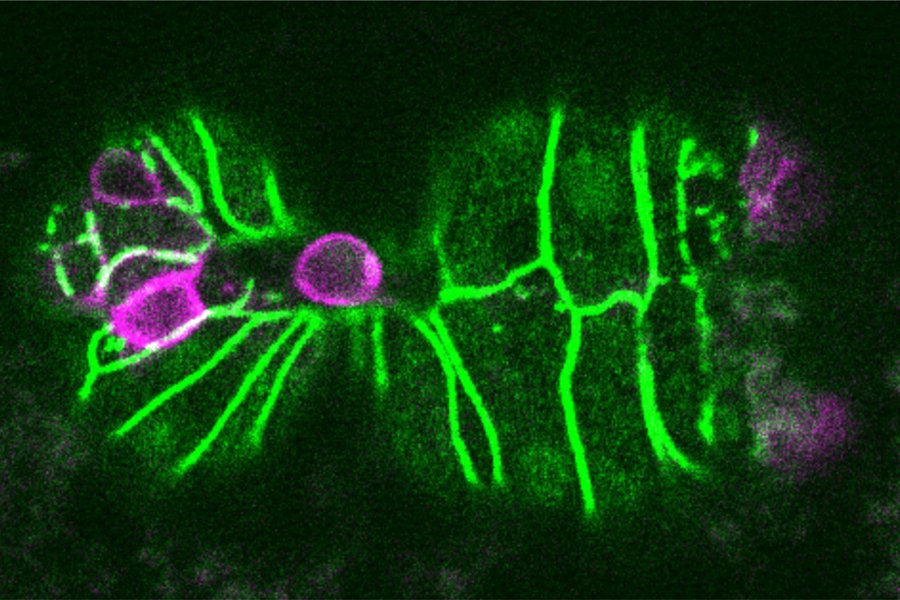
    In the cell cycle, there are many cells that are not needed and need to be eliminated. If they aren’t eliminated, then it can cause a lot of trouble. Scientists studied the worm species, C. elegans and found that they participate in a process called cell extrusion. Cell extrusion is basically where cells are expelled from a layer of tissue without affecting other cells around them. Organisms usually have a process called apoptosis which is programmed cell death to control any abnormalities. However the C. elegans, along with other organisms have cell extrusion as a backup. The main question however was how exactly is the backup mechanism triggered. Scientist Vivek Dwivedi studied many genes of the C. elegans and found that these genes get active once the cells get ‘stuck’ in the replication process. Interestingly enough, despite the size of the cells, if they were then able to function properly, they didn’t undergo the process of cell extrusion. Scientists wanted to see if this process could be applied to mammals. They intentionally put kidney cells under DNA replication stress and found that this quadrupled the rate of extrusion. They also found that a cancer suppresor, P53, was also found in iniating extrusion. Scientists ultimately came to a conclusion that extrusion was a much simpler process and may have been the predecessor to apoptosis which evolved at a later time. 

This article is very insightful because cancer is very serious and any new research can be used for treatments against it. This article takes a very integral part of an organism’s body, cell replication, and gives insight on how a certain mechanism can be used to control unwanted cells. Cancer arises due to a failure of apoptosis and uncontrollable cell division. If cell extrusion can be used as a backup when apoptosis fails then this can go a long way in preventing unwanted cell growth. All in all, this study is one of the many starting points in finding ways to combat unwanted cell growth and possibly find a cure for cancer. 


Links:  https://news.mit.edu/2021/cell-extrusion-dna-cancer-0505


           https://www.nature.com/articles/s41586-021-03526-y


The Role of Genetics in Shaping Your Exercise Journey

           Exercise doesn't carry a tag stating “one size fits all.” A variety of new exercises are flooding health news articles to promote the best way to get in shape. Contrary to these articles, it's crucial to highlight the overlooked benefit of gene testing. Gene testing empowers individuals to tailor their exercise journey, leading to impactful and long-lasting results. Learning how to work alongside and understand our genes, can help to utilize the genes that influence the outcomes of different kinds of physical activity one can endure. A study led by experts from the Cambridge Centre for Sport & Exercise Sciences at Anglia Ruskin University (ARU) in England examined 72% of the difference between people in performance outcome following a specific exercise can be due to genetic differences. The components are measured on three types of physical exercise: muscle strength, cardiovascular fitness, and anaerobic power. The study discovered 13 genes and associated alleles that are responsible for how an individual can undergo each of the three types of physical exercise. 

By prompting genetic testing, individuals can find the solution to what works for their genes. Beneficiaries are individuals ranging from patients in hospitals to olympic athletes. Individuals carry different genetic makeup, so no exercise regime can work for an entire population. Therefore, genetic testing can allow individuals to understand how to work alongside their genes, not against.


Links:

https://www.sciencedaily.com/releases/2021/10/211014142032.htm

https://www.ideafit.com/personal-training/genes-and-exercise-how-much-does-it-matter/


How the Three dimensional Genome is Being Mapped by Scientists


A team of researchers discuss in this report the computational methods used to determine the three dimensional shape of the genome. They discuss the parallel development of full-genome mapping techniques and advanced computational methods and how these two things come together to create a more complete view of genome structure in the 3D form and how the 3D form relates to the function of the genome.


Article


Zhang, Y., Boninsegna, L., Yang, M. et al. Computational methods for analysing multiscale 3D genome organization. Nat Rev Genet (2023). https://doi.org/10.1038/s41576-023-00638-1

One of the more recent genome modeling platforms

Boninsegna, L., Yildirim, A., Polles, G. et al. Integrative genome modeling platform reveals essentiality of rare contact events in 3D genome organizations. Nat Methods 19, 938–949 (2022). https://doi.org/10.1038/s41592-022-01527-x

Genetic Factors Associated with Increased Longevity Identified

    The article gives new insight into new research claiming that genes actually play a role in determining the life span of people and also influencing the likelihood of age-related diseases. "Aging is a complex process indicated by low energy levels, declined physiological activity, stress induced loss of homeostasis leading to the risk of diseases and mortality." (PMC). In the one study, a specific gene was identified to associate with exceptional longevity, as it was seen to live anywhere from1 to 3 decades more than the average US life span.

    The researchers in order to under genetic components of longevity than took DNA from 800 people that were aged from 95 to 119 years old. The DNA was taken and was then compared with other DNA from random controls. During this study they were able to identify specific genetic variations that are associated with longevity and from there they were able to develop a genetic model that comprised of 150 single-nucleotide polymorphisms. This developed genetic model was able to compute the predisposition of an individual towards exceptional longevity since the model was able to predict exceptional longevity in samples of those that lived to 100 years old and provide a 77% accuracy with this model. 


    With further research, they found 19 subgroups of centenarians which all were associated with different genetics paths and contained a delay onset of age-related diseases. It was also found that 15% of control subjects contained the genetic signature that is associated with longevity. This shows us that there is genetic potential for a longer life span and that further research will need to be done in order to verify the model's utility for genetic testing.


Source: Live Long and Proper: Genetic Factors Associated with Increased Longevity Identified | Scientific American


Other: Genes and Longevity of Lifespan - PMC (nih.gov)

Scientists Have Solved the Damselfly Color Mystery

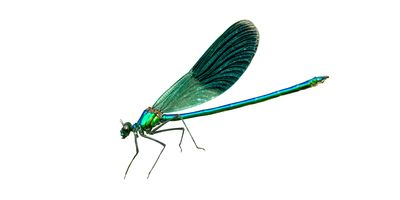
        Researchers at Lund University have studied the common bluetail damselfly for over 20 years and have observed the genetic variance in females. These variations include three different color forms, one of which gives male-like features that protect them from mating harassment.
        In a new study, an international team of researchers found that this genetic variation is a shared trait among several species of damselfly. The genetic variation stemmed from changes in a specific genomic region at least five million years ago. This study is important to evolutionary biology, population genetics, and conservation biology as understanding how and why genetic variation arises and is maintained for long periods is crucial. Since all populations, of a limited size, experience genetic variation that is lost over time, it is important to understand both the mechanisms behind the emergence and persistence of genetic variation.
        In a new study that was published in Nature Ecology and Evolution, researchers meticulously mapped the extensive color variation among the females of the bluetail damselfly. Of the three genetically determined color variations, one of them makes them look like males. The study clarifies how and why the color variation arose and reveals that the variation was maintained for a long period of time due to balanced natural selection. Researchers sequenced the DNA of the three color forms in bluetail damselfly females and compared it to its closely related tropical relative Ischnura senegalensis. This analysis revealed that the genetic color variation in females traces back at least five million years and involved several mutations in a specific genetic region on the thirteenth chromosome.
        With the identification of the gene behind the female color variation, researchers can now further explore and identify different genotypes in the males and in the aquatic larval stage of damselflies. Researchers now have a solid foundation to investigate the color variation over longer evolutionary time scales in other damselfly species that are found globally.
        This study raises questions about color signals and their function and evolutionary consequences for partner choice and conflicts between sexes. This study offers insight into conservation efforts and promotes further investigation into the ecological impacts of these genetic traits. It is also interesting to see how important the mechanism responsible for the emergence of new genetic diversity is and how it could result from different processes like mutation or genetic recombination.


Links:
https://www.sciencedaily.com/releases/2023/11/231117102534.htm

https://www.labmanager.com/scientists-have-solved-the-damselfly-color-mystery-31322#:~:text=By%20sequencing%20the%20DNA%20of,million%20years%20ago%3B%20through%20several

First U.K. Children Are Born Using DNA from 3 'Parents'

 First U.K. Children Are Born Using DNA from 3 'Parents'


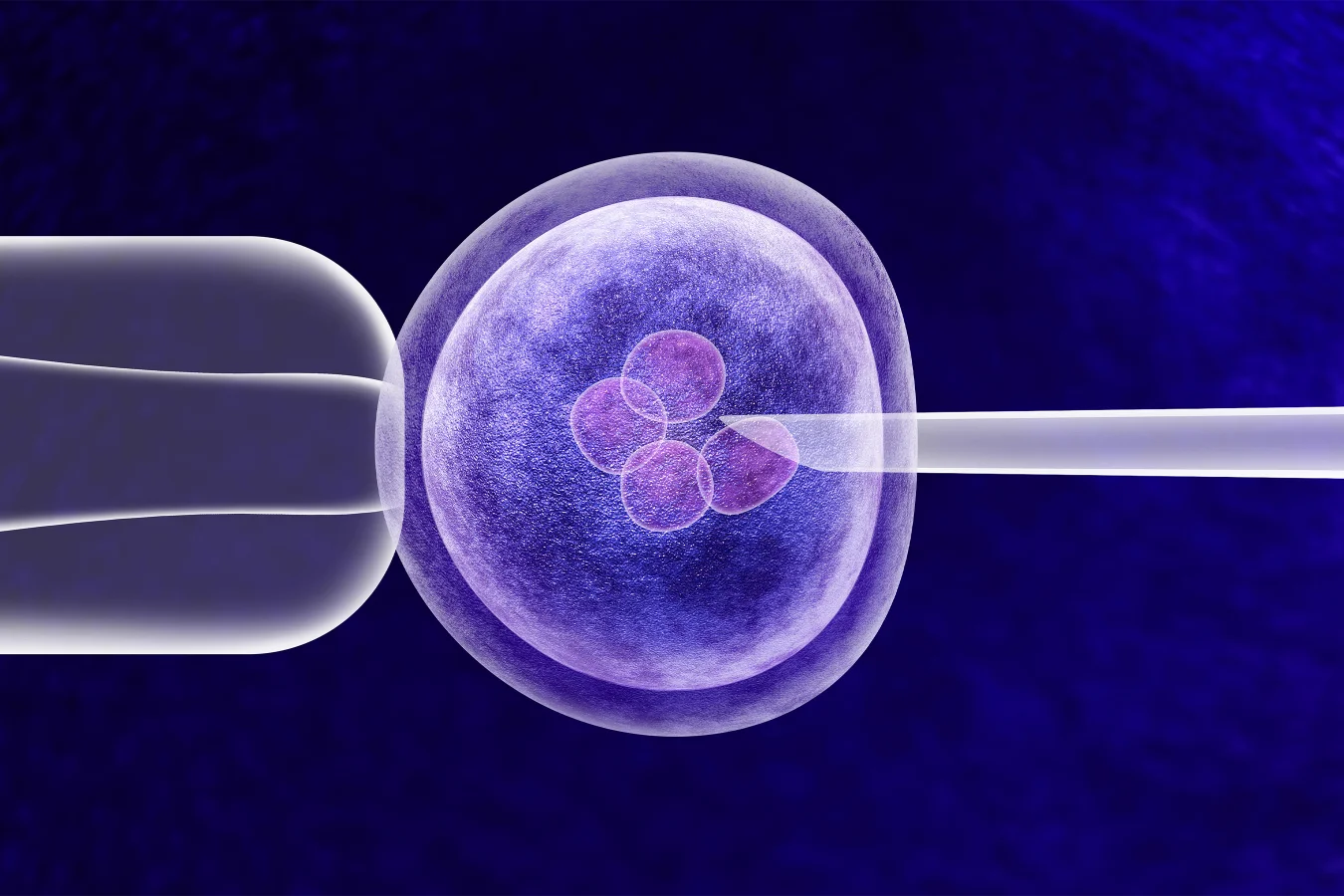
    The United Kingdom was the first country to regulate the reproductive technique called mitochondrial replacement. 8 years after this children have been born using the procedure. Mitochondrial Replacement Therapy involves moving genetic information from an egg with diseased mitochondria to a donor egg that had its genetic material removed. This procedure remains restricted in the United States. This is still an area of medicine that requires much more research and they have many questions they need to answer. Since these are the first kids born using the MRT method it's not yet been determined how effective the treatment is and if it really cures mitochondrial diseases. 
    This article wasn't exactly what I was expecting it to be, the title kind of tricks you. Although technically there are 2 eggs being used the other egg's genetic material is removed so I don't really think it's like 3 parents had a baby. There still is DNA from all 3 parents however so it really is like 3 parents had a baby. I think this is really cool because if something is wrong with you a super close friend can help and really be their other mother. I do however think this is a very interesting discovery but it kind of scares me as it still isn't allowed in most countries. If these babies that were born are healthy and it seems the treatment worked I'm sure it'll be more widespread but I think most countries don't allow it since it's such a gray area.

LINKS:

New Walking Leaf Species Found

Leaf Bugs have been around for a long time, we have seen them beyond their amazing hidden camouflage. It was very recently until some new species were discovered though. The scientists call these bugs "Walking Leafs" due to their ability to hide in plain sight.
They intimidate twigs and leaves, copying everything down to the shape, size, and color.  A study published in the ZooKeys Journal gave us a new outlook on these bugs. The lead researcher Dr. Sarah Bank-Aubin tested their genetics to analyze these species to figure out their genetic backgrounds. There are around 3,500 known species of stick and leaf insects.
These insects are essential to our environment, without them there would be many problems, the scientists call this "Hidden Diversity" which I thought was interesting. The discovery of these insects should be a reminder of the intricate web of insects we have on this planet, and how much more we still have to discover. These bugs hold extreme value to the scientific community due to their ability to be able to benefit an environment, and ability to hide so well.

Links: 

Friday, November 24, 2023

New oxygen, copper 'scissors' could make cheaper drug treatments possible

UCLA chemists have developed a groundbreaking method to significantly reduce the cost of producing anticancer and important drugs. Traditional methods using high-cost metals are replaced by a process called "aminodealkenylation," using oxygen and copper as catalysts. This method simplifies production, reducing the steps needed to create valuable chemicals. For instance, an anti-cancer drug was produced in three steps instead of the previous 12 or 13, dramatically lowering the cost from thousands of dollars to just a few dollars per gram. The researchers successfully applied the process to various chemicals used in medicine and agriculture, showcasing its potential for widespread use in drug manufacturing and other industries. Such an important discovery could benefit so many, making life-saving drugs cheaper and more accessible. Although, this discovery raises the question of whether or not the individual will see more affordable products, or if large pharmaceutical companies will reap the benefits for themselves.


Article link

Additional link


A New Genetic Tool for Predicting Regulatory Sequences


    A project conducted by members of the UC San Diego Department of Medicine resulted in the creation of EUGENe, a tool designed to assist in the prediction of regulatory sequences. The team lists a lack of deep-learning methods for regulatory genetics that follow the FAIR(findable, accessible, interoperable, reusable) principle, and created EUGENe to fill that gap in technology.

    The team states that EUGENe is  "a simple, flexible and extensible interface for streamlining and customizing end-to-end deep-learning sequence analyses." The team discusses the lack of software that can effectively tackle the problems faced in deep-learning related genetics and goes into detail about the failures that each of the current major packages has in regards to a comprehensive package that can handle an end-to-end workflow while integrating with other available packages.

Article on EUGENe

Klie, A., Laub, D., Talwar, J.V. et al. Predictive analyses of regulatory sequences with EUGENe. Nat Comput Sci 3, 946–956 (2023). https://doi.org/10.1038/s43588-023-00544-w


Article on Janggu, a major software package that handles deep-learning in genomics

Kopp, W., Monti, R., Tamburrini, A. et al. Deep learning for genomics using Janggu. Nat Commun 11, 3488 (2020). https://doi.org/10.1038/s41467-020-17155-y

Genetics and Human Cranial Vault Shape: A Reevaluation

The human skull, a complex structure that protects the brain. The question lies on what genetic factor dictates cranial morphology? New shocking evidence was found by researchers at the University of Pittsburgh and KU Leuven that 30 regions of the genome are associated with the shape and structure of the brain. More importantly, 29 of these are new findings that weren't reported prior. Prior research of genes flourished results in rare human conditions. However, lack of awareness was shown on the genetic basis for typical features of the general public.  This awareness will produce enrich results. In addition, the following suggestions paleoanthropology studies, implementing different measures to describe vault shape, and variants in gene association. 
           Among the following suggestions, variants in gene association sheds light on the bigger picture. A discovery of the strong association near genes can dictate different results in formation of the head and skull. This relates to two variants near the gene RUNX2 that could coordinate development of the bone structure of the skull, or having global effects of the cranial vault. Another aspect is three variants BMP2, BBS9 and ZIC2 corresponding to Craniosynostosis. These variants suggest genes could aid in the development. 
        Overall, the human skull is a complex structure. It's clear that unlocking the human genome is a trip down the rabbit hole. As new technologies and methods immerse, more luck in understanding the secrets to be found within the genome that impact the cranial vault.