Showing posts with label autosomal dominant. Show all posts

Monday, November 27, 2023

Is Hyperhidrosis Hereditary ?


    Hyperhidrosis is a medical condition described as excessive sweating. Excessive sweating can occur on the hands, under the underarms, on the face, and more. Your environment can contribute to sweating such as high temperature or working out. However, when not in these conditions why might someone still be excessively sweating? Hyperhidrosis can be passed down through generations. About 35-55% of people with hyperhidrosis has at least one family member with the conidition. If grandparents, parents, etc have hyperhidrosis, there is a chance you will too. In addition, hyperhidrosis is an autosomal dominant trait that can affect either males or females. Furthermore, it has been noted and observed that hyperhidrosis excessive sweating symptoms don't occur until around the adolescent years. There are not many treatments for hyperhidrosis. Currently, there are internal medications and topical treatments all that require a prescription for use. I believe it is important to conduct more studies and research on hyperhidrosis. People with this condition may not want to use topical or internal treatment based on side effects so they have to continue living uncomfortably. Hyperhidrosis can lower self esteem as people may wear darker clothing or avoid social gatherings so their sweating isn't noticeable. 

Thursday, November 23, 2023

Inheritance of Parkinson's Disease

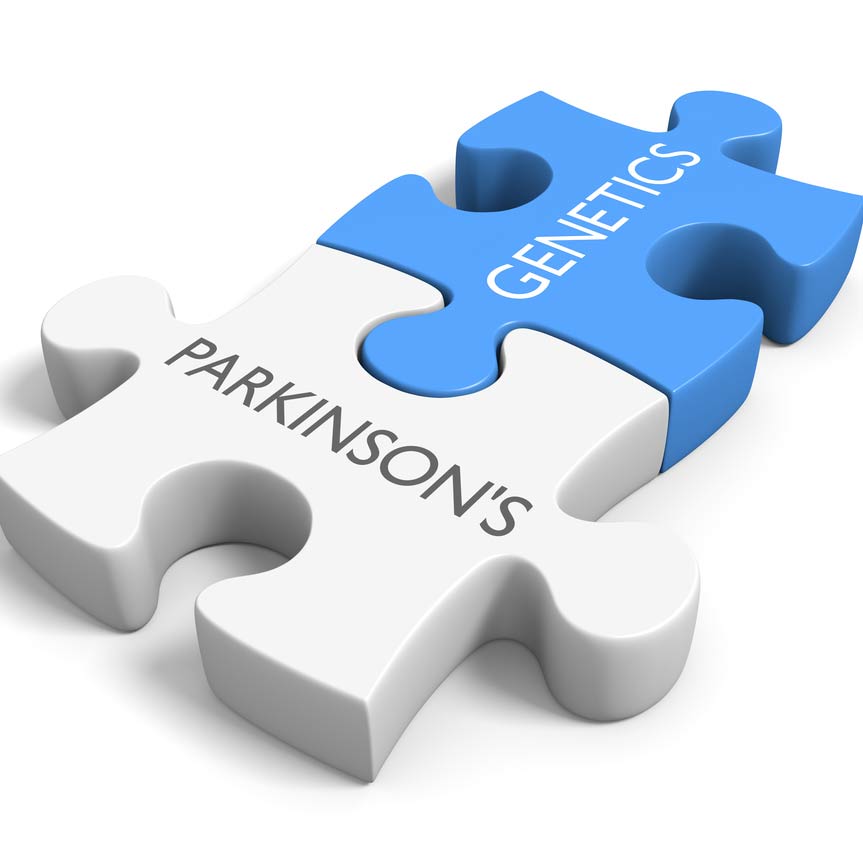
                   Two puzzle pieces joined together representing parkinson's and genetics

Parkinson's disease is a progressive disorder that affects the nervous system and the parts of the body controlled by the nerves. There are 28 chromosomal regions related to Parkinson’s and six contain genes with mutations conclusively. About 15% of people with the disease have a family history of the condition with a mutation link along the family lineage. SNCA, PARK2, PARK7, PINK1, AND LRRK2 are the genes that the inheritance patterns depend on. If LRRK2 and SNCA are involved, then the inheritance is autosomal dominant; if the other 3 genes are involved, it is autosomal recessive. Both parents passed on the altered gene but may not have even presented with any signs of having Parkinson's disease themselves.


Sources

https://www.hopkinsmedicine.org/health/conditions-and-diseases/parkinsons-disease/the-genetic-link-to-parkinsons-disease

https://www.ncbi.nlm.nih.gov/pmc/articles/PMC3253033/

https://medlineplus.gov/genetics/condition/parkinsons-disease/#inheritance


Sunday, November 19, 2023

Factor V Leiden thrombophilia

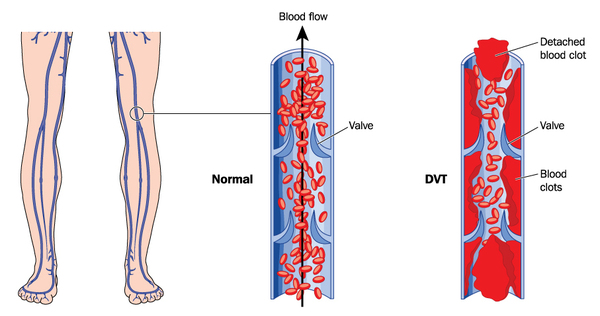
Factor V Leiden thrombophilia is a point mutation and autosomal dominant genetic condition. This genetic defect increases the risk of thrombophilia in homozygous Factor V Leiden mutations. It is also known as factor VR506Q and factor V Arg506 Gln, resulting from a single-point mutation in the factor V gene. People with this mutation can get deep vein thrombosis that occurs in the legs but can travel anywhere in the body if they break away and can lodge there like the lungs: eyes, liver, brain, and kidney. If they travel and get stuck in the lungs it is a pulmonary emboli but 10 percent of people with this condition never develop abnormal clots. The F5 Gene provides instructions for making proteins called coagulation Factor V. It plays a critical role in the coagulation system. The chemical reactions form blood clots in response to injury. The coagulation system is also controlled by other proteins including activated protein C. Normally APC inactivates coagulation Factor V which slows down the clotting process and prevents clots from growing too large but in people with Factor V Factor V cannot be inactivated normally by APC

Sources

https://www.nationwidechildrens.org/conditions/factor-v-leiden
https://medlineplus.gov/genetics/condition/factor-v-leiden-thrombophilia/#inheritance
https://www.ncbi.nlm.nih.gov/books/NBK534802/

Monday, November 13, 2023

Inheritance of Ehlers-Danlos Syndrome

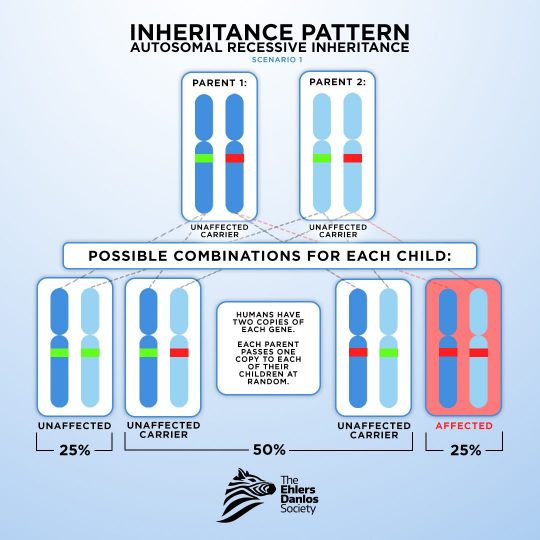
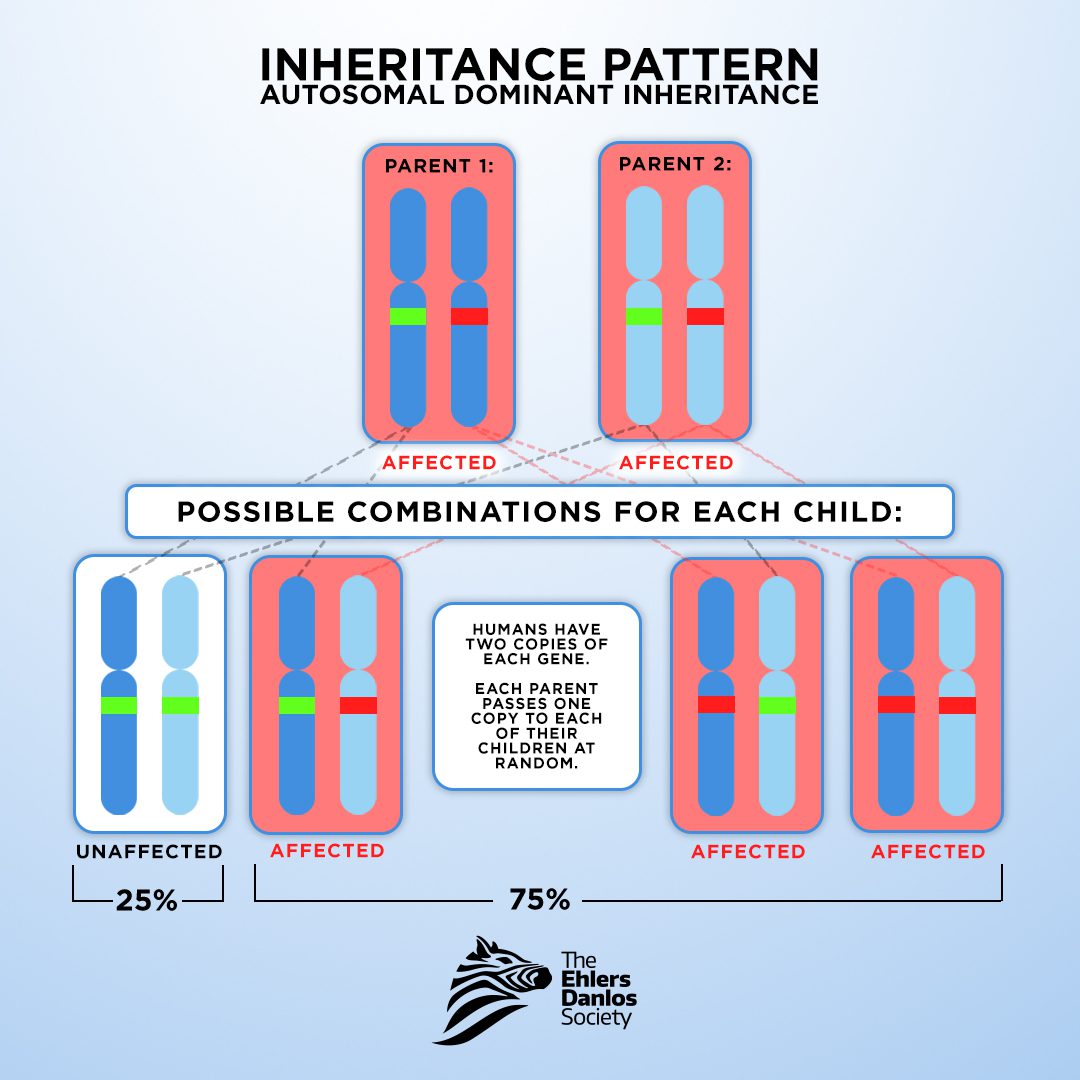
Ehlers-Danlos syndrome is an inherited condition that affects the connective tissues mostly skin, joints, and blood vessels. The most common form of EDS is hypermobility Ehlers-Danlos syndrome They're all associated with a variety of genetic causes passed on and inherited from parent to child. Depending on the type of EDS it could have come from one or both parents. There are more than 20 genes found to be the cause of EDS. Some of the genes associated with Ehlers-Danlos syndrome, including COL1A1, COL1A2, COL3A1, COL5A1, and COL5A2, provide instructions for making pieces of several types of collagen. When the genes are disrupted the process of creating collagen is affected creating changes in the weakened bones connective tissue stretching which are the characteristic traits of EDS. Inheritance of EDS depends on the type of syndrome type you have. Some have autosomal dominant or autosomal recessive. In recessive two copies of the genes in the cells are altered and one parent is the carrier but does not show signs or symptoms of the disorder. There is a chance that one in four children can get the condition from both parents. In autosomal dominant one copy of the altered gene in each cell cause the disorder and is inherited from one affected parent. While there is also a chance that a kid can get the disorder without any family history of it this is called new de novo gene variants.

Genetics and Inheritance of EDS and HSD - The Ehlers Danlos Society


Sources
https://www.mayoclinic.org/diseases-conditions/ehlers-danlos-syndrome/symptoms-causes/syc-20362125

https://www.nhs.uk/conditions/ehlers-danlos-syndromes/


https://medlineplus.gov/genetics/condition/ehlers-danlos-syndrome/#inheritance


https://www.ehlers-danlos.com/genetics-and-inheritance/


Tuesday, October 17, 2023

Mendelian Inheritance: Genes and Types

Genes can be said to be the bedrock of Genetics. They are the basic unit of heredity that can be passed from parents to offspring. Coined from the name of the biologist that proposed the rules of inheritance, Gregor Mendel; Mendelian inheritance is used to describe the biological inheritance principles of how certain traits are inherited by offspring from their parents. There are different types of Mendelian inheritance like autosomal dominant, autosomal recessive, X-linked dominant, X-linked recessive and mitochrondial. These modes of inheritance are expressed in single-gene diseases. Let us discuss them:

In autosomal dominant, the offspring requires only a single copy of a gene variant to develop a disease or condition. In this inheritance mode, one of the parents of the child needs to possess the gene. It is important to note that this inheritance pattern occurs in every generation. Examples of diseases that can be expressed through autosomal dominant inheritance are neurofibromatosis, Huntington's disease and familial hypercholesterolemia among others.


On the other hand, in autosomal recessive, each parent contributes a gene variant each for the offspring to have two copies of the gene variant to develop a disease or condition. Here, the pattern may not be seen in every generation. Examples of diseases that are expressed through this inheritance pattern are sickle-cell anemia, Tay-sachs disease, phenylketonuria and so on.


The X-linked dominant is a sex-linked mode of inheritance. Here, it is common to see that both males and females carry the trait in each generation. The only thing is that fathers cannot pass their X chromosomes to their sons, instead they pass it to their daughters and pass their Y chromosomes to their sons. Consequently, females are mostly affected here. Examples of diseases that are expressed in this inheritance patterns are ornithine transcarbamylase deficiency and hypophatemic rickets.


X-linked recessive like their dominant counterpart are sex linked. However, here males that have an affected allele on their X chromosomes are unable to pass the traits to their sons because they are hemizygous. Their daughters nonetheless, will carry those traits. Mothers that are heterozygous and healthy can pass the affected traits to their sons. So here, males are mostly affected and these affected males are seen in every generation. Hemophilia A and Duchenne muscular dystrophy are some diseases expressed by the X-linked recesssive.


In mitochondrial, female parents are the only ones that can pass the affected traits even though both males and females can be affected. It is possible for this inheritance pattern to appear in each generation and Kearns-Sayre syndrome is a disease that can be expressed by this patterns.


References

National Human Genome Research Institute "Gene" October 16 2023

https://www.genome.gov/genetics-glossary/Gene#:~:text=Genes%20are%20passed%20from%20parents,approximately%2020%2C000%20protein%2Dcoding%20genes.

 National Library of Medicine "Classic Mendelian Genetics (Patterns of Inheritance)"

https://www.ncbi.nlm.nih.gov/books/NBK132145/#:~:text=There%20are%20five%20basic%20modes,and%20complex%20multi%2Dfactorial%20diseases.

Friday, April 12, 2019

The pit behind your ear


Posterior helical pits (PHEPs) are an uncommon trait that appear to follow an autosomal dominant mode of inheritance. PHEPs were linked to different syndromes when they were first examined; three were directly associated with ear pits, BWS, SGBS and RTS. The syndromes where more frequent in families with this trait, however in many cases, no relationship between the two phenotypes was observed, suggesting that they are not directly linked. After those observations were made, many studies have been conducted to try to reveal the connection between PHEPs and the syndromes, but the results are unclear.
A study focused on PHEPs and BWS demonstrated that PHEPs are inherited as an independent trait but there's still a type of linkage with BWS, possibly representing causal heterogeneity. Currently it is suspected that there might be an unknown site of mutation in the chromosome that causes the syndrome, and ear pits might be linked to that one instead, but that is yet to be probed.
I find this fascinating because my family possesses PHEPs and as of now, no one has been born with any of the syndromes, but I wonder if it could happen in future generations? Also, the ear pits were passed to every family member, from my grandfather all the way to my youngest cousin, except for me, perhaps I'm adopted.

Tuesday, March 11, 2014

Inherited Alzheimer's Damage Greater Decades Before Symptoms Appear


A study investigating an inherited form of Alzheimer's disease shows the progression of the disease may slow once symptoms appear and do significant damage. Professor Colin Masters, from the Florey Institutie of Neuroscience and Mental Health and University of Melbourne, found rapid neuronal damage beginning 10-20 years before symptoms appear. Professor Master stated, "There is actually a slowing of the neurodegeneration." Families with autosomal dominant Alzheimer's are vital because years before symptoms arise, they can be diagnosed. Information gathered will also help treatment for those with age-related Alzheimer's disease. 1% of Alzheimer's patients have the genetic type of the disease. The next step of the study is the clinical trail. They will monitor the subjects with MRIs, PETs, blood tests, and cerebrospinal fluid.
The fact that only 1% of all Alzheimer's patients are the genetic form is shocking. That is good news, though, because it means a person does not pass it on to their progeny. Improving the treatment is very important for both the genetic and non-genetic types of the disease.


Saturday, February 11, 2012

Achondroplastic Dwarfism

[caption id="attachment_3721" align="alignright" width="333" caption="Warwick Davis has achondroplastic dwarfism and is a successful actor. He is well known for his roles in Harry Potter and Star Wars.  "][/caption]

This article, written by Arthur Schoenstadt, talks about Achondroplastic dwarfism. Achondroplastic dwarfism is the most common type of dwarfism. The dwarfism is caused by a mutation in the protein which allows the cartilage to converge with a head of a bone. In medical terms the process of cartilage converging to bone is referred to as ossification. The FGFR3 gene carries the instructions to create the protein that allows for successful ossification.  FGFR3 gene stands for fibroblast growth factor receptor 3.  Although this form of dwarfism can also be inherited by an autosomal dominant mode, scientists still do not know what causes the mutation.   If one parent has achondroplastic dwarfism their offspring will have 50 percent chance of inheriting the FGFR3 gene.

All people who inherit achondroplastic dwarfism are small in stature.  The average for an adult male is 4 feet and 4 inches and 4 feet 1 inch for adult females.  On average they have a proportional trunk with disproportinate arms and legs.  Their head and forehead are disproportinately large.  Adults who have achondroplastic dwarfism usually develop lordosis in their back and the legs tend to bow.  There is no cure for dwarfism but it is not a very common inheritable trait and is very manageable.

There needs to be more research pertaining to the cause of the mutation.  Most people with dwarfism live a very normal life and are able to modify things such as car pedals to perform everyday tasks.  We need to be developing more ways to treat their symptoms and try and prevent any complications that can occur from dwarfism.  Since we have isolated the gene there should be advancement in gene therapy to counteract the mutation.