Monday, October 29, 2018

Sheep Underdogs are Better Survivors

When it comes to the rate of survival, usually it is the more dominant, larger, and bigger animals to out survive their weaker .  In the case of the Soay sheep in the Scottish island, it's actually the other way around.  After being studied for the past 20 years without any intervention from scientists, researchers have been tracking the herds of these animals, noting their coat color, size, and reproduction rates and found that the recessive gene sheep are surviving better than their dominant counterparts.
On this island, there are two types of sheep - light coats and dark coats.  Since the sheep with the dark coats are born with the dominant trait, they also are born with bigger, stronger bodies.  However,  when born with the dark coat, they also retain the gene that leads to low reproductive rates and survival rates among juvenile sheep.
To have a dominant, dark coated offspring means that at least one of the parents must have the dominant trait as well.  Having the dark coat gene will override any recessive gene present, in this case the light coat color, and make the offspring heterozygous, meaning that they are born with both traits but only the
dominant phenotypic trait shows.  In order to produce a light coat sheep, both parents must be light coat or be heterozygous for the gene.  It was also studied that sheep being homozygous, or having two copies of the same gene, have the lowest rate or reproduction, heterozygous dark sheep had a medium rate of reproduction, and homozygous recessive sheep had the highest rates.
Evidently, it pays off to have the recessive gene on this island of sheep, however the ratio between the light and dark coat sheep is not what is expected.  The current ratio is 3 dark sheep to 1 light sheep, which follows along with the Punnet's ratio of 3 dominant:1 recessive between heterozygous matings.  But after learning that the light coat sheep have better rates of survival, I believed that this ratio would actually favor the light sheep rather than the dominant dark sheep.  This can be seen as another example proving the 3:1 ratio, despite the reproductive rates of the animals.

Drosophila Development in the Drink


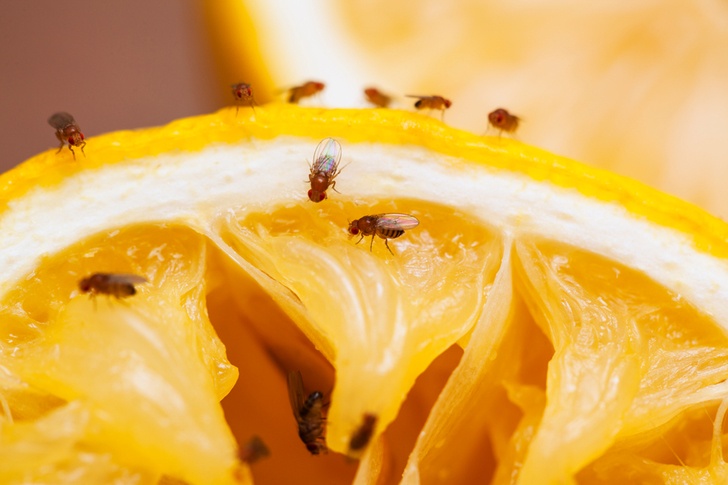
If a fetus is exposed to alcohol in the womb, it can result in a series of problems, such as developmental problems or even fetal death. However, fruit flies (Drosophila Melanogaster) are affected in a similar manner because they frequently eat rotting fruit, which produces alcohol. Tatiana V. Morozova and her research team examined the reason behind prenatal sensitivity to alcohol in fruit flies. They created a population of 200 wild-type inbred fruit flies that had fully sequenced genomes. The flies were exposed to alcohol and their developmental time and mortality rates were recorded.

Morozova et al also examined how ethanol exposure affected the movement of the flies. They found that when the fruit flies were exposed to ethanol, their development time increased, their movement was impaired, and that more flies died. However, there was some genetic variation and variation in the results from the different lines of fruit flies. The genomes of the lines were compared to examine the genetic differences between the sensitivity of each line. It was revealed that the Cyclin E gene, which regulates the cell cycle and is present in the ovaries of fruit flies, was linked to developmental alcohol sensitivity.

I thought that this article was an interesting read because the study could provide insight into the causes of  alcohol and drug sensitivity during human development. The study could also help us look into the genetic causes of these sensitivities and might lead to the development of safer medications to use during pregnancy or effective treatments for infants who were exposed to alcohol or certain drugs during development. There might not be an identical gene that affects alcohol sensitivity during development, but this study suggests that there might be a different gene that affects developmental sensitivity in humans.

References

A Cyclin E Centered Genetic Network Contributes to Alcohol-Induced Variation in Drosophila Development

Tatiana V. Morozova, Yasmeen Hussain, Lenovia J. McCoy, Eugenea V. Zhirnov, Morgan R. Davis, Victoria A. Pray, Rachel A. Lyman, Laura H. Duncan, Anna McMillen, Aiden Jones, Trudy F. C. Mackay, R. H. Anholt

G3: GENES|GENOMES|GENETICS August 2018 8: 2643-2653;

https://doi.org/10.1534/g3.118.200260

http://www.g3journal.org/content/8/8/2643

Sunday, October 28, 2018

Deep in Human DNA, a Gift from the Neanderthals

Unbeknownst to most, the innate defense built in the human body may have come from the early ancestors of the Neanderthals. People of Asian or European descent have some Neanderthals DNA due the the amount of breeding between the modern humans and the Neanderthals long ago. The reason those genes have stuck around through time is due to the possibility of being the reason humans are protected against infections.

As modern humans expanded from Europe and Asia, they "encountered new viruses", possibly from the Neanderthals but also were protected from these same viruses due the the defenses the Neanderthals gave them.

The immune system of a human is quite complex, and in order to learn more about such a "glimpse at the distant medical history of our species", an evolutionary biologist, David Enard, first had to change his approach to the task: starting with finding all the proteins human have that "interact with at least one virus." This reason for this approach being that viruses cannot duplicate singularly: they need a host protein to inject their DNA into and it replicate with the virus DNA.

Dr. Enard discovered that the proteins humans have, "many have changed over the course of evolution" and because of this, he began to wonder how then Neanderthal genes are still somewhat around in the modern human genome. Those particular genes must provide some evolutionary advantage, for which they have been selected for over time. Researchers believe that the beneficial Neanderthal genes were "borrowed" by the modern human to fight infections, and more specifically code for "proteins that interact with viruses." By analyzing the genomes of living humans today, it is clear that many proteins made by these genes mostly interact with only influenza, others only H.I.V. Although those diseases did not directly come from the Neanderthals today, the defense their genes gave humans years ago is still somewhat relevant in humans today.
I am not sure to the extent of which I believe the content in this article. Sure, the innate defense system of the immune system had to come from somewhere, but this seems a little far-fetched. It does makes sense though that if in fact the immune system was due to the modern human interbreeding with Neanderthals, those genes inherited for defense have evolved over time and changed, with the amount of their DNA declining over time.
https://www.nytimes.com/2018/10/04/science/neanderthal-genes-viruses.html
http://humanorigins.si.edu/evidence/human-fossils/species/homo-neanderthalensis
https://www.huffingtonpost.com/quora/what-do-evolutionary-biol_b_3644482.html

Saturday, October 27, 2018

What inspired Mendel?

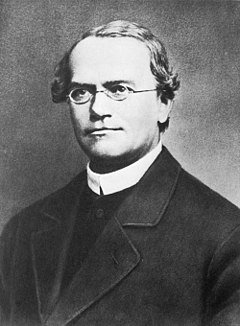
Everyone knows Gregor Mendel as the father of genetics, but what to we really know about the man himself? There are not many letters that he wrote himself available for reading, and only a few of his letters to Charles Darwin have survived. Mendel's "intentions in studying plants" has been a long anticipated question. In a recent article in GENETICS, by Peter J. van Dijk et. al, two newspapers have been newly found that uncover Mendel's hidden motivations.
The popular opinion is that Mendel was trying to figure out "the rules of inheritance" but others argue that he was simply trying to figure out if he could create a new species from hybridization.

Van Dijk found these "overlooked" articles, one published in 1861 emphasizing Mendel's desire to produce new and improved crops and flowers in the region. He was "surprised" by the results of his crosses that produced "plentiful fruit".
The second article, published four days later, slightly criticized Mendel saying that the extent of his work was "exaggerated" and to not give him so much credit. Mendel may have thought he was doing a great work of the people of his region, but others thought it was highly over-glorified and was not that big of a deal.
Both newspaper articles found stress the fact that new science in its time is not exactly what everyone wants to automatically believe: it takes time for an idea to become part of everyone's thinking and to accept it as truth.

I believe that Mendel was a great scientist and did a great work for the work of science, genetics, and heredity. It is understandable that at his time his work was misunderstood because the science he was addressing was an uncharted water and at the time some people did not know what to think about this new world being discovered until more people started to study it as well.
http://genestogenomes.org/what-inspired-mendel/
http://www.biologyreference.com/Ho-La/Hybridization-Plant.html
http://www.genetics.org/content/210/2/347

Friday, October 26, 2018

Reporting from the Maury Show: Two Female Mice are left with pups, but where is the father??

While Maury disputes over who is the father, we will have to resort to his team of "experts" who can run the DNA of the pups to test the possible parents. However, they said something seemed off with the analysis, the children have the combined genes from only the mothers! Can it be possible that true love at first sight knows no boundaries?

Miraculously, scientists in China have been able to reproduce viable offspring using parents that are of the same sex. While the idea may seem amazing, the technique is relatively new and is not successful enough to implement outside the lab. In fact, female-female parents are only 14% likely to produce healthy-viable offspring whereas male-male parents have a 2% likelihood of producing offspring which end up dying soon after (1). Nonetheless, the process is highly sophisticated and the procedure slightly differs between the two sexes.

For female mice, what happened was that scientists made their eggs act like sperm. They used chemicals to treat the eggs in a manner that an egg thought it was fertilized, causing it to undergo division. At that moment, the researchers extracted stem cells that were haploid and used CRISPR to delete various sections of DNA to erase the genes coding for being an egg. Lastly, this "sperm cell" was fertilized with an egg extracted from the other mother and placed into a separate surrogate mother.

                                       
                                           A female egg being treated to act like a sperm cell

When it comes to male mice, I imagine the resulting egg as someone who did their middle school art project the day before it was due. The researchers had to extract a haploid stem cell as they did with the female mice, but what was tricky was that they had to convert a sperm cell into an egg. At this point, they were able to pair the modified sperm cells from both fathers into an enucleated egg, an egg which had its nucleus removed, erasing its biological instructions. The scientists then tried to create and combine the enucleated egg into a placenta and I imagine that was when it all started falling apart. Of course, should there have been pups born from the procedure they were doomed to die shortly after.

Although the idea of producing an offspring from the same sex seems cool, I am not sure how practical it will be in the long run. The article even mentions that it will be an arduous process to convince people that it is a safe practice for human use. Moreover, it will be a complicated process taking this procedure out of mice and using it for humans, especially if there is a percentage that the procedure could compromise the health of a baby. I also wonder how this technique would affect a boy and a girl given that their parents may only be the same sex. However, at one point in time, no one could have possibly imagined that the world would be this advanced, so you never know what could happen in the future.

Thursday, October 25, 2018

Unwanted DNA Deleted by "Jumping" Genes

The discovery of a new family of molecules may have been a ground-breaking discovery. These new molecules strictly extract undesirable DNA while reproduction in ciliates. Transposons play a large role in the jumping around of these genes. They are moved around by specific enzymes called tranposases. Transposons have jumped around throughout many years of evolutions, allowing for the organisms that they host to obtain that genes and functions that they carry leading to domestication.

The enzyme, transposases, originates form a family called PiggyBac that have domesticated themselves in other organisms. When ciliates, also known as Paramecium, reproduce, there is an extremely important section of their DNA that also includes the transposons. The study that was conducted looked closer into the PiggyBac families and transposons that intricately delete DNA from the genetic makeup of Paramecium. They later hindered the activity of PiggyBac and tranposases, that resulted in discovering a decrease in efficiency, accurately, and the length of the DNA sequence. Going forward, studies need to consider that transposes may have the same cellular behavior as the PiggMac group found in the PiggyBac family. This type of discovery is raising many questions in the science industry. Can this work in other organisms? If so, how? What are the negative effects of this "jumping" gene? I believe that there's still more that needs to be done in order to find the answers to these many questions.


CRISPR Gene Editing Fixes Muscular Dystrophy in Beagles


        The article CRISPR Gene Editing Fixes Muscular Dystrophy in Dogs. Are Humans Next?, discusses scientific research led by Eric Olson (chair of molecular biology and professor at UT Southwestern Medical Center). Him and his team were able to successfully use the gene editing technology CRISPR to correct the genetic defect that is responsible for muscular dystrophy in four beagles. The beagles were bred with the disease-causing gene. Previous technology had been tested on rodents only, so this is the first time CRISPR was used to treat muscular dystrophy in a large animal. This is exciting news for anyone who has been affected by muscular dystrophy as it is one step closer to a cure for humans.  The Duchenne disease is caused by mutations in the dystrophin gene. The dystrophin gene codes for a protein needed for correct muscle function. The muscles of people with this disease get weaker and weaker with time. As the age, they need to use wheelchairs to get around and often need ventilators to breathe in the final stages of the disease. People with the Duchenne disease have short live spans and usually only live to teenage years.  
        Olson and his team were able to correct this gene mutation in the beagles by splicing out offending sections on the gene with the use of CRISPR.  The gene editing technology has the capability of cutting out sections of DNA at specific locations. In the Duchenne research, Olson said when him and his team snipped out the sections of the mutated dystrophin gene, it allowed for the gene to make enough of the correct protein for the muscles to function normally. Olson injected the CRISPR molecular scissors using two different methods. With two of the beagles, he directly injected the CRISPR into the muscle and with the other two beagles he injected the CRISPR into the bloodstream. Injecting it into the bloodstream allowed it to have a more widespread affect and travel to muscles throughout the body. Olson also loaded CRISPR onto a cold virus that was modified to seek out and splice DNA, particularly in the diaphragm and heart. The results 8 weeks after the injection were fascinating. The beagles that received systematic injections were producing healthy dystrophin protein at a rate from 3% to 90% of the normal levels. It is believed that if healthy dystrophin levels in humans with the disease is raised by 15%, their ability to function and their lives will be significantly better. In the beagles where CRISPR was injected directly into the muscles, there was an increase of healthy dystrophin protein, but only in those specific muscles it had been injected. 
        This study is encouraging and continuous to further develop the use of CRISPR to fight disease in humans. There are several other disease-causing gene mutations that have been spliced out of rodents using CRISPR. While there are still several questions about how safe the use of CRISPR really is, so far studies have shown greater than expected results. I believe advancements in the use of CRISPR is a huge success in the use of gene editing to cure disease. The successful results from several lab studies gives even more hope that the use of CRISPR will lead to disease treatment in the future. Knowing a family who just lost a son to the Duchenne muscular dystrophy makes this research even more relevant and exciting. It is exciting to see the advancements being made in science that will contribute hugely to the medical field in the future. 

Wednesday, October 24, 2018

The Possible Heredity of COPD

COPD affects several Americans across the country each year. COPD is short for chronic obstructive pulmonary disease. It is a combinations of many of different conditions that negatively affect the lungs along with damage and inflammation tot he airways. Physicians do not look at the genetic factor that may take place in developing this disease when believing that someone may be at risk. There are many risk factors that have a severe affect on causing COPD and making it significantly worse. There may also be a genetic link to determine the risks of individuals that may be at a higher risk for developing COPD in the future.

The genetic link that some people may have to COPD is called AAT. Also known as alpha-1 antitrypsin. The only way to be at risk for COPD would be to have a deficient of AAT. It has been determined by the National Heart, Lung, and Blood Institute, that about 100,000 individuals living in the United States have an AAT deficiency that increases their risk of developing COPD. A person who lives in an environment with clean air and is a non-smoker can still be diagnosed with COPD if found with a deficient in AAT. There is not a specific test that physicians do to determine if someone has an AAT deficiency, therefore they may never even know if they have it. Instead, they look for the following signs, shortness of breathe, wheezing, a persistent cough, and regular respiratory infections.  Individuals that are AAT deficient have a chance of developing COPD at the early age of twenty years old.

In order to try and prevent the development of COPD is to stay away from many risks factors such as smoking and polluted air. The only way that an individual can be AAT deficient is if it is passed down through both parents carrying the deficient gene. If the gene is passed along through only one parent then the individual will not be AAT deficient, but it could be passed on to their children. The AAT deficiency may not be as common as the risk factors that contribute to COPD. People who is AAT deficient should talk to their doctor, reduce their vulnerability to the risk factors, and make lifestyle changes if necessary. Personally I believe that people should be aware of the risk factors and avoid them as much as possible whether they have the deficiency or not. By ensuring good health, taking the necessary steps to be educated on the risk factors can decrease the amount of people suffering from this disease.

Article: https://www.medicalnewstoday.com/articles/323348.php
Related Article: https://www.ncbi.nlm.nih.gov/books/NBK1519/

Monday, October 22, 2018

Scientist Create Genetic Score that Predicts Lifespan


It has always been known that eating your vegetables and exercising at least three times a week can help increase life expectancy, but scientist may have found a way to “predict a person’s lifespan by studying genetic variations in the human genome that are responsible for the inevitable process of aging.” A study recently presented at the American Society of Human Genetics 2018 Annual Meeting held in San Diego, CA suggested that genetic variations might be able to predict which individuals will live longer.

The team collected data from over a half a million of people and researchers were able to discover 21 genetic locations that play a role in human lifespan. The genetic score was said to “accurately predict lifespan into deciles of expectation of life with a difference of more than 5 years from top to bottom decile.” Paul Timmers, the leading researcher stated that “Using a person’s genetic information alone, we can identify the 10 percent of people with the most protective genes, who will live an average of 5 years longer than the least protected 10 percent.”

 I do find it interesting that a genetic score may be able to predict lifespans and although the study have shown quite accurate results from predicting a person’s lifespan based on the study they have done, I’m not too sure if I can fully believe it because there are just too many factors that influence lifespan such as making healthy lifestyle decisions.

Sunday, October 21, 2018

A single missing gene leads to miscarriage

 A recent study performed at Ruhr University in Germany has identified a gene responsible for miscarriages among mothers. Modified knockout mice were used to determine the effect of the gene throughout the experiment. A transcription factor is a protein that controls the rate of transcription of genetic information from DNA to messenger RNA, by binding to a specific DNA sequence. Math6 is crucial to organs during prenatal development.  The Math6 gene does not affect embryonic development when it is turned off however the embryo is not provided vital nutrients due to placenta problems.
When researchers cross-matted the mice, it was found that the disorder occurred only when the pregnant female lacked both parental copies of the Math6 gene. The disorder depends on the genetic makeup of the mother, not the embryo. In my opinion, this is a important area of research. Families are affected drastically by reoccurring miscarriages . The researchers at Ruhr University want to advance their study to focus on reoccurring pregnancies next. If more research is concluded, in the future there can be a solution or treatment to prevent the loss of pregnancies for mothers.

Genetic Mutation May Increase Risk Of Pancreatic Cancer In Females


Researchers found that a specific gene mutation of a gene ATRX it can lead to pancreatic cancer or pancreatitis in females.
The researchers deleted the gene they studied the female preclinical model and found an increase in susceptibility in pancreatic cancer but when the same gene was deleted in males then it showed a decrease in cancer.
So this is a sex-specific gene mutation.
In a follow-up study, using tumor samples from French patients the researchers are trying to better understand this mutation. 
"The loss of ATRX increases susceptibility to pancreatic injury and oncogenic KRAS in female but not male mice," is published in Cellular and Molecular Gastroenterology and Hepatology.
IMAGE

Antibiotic Resistance: Breakthrough Study Offers Solution


Resistance to antibiotics is one of the leading global health issue and in the United States alone, it is estimated that “antibiotic-resistant bacteria affect about two million people per year and account for 23,000 deaths.” Resistance to antibiotics occur when the small amount of bacteria that survive after the use of the antibiotic change in a way that allow them to resist or reduce the effectiveness of the drug. The bacteria eventually multiply, allowing its resistance to grow.

The possibility that antibiotics may go ineffective will be a big issue for “medical procedures such as joint replacement, cesarean delivery, bowel surgery, and chemotherapy as they could become too dangerous to perform.” However, a team at Case Western Reserve School of Medicine in Cleveland, Ohio has recently found a way to use specific small molecules that cause the bacteria to go ineffective instead of killing them. The molecule works in a way that prevents the bacteria from releasing toxins that will kill immune cells. The study was performed on mice and it was found that the mice that were treated with the small molecules all survived while 70 percent of the mice that were untreated had died.

 It’s extremely concerning to hear that tens of thousands of people die from resistance to antibiotics every year. As a drug that is supposed to help cure people from infections, it actually damages our bodies for future attacks. It’s great that scientist are actually aware of this issue and are working hard to find a possible cure. Instead of killing the bacteria which will allow for the growth and spread of resistant bacteria, it seems like this is an effective technique where the bacteria is made ineffective instead.

Friday, October 19, 2018

Project Baseline Aims to Ward Off Illness Before We Get Sick

        Unfortunately, when discovering diseases it is normally in the late stage of the disease when it is too late.  With new technology and research doctors are working on a way to determine if you will have a disease such as cancer before it shows and becomes apparent.  The thing with cancer is that the earlier you can detect the malignant cells the easier it is to treat and hopefully rid the cancer from your body.
        Project Baseline, started by Dr. Gambhir, who lost his teenage son to brain cancer initiated the study involving 10,000 volunteers of different backgrounds to be studied vigorously for at least four years.  This project collects an immense amount of research on each healthy adult by "analyzing their micro biomes, sequencing their genomes, subjecting them to a variety of stance and assessing their cognitive health.  They are also equipping volunteers with new wearable technology from Verily that records their nightly sleep patterns and tracks their heart rhythms and physical activity." (O'Connor, 2018)  Dr. Gambhir is conducting this research to help himself better understand the development of diseases from the healthy stage, to the diseased stage.  Project Baseline looks for precursurs to cancer, cardiovascular disease, aortic aneurysms, and other killers, so that medical attention can be reached before it is too late.
        The only downside to this research is that the scientists are conveying all of the research conducted on that patient back to them, which may cause anxiety and stress, leading to more tests needing to be done.  Doctors are working together to figure out a way to tell their patients the data found in a way which will not worry them and allow them to understand them fully without panicking.  Would you allow yourself to be one of the volunteers for Project Baseline?

https://www.nytimes.com/2018/10/18/well/live/project-baseline-cancer-prevention-heart-disease-illness.html

https://www.projectbaseline.com

Researchers Explore a Cancer Paradox

          Cancer is one of the most widely studied diseases in the world, not just because it is so deadly, but because it affects so many people and families all around the world. Tumors are associated with cancer, however, not all tumors are cancerous. In the article they describe tumors as cells with an abundance of genetic mutations and states that in order for a cell to become cancerous, at least five to ten cells in the tumor must be genetically mutated. 
          Genetic mutations are not always made by the fault of cell division. Mutations can occur due to the environmental surroundings such as exposed to an excess amount of radiation, smoking or being exposed to cigarettes, and being exposed to ultraviolet rays for a prolonged period of time. Because mutations are such a huge factor in cancer, more recently researchers have been studying these mutations to try and comprehend how the mutations appear in healthy cells and what causes these once healthy cells to develop into cancer. 


          Through research scientists have discovered that our so called, 'healthy cells', are riddled with different mutations and some of these mutations were previously thought to be the leading causes of cancer. For the fact that we did not have this type of technology up until recently, the mutations that were detectable had to be very common, which is why we also find these common mutations in our healthy cells. The hidden story lies behind the rare types of mutations which is what these scientists sought to unearth. 
          A study done in 2015 on epithelial cells that were left over from cosmetic surgeries (specifically the eyelid) were put under a microscope and genetically tested. They took 74 genes that are known to be cancer causing and used them as a list to look for. The scientists found that mutations that were found in the cancerous cells were also found in these healthy skin cells too. Statistically they said, "one in every four epithelial cells carried a mutation on a cancer-linked gene" which would in turn speed up the growth of the cell. 
          Because the scientists found so many cancerous cells in the epithelial cells, they decided to dig deeper into the body and study the cells of the esophagus and see if the same would be for them. What the scientists discovered is that they did turn out the same, and because of this, these scientists are lead to believe that the cause of cancer lies with age. With age, they say, comes more mutations and more loss of the original genetic information as the cells are divided over and over again.
          Since finishing the study, scientists have not come up with a proper way to cure or treat it. In this case, the study that was done opens up a new can of worms for cancer studies. What generation of cells is more susceptible to cancer? Is genetic modification the cure to these cancerous cells and if so, what will this do about aging if this theory is true? I think this is a wonderful beginning of a new way to look at cancer. For years we have been focused on it as an overgrowth of cells with mutations and now we are more focused on what those mutations are and how are those mutations created inside the human body. I'm very excited to hear about the next study that these scientists will conduct, I wonder if it will open up yet another door into the unknown world of the cancer cell. 

Thursday, October 18, 2018

Researchers Explore a Cancer Paradox


Cancer is known to be a disease cause by mutations of healthy cells, and scientists have discovered that it takes about 5 to 10 different mutations to turn healthy cells into cancer cells. Shockingly, this article discusses how a number of healthy cells actually turn out to be carriers for "primary drivers" of cancers. Scientists didn't know that so many mutations could be carried and not expressed, so this discovery has made a giant step in cancer research. They did a study on skin cells to try to find cancer-causing mutations in patients without cancer, and found 74 genes that are known to play a role in cancer. It was concluded that about one in four skin cells carries a mutation on a cancer linked gene, which is a crazy high number. Scientists thought that maybe this number was so high because they were testing skin cells, which are exposed to UV rays for long periods of time, so they looked at cells inside the body, as well. They found that there weren't as many cancer causing mutations in the esophagus as in the skin, but that there were still some. After multiple studies, they concluded that many of these mutations arose because of natural mutations, not smoking or any other outside force. While those are also helpful in aiding cancer cells' growth, they are not the only factors. The end of this article claimed that even a super healthy person has a pretty good chance of getting cancer, because genetic mutations are much more common than originally thought. Scientists hypothesized that cancer might not be as common as these studies would make one expect because as the cancer cells are growing, so are cloned cells that help fight the cancer cells. 
This article was super interesting to me because I always wondered how people get cancer, and what actually causes it. I have heard that almost everything can cause cancer, like sunblock or too much deodorant, and was never sure what was true and what wasn't. Most of those claims may have been hoaxes because cancer can arise from mutations within our own bodies, and people probably didn't realize that, or didn't want to believe it. It is so much easier for us to blame some other outside force rather than accept the fact that sometimes it just happens. Hopefully now that scientists understand the mutations that occur and cause cancer, they will be able to create genes to kill these cells or get rid of them in some way. 

https://www.nytimes.com/2018/10/18/science/cancer-genetic-mutations.html?rref=collection%2Fsectioncollection%2Fscience

https://www.cancer.net/navigating-cancer-care/cancer-basics/genetics/genetics-cancer

https://www.cancer.gov/about-cancer/understanding/what-is-cancer

Wednesday, October 17, 2018

A Genetic Linkage to Alcohol Withdrawal Symptoms


   It has previously been established that there is a genetic linkage between our genes and the tendency to consume alcohol, but in this genome-wide study, researchers have linked genetics to the severity of alcohol withdrawal symptoms. This is a relevant research area given that nearly 16 million Americans are affected by some kind of alcohol disorder. Alcohol acts as a depressant to our central nervous system, and when an addiction is formed our brain gets used to constantly working harder to be more alert. Many people that try to break their alcohol addiction suffer from withdrawal symptoms, such as anxiety, shaky hands, nausea, and vomiting. Previously it was thought that the level of drinking and the duration of the addiction were large factors on the severity of the withdrawal symptoms, but this study now reveals a genetic link to the severity of withdrawal symptoms.

     The study was a genome-wide association study, which analyzes complete DNA sets across various populations. Specifically, the study found that variations in SORCS2 gene were highly linked to severity of alcohol withdrawal symptoms. The reasoning behind this is that variations in the SORCS2 disrupt stress-related mechanisms in the hippocampus of the brain. This means when this variation is active, the central nervous system is hindered and unable to adjust to the sudden cessation of alcohol intake. Another interesting finding from the study was that those of African-American heritage do not appear to carry the gene variant, whereas as many as 1 in 10 Americans of European descent carries the variation in this gene.

     As unfortunate as it is, alcoholism is a very prevalent problem in our society that often becomes worse over time and sometimes is left untreated due to the social acceptance of drinking in public places. It is promising to see some research going into an area that could potentially improve the treatment of those suffering from an alcohol-related disease. It is also curious to wonder whether this same gene has any effect on the severity of withdrawal symptoms from other drug addictions to depressants, or if it solely specific to withdrawal from alcohol. I am also curious about the correlation they found between race and the ability to having this variation in the gene. As with any genetic linkage, this also opens the possibility for new genetic-based therapies and the hope that possibly using personalized therapies based on genetics can vastly improve the symptoms of alcohol withdrawal.

Article
Related Article

Tuesday, October 16, 2018

Elephants rarely get cancer because their bodies have a rare 'zombie gene'

 
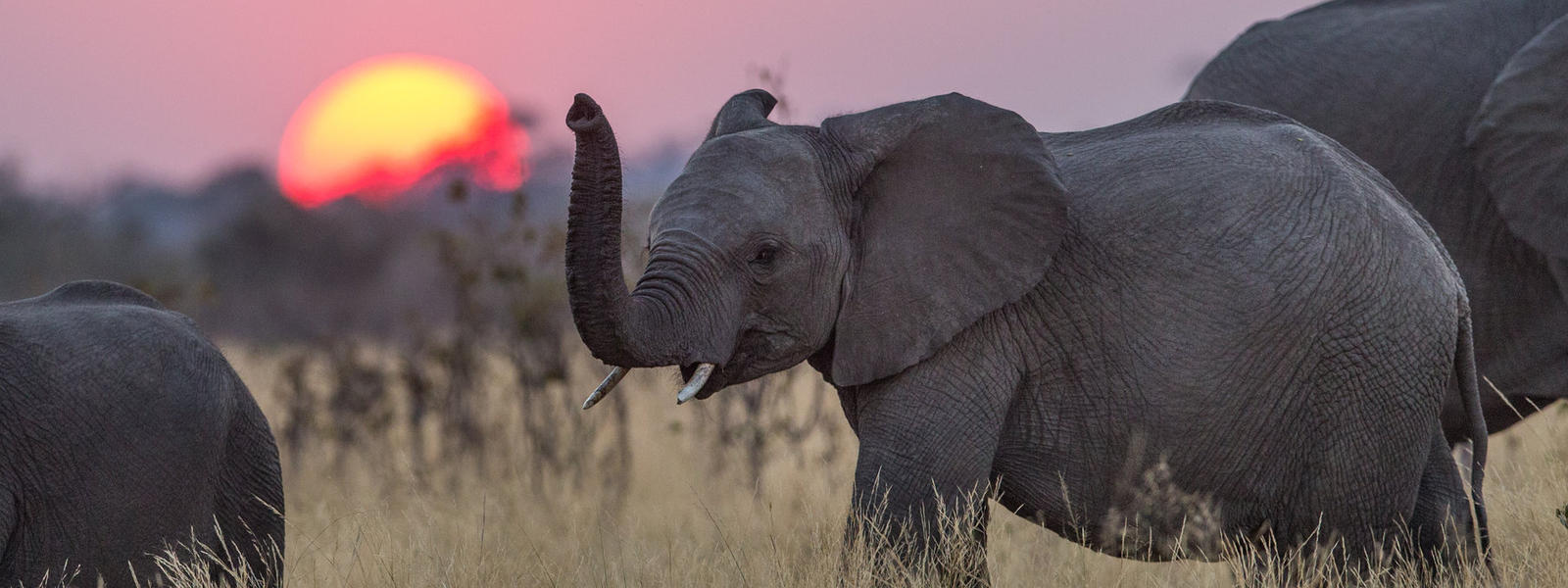
Elephants are virtually the last mammals that have the LIF6 gene. It has died in almost every other animal, but still operates in elephants and might be able to help us find a cure to cancer. Elephants rarely every get cancerous diseases, and scientists are starting to contribute it to the fact that elephants have 20 copies of the p53 gene to turn on the LIF6 gene, whereas humans only have one so we might not have enough power to flip the LIF6 gene back on. In the study, scientists focused on refunctionalizing the LIF6 gene, which is a leukemia inhibitory factor with apoptotic  functions. Lynch and his team were originally studying the p53 gene in elephants, but found that the LIF6 gene evolved to create a new "on" switch, which enables the gene when it is exposed to other dead cells. The study concluded that once the LIF6 gene is activated by p53, it kills the cell fairly quickly and produces a protein that destroys the cell's mitochondria and kills the cell. Then the LIF6 gene was blocked in elephants in the study, the diseased cells quickly became cancerous. When the LIF6 gene was introduced to mice that didn't have the gene or just didn't have it activated, they became cancer resistant.
This study has made a huge step toward cancer research, and I hope they continue with their experiments. If scientists can prove that replacing the gene in mice does not give any long term effects, then maybe we could start using it in humans. Getting rid of cancer would be a huge accomplishment in today's world and would help so many people and families. Even if this turns out to be a temporary fix, it could give so many people a longer time to live and create better lives for people. I'm sure many people in the world would be willing to donate money to fund this research, I just wish it was a little more accessible. This article wasn't available until the second page on Fox News, but it seems like a really important story and should be pretty popular.

https://www.foxnews.com/science/elephants-rarely-get-cancer-because-their-bodies-have-a-rare-zombie-gene

Our Genetic Basis of Endurance Running


Humans have been long heralded for their ability to run for long distances, an ability that separates us from other mammalian species. As we learned from biodiversity and evolution, several key structural changes of early hominid species led to the development of humans being able to walk and run upright with ease. Some of these changes include: angled femoral bone head, s-shaped spine, and placement of foramen magnum directly under the skull. Although these structural changes have aided humans greatly in efficiently traveling on two legs, not much is known about the genetic mechanism of our endurance prowess. Not until a study done by Okerblom et al., did a genetic link to our long distance running ability was found.

The researchers pinpointed a mutated gene that they believed served as a catalyst to running, called CMAH, whose mutation coincided with a change in lifestyle from more primate to more human (2-3mya). Current mutations in CMAH have been most commonly linked with several disorders, such as muscular dystrophy and diabetes, however, Okerblom et al. hoped to shed light on the positives of this gene with their study. To conduct their study, the researchers utilized two groups of mice, one with and the other without mutations in the CMAH gene. To test the effects of mutation in this gene on endurance, they had the two groups of mice run on a small treadmill for a period of time. What they found was that the mice with the mutated version of the gene ran faster and further than the mice without mutations.

With the results of this study, Okerblom et al. sought to find the genetic basis of human's ability to run for long distances. Although several professionals advise caution in making an immediate link with the mutated CMAH gene to increased endurance, it is a promising step forward in finding an answer to our history of endurance.

As a distance runner myself, I often marvel at some of the athletic feats of elite distance runners when they smash a record at a certain distance. The record breaking marathon ran recently by Eliud Kipchoge at Berlin, for example, is one of the most impressive endurance feats I can think of. Eliud nearly clocked a sub two hour marathon, for a 4:38 average for each mile, which is faster than most of us can run for one. Eliud has been close to breaking two hours at this distance, which has long been thought to be impossible. That makes me wonder if he, in fact, carries a mutated version of the CMAH gene.

Article

Monday, October 15, 2018

Studying the Genetic Basis of Sleep Patterns in Fruit Flies


Humans have a very distinct differentiation in the required amount of sleep people need to function for the following day. This variation in humans is not unique, and even Drosophila melanogaster exhibit variations in sleep patterns as well. The ability to understand the genetic basis of sleep could help to identify molecular mechanisms that are essential in heredity of this trait. Researchers published an article on the website Genes|Genomes|Genetics, where researchers described a collection of inbred fruit flies that exhibit extreme sleep behaviors that would help them to ultimately determine the genetic basis of sleep needs.

A previous research study had created a population of fruit flies that showed long sleeping and short sleeping traits. Researchers worked with flies from the Drosophila Genetic Reference Panel (DGRP), which is a population of more than 200 inbred lines room Raleigh, North Carolina. Basically, DGRP is a library of fruit flies that have polymorphisms of complex traits. Researchers chose five longest and five shortest sleeping lines from the DGRP an allowed them to randomly cross for 21 generations to produce an outbred population. Using artificial selection, the researchers produced two long sleeping and two short sleeping populations.

From these populations, the new article highlights the researchers creating an inbred lines. Inbred ines are important in genetic studies because it reduces genetic variation. To create the inbred lines, the researchers selected a male and a female from each population and mated them and then selected one male and female fro the progeny to propagate the line. This process repeated for 20 generations and created a total of 39 inbred lines and these were called the Sleep Inbred Panel.

Simple demonstration of the process carried our by the scientists using inbreds

Night sleep of the inbred lines ranged from one hour to almost twelve hours, which demonstrates that the extreme phenotypes of sleep times were maintained in the inbred lines. Phenotypes were similar to the parental populations which demonstrates that inbreeding reduces genetic variability. The only variation between the new flies and the parent flies was due to the short sleeping population, which may have had a lower fitness than the other flies. Overall, the authors identified SNPs and genomic variations with sleep phenotypes that dates back to the DGRP inbred lines.

This research in fruit flies can help researchers determine variation in sleep cycles and sleep processes in humans. Perhaps there is a genetic connection between preference of sleep, like those who enjoy sleeping more in the morning or those that enjoy sleeping more at night and waking up earlier. Going a step further, finding the genetic connection to sleep patterns may help researchers identify the causes of sleep disorders and using some molecular genetics techniques could possibly cure those diseases. Personally, I am able to wake up earlier in the morning and also stay up late at night if possible, and seeing this research done on human genetics could just be an additional insight on how we function as humans and as a society in regards to sleep patterns.

New Genetic Link to Erectile Dysfunction


     For the first time, scientists have linked erectile dysfunction to genetics. As most of us know, erectile dysfunction is the inability to maintain an erection for men, and usually becomes more common as men age. Other health factors can also contribute to erectile dysfunction such as weight, tobacco use, and drug/alcohol use. It has been hard to produce effective treatments for erectile dysfunction due to the diversity and uniqueness of each case. There are current medications for erectile dysfunction, most are oral pills that increase blood flow and the increased blood flow helps erections. However, most of these medications have had limited success and effectiveness varies greatly from case to case.

     Previously, scientists have suspected that genetics play a role in erectile dysfunction but have failed to find a direct gene location as a cause until recently. For the first time, in a large study involving over 200,000 men that reported having erectile dysfunction, scientists have found a gene near the SIM1 gene that shows significant linkage to erectile dysfunction. They found that variations at this locus showed over a 25% increased risk in developing erectile dysfunction. The team was also able to understand how the SIM1 gene interaction works. They know that the SIM1 gene is a part of a signal pathway that contributes to sexual function and body weight and that the erectile dysfunction locus is in very close proximity to the SIM1 gene. The team found that variations at the erectile dysfunction locus affected the enhancer of the SIM1 gene, interacting with the promoter for the gene. Therefore, it is likely that the erectile dysfunction locus affects the expression of the SIM1 gene, which affects developing erectile dysfunction.

     This discovery seems like a big accomplishment in genetics and for doctors that deal with this field. Having linked a single gene to erectile dysfunction is promising because then scientists can start researching genetic therapies to cure this. Now that a genetic cause has been identified, hopefully, if genetic treatments are used the rate of success increases. It will be interesting to see the future research in this area, and if they are able to design types of genetic therapies, as well as if they are able to possibly find other genes linked to erectile dysfunction.

Article
Related article

Sunday, October 14, 2018

Adding Jellyfish Genes Into Monkeys

Scientists Place Jellyfish Genes Into Monkeys is an article explaining the method of incorporating specific jellyfish genes into the rhesus monkeys' sperm cells.  This technique is currently being experimented on and tested to then be able to
mix human genes into monkeys.  If this is an effective technique, it is hoped that fertility doctors would eventually be able to infuse genes into human embryos to reduce and possibly prevent diseases.  The blend of genes would act similarly to vaccinations that are injected into children.  However, added genes may not only just deal with diseases, but could also aid in the improvement of cognition and memory.
To begin the experiment, scientists mixed jellyfish genes into the monkeys by attaching them to the outside of the sperm cell and would then use them to fertilize an egg.  In order to see if the jellyfish genes were present, scientists would then take the sperm cell and place it under a fluorescent light.  If it glowed green, the jellyfish genes were actively working and incorporated in the cell. However, when these mixed sperm cells swam towards the egg and shed their outer coat, the added jellyfish genes were discarded and only the genetic material of the sperm fertilized the egg.  Scientists then discovered that the jellyfish genes would enter the egg if they were directly injected into the sperm themselves.  This experiment was also recently done as Dr. Yanagimachi fused the jellyfish genes into rabbit sperm, as he was the first scientist to directly insert the jellyfish genes into a different animal's sperm. With these tested animals showing the traits of glowing fluorescent, there are no other added benefits.  However, with knowing that this experiment works, it gives scientists the ambition to begin adding genes that will have beneficial results.
While I believe that adding genes that could help in the prevention of inherited diseases is an interesting concept, I do not believe that it should be done to human offspring as there are possible dangers in doing so, such as affecting nearby genes.  This could then result in unforeseen disabilities or health complications when the child is born.

Saturday, October 13, 2018

Gene That Turns Wild Animal Into Pets

     
        The article, The genes that turn wild animals into pets, discusses Russian scientist Dmitri Belyaev's interesting project he conducted with the purpose of understanding the transition from wolves to tamed pets. He believed that the docile behavior and attitude were genetically inherited over time. He began to breed large amounts of silver foxes to see if he could create the same transition of wild wolf to dog. He began by taking a group of the friendliest and calmest silver foxes and mating them together. The most docile offspring of the each generation were bred together several times and eventually the descendants began to seek out human attention and affection. The also began to inherit physical biological features, like floppy ears and curled tails. Belyaev and his team of scientists also bred together the most aggressive of the silver foxes over several generations. After over 40 generations, the project produced two distinct lines of foxes: tamed and aggressive. This project gives a good overview of how dogs were bred to have the tamed and playful attitudes they have.
        In 2010, Guojie Zhang, a professor at the University of Copenhagen decided to sequence the red foxes genomes in order to pinpoint the specific genes that contribute most to the domestication. She used 10 tamed fox, 10 aggressive fox, and 10 neutral attitude foxes for her comparison. They discovered 103 genetic regions that varied widely amongst the different lines of foxes. She says that most of the genes are involved in behavior and immune functions. 45 of the genes overlapped with genes that were already known to affect tameness and aggression in dogs and another 30 genes were linked to the tameness and aggression of the red foxes. The team had an interest in one gene that was known for governing behavior traits, SorCS1. This gene has been found to have connection to human behavioral disorders, such as autism and Alzheimers. The team looked at the foxes response to human interaction and the version of SorCS1 the foxes are carrying. The more docile foxes have a version of the gene that the aggressive foxes didn't carry and some of the aggressive foxes had a rare version of the gene. The findings show the domesticated behaviors in different species may function through the same genetic mechanisms and the behavior can transform greatly in only a few generations of outside pressure. I think it is very interesting to see the affect domestication had on the foxes. It is fascinating that humans can pass on which genes we prefer in animals by how we breed them. I also find it interesting to see that the gene that governs the behavior traits in the foxes is the also connected to human behavioral disorders.

Friday, October 12, 2018

Genetics Indicate Higher Risk Factor for Gout than the Previously Thought Diet


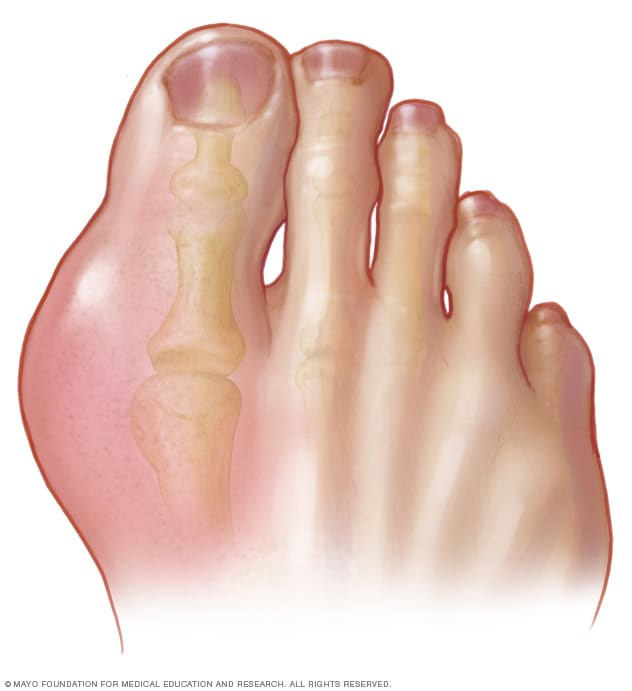
In this research study conducted by Major, Topless, Daleth and Merriman, diet and genetics were evaluated as risk factors for gout and their association with serum rate levels. Gout is a common disease that can lead to intense pain in joints, mostly seen on the outside of the big toe. Gout is caused by an accumulation of urate crystals in the joints, which occurs when high levels of uric acid develops in the blood. Many believe this accumulation is primarily due to diet, where certain food and beverages stimulate an increase in uric acid. However, in the study performed by Major et al., they found that genetics had a higher rate of variance in serum urate levels than certain trigger foods did, 23.9% compared to <1%.

The researchers obtained those percentages by analyzing the diet and genome of close to 17,000 individuals (equal parts male and female), while measuring their serum rate levels along the way. Participants were required to be eighteen years of age, and have no history of gout.

With these results, the researchers hope to dispel the common misconception that gout is caused primarily by diet, which the they believe is a primary reason why patients are uncomfortable talking with their physicians about it. With this hanging stigma that gout is the fault of the patient, many affected people don't seek treatment, which is a shame due to the highly painful nature of the condition. Although these findings hold contrary to popular belief, professionals still advise the consumption of a healthy diet to further decrease risks.

Personally, I am not affected by gout and neither my family, however, reading about the symptoms of the condition I can get a sense of how severe gout can be. Knowing that there is a stigma about gout patients, and how this discourages seeking of treatment is truly unfortunate. Although gout can be really painful, and that treatment is manageable with serum rate lowering drugs, I find it disheartening that affected people are willing to risk going untreated so they won't be judged by their physician. I hope in light of this study, patients with gout can be seen in a new perspective and that patients are willing to seek treatment to alleviate this condition.

Related Links
Article
(on gout drug)

Thursday, October 11, 2018

This Mouse Had Two Dads


lots of animals have reproductive strategies that seem almost alien to us. From penis fencing hermaphrodite flatworms to all female parthenogenic lizards.  But why is it that mammals always seem to need a male and female? Scientists in China decided to see if other strategies can work, with a little help form science.

They were able to create mouse pups with two moms that even survived to adulthood. They did however have some abnormalities due to a process called imprinting, in which molecules with methyl groups attach at a location close to an affected gene in the DNA. These can be removed using CRISPR, and then the DNA of stem cells taken from the parents can be used to create embryos.  Embryos created from females in this way have a 13% chance to produce viable offspring that are even able to reproduce at maturity.

These scientists even achieved something new, the first androgenesis ever in a mammal. It required some more work than using females. They had to cut out 6 imprinted regions to create embryos from the stem cells of two males, as opposed to 3 from the females. Only 1.2% of the embryos resulted in births (from a surrogate mom). None of those who were born lived for very long, and never to adulthood. They were also much larger than normal. The scientists learned that taking out a seventh imprinted gene made the offspring a normal size, though they still died.

This research might help us better understand birth defects caused by imprinted genes. It could also help with conservation of nearly extinct animals in which not enough individuals exist to revive the species through normal breeding, such as the northern white rhino which only has two female members left.

source 

Study: Gene Drive Wipes Out Lab Mosquitos


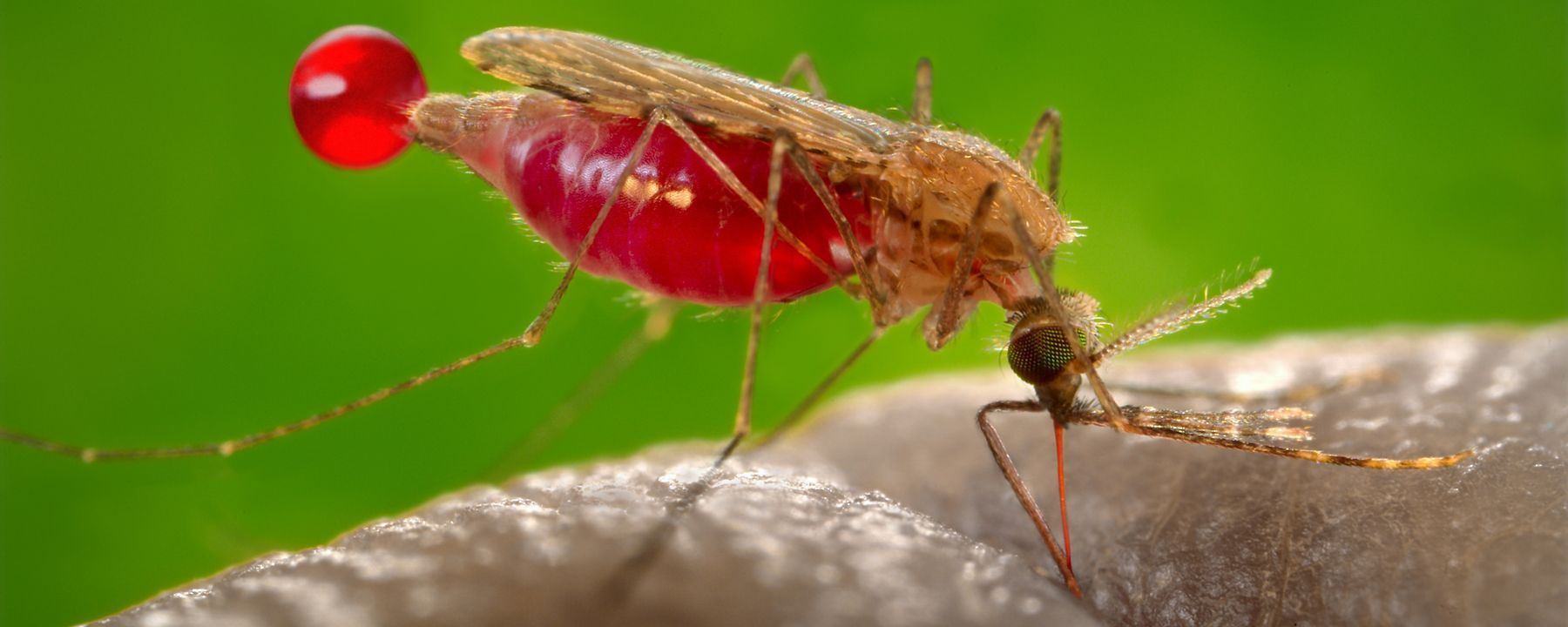
        The article “Study: Gene Drive Wipes Out Lab Mosquitos” discussed a gene drive that completely wiped out a population of malaria-carrying mosquitos in a lab. A gene drive is a genetic component that ensures its own inheritance. In this study, the gene drive led to the self-destruction of the mosquito population. This is big news and will hopefully lead to more discoveries in combatting malaria in the future. This breakthrough proves that gene drive can work and holds promise that we will be able to fight this horrible disease. The team that performed the study targeted a region of the gene called doublesex. This gene is responsible for the development of female mosquitos. Female Anopheles mosquitos that contain two copies of the doublesex gene are unable to produce eggs and after 8 generations of breeding, the gene drive made its way throughout the entire generation and no eggs were being laid.
        This is an awesome development, but this gene drive would likely not work well in the wild due to a resistance likely forming. Some scientist involved in the study believe that the gene drive, although not completely resistance, is very promising to combat malaria-carrying mosquitos in the wild. The scientist say it will be another 5-10 years of studies and testing before that release any mosquitos containing the gene drive into the wild. First before that happens, they will need test the gene drive in mosquitos in much larger containers where the mosquitos can act more naturally to what they would be like in the wild. Although there is still plenty more test to be done, this is a big achievement in the genetics community that will hopefully help to save many lives in the future. If we could prevent malaria-carrying mosquitos from laying eggs in the wild, we will be able to gradually stop the spread of the disease. This research can be used to continue our understanding of gene drive and how we can use it for the good of mankind.

Wednesday, October 10, 2018

What DNA From Pets Teaches us About Dogs-And Humans


For about 60 years Russian scientists have been breeding foxes to be domesticated and wild. They have been doing this to study the different genomes from the tamed and aggressive. This study started back in 1959, to understand how dogs became domesticated by a scientist named Dmitri Belyaev. To try and domesticate foxes he would breed the tame with the tame to make each generation even more comfortable and not scared to be around humans. Belyaev hypothesized "the biological changes in domesticated animals—white spots, curled tails, floppy ears, shortened skulls—were the result of an evolutionary selection process over behavioral traits rather than anatomical ones." He then tested his hypothesis and found that he breed tamed, friendly, fearless foxes with each other and found the offspring were fine around humans, and also exhibited different traits than the wild/ aggressive foxes. the tamed showed characteristics of white spots, curly tails, floppy ears, and more. Although Belyayev passed in 1985 the research still continues.

More than 40 generations of friendly and aggresive foxes have been breed. Allowing scientists to have a fully sequenced fox genome. By having the fully sequenced fox genome they were able to see that friendly foxes have a version of the gene SorCS1 that did not appear in aggressive foxes. The version of the SorCS1 gene found in the aggressive foxes was actually a gene that is associated with autism and Alzheimer's in humans. previous studies on mice have showed that this gene has to do with formation and neuronal signaling. These previous studies help show that the SorCS1 gene may have influence on behavior. Domesticated animals do not get as stressed when approached by unfamiliar humans like wild animals do, this may be because of a blunt response in the Hypothalamic-pituitary-adrenal (HPA). Which is what stress activates in brain and what responses come from it. There is still a lot of research to be done to understand completely since some dogs, even though having strong bonds with their owners can still be very aggressive. This is very important research in my opinion since dogs are a very popular pet in many households, and this research can help people to understand why some breeds are considered "bully breeds" and some are not.


Article link

Related Article link