Tuesday, July 30, 2019

Cats Domesticated Humans

        The house cat is the most popular pet in the world. Today's house cat is only domesticated species in the family Felidae. This carnivorous mammal comes in 60+ recognized breeds from designer breeds, like the Toyger, to regular mixed breeds like the domestic short-hair. At one point, these animals were bred for milk, fur, labor, or meat. However, it has been long believed by scholars that around 3,600 years ago Egyptians started to keep them as pets. However, new research in the last 10 years has given us a more knowledge on our relationship with cats, and how they evolved with humans.
        Researchers examined 1,000 wild and domestic cats to help determine which subspecies of wildcat gave rise to today's domestic cat. Wildcats are very territorial and typically defend their homes for life. This lead researchers to believe that although the genetic composition of the cats would vary from region to region, in each particular region the genetic composition would be fairly stable over time.  In analyzing their collected data, they were able to determine that the DNA clustered into 5 groups, Middle Eastern Wildcat, Central Asian Wildcat, South African wildcat, European wildcat, Chinese Mountain cat, and Sand Wildcat.  They noticed that wildcats from each of these groups can all have their ancestry traced back to the same region, today's Middle East, and that all are descendants from the wildcat F.s. lybica. In comparing the mitochondrial DNA, and DNA microsatelites of the domestic cat to the wildcat data, it became clear the domestication occurred again in the Middle East. Leading researchers to now believe that domestication actually occurred in the Fertile Crescent and not Egypt.
                                                          (Scottish wildcat)
        With new genetic evidence pointing to the Fertile Crescent as the sight of domestication, another break-through discovery was made in cat domestication. In 2004, on the island Cyprus, archeologist uncovered human remains buried next to a cat. After dating the evidence, it was determined to be 9,500 years old, roughly 6,000 years before the Egyptian domestication theory. This finding is extremely crucial in dating the domestication of house cats because wildcats are not native to the island Cyprus, meaning the only way a feline could have gotten there is if it was transported there by boat.  This suggests again, that people of the Middle East had been keeping cats long before Egyptians, and were even transporting them on boats.
       The newest theory of cat domestication revolves around the Middle East and the Fertile Crescent. It is believed that maybe humans did not originally intend to domesticate cats at all, and the felines were exploiting our newly found agriculture to survive. Wildcats are strictly carnivourous animals, so crops do not appeal to them, however, the new rodents that came along with farming did. Wildcats could take advantage of the field new mice and rodents that came along with humans newest agriculture trend. When thinking about the domestication of the house cat, it's quite comical that essentially cats have not served much purpose to humans. They do not listen to commands. Do not carry out specific tasks for humans unless it benefits them. And rarely do they want to be held captive inside a house. Even the house cats of today still display these qualities.
        All of this evidence comes down to one new theory. Humans never domesticated cats. Cats just chose to live near us because we provided them food. In today's day we still provide them with food but also with shelter, and in typical cat fashion, they even have us picking up their feces and throwing it out for them. It seems like cats really have domesticated us in a way that their wildcat ancestors could only dream.
       I love cats, and thought this article was great because it gave insight into a thought that is commonly misinterpreted. Humans never really domesticated cats with a particular purpose.  It is remarkable to think that we now take care of our house cats because their ancestors decided to feed on the rodents from ancient crops. When thinking of dogs, horses, chickens, or most domesticated species the animal typically serves a purpose. However, without the mice for cats to eat in the Fertile Crescent, cats would probably not be house pets today, and most definitely not the most popular one.

https://www.ncbi.nlm.nih.gov/pmc/articles/PMC5790555/
https://science.sciencemag.org/content/317/5837/519
https://books.google.com/books?hl=en&lr=&id=GgUwg6gU7n4C&oi=fnd&pg=PA179&dq=cat+domestication&ots=V07J3Eg67f&sig=MeFR_gQpnNMzWgwk9Ggbmk16uTo#v=onepage&q=cat%20domestication&f=false

Newly Found Genetic Advantage for Free Divers

Free diving is the sport of diving underwater without the use of any breathing apparatus. This technique has been used for thousands of years by island communities to hunt and gather food. The Bajau people of Southeast Asia, known as "Sea Nomads," have collected food by free diving with spears. They now live around the islands of Indonesia and are renowned for their ability to hold their breath for incredible amounts of time. The members of this community can dive up to seventy meters with only some weights and a pair of wooden goggles. Since the Bajau people do not dive competitively, it is impossible to know exactly how long they can hold their breath on average. However, a diver in the Bajau community told a reporterthat he had once dived for over 13 minutes.

Other diving mammals, such as the seal, have disproportionately large spleens for their body. This led Melissa Llardo, from the Center for Geogenetics at the University of Copenhagen, to wonder if the same trend would follow in diving humans. She traveled to Indonesia and met the Bajau people, who were surprised that she had even heard of them. She then asked to take ultrasound pictures of their spleens and spit samples to compare to a related group of people from the Indonesian main land, the Saluan.

On average, it was found that the spleen size of the Bajau was 50% larger than that of the Saluan. From the spit samples the researchers also found a gene called PDE10A, which is thought to control a certain thyroid hormone. This hormone has been linked to spleen size in mice, and when they have a lower level of this hormone, they also have a smaller spleen size. The PDE10A gene was only found in the Bajau people, which could be an explanation for why they have larger spleens.

Melissa Llardo theorized that natural selection would have helped the Bajau people gain a genetic advantage over thousands of years of free diving. Unfortunetly, the Bajau way of life that has persisted for generations is increasing under threat. Overfishing is making it harder for the Bajau to subsist on their local stocks and because they live out to sea, they do not enjoy the same citizenship as those on the mainland. Because of this, many of the Bajau people choose to leave their "sea nomad" life, making their tribe smaller and smaller.


Autism Largely Caused by Genetics, Not Environment: Study

The article, “Autism Largely Caused by Genetics, Not Environment: Study”, written by E.J. Mundell explains how autism mostly relies on genetics. This goes against the idea that the spectrum is based mostly on environmental factors. It has often been thought that vaccinations are a cause for autism. This has played a role in children not getting vaccinated for years. There has been mounting evidence, this article included, that this is not the case.
The article claims that autism affects one in every fifty-nine children in the United States. This number is a lot higher than I thought. Learning more about autism can help this whole group of individuals have a better understanding about what autism really is. It is also important to understand that maternal factors only play a role about one percent of the time. This number is so small, yet the big focus seems to be on maternal factors. The article discusses how the genetics factors are often very overlooked. 
In another article, “Autism Parent, Times Two: When More Than One Child in The Family Has ASD”, by Marina Sarris it discusses the likelihood of two siblings having autism. Because it is genetic, siblings have a much higher chance of having autism. Fraternal twins have an even higher chance. Data was collected in studies on families with more than one autistic child. It is extremely important to observe and look into those with twins. These are the most interesting cases because they have the same genes as well as environment. They even shared their mother’s womb. 
Overall, understanding how genetics plays a role in autism is very important. It will help educate people and encourage them to ignore the myth that vaccines cause autism. It will also eliminate any indication that autism is largely caused by maternal factors and bad parenting. However, I am not sure if genetics will help us to treat autism. I believe that it will help us find out how to manage and aid those affected, but it brings up a whole debate. If a mother knows her unborn child will have autism, is it right to get rid of the child or potentially alter genes? There is a huge stigma on autism already, but does having autism really make someone different in a bad way? 
Another interesting point that comes with these articles is the idea of how genetics and the environment work together. While the study says that genetics is responsible 80% of the time, there is still another 20%. It is important to give all the factors appropriate consideration. Genetics needs to be taken into account more, but we also need to remind ourselves that it is almost always both. Our environment and our genes go hand in hand with each other. 
Above is an image of the genetic network for autism. It shows how complicated genetics can be and how autism does not rely on just one single thing. 

Monday, July 29, 2019

Lung cell patches its own DNA on the fly to survive influenza

Image result for influenza

Scientists at Duke University have recently discovered a specific kind of lung cell that is able to repair its damaged DNA and survive an attack of the influenza (common flu) A virus. This specific type of cell will survive while other cells around it will die. This discovery shows a correlation between pulmonary cells and viruses at the smallest level, which may help scientist and physicians discover new treatments for respiratory conditions such as asthma and COPD (chronic obstructive pulmonary disease).


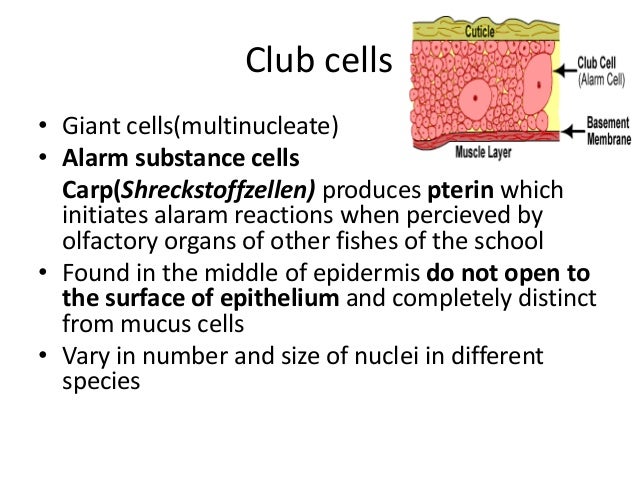
This resilient little cell that can repair itself is called a "club cell". Its located in the narrowest airways just above the alveoli of the lungs (The alveoli is the place where gases are exchanged in the blood). Nicholas Heaton, an assistant professor of molecular genetics and microbiology of Duke's School of Medicine, discovered that club cells could survive a flu infection that would kill most cells. Club cells make high levels of pro-inflammatory molecules called cytokines. The adverse effect of club cells is that the lungs remain somewhat hostile to new viruses even after an infection has cleared.


Image result for club cells

Heaton exclaimed that, "We knew from previous work that club cells could survive, but we had no idea how".


Sara Cherry, a colleague at the Univerity of Pennsylvania, sorted through all of the club cell's viral response pathways during infection. UofP's lab discovered that club cells were rapidly increasing DNA mismatch repair in response to infection. Usually, an invading virus or pathogens main offense is reactive oxygen, this reactive oxygen causes damage to secretions of DNA that are active within a host cell. Club cells somehow are able to patch up the DNA and survive,


Heaton says, "While a proinflammatory environment helps control virus levels, it's actually the over-activity of inflammation that can kill influenza patients, often after they've cleared the flu virus".


I believe that club cells may be the way that physicians fight off future infections. By cracking the genetic code on these DNA repair cells, scientists may be able to use CRISPR gene editing to take this cell's genetic information and add it to existing cellular code (for an example the liver), then regeneration of vital organs from debilitating diseases/conditions. UofP, Duje, Hopkins, and Mayo Clinic should do extensive research to see how these club cells can be implemented in all aspects of medicine.

HIV Eliminated From the Genomes of Living Animals

       Researchers at the Lewis Katz School of Medicine at Temple University and the University of Nebraska Medical Center have for the first time eliminated HIV-1 DNA from the genomes of living animals. Kamel Khalili, Laura H. Carnell, and Lewis Katz say that their study "shows that treatment to suppress HIV replication, when given sequentially, can eliminate HIV from the cells and organs of infected animals. HIV is currently being treated with antiretroviral therapy (ART) which does not eliminate HIV from the body, and consequently requires lifetime use. If this therapy is stopped, HIV rebounds, and begins to integrate its genome into cells of the immune system where it can no longer be targeted by ART.

Image result for hiv molecule     
       Previously Dr. Khalili's team developed a method using CRISPR technology to develop a gene editing system which aims to remove HIV DNA from genomes that contain it, named CRISPR Cas9. This system proved effective in mice as it was able to remove large fragments of HIV DNA which greatly slowed HIV expression. However, this can only slow HIV, not eliminate it.

      In this study Khalili combined this system with another antiretroviral therapeutic strategy known as LASER (long acting slow effective release) He hypothesized that LASER ART could suppress HIV replication long enough for CRISPR Cas9 to excise the viral DNA. To test this theory, the team used mice engineered to produce human T cells susceptible to HIV infection. These cells were then treated with LASER ART prior to treatment using CRISPR Cas9. After the treatment cycle genomes of mice were then analyzed and it was found that HIV DNA had been completely eliminated in roughly 1/3 of infected mice. Khalili says that after this finding the path to curing HIV now becomes more clear and he plans to further test this system on primates and is optimistic that human clinical trials could begin within the next year.
Image result for crispr cas9https://www.sciencedaily.com/releases/2019/07/190702112844.htm
Breakthrough In More Reliable HACs

Human artificial chromosomes, or HACs, have been limited by their key component for years. Artificial centromeres should behave like their natural counterpart in replication processes. Centromeres are thought to be established at specific marks along human DNA; these epigenetic marks consist of proteins or chemical tags that are made of CENP proteins. This is where HACs fall short, the CENP-B proteins along with repetitive sequences prevent a reliable inheritance of HACs artificial centromeres. This is where Ben Black’s team of researchers at University of Pennsylvania have targeted their work.

Ben’s team has created two types of new HACs. Both do not have the CENP-B protein, and one even lacks the repetitive sequences. The first improvement noted was that by removing CENP-B protein, HACs could more reliably pass on genetic information. The replication process was still possible since Black’s team inserted epigenetic markers in the HACs manually. This new found reliability allowed for more opportunity to study genomic approaches.
Epigenetic markers are essential for natural chromosomes and HACs. CENP-B, however, is not required for HACs. This conclusion was derived by Black’s team guiding CENP-A, which is essential in both HACs and naturally occurring centromeres, to assemble on incoming HAC DNA. 

The most remarkable success of this experiment is that there is no long repeating sequence in the functional chromosomes. This could open the door for a more reliable method to study longer sequences, and then fitting them into viruses; a popular approach to delivering synthetic genetics.

Genetic Study Points to Metabolic Roots of Anorexia Nervosa


The article, “Genetic Study Points to Metabolic Roots of Anorexia Nervosa”, by Nicoletta Lanese discusses the recent insight into the genetic markers of anorexia nervosa. The data collected became part of one of the biggest studies on the eating disorder that has ever been made. It has become more evident that there is a lot more to anorexia nervosa than previously thought. The disorder has psychiatric and metabolic origins. 
Through the study, I found two very interesting discoveries. The first is that anorexia nervosa shares single-nucleotide polymorphisms with other psychiatric disorders. These include obsessive compulsive disorder, depression, and a few others. The second is the disorder’s relation to metabolism. Certain gene variants indicate that anorexia nervosa may stem from one’s metabolism functioning differently. Apparently, the part of the body that signals when we are hungry, does not work properly. As a result, those with anorexia nervosa might just be able to physiologically starve themselves longer. 
Another article by Amy Lewis called “Researchers Explore the Genetics of Eating Disorders” offers more facts. The scientist Cynthia Bulik has worked with the Center of Excellence for Eating Disorders. In a study on twins, Bulik and her team found that anorexia nervosa is 50 to 60 percent heritable. She was also responsible for the studies in 2017 that are mentioned earlier concerning anorexia nervosa’s link to other psychiatric problems. Going forwards, she hopes to understand more about all of the eating disorders. The center has begun an initiative to look into binge eating on a genetic basis as well. 
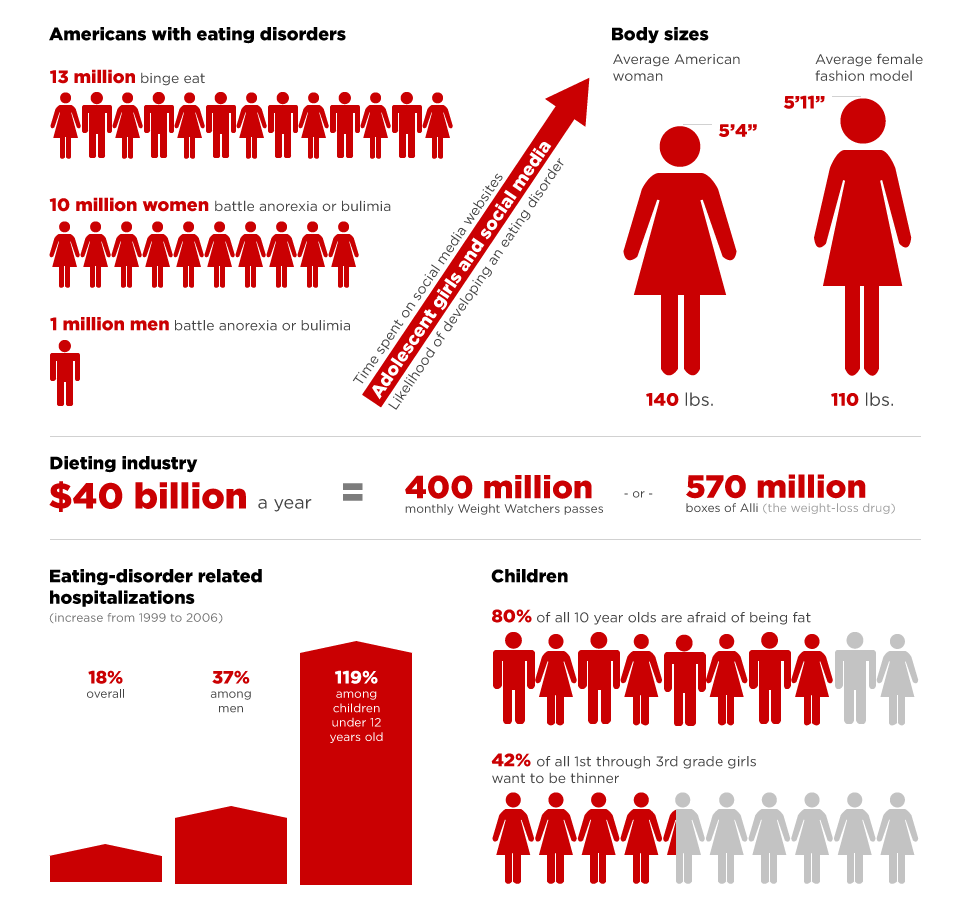
Above is an image depicting some statistics on the severity of eating disorders. Genetics could be key in lowering these statistics drastically. 

The subject of eating disorders is an extremely important topic of research. Genetics allowed us to learn this new information. Without the field, we would not be able to make the same leaps and bounds in understanding the devastating disorder. Anorexia nervosa is the deadliest of the eating disorders currently. It affects a lot of younger individuals especially of high school and college age. For this reason, the subject was very interesting. Looking into the genetics of eating disorders can help us to understand more about how they work, how to treat them, and even who is at a higher risk.

Saturday, July 27, 2019

The Gumboot Chiton's Magnetic Teeth May Be Key for Nanoscale Technology

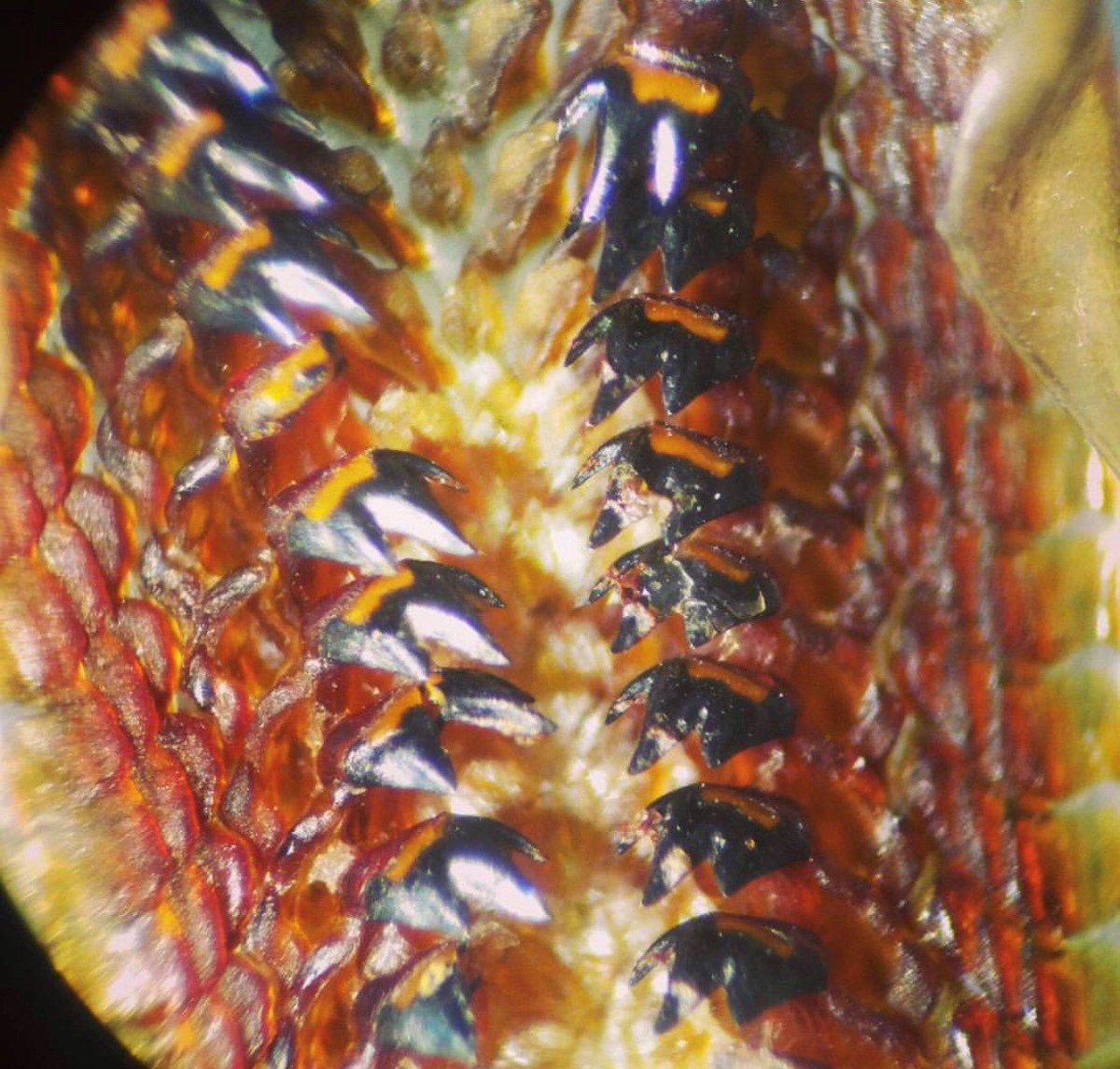
The gumboot chiton (Cryptochiton stelleri), a species of mollusks found along the shores of California, have teeth made from magnetite. Magnetite is a magnetic material made of iron found on Earth's crust, but only a few animals are able to produce it. Gumboot chitons scrape algae off ocean rocks using their magnetic teeth, but not much is known of the biomechanisms behind the production of their teeth. Chitons have dozens of rows teeth with each cusp made of magnetite, but after scraping rock for long periods of time, the teeth begin to wear which are then replaced by new teeth.Image result for gumboot chitonImage result for gumboot chiton teeth
A gumboot chiton (left), also known as the "wandering meatloaf", with its teeth (right).


A research team lead by Michiko Nemoto of Okayama University and David Kisailus of UC Riverside recently discovered how the mollusk is able to produce magnetite teeth. While researchers would usually look toward specific genes in their genome, the research team actually examined the chiton's transcriptome, the set of all mRNA molecules expressed from the genes. In the developing teeth region of the RNA transcripts, they found ferritin, an iron-storing protein. In the mineralized teeth region, they found a large amount of mitochondria that provide the energy needed to transform the molecules into magnetite. A new protein was even discovered which they identified as radular teeth matrix protein1.

I stumbled upon these unique creatures when I was looking for genetic articles on teeth. My interest in dentistry brought me here, but it was exciting to read about these new discoveries and how they are being brought into the light of engineering. Next-generation electronics require nanoscale energy, and by studying gumboot chitons, researchers are closer to developing nanaoscale energy sources since knowing how to control biological magnetite is essential to the process. I was also fascinated by the fact that the research team looked into the transcriptome instead of the genome. Some of my past blog posts looked into researchers who would study specific genes in the genome to find what they were looking for, but the research team in this article examined the transcriptome because they thought it would be easier to look at the regions that are actually expressed.

Links to Sources:
https://news.ucr.edu/articles/2019/01/31/magnetic-teeth-hold-promise-materials-and-energy
https://www.nature.com/articles/s41598-018-37839-2

Thursday, July 25, 2019

Slowing Metabolic Rate Can Prevent Detrimental Effects of Genetic Mutations

     At Northwestern University, researchers sought to analyze the effect a 50% decreased metabolic rate posed on mutation rates in fruit flies. Their hypothesis was that this would increase mutation rate, but to their surprise, detrimental mutations never occurred. The experiment was led by Richard Carthew, who stated that with a normal metabolism, normal developmental problems in fruit flies occurred. However when the metabolic rate was slowed, these problems disappeared and while the fruit flies developed more slowly but did not experience developmental problems as they aged. According to Northwestern's Luis Amaral, it's always been though that if you break some genes, there can be some extreme consequences on development. However, what was found was that when these same genes were "broken" in the presence of a slowed metabolic rate, the previously seen consequences were not present.

      The research could explain why factory grown chicken, which are bred and fed for rapid growth, typically have more developmental problems and also contributes to the notion on why caloric restriction is correlated to longevity.

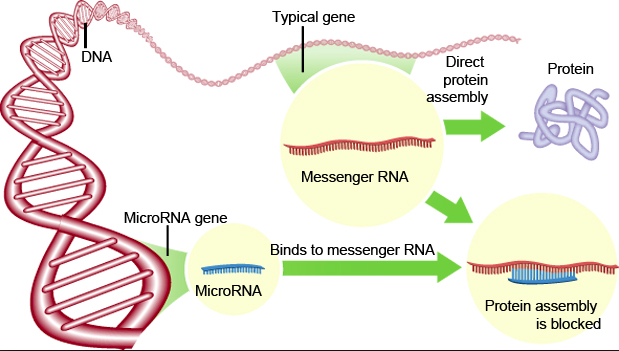
     Additionally, it was found that fruit flies with slowed metabolisms could also live without any microRNAs, which are typically responsible for regulating gene expression. MicroRNA, commonly abbreviated miRNA, can function simply by "blocking" genes on mRNA. The inverse is also true, as miRNA can also function to turn on transcription as well as regulate the amount of protein produced. Carthew said that it's been a long accepted fact that microRNA are an essential aspect of any living organism. However in this study, fruit flies with no microRNA whatsoever couple with a slowed metabolism were able to become normal functioning adults.
Image result for microrna   

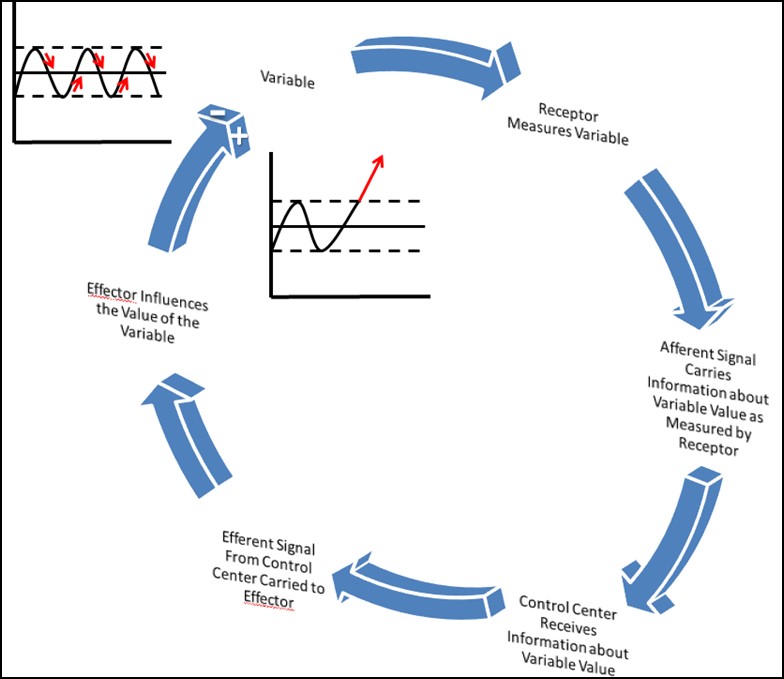
     Carthew one Amaral believe this is possible through the mechanism of feedback response, which quite simply is the ability of complex systems to adjust activity/performance to meet a desired outcome. Amaral states that a problem such as a mutation can be catastrophic in a fast growing organism, and that a slowed rate of development "can give an organism more time to adjust and react and correct potential errors. Carthew believes that this could eventually be applied to cancer, since tumors are extremely metabolically active. Tumors require enormous amounts of energy to grow at such a high rate, which is the reason patients who suffer from cancer often feel exhausted. If oncogenic cells could be directly targeted to have their metabolisms slowed, it is a possibility that the cell may be bought time to correct detrimental errors in cell reproduction.
Feedback Response Loop


Simplified Mechanism of Feedback Response
https://www.sciencedaily.com/releases/2019/07/190725150936.htm

First-ever spider glue genes sequenced, paving way to next biomaterials breakthrough


Huge spider glue genes proved exceptionally challenging to sequence, could lead to organic pest control and more.
Image result for golden silk orb weaver spider

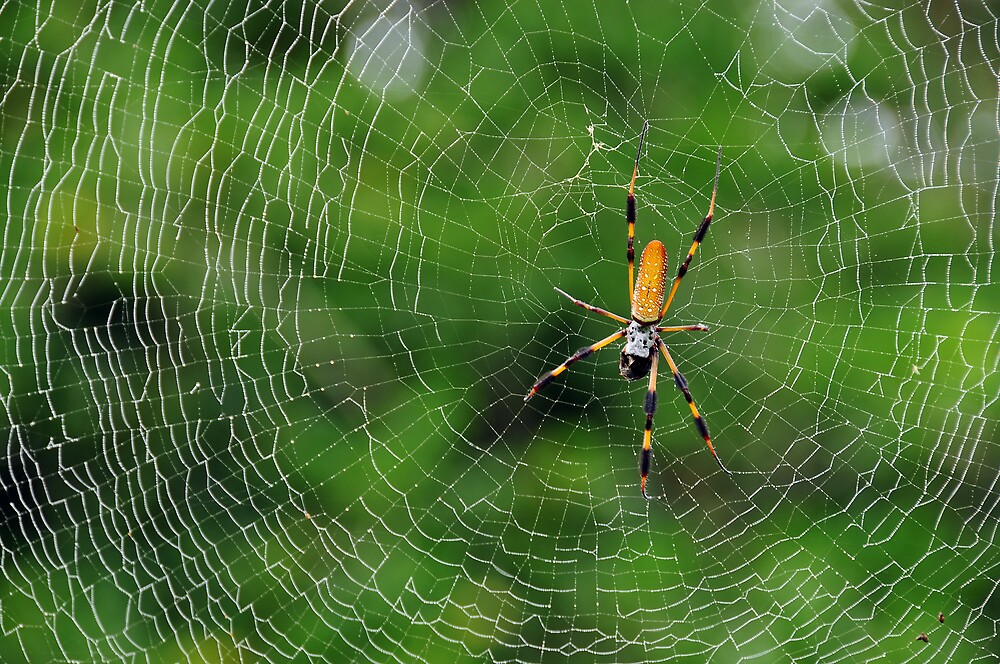
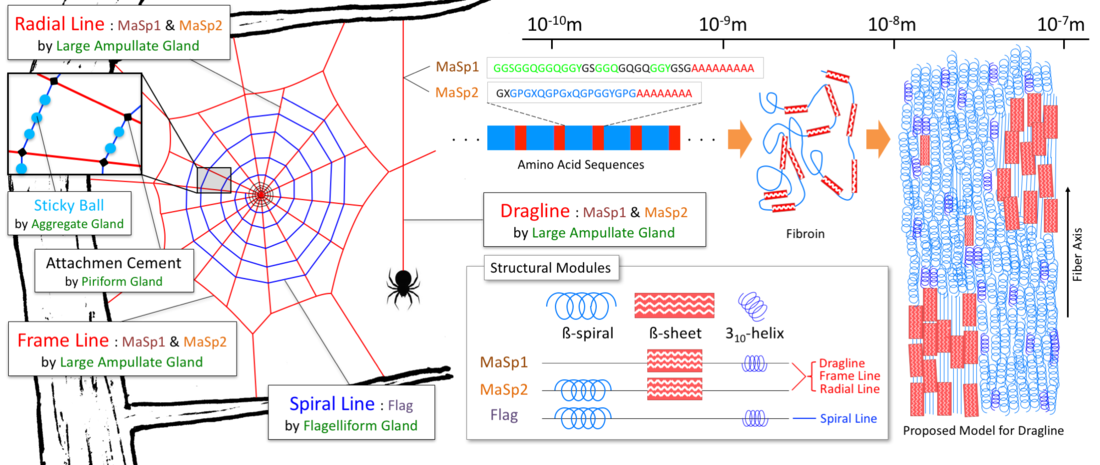
Researchers have determined the first-ever complete sequences of two spider glue genes. University of Maryland Baltimore county postdoctoral fellow Sarah Stellwagen at the Army Research Lab has discovered the first-ever complete sequence of not one, but two genes that allow spiders to create their webs. These gene sequences allow spiders to produce a modified version of spider silk that keeps spiders' prey stuck to their webs. By discovering this gene, researchers are one step closer to understanding and hopefully creating new biosynthetic materials.


Over the years, spider silk has been one of the hottest topics in synthetic chemistry. Mimicking a spider's natural silk and being able to create it on a commercial use could change the way almost every industry operates. A new biodegradable, incredibly strong, and eco-friendly material that can be woven, hardened, and used for all types of suspensive purposes.


With over 45,000 known spiders in the world, there are 7 different silk types with all different kinds of tensile strengths and flexibilities. As important as the discovery of new biosynthetic material is, only about 20 genes of a spider's silk has been analyzed. Stellwagen claims that scientists have been able to recreate a liquid similar to that of spider silk inside of a spider's body, but are unable to replicate the process. By creating a "spider glue" Stellwagen is hoping to create some sort of organic pest control.
Image result for spider silk types

Stellwagen sees great potential for spider glue applications. She states that, "This stuff evolved to capture insect prey". Farmers could spray the glue along a farm wall to protect their livestock from insects that bite or transmit diseases. Then, they could wash it away and have no ecological effects.


While sequencing the gene, Stellwagen was surprised at how colossal the gene actually was. The gene had been anticipated at approximately 20,000 base pairs. However, when Stellwagena and her team delved deeper into the complex structure of the spider's genes, they really ended up with approximately 42,000 base pairs. Not only was the code difficult to crack, but there was much repetition within the code. The amino acids alanine and glycine make up many of the building blocks of a spider's silk chemical makeup and the team would often lose the place where they were analyzing. Stellwagen and her team are hopeful to create a synthetic version of a spider's spinnerette to cut their web "glue" and create synthetic spider silk.


I believe Stellwagen and her team are making tremendous progress towards synthetic silk. I'm extremely excited to see where other researchers will take this as well. By identifying these key genes and proteins, hopefully, a collaboration between Stellwagen and other teams of researchers will be able to understand how spider spinnerettes work, and be able to create mechanical ones. I'd love to see more research on the Australian Golden Orb spider because of its tensile strength, size, and silk makeup. 

A Baby Was Born With DNA From 3 People. Here's How That’s Possible

In an article by Alice Park, “A Baby Was Born With DNA From 3 People. Here's How That’s Possible”, she explains how it was possible for a thirty-two year old woman to give birth in Greece. The most miraculous part about the birth is that it occurred after she had many failed IVF treatments previously. Genetics explains how this was possible. 
The technique utilized by the Institute of Life in Athens is known as Maternal Spindle Transfer. Very much is still unknown, so the method is not currently allowed to be practiced in the United States. Maternal Spindle Transfer takes DNA from the mother’s egg and puts it into the donor egg of a different woman. The donor egg is first emptied of its own DNA. Then, the egg with the actual mother’s genes is allowed to be fertilized and such. 
Above is an image of how the transfer works. Image is provided by the Institute of Life. 


Research has shown the method to be a viable option for mothers with mitochondrial diseases. Because the mother’s DNA is placed into another egg, it is able to be taken care of by the new egg’s mitochondria. So, women with problems with their own mitochondria are able to use those of another egg. 
In the most recent birth, the mother did not actually have a mitochondrial disease. The success that unfolded leads researchers to believe that the mitochondria may play an even more vital role in reproduction than previously thought. In fact, a new study, “How egg cells choose their best powerhouses to pass on”, done in fruit flies by researchers at NYU and the University of Toronto looks more into the importance of mitochondria. Their tests actually reveal that the cell works hard to make sure that the best mitochondria are passed on. Because the cell works so hard to weed out “bad” mitochondria, it implies that having healthy and functioning mitochondria is vital for reproduction. 
It is amazing that this woman was able to give birth. However, he will become studied very closely throughout his life, because he actually has the DNA of three parents. The explanation for this seemingly impossible situation comes from the intriguing mitochondria. Since the mitochondria has its own DNA, now the baby has DNA from the mother, the mitochondria in the donor egg, and the father. 

I had never previously thought about how important the mitochondria was in reproduction. It makes perfect sense seeing as the mitochondria is constantly referred to as the powerhouse of the cell. If the powerhouse is not functioning properly, how is the cell meant to work half as well? Even more intriguing is the circular DNA in the mitochondria. Through the theory of endosymbiosis, we have learned that the mitochondria was engulfed containing its own DNA. The recent birth of a child with mitochondria different from the mother could hold answers on a very interesting topic facing the field of science. In genetics, our genome seems to hold our own personal blueprint. While a lot of it is similar, even a single difference holds the power to create a whole new individual. I am very curious to see how having donor mitochondria will interact. Regardless, it is truly impressive that this was even able to happen in the first place. 

FDA Approves Zolgensma As Viable Treatment For Spinal Muscular Atrophy


Spinal Muscular Atrophy affects infants ability to walk, eat, and breath by reducing strength in motor nerve cells in the spinal cord. It is caused by defects in the SMN1 gene. About 400 babies are born with this genetic disorder every year, and ultimately kills each infant in just a few years. Zolgensma, is a drug developed by AveXis is designed to treat Spinal Muscular Atrophy.

Recently approved by the FDA, Zolgensma costs a whopping $2.125 million for a single dose. However, those babies who were administered the drug before 6 months demonstrated less severe muscle problems than those who did not. In fact, the earlier the treatment was administered, the healthier the babies would turn out.

Zolgensma deliveres a healthy copy of the SMN1 gene via adenoassociated virus 9. The genetically engineered virus contains the double-stranded DNA SMN1 transgene and supplements the bodies genetic instruction to produce the SMN proteins. This newly introduced DNA continues to cause protein production and continuous and sustainable rates.


Wednesday, July 24, 2019

Using Yamanaka Factor To Reverse Aging In Mice


Ask anyone above the age of 30 about aging, they’ll immediately say they’re not what they used to be. Maybe their knees ache. Maybe their gut is starting to growing bigger. By the time they hit 45, the wrinkles have sunken in and their hair is turning gray. What if this didn’t have to happen? What if you could get a type of ‘old age’ vaccination? Juan Carlos Belmonte at the Salk Institute in San Diego might have the syringe even an anti-vaxer will fight to get.

12 years ago Shinya Yamanaka discovered four specific genes that help control embryonic development. The Yamanaka Factors, OCT3/4, SOX2, KLF4, and c-MYC (OSKM), can also be used to push cells back into a state of youthful pluripotency. The Yamanaka Factors are packaged in an adeno-associated virus, a virus that carries no disease, and can be activated with antibiotics such as doxycycline.

When the Yamakana Factors were triggered in aged mice, even just twice a week, the mice began to regain their past youth. Pre-maturely old mice gain youthfulness faster and even lived 40% longer lives. Further testing must be done to fully understand the potential this treatment has on larger mammals, and potentiall humans.


Parasitic Plants Are Able to Steal Genes From Their Hosts


Researchers at Penn State and Virginia Tech discovered dodder plants steal genetic material from their hosts including over a hundred functional genes. The genes the dodder steal not only contribute to its ability to lock onto the host, but also to its ability to send back genetic weapons.

Dodder plants are leafless, parasitic plants part of the morning glory family. They do not produce energy through photosynthesis, so they live by tapping into the host's nutrients and water supply through their haustoria, a root projection of the parasite. Dodder wrap around their host plants and extend into their vascular tissue. When these parasitic plants extract nutrients, they also grab genetic material which can be incorporated into their genome. The process described is called horizontal gene transfer, but it is usually not seen in plants but is common in bacteria. Researchers described the process as "the most dramatic case known of functional horizontal gene transfer ever found in complex organisms."

Image result for dodder plants

To measure if the genetic material is actually being used, researchers used genome-scale datasets since previous studies only investigated single transfer genes. The criteria to determine functionaility were as follows: "The gene had to be full length, they had to contain all the necessary parts of the gene, they had to be transcribed into an RNA sequence that later builds proteins, and they had to be expressed in relevant structures."

They were able to identify 108 genes that the dodder plant stole which happen to contribute to the dodder's haustoria structure, defense, and metabolism. Interestingly, one of the genes stolen were able to produce micro RNAs that could be sent back into the host to silence their defense genes. I believe the discovery by the research team is an amazing find because we usually learn horizontal gene transfer in the perspective of bacteria because of their way to become resistant to antibiotics. The discovery provides a fresh perspective into how parasitic plants become stronger and raises questions on to whether or not other parasites can perform horizontal gene transfer.

Links to Sources:
https://www.sciencedaily.com/releases/2019/07/190722182130.htm
https://www.nature.com/articles/s41477-019-0458-0

Tuesday, July 23, 2019

Taking the sting out: Australian gene editing is crossing the pain threshold

In the article, “Taking the sting out: Australian gene editing is crossing the pain threshold”, by Naaman Zhou he discusses the work done by Dr. Greg Neely and his team. He has been studying the science of pain for years. Back in 2010, he was able to find 400 new genes in fruit flies that are also found in humans that are related to pain. Recently, through genetics, he has seemingly cured the sting of the box jellyfish. 


Pictured above is Dr. Greg Neely in his laboratory. 


Located in Australia, his team utilized CRISPR to make the changes in DNA. To create the antidote, he took human cells and added the jellyfish venom. These cells died from the venom. Here is where CRISPR comes in. The team used CRISPR to edit cells, and then added more venom. The cells that did not die, were recollected. These resistant cells were sequenced. It was discovered that the cells that were unaffected had no cholesterol in them. So, to create an antidote, the solution would be to add something that leads the cells to lose their cholesterol to become resistant to the venom. 
Now, in his lab, Neely is looking at all aspects of pain and looking into how he can utilize genetics to find more solutions. By using the same sort of ideas, genetics can be applied to anything from chronic pain to cancer. Cancer seems to be one of the largest obstacles in medicine that humans have had to face. Neely is looking into how the same genetic concepts he used with the jellyfish sting can be applied to cancer. He aims to minimize chemotherapy’s effect on good cells and increase its ability to fight malicious ones. 
Other scientists also have the same idea to use genetics in cancer treatment. According to the article, “Gene mapping lays groundwork for precision chemotherapy”, around 95% of affected individuals are still getting chemotherapy, this seems like a good place to start. The basis is that all tumors are different. Each has a unique genetic profile, and there are more than 100 chemical agents available to use. The study looks at creating a map of gene-drug interactions. Typically drugs are used by how effective they are on average. Using genetics, chemicals can be matched to which tumors they can target the best. 
To me it seems miraculous that we are already able to edit something as fundamental as genes. Genetics is really such an evolving field, and it was not too long ago that Watson, Crick, and Franklin discovered the structure of DNA. Learning about how scientists are already learning to apply CRISPR to real world problems is extremely impressive. It makes me very hopeful in the treatment of cancer that genetics could help be part of the solution. I can only imagine what more we will be able to do with even more time, experience, and knowledge. 

Ever since the 80’s HIV/AIDS has been one of the scariest viruses to plague humans. Over the past few decades science has made leaps and bounds in helping prevent the spread and transmission of the virus. Genetics is joining with the fight against HIV/AIDS. The Lewis Katz School of Medicine at Temple University and University of Nebraska Medical Center are helping add to the triumphs over HIV/AIDs. 

Current HIV treatments focus on suppressing HIV replication through antiretroviral therapy. While being a key factor in preventing the spread of HIV, it does not remove HIV from infected tissues. HIV integrates itself into the human immune systems genome. A team of geneticists under the supervision of Dr. Khalili have developed a form of gene therapy to target this very integration.

Using CRISPR-Cas9 technology Dr. Khalili’s team has been able to remove HIV DNA from the immune systems of rats and mice. This technique has been implemented using a type of therapy called long-acting slow-effective release, or LASER for short. This specific therapy along with antiretroviral therapy, combine to target the difficult-to-reach HIV DNA residing in the immune system. LASER antiretroviral therapy reduced HIV replication so much that CRISPR-Cas9 could completely eliminate viral DNA in one third on infected mice. “We now have a clear path to move ahead to trials in non-human primates and possibly clinical trials in human patients within the year,” says Dr. Khalili.

Third CRISPR-Cas9 Gene Edited Baby to be Born in China This Year

CRISPR-Cas9 is powerful gene editing tool that geneticist and medical researchers can use to edit portions of DNA in an organisms genome by adding, removing, or altering it. In the face of such a powerful discovery, the Second International Summit on Human Gene Editing was held in Hong Kong last November to discuss the pros and cons of technology like CRISPR-Cas9. While going over the clinical implications, ethics, and legal considerations of possibly creating genetically engineered humans, the entire summit was turned on its head when He Jiankui, a Chinese biophysicist, confessed that he had already done it.

He Jiankui the year prior had edited the genome of twin girls, who have already been born. To further the shock, at the time of his announcement a second Chinese woman was pregnant with another CRISPR baby. This fact was proven by an early pregnancy test, which brings the world total to three genetically modified humans that are known of. The child has already been born but the date will not be released due to risk of exposing the identity of the parents and child.

He Jiankui and his team used CRISPR to alter a gene called CCR5 in an attempt to make the girls immune to ever getting HIV. The scientific community was widely split upon finding out this discovery. Some condemned him for doing such a pointless procedure with such high risk, but others don't know what to feel. For better or worse, in science there is a notion of "all that ends well is well" and as of now He Jiankui claims that is experiment led to "two beautiful Chinese girls."

This immense overstep in the scientific community forces us as a human population to come to terms with the fact that for the first time in out existence, we can shape our evolution. We have the ability to cure diseases like sickle cell and HIV, but where does the line stop? CRISPR-Cas9 technology is relatively easy to use so what is stopping scientists from starting to modify hair color? eye color? Will we allow Designer Babies? Is it even ethically responsible to allow parents to make these life altering decisions on a human that isn't themselves? This is only scratching the surface of the many questions we have left to answer.

Image result for brave new world


I think that Aldous Huxley warned us best when he wrote in his novel Brave New World:
"All right then," said the savage defiantly, "I'm claiming the right to be unhappy."
"Not to mention the right to grow old and ugly and impotent; the right to have syphilis and cancer; the right to have too little to eat, the right to be lousy; the right to live in constant apprehension of what may happen tomorrow; the right to catch typhoid; the right to be tortured by unspeakable pains of every kind."
There was a long silence.
"I claim them all," said the Savage at last.


Monday, July 22, 2019

The World's First Crispr Snail Babies

As it turns out, a large majority of snails are righties. When I say righties, I mean that most snails have shells that coil to the right. Lefties are so rare in the snail world that a couple years ago, there was a story about a garden snail named Jeremy who originally could not find a mate because he was a lefty. He became famous for his rare trait, so scientists reached out to the world to find more lefties. One was found in England while another was found in Spain. Scientists brought the two to Jeremy so he could mate with them, but unfortunately the two snails mated with each other instead of Jeremy. Poor Jeremy! Snails are hermaphrodites and can be simultaneously male and female. Amazingly, more lefties were found, so Jeremy was able to find a lefty mate right before he died. Interestingly enough, all of his children were right-coilers which means that even though Jeremy is dead, his kids are all right.

Fast-forward two years, and researchers have finally identified the gene responsible for shell direction in snails. Snails who have both working copies of Lsdia1 will be traditional right-coilers. On the other hand, snails with only have Lsdia2 will be left-coilers like Jeremy. To confirm their findings, they were able to use Crispr to edit out Lsdia1 while leaving behind Lsdia2. Just as expected, the snails were born lefties and so were their babies.
Image result for left coil vs right coiled snail
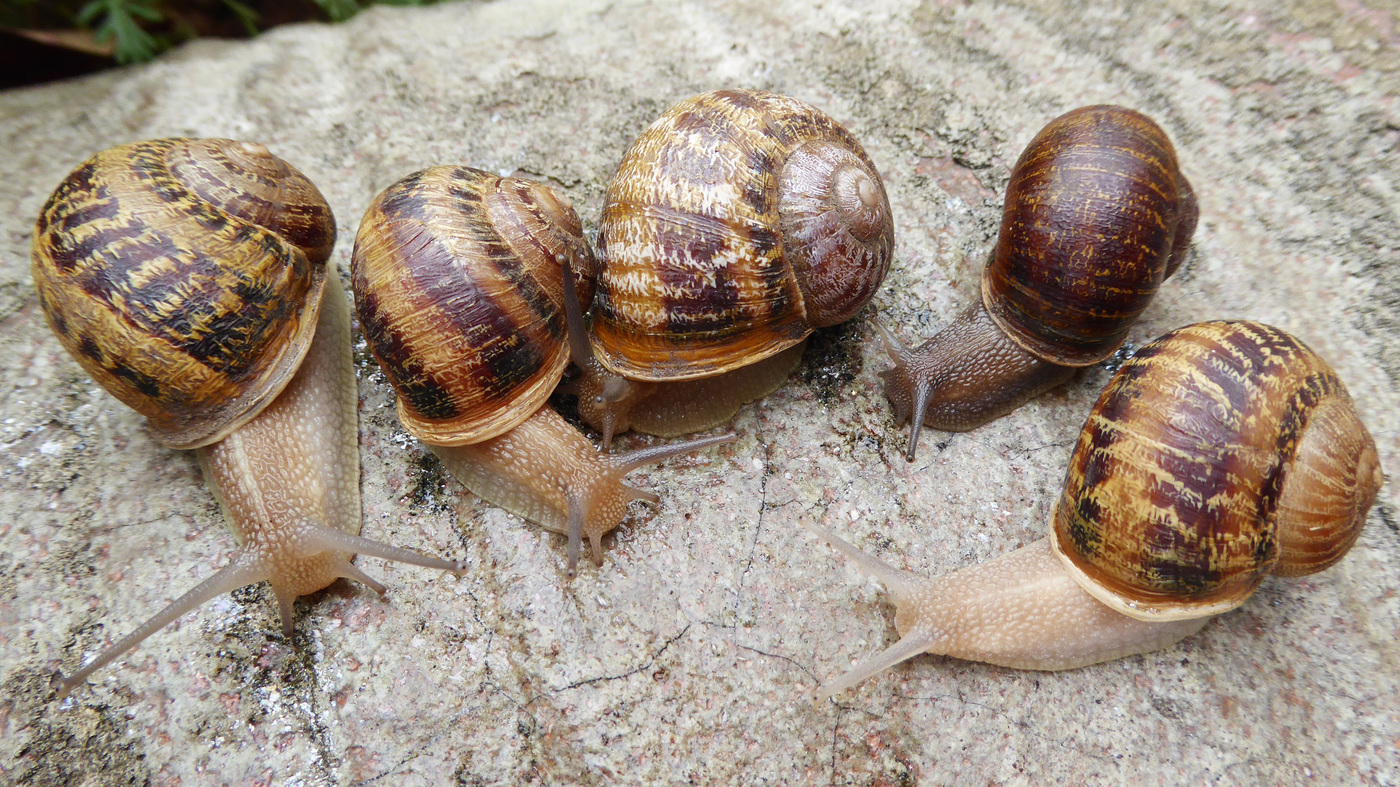
Jeremy (second to last) with his friends Senda, Jara, Tomeau, and Indi.

The research presented by the researchers, Reiko Kuroda and Masanori Abe, is really telling of the future to come concerning left and right symmetry in organisms. Chirality is something that is almost universal among species. Exploring the body plans of animals is hidden in their genetic codes, and it is remarkable of how little is known on the subject of leftiness and why it is a rarity in nature. For instance, situs inversus, a condition where human internal organs are flipped affects only about 1 in 10,000 people. People with this condition are as healthy as people with traditionally-flipped organs, so why is it such a rarity? The researchers believe the answer may lie in snails, since situs inversus is similar to left-coiling in snails. Snail research turns out to have some exciting news, but I imagine the work is rather slow.

Links to Sources:
https://www.nytimes.com/2019/05/24/science/snails-lefties-crispr.html?rref=collection%2Ftimestopic%2FGenetic%20Engineering
https://www.npr.org/sections/thetwo-way/2017/10/13/557652159/jeremy-the-lonely-left-twisting-snail-dies-but-knows-love-before-the-end

Gene Test Might Someday Gauge Your Heart Attack Risk

Gene Test Might Someday Gauge Your Heart Attack Risk

Can a DNA test predict a person's future heart health?

If you thought the Canadians were only good for their maple syrup, Michael Buble, and Ryan Reynolds, then guess again. They may just save your life. A group of researches found that by analyzing a person's entire genome, it may be possible to predict their future heart disease risk. A "polygenic risk score" analysis is taken to look for genetic biomarkers as well as an individual's entire genetic blueprint. 
Lauren Solomon, Broad Communications
Rather than just sampling people of European descent, researches sampled various populations and ethnic backgrounds. Lead researcher Guillaume Lettre explained that, "the polygenic risk score is like having a snapshot of the whole genetic variation found in one's DNA and [it] can understand more powerfully predict one's disease risk. Using the score, we can better understand whether someone is at higher or lower risk to develop a heart problem". 

Too often, one of the first risks exhibited by those experiencing a heart attack is the heart attack itself. 
Image result for heart attack

With these tests, proactive treatment can be taken much earlier in life to avoid the stress, risk factors, and potential risk of a heart-attack. Though these polygenic are helpful in detecting the risks of a heart attack, they are not helpful in detecting risks after patients have already experienced a heart attack. However, physicians are not worried. Since there are dozens of different treatments to treat arterial plaque buildup, doctors are not worried about these post-cardiac trauma patients. 

More information about cardiac health and heart attack prevention can be found through organizations like the American Heart Association.

Giant Eagles


                   New Zealand is regarded as one of the most beautiful countries, with astounding land and seascapes. Today, many incredible animals live there and thrive off the land. However, just a few hundred years ago no terrestrial animals existed on the islands. The island had only avian creatures which comprised of the island's whole ecosystem. In a recent genetic discovery, a bird of legend has been brought to life and is now considered to be atop the ancient food chain of New Zealand.
                  The Haast's eagle was massive in every sense of the word, and can be described as something from fairy tale. The bird of prey weighed up to 40 lbs. and had a wingspan of up to 9 feet. They are by far the largest eagle to ever exist. These numbers are impressive but what is more astounding is that the eagle flew at 50 mp/h, and it's main food source? Moa. A native flightless bird of Polynesia, which weighed up to 500 lbs!
                  In 1872, the remains of a Haast's eagle were uncovered, and theories of their evolution, history and ecology started to formulate. More recently, in 2005, biologist were able to extract DNA from the fossilized remains and analyze the data collected to understand the extinct species better. When comparing the DNA of the extinct eagle to 16 extant species, the researched were able to uncover many of mysterious qualities of the birds that could not be answered before. Using PCR amplification on mitochondrial genes, the researchers came to a surprising conclusion. The Haast Eagle turns out to be more closely related to very small eagle species, like Hieraaetus, a species that weighs in around 2 lbs, than it does to a larger species like A. audax, which is large species. After further analyzing the mitochondrial DNA of the bird, scientists were able to place it on a phylogenic tree.
               Since the bird is so closely related to smaller birds of today, how did it grow so large? Lack of competition fueled the bird into a massive 50 mp/h flying death machine. Having no terrestrial competitors, this avian species took advantage of the birds on the island that could not fly, particularly the Moa population. This caused the bird to grow larger, and larger with every generation. Around 1350-1400 when humans arrived in New Zealand, the extinction of the Haast's eagle starts, as humans are now the biggest competition to secure food. When the Moa became one of the favorite meals of the early New Zealand settlers, the decrease in population of Haast's eagle began rapidly, as there was no prey that could provide enough energy for the species to survive. And thus, the legend of the Haast's eagle was born, from stories and cave painting of the indigenous people of New Zealand.
               This article was extremely interesting because it really made something come to life, that was previously just thought of as a legend or folklore. In uncovering the fossil of the Haast's eagle, it really makes you think how science and biology can honestly sound like one giant fairytale sometimes, but no! This is the world we live in. How cool is that. Being that I find ecology so interesting, I liked how the article connected cell biology down to the mitochondrial level and connected it with a large ecosystem.


https://www.sciencedaily.com/releases/2005/01/050111093910.htm
https://www.ncbi.nlm.nih.gov/pmc/articles/PMC539324/
http://nzbirdsonline.org.nz/species/haasts-eagle