Saturday, November 30, 2019

Schizophrenia research

Image result for schizophrenia
A group of researchers managed to identify about 10 genes that may contribute to schizophrenia when they are mutated. The group analyze DNA markers from people with the disorder and those without it over several years till a list of potential genes was created.  This was the first time a genetic cause was clearly found and helps narrow down research on this disorder. With many other genes having potential affects it seems the research is quite promising as of now.

Since schizophrenia is one of the more common psychological disorders it seems quite useful to try and find a genetic link. Hopes are to try and identify more genes and potentially develop more ways of early diagnosis and treatment. Since the disorder usually develops when a persons frontal cortex is in its last stages of development there could potentially many tests to prevent or pre medicate a person.

Article: https://www.sciencemag.org/news/2019/10/intensive-dna-search-yields-10-genes-tied-directly-schizophrenia

Friday, November 29, 2019

Making Flu Shots Better


The flu shot is a common vaccine millions of people get in order to prevent becoming sick with the flu. . Millions of Americans become sick, hundreds of thousands are hospitalized, and some even die. At best the vaccine is only forty to sixty percent effective. Researchers have now found data that shows cellular RNA levels change following infection or vaccination. This work from Michigan State University could help make flu shot more effective or help towards the design of a universal vaccine. This team at the university reanalyzed data from studies where scientists took blood samples from flu patients and vaccine recipients and studied those samples for gene expression. By looking at the levels of RNA gene expression can be measured, and when a gene is expressed in a cell it means the DNA has been used to produce RNA for this gene. Gene expression in cells is very important because it can change the response to stimuli including diseases. 978 genes were discovered with changed expression for flu infection and vaccine with a third of those genes overlapping, and two thirds were unique to one or the other. Certain genes were associated with different processes of the body, and several genes were expressed differently in flu infection. Exclusively expressed vaccination genes stimulated the bodies immune response because they were involved in antigen processing. While analyzing these studies it was also discovered that 907 genes were related to age, and 48 were related to sex. Putting all these discoveries together is the start to developing better more personalized flu vaccines based on age, sex, and even gene expression. Understanding how these factors affect the efficiency of a vaccine is also the start to not only better vaccines, but a universal vaccine. These discoveries only propose more questions, and more discoveries to be made in the future to really make the flu vaccine, and all vaccines overall more effective.


Article: https://www.sciencedaily.com/releases/2019/11/191126140406.htm


Related Article: https://www.the-scientist.com/news-analysis/how-to-build-a-better-flu-shot-30358

New study looks to biological enzymes as source of hydrogen fuel


Links:
Article : https://www.sciencedaily.com/releases/2019/11/191125120936.htm
Related Article: https://www.chemeurope.com/en/news/1163900/biological-enzymes-as-source-of-hydrogen-fuel.html

Biological enzymes, called hydrogenases, are nature's machinery for making and burning hydrogen gas. These enzymes come in two varieties, iron-iron and nickel-iron -- named for the elements responsible for driving the chemical reactions. The new study focuses on the iron-iron variety because it does the job faster, the researchers said.

Research from the University of Illinois and the University of California, Davis has chemists one step closer to recreating nature's most efficient machinery for generating hydrogen gas. This new development may help clear the path for the hydrogen fuel industry to move into a larger role in the global push toward more environmentally friendly energy sources.


This was an interesting article to read. Currently, hydrogen gas is produced using a very complex industrial process that limits its attractiveness to the green fuel market, the researchers said. In response, scientists are looking toward biologically synthesized hydrogen, which is far more efficient than the current human-made process, said chemistry professor and study co-author Thomas Rauchfuss.

Brain Tissue Reveals Sex-specific Gene Changes in Depression

Image result for depression genes

https://www.medicalnewstoday.com/articles/321245.php#1

Related Article:
https://www.sciencedaily.com/releases/2018/03/180313130643.htm

Major depression is a mental health disorder where depressive symptoms continue for at least 2 weeks. A study was done in which researchers analyzed brain tissue of 26 deceased adult men and 24 adult women who had major depression. They specifically searched for genetic alterations across the dorsolateral prefrontal cortex, subgenual anterior cingulate cortex, and basolateral amygdala, all of which are implicated in depression. The study reported 706 genes expressed differently in men with severe depression and 882 genes expressed differently in women with the disorder. The researchers also note that the different brain regions are unique to the opposing changes in gene expression.

I thought that this article was cool because special medications could be created specifically for each sex for the most effective results. Sometimes antidepressants are not effective for certain people so I hope that this study will become useful for them.

Why Do People With Down Syndrome Have Less Cancer?

“Most cancers are rare in people with Down syndrome, whose overall cancer mortality is below 10 percent of that in the general population.”  Cancer researcher Judah, Folkman, MD, believes that they are benefiting from a gene that blocks angiogenesis, the development of blood vessels essential for cancer’s growth.  A single extra chromosome is sufficient to significantly suppress an angiogenesis and tumor growth in mice (and human cells).  Researchers are using iPS cells created from skin cells of a patient with Down syndrome and injecting them into mice; iPS cells tend to induce tumors (known as teratomas) when inserted into mice.  Researchers observed budding blood vessels that never fully formed.  People with Down syndrome have nearly double levels of endostatin (an anti-angiogenic compound) because of the extra copy on chromosome 21.


Human Migration: SOLVED!

Genetic studies have revealed that humans have moved more than previously thought, particularly over the last 10,000 years.  The human genome was first sequenced in 2003.  The human genome is 3 billion letters long, but people differ just one letter every thousand, on average.  Based on genetics, we believe humans left Africa within the last 100,000 years and spread across the world replacing older species of humans.  Ancestors of non-Africans lived side-by-side and interbred with Neanderthals about 40,000 years ago.  Modern day human populations show a lot of mixing has happened within the last 2,000 years, with populations moving within and between continents.  We are all the product of genetic relationships between ancient and modern human groups.


Bruce became Brenda

Our generation has seen a tremendous shift toward the support of various gender expression.  The relationship between sex and gender is something that has always caught my attention, especially as more research comes out surrounding this topic.  It may seem like a bit of a stretch to relate to genetics but it's more inclusive that you might think.  Over the summer, I took an online course called Perspectives on Sexuality (a GSS course at Stockton that I highly recommend if this topic interests you at all) and was required to watch a BBC documentary which I will link below.  The documentary tells a story of a baby, born male, who had a botched circumcision so severe that the doctors suggest the parents allow them to perform gender reassignment surgery to make the baby a girl.  The boy was then raised as a girl alongside a twin brother (who had a successful circumcision).  For the sake of not spoiling the whole story, I will leave a link to an article, the documentary, and a Wikipedia page for those of you who may want to read up on this topic.  I highly recommend checking out this story as it leaves a lot to consider.  As far as what the heck this has to do with genetics... chromosomes determine sex, but what happens when the body and the brain disagree?


Long Strand of Neanderthal DNA Found in Melanesian People


DNA from extinct species of hominids has always been found in the modern human genome, inherited from our ancient human ancestors. However, these pieces of ancient DNA have always been found in small sections, focusing on single-nucleotide substitution reactions and short sequences surrounding those. Now, long strands of neanderthal DNA have been found in the genomes of humans from Melanesia. 

Almost all humans who's primary ancestry comes from outside Africa carry neanderthal DNA- those from south-east Asia may also have DNA from a group of ancient humans known as denisovans. Populations in Melanesia have been identified as having the highest percentage of long strands of ancient DNA from these ancient humans, with neanderthal DNA on chromosome 8 and denisovan DNA on chromosome 16.

These strands are the result of deletion and addition reactions, which obviously have a much larger effect on the genome than substitution reactions. They are also focusing on duplication mutations, which actually allows the original sequence to be maintained in it's original form. 

While it would seem these genes have been selected by evolution overtime, it is still unknown what many of them actually do. This is hard to study as they are human specific genes, so there can be no accurate animal tests run on them. Additionally, due to the amount of mutations that have occurred in them overtime, its hard to get an accurate idea of what they were like in their original form.

Article: https://www.newscientist.com/article/2220381-long-strand-of-dna-from-neanderthals-found-in-people-from-melanesia
Why Didn’t She Get Alzehmier’s? The Answer Could Hold a Key to Fighting the Disease

Alzheimers gene
A rare genetic mutation has protected a woman from dementia who is very high at risk for the disease. It was predicted that by the age of 50 the woman would have developed Alzehimer’s from her genetic profile but her tests have shown that her brain was functioning very well. The woman had high amounts of amyloid but did not even have a pre-Alzheimer's condition. Her family’ pedigree had shown that they, like her, had a genetic mutation that would have caused thinking and memory loss problems in their 40s. Then from their 40s those problems would quickly get worse until their death which would be around the age of 60. The extremely rare mutation the woman has minimizes the binding of a specific sugar compound to a significant gene to help hold off the disease. This is a very important discovery that could help researchers with a cure for Alzehmier’s. 

Links:
Why Didn’t She Get Alzehmier’s? The Answer Could Hold a Key to Fighting the Disease

A Woman’s High Risk of Developing Early-Onset Alzheimer’s Was Delayed, Thanks to This Genetic Mutation

https://www.beingpatient.com/colombian-woman-alzheimers-gene/

Thursday, November 28, 2019

A precision drug for prostate cancer may slow the disease’s spread


Links:
Article: https://www.sciencenews.org/article/prostate-cancer-drug-olaparib-slow-spread
Related Article: https://www.google.com/amp/s/www.bbc.com/news/amp/health-49877843


Recently, researchers have discovered that a drug used to treat breast and ovarian cancers is also tied to certain genetic mutations that may help combat some of the most severe cases of prostate cancer.
Researchers tested the drug, called olaparib, in a randomized clinical trial of nearly 400 men with advanced prostate cancer and a mutation in one of several genes involved in repairing damaged DNA, such as BRCA1 and BRCA2
Overall in men given olaparib, the disease progressed more slowly compared with those on standard treatment drugs that deprive cancer cells of the male hormone testosterone. After a year, about 22 percent of men taking olaparib had no signs that their cancer was progressing, compared with 13.5 percent of men on the standard treatments, the researchers reported September 30 in Barcelona at the European Society of Medical Oncology meeting.

This was a very interesting article to read. Although it is too early to say how the drug will impact overall survival , this new treatment looks promising so far, potentially buying some patients a few more months 

Study of Gene Changes in Retina

Image result for myopia pinterest

https://www.medicalnewstoday.com/articles/323299.php#1

Related Article:
https://journals.plos.org/plosbiology/article?id=10.1371/journal.pbio.2006021


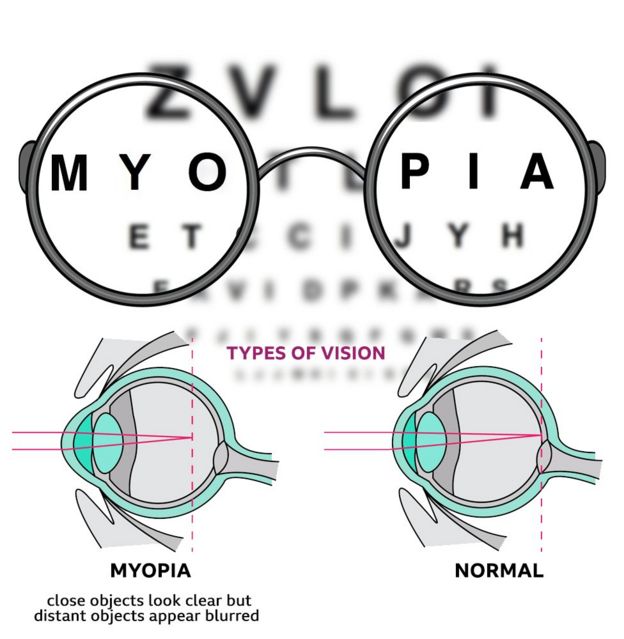
A professor of Columbia University led a study that found that the development of myopia (nearsightedness) and hyperopia (farsightedness) involves different genes and cell signaling pathways. Myopia is a disorder in which the eye focuses, rather than precisely on, objects in front of the retina. The disorder is on the rise and usually develops when the eye grows too long. People with hyperopia have eyes that are too short, so it focuses images behind the retina. Scientists tested this on marmosets in which they placed a lens in front of only one eye for up to five weeks and let the other eye develop normally for comparison. The group reported variations in gene expression between the exposed and the non-exposed eye after the exposure time. Nevertheless, a contrast between those who had an eye that developed myopia and those who developed hyperopia found that the conditions were the result of the "activation or suppression of largely separate pathways." Also, 29 of the genes that changed expression were associated with myopia in humans in the same chromosome regions that large genetic studies had.

I thought this article was interesting because I am nearsighted. If I choose to want children in the future, I hope that a cure is discovered to either stop or reverse the effects of myopia.

Magnesium Deprivation Stops Pathogen Growth


Image result for salmonella


Researchers have found that one of the cell's defense mechanisms against pathogens is to deprive it of magnesium, therefore disrupting the pathogen's growth. It had been previously noted that the NRAMP1 transporter protein had been effective in giving increased resistance to Salmonella (pictured above), but they now understand that the reason for that is that the protein pumps magnesium out of the vesicles of the cells. The scientists believe that drugs that reduce pathogen ability to get magnesium could be used to give host cells the advantage over pathogens.

I think it is amazing what our cells are capable of doing to keep us safe. This observation can lead to some incredible research for the future, including the drugs they were talking about in the article and on some of the other cell defense mechanisms. I would be very interested in reading more on this subject matter.

Article: https://www.sciencedaily.com/releases/2019/11/191121141347.htm
Related Article: https://www.ncbi.nlm.nih.gov/pmc/articles/PMC4521020/

Space-breeding Research Center


China wanted to increase the yield and quality of crops. So, the Chinese government researchers launched 8 recoverable satellites and 5 high-altitude balloons, that exposed seeds of vegetables and flowers to cosmic radiation and triggered mutations, in the space. Those seeds were then brought back on earth to be sown. These satellites also contained bacteria to see how high-energy radiation affected them. With hundreds of space-breeding experiments being done, many seeds were successfully selected because they were more resistant to drought and main diseases.

Even after exposure to a high dosage of radiation, it was concluded that the seeds contained no trace of any radioactive substance after extensive testing. Researchers are also combining biological techniques such as genetic sequencing, molecular labeling and gene editing to help improve the efficiency of new crop species.


“The question is, should we stick entirely to the pace of nature, or give it a little boost?” Dr. Li Jingzhao, a scientist involved in the program, asked.


I think this program is an important one because it improves the economy, scientific research, and biodiversity. We are exposed to radiation every day, with human activities, we are exposed to radiation even at more (and there are consequences) but as long as my food is safe, I say you scientists go for the ride! 


Article publication: South China Morning Post on November 7, 2019.
Article URL: https://www.abacusnews.com/culture/china-wants-produce-mutant-crops-space/article/3036708
Related article: http://www.spacedaily.com/news/china-00zb.html
 Florida carpenter ants
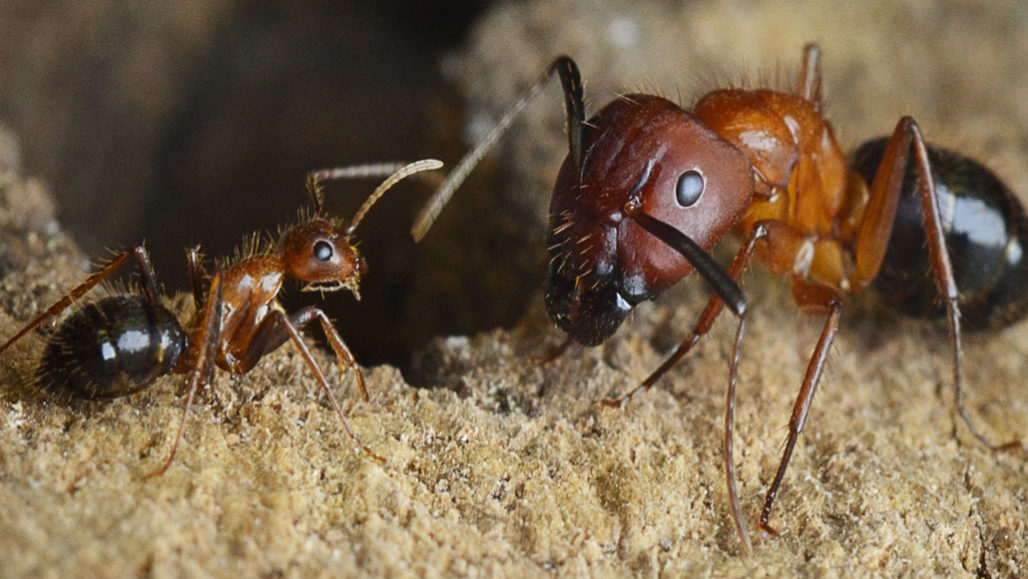
Explaining Different Behaviors like whether an ant becomes a warrior or forager is linked to a genetic origin. Researchers posited that if one could enable or disable some type of genetic switch, behaviors in ants could be manipulated. CoREST is that genetic switch and showed that ants can be reprogrammed to do different jobs like a soldier ant being turned into a forager ant.  Shelley Berger, a molecular biologist at the University of Pennsylvania Perelman School of Medicine says, "[this is]... the first epigenetic mechanism found in ants to regulate behavior in the brain." They were able to boost CoREST in ants by injecting them with trichostatin A. Afterwards, with increased levels of CoREST, the enzyme that breaks down the juvenile hormone is repressed. By repressing the enzyme, ants like the soldier ants with lower levels of CoREST can be made to have elevated levels of CoREST and become more like the forager ants.

These findings are sort of ambiguous because if an injection is needed to elevate a chemical, then how often will the injection be needed? On the other hand, it is also the begining of explaining ants' social behavior. These are questions that have lingered for so long and now are beginning to be answered. 

https://www.sciencenews.org/article/flipping-molecular-switch-can-turn-warrior-ants-into-foragers

Mosaic coat patterns in guinea pigs

Image result for mosaic coat guinea pig


           The knowledge of guinea pig coat color is surprisingly more understood by scientists than any other rodent species including mice. There are twelve loci that determine pigmentation of coat color in guinea pigs. An common example of genetic mutation in guinea pigs is their coat patterns.
As demonstrated by corn and the way its wild type has many different colors, textures, and incomplete dominance, the guinea pig is quite commonly found having a pattern of colored spots whether it be a tortoiseshell, piebald or tricolor (which are all recessive genes). It has been found that these colors are a result of unstable somatic genes that code for the pigments of a guinea pigs coat. Obviously once a mutation happens it is carried out through the lineage of that organism, giving rise to the guinea pig species now that much less commonly is observed having one single coat color.
           Also interestingly enough, it has been observed that those mosaics of color coat pattern are found in what are called "mutant areas" on the guinea pig. While the wild type agouti coat is typically found in the center area the mutated intense portion of the guinea pig is more commonly around the face and behind.
            Many studies have been performed to test and study guinea pig coats and what really surprises me is that there is more understood about guinea pigs than any other rodent. I have a guinea pig myself and I always tend to research about them just to try and understand my pet more. I find very interesting knowledge about them, their herding tendencies, or even the mutations that occur in pigmentation of their coat. I always appreciate reading a new article discussing why they are such unique animals.


Original link: https://www.genetics.org/content/genetics/11/4/333.full.pdf
Related link: https://www.sciencedirect.com/science/article/pii/B9780127300504500132

orca jumping
Evolution in animals sometimes means that certain functions need to be arrested. Orca whales adapted to their environment in the water by losing function in 85 genes. Hippopotamuses like the Orca are in the Cetaceans order, the two cousins share these 85 genes and differ only in that the Hippotamus still uses the 85 genes. By arresting a gene involved in DNA repair called POLM, which is highly error-prone at best, the Orca is now able to repair DNA with higher fidelity. The benefits of this gene being arrested comes in handy after the whale's lungs collapse during deep dives. The DNA in the lung cells undergo damage due to low and high cycles of oxygen. By removing the unreliable enzyme for DNA repair the lung cells will be reliably repaired.

This discovery is extraordinary because it fills in a piece of a large puzzle. It brings to light our advancements in attaining information as well as how much information is still missing. The article doesn't explain how the genes are inactivated. Also, can these whales be further optimized with new gene-editing tools like CRSPR/dCAS9? What is truly amazing is how vast the difference is between the Hippo and Orca. It highlights how small changes give rise to two totally different animals.

 https://www.sciencenews.org/article/losing-genes-may-have-helped-whale-ancestors-adapt-life-underwater


Florida carpenter ants

Explaining Different Behaviors like whether an ant becomes a warrior or forager is linked to a genetic origin. Researchers posited that if one could enable or disable some type of genetic switch, behaviors in ants could be manipulated. CoREST is that genetic switch and showed that ants can be reprogrammed to do different jobs like a soldier ant being turned into a forager ant.  Shelley Berger, a molecular biologist at the University of Pennsylvania Perelman School of Medicine says, "[this is]... the first epigenetic mechanism found in ants to regulate behavior in the brain." They were able to boost CoREST in ants by injecting them with trichostatin A. Afterwards, with increased levels of CoREST, the enzyme that breaks down the juvenile hormone is repressed. By repressing the enzyme, ants like the soldier ants with lower levels of CoREST can be made to have elevated levels of CoREST and become more like the forager ants.

These findings are sort of ambiguous because if an injection is needed to elevate a chemical, then how often will the injection be needed? On the other hand, it is also the begining of explaining ants' social behavior. These are questions that have lingered for so long and now are beginning to be answered. 

https://www.sciencenews.org/article/flipping-molecular-switch-can-turn-warrior-ants-into-foragers


CRISPR is Entering its First Human Trials

What's stopping us from using CRISPR to gene edit humans ...

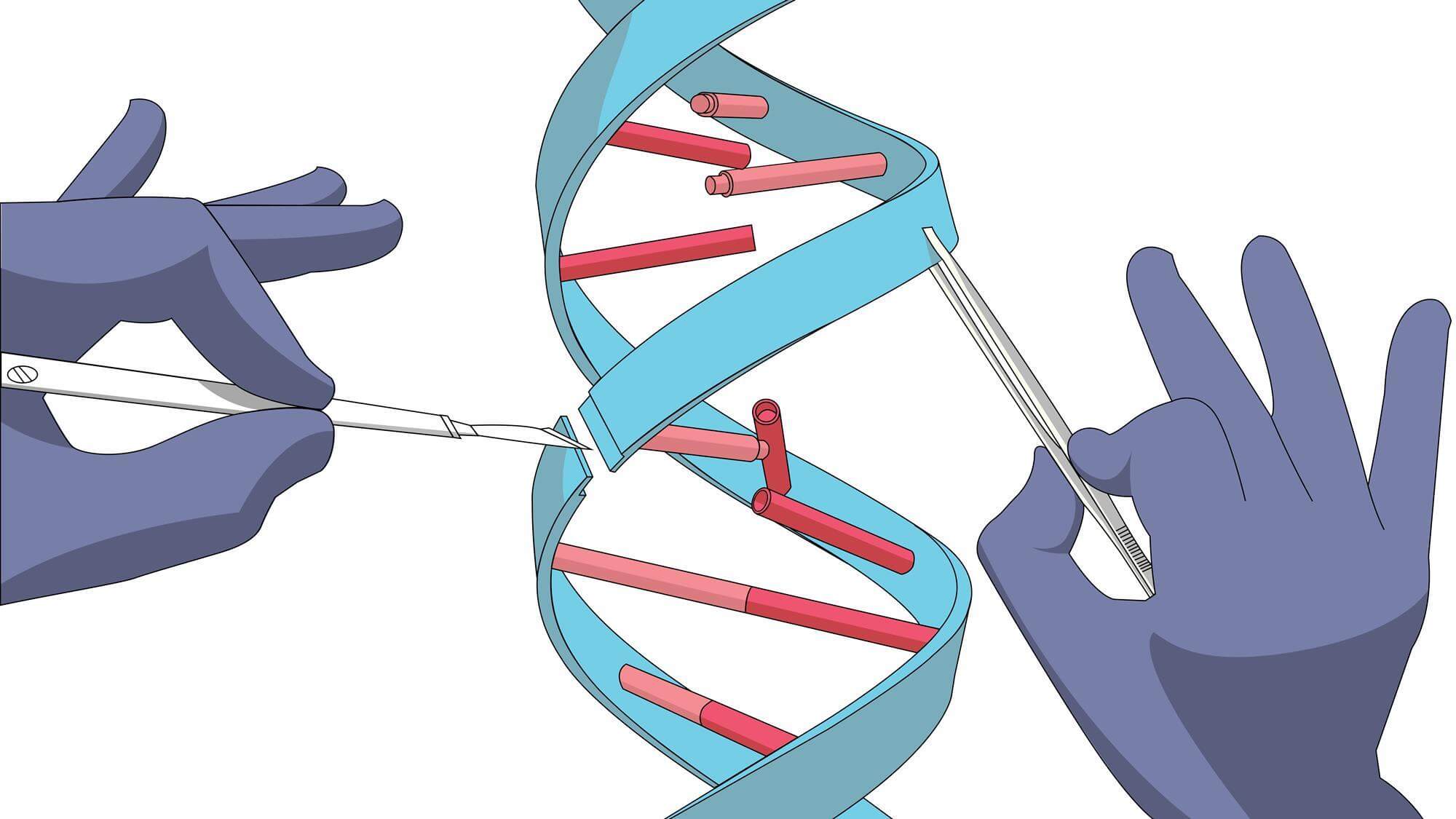
Genetic diseases are generally inevitable, but are they really? Thanks to a gene editing technology, known as the "molecular scissors" CRISPR/Cas9, we may be able to cut out genes that are causing certain diseases. CRISPR has been used in animals to cure diseases, but now the first human trials are just starting up now. These "molecular scissors" don't just cut anything and everything. CRISPR is a short piece of genetic RNA material, and Cas9 is an enzyme that leads the CRISPR to the piece of DNA that needs to be cut. In the first human trials, scientists are attempting to fight cancer, blood disorders and inherited blindness. In the blood and cancer trials, scientists take cells from the patients bodies and place them in a petri dish, and CRISPR/Cas9 is injected into the cells and the DNA is then edited. Scientists have a way of determining whether the right DNA was edited or not. Then, these edited cells are injected back into the patient. I find CRISPR to be extremely interesting, and I think it could be a truly remarkable discovery if it does in fact prove to be successful. It would help millions upon millions of people. Part of it scares me because if it edits the wrong genes, it could be deadly.

Original Article: https://www.sciencenewsforstudents.org/article/crispr-enters-its-first-human-trials
Supporting Article: https://medicalxpress.com/news/2019-11-doctors-crispr-gene-cancer-1st.html

Wednesday, November 27, 2019

Dog behaviors like aggression and fearfulness are linked to breed genetics


Links :
Article : https://www.google.com/amp/s/www.sciencenews.org/article/dog-breed-behavior-genetics/amp
Related Article: https://www.google.com/amp/s/www.psychologytoday.com/us/blog/canine-corner/201910/how-much-dog-behavior-is-linked-breed-genetics%3famp


A dog’s ability to learn new tricks may be less a product of your extensive training than their underlying genetics. In a study done among 101 dog breeds, scientists recently found that certain behavioral traits such as train ability or aggression were more likely to be shared by genetically similar breeds. While others have looked into the genetic underpinnings of dog behaviors for certain breeds, this study published by the Proceedings of the Royal Society B in October 2019 is the first to investigate a wide variety of dog breeds and find a strong genetic signal .

Using data from over 14,000 dogs described in C-BARQ, the researchers gave each breed a score for 14 different behaviors and then searched for overall genetic similarities among breeds that had similar scores. In summary , energy level and fearfulness showed a smaller genetic contribution, about 50 percent, suggesting that differences in environment or training play an equally important role in shaping those behaviors.

This was definitely an interesting article to read . Although this study does not show how a genetic variant causes a specific behavior , it points to certain statistics that might later lead us to such. It is interesting to see how Dogs are a really powerful system to investigate the genetics of traits and diseases because generations of domestication and breeding have simplified their genomes.

DNA Surrounding EGFR Aids Cancer

Teams at the University of California San Diego 
See the source imageSchool of Medicine and Case Western Reserve University 
School of Medicine found that extra DNA allows cancer 
cell's to live. They also found that if two tumor types are 
caused by the same gene, the extra DNA could be different. 
These teams used the cancer causing gene EGFR,  which
is part in glioblastoma (brain and other cancers). Mass 
amounts of this gene make circular DNA. The extra DNA 
around the EGFR samples which found "20 to 50 enhancers 
and other regulatory elements (Science Daily)." After testing
the elements by turning them off, they found that almost all 
of them helped the tumor grow in size. After finding this
information, they looked into other cancer types, and 
found similar results.

I believe that research and experiments like this are extremely important. I think cancer is way more common than it should be, and information such as these will be able to aid in the fight against cancer.


Removal of HIV from Mice

Image result for hiv

https://www.medicalnewstoday.com/articles/325653.php#1

Related Article:
https://www.nature.com/articles/s41467-019-10366-y


Two sequential treatments are necessary to completely remove HIV from mice. The first treatment involves a long-acting slow-effective release (LASER) form of antiretroviral therapy (ART; the use of HIV medicines to treat HIV infection). The second treatment requires the removal of viral DNA using a gene editing tool called CRISPR-Cas9. LASER antiretroviral therapy medications take the form of nanocrystals that can quickly penetrate tissues with inactive HIV. Once inside the cells infected by HIV, the nanocrystals will release their payload gradually over several weeks. The purpose of LASER is to suppress HIV replication long enough for CRISPR-Cas9 to completely rid the cells of the viral DNA. Researchers treated mice models (with human T cells that could easily contract HIV) with LASER antiretroviral therapy followed by CRISPR-Cas9 and saw that there was no trace of HIV DNA in around one-third of the animals.

I thought this article was cool because there could be a possibility that HIV could be removed from humans using this method or a variation of it. I hope that it becomes possible in the near future because there is currently no cure for HIV. This article made me feel optimistic about how there will be many new discoveries of cures for incurable conditions in the near future.

Reprogrammed Ants

Florida carpenter ants have specialized jobs where they either "major" which are soldier or "minor" which forage for food. Shelby Berger injected the "major" ants with trichostatin A from 0,5, or 10 days after adulthood. This was injected in the brain and caused numerous of their genes to be expressed differently. Some had changes in behavior, but the ants that were injected at 10 days did not; suggesting that behavior flexibility has a very short time frame. This can cause soldier ants to behave as the foragers.

I think this is a very interesting study. I wonder if this can be done with ants, what other species this can affect as well. The test seemed to mainly turn the soldier ants into foragers, but I wonder if it could work the other way as well. I believe it would because it seems to alter their genetics, so it should be the same.

Image of the Day: Reprogrammed Ants

https://www.the-scientist.com/image-of-the-day/image-of-the-day--reprogrammed-ants-66709

Related Article:
https://penntoday.upenn.edu/news/reprogramming-carpenter-ants-epigenetics

Methemoglobinemia causes and treatment

Methemoglobinemia is a condition that can be passed down through generations or it can be drug induced. In cases where methemoglobinemia is passed down, genes are altered which results in a deficiency of a NADH-dependent enzyme which aids in the reduction of methemoglobin. Without the presence of this enzyme, cytochromes cannot be reduced, and therefore methemoglobin cannot be reduced back to hemoglobin. In cases of methemoglobinemia, patients have too much methemoglobin in their system, decreasing the availability of oxygen throughout the body. When methemoglobinemia is drug-induced it is often reversible, but when it is passed down in families it is not. Patients will usually present with cyanosis (blue coloring of the skin) as one of the main symptoms and it can be managed.

There are a few different types of methemoglobinemia. One of which is autosomal recessive congenital methemoglobinemia (RCM) type II and new treatments are being explored since this type could result in intellectual disability, dysphagia, movement disorders, progressive decline of quality of life, and life expectancy is reduced. One treatment option that is being explored is methylene blue, which has been shown in a few studies to reduce methemoglobin with no rebound methemoglobinemia after 24 hours of dosage.

Data on methylene blue treatments is very scarce, and I think studying this treatment further would be very valuable. Since there is no current way for a full cure of methemoglobinemia that is passed down, treatments like methylene blue are the best bet for people who may be experiencing intellectual disability, dysphagia, and movement disorders. If used in babies born with the condition, I think use of methylene blue as soon as possible may help lessen the effects of having the condition. Until genes can be safely edited in humans using CRISPR-Cas9, I think methylene blue treatments will be the best and safest option for patients in the meantime.

Links:

Methemoglobinemia:
https://onlinelibrary.wiley.com/doi/epdf/10.1002/ajh.2830420104

Congenital Methemoglobinemia Type II - Clinical Improvement with Short-Term Methylene Blue Treatment:
https://onlinelibrary.wiley.com/doi/epdf/10.1002/pbc.25791

Engineering E. coli


E.coli bacteria.
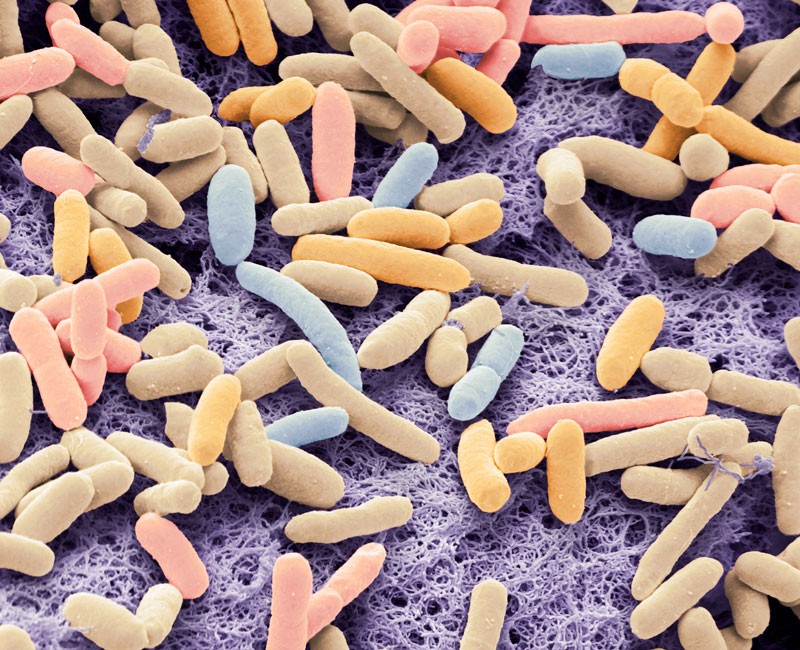
Researchers have begun growing a strand of modified E coli that consumes carbon dioxide instead of sugars to grow and survive. The E coli was given a gene that allowed it to gin energy from formate and raised generations on a low sugar diet to try and force a mutation. The entire cycle took years until a strain that only needed CO2 formed, but the strain still prefers sugar and reproduces at an extremely slow rate compared to normal strands of E. coli.

This research is really interesting as it involves a model organism and trying to modify it to become autotrophic. I honestly didn't think anything like this was possible. The research has proven to be fruitful however and there are many possible benefits to using this modified strand.

Article:https://www.nature.com/articles/d41586-019-03679-x

Polio Mutation Creates New Infectious Outbreaks


Polio vaccinations administered in Karachi, Pakistan, in June. Wild polio virus is still endemic in Pakistan and Afghanistan.          Over the past year there has been around 157 infections caused by mutations in viruses. More children are becoming ill due to these counterparts of diseases such as polio, than the original wild type virus. Nine new cases have been observed in Northern Africa alone. The cause is an oral polio vaccine that has mutated into a new infectious form. Other countries in Africa and some in Asia have also been experiencing the same issues with their vaccinations, as they are mutating very quickly into dozens of new strains of infections. A strain was found, last month, in the Philippines "the country’s first case of the disease in more than 25 years" (NPR).
          Global leaders recently met last week to discuss the tactics needed to fight these vaccination outbreaks. Africa and Asia are using the live version of the vaccine because it is cheaper but it is obviously threatening many lives and another global infection. They shared that "most parts of the world are vaccinating against the original vaccine". This is an interesting yet very important meeting because of the fact that polio has been "cured" already, yet is mutating at an alarming and deleterious rate.
           If these outbreaks spread or multiply more they could reach father parts of the globe other than just Africa. It is imperative that Africa get proper healthcare on all levels as well because of things like this that can occur. One poor group using cheaper medical equipment can lead to hundreds of mutations and infectious diseases that could spread and mutate so rapidly they affect us all. 
              

Original link: https://www.nytimes.com/2019/10/23/health/polio-strain-eradication.html
Related Link: http://polioeradication.org/polio-today/polio-now/
Crispr Takes its First Steps in Editing Genes to Fight Cancer
A powerful gene-editing technique has been experimented in people with cancer that could result in the person’s own immune system attacking cancer. This experiment meant that doctors are close in editing genes to attack cancer. The DNA-singling tool Crispr is what had been doing the editing. Early results showed procedure was safe but it was still unclear if the patient’s immune system was attacking the cancer cells. Only three patients had been used that were over the age of 60 and had advanced cancers. Although the treatment has not shown if their immune systems were attacking cancer it did show that it was stabilizing their cancer. Not only is Crispr being used to help with cancer but it is also being experimented in treating sickle cell anemia. 
What are the doctors are doing is removing the T-cells from the patient’s blood and are using Crispr to remove three genes that can get in the way of the cell capability of fighting cancer. The T cells were then armed with a virus that would lead the cells to attack a protein found on cancer cells that are not usually found in healthy cells. After the process the cells were infused back into the patients. The cells showed that they remained alive and had no bad effect towards the patient. The results that the experiment is showing are promising but it is still unclear if the cells are fighting cancer. Doctors will be able to see if the treatment is actually working once more patients are involved. 
This was a very good article to read. I think it is great that doctors are coming closer to finding ways for cells to attack cancer. This gives a lot of hope to patients with cancer. 


Links:
Crispr Takes its First Steps in Editing Genes to Fight Cancer