Showing posts with label EGFR gene. Show all posts

Monday, December 9, 2024

Woolly Mammoth Chromoglass DNA

Woolly Mammoth Chromoglass DNA

    Researchers have discovered that ancient DNA can enter a glass-like molecular state, called chromoglass. When DNA is in this state it becomes stable, slows degradation and lets the DNA withstand harsh conditions. The DNA enters this state when it goes through rapid drying due to exposure to the cold.

    A woolly mammoth from 52000 years ago was discovered to have chromoglass DNA which has led researchers to discover much more about the woolly mammoth. Researchers have discovered its chromosome organization and what genes were active before its death. This information was then used to the woolly mammoth and to modern elephant DNA. The researchers identified 425 genes active in mammoths and 395 unique to elephants. One gene called EGFR is the gene that regulates hair and skin growth which is what gives woolly mammoths their long fur.

https://www.sciencenews.org/article/drying-woolly-mammoth-dna-3d-glass


https://www.cell.com/cell/fulltext/S0092-8674(24)00642-1


Monday, July 31, 2023

The molecular evolution of genes previously associated with large sizes reveals possible pathways to cetacean gigantism

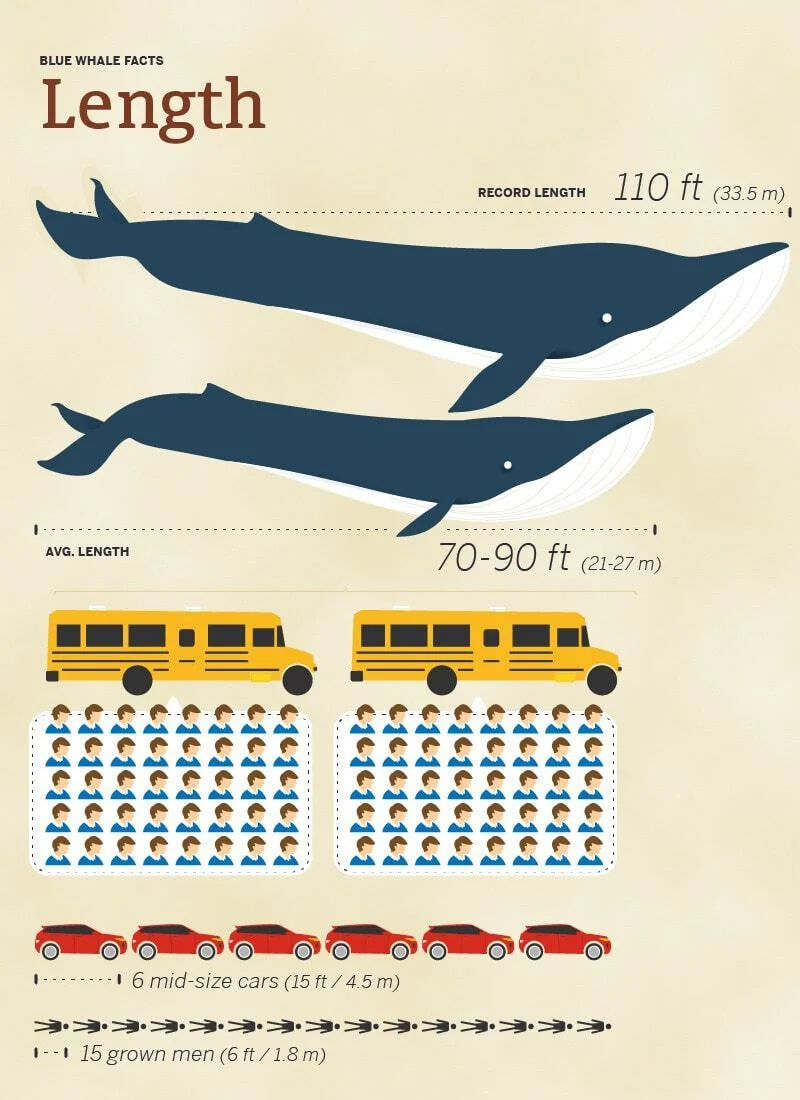
This discussion includes the size of the blue whale and how they came to be the biggest animals on the planet. The blue whale is actually the largest animal to ever exist in terms of both size and weight, as they can grow up to 100 feet long and weigh up to 190 metric tons. This trend only started occurring relatively recently, only starting about five to ten million years ago. A team from the State University of Campinas in Brazil led by biologist Mariana Nery set out to discover the reasons for the massive growth that the blue whale endured. 

To understand the genetic reasons behind the growth, they compared the DNA of nine different genes across 19 species of whales. When studying genes related to body size, they found evidence of positive natural selection in four genes, some of which are associated with growth hormones and insulin pathways. One unexpected result of this study was discovering that the EGF gene, which stands for epidermal growth factor, turned nonfunctional over time. Despite their enormous size, whales do not seem to suffer from the increased cancer risk that usually comes with having more cells. The study suggests that looking into whale genetics might help identify genes that could possibly slow down the spread of cancer in humans as well.


Wednesday, November 27, 2019

DNA Surrounding EGFR Aids Cancer

Teams at the University of California San Diego 
See the source imageSchool of Medicine and Case Western Reserve University 
School of Medicine found that extra DNA allows cancer 
cell's to live. They also found that if two tumor types are 
caused by the same gene, the extra DNA could be different. 
These teams used the cancer causing gene EGFR,  which
is part in glioblastoma (brain and other cancers). Mass 
amounts of this gene make circular DNA. The extra DNA 
around the EGFR samples which found "20 to 50 enhancers 
and other regulatory elements (Science Daily)." After testing
the elements by turning them off, they found that almost all 
of them helped the tumor grow in size. After finding this
information, they looked into other cancer types, and 
found similar results.

I believe that research and experiments like this are extremely important. I think cancer is way more common than it should be, and information such as these will be able to aid in the fight against cancer.


Wednesday, March 18, 2015

True Life: Honey I Shrunk the Kids

Or... the ants.

If carpenter ants weren't big enough, be prepared. Research performed at McGill University in Canada revealed that the Egfr gene (epidermal growth factor receptor) can affect surrounded genes into altering the sizes of the ants.


Naturally, the size of ants depends on their role in the colony. Obviously, the Queen is the largest. Differences in nutrition and chemicals determine what role an ant will have, and thus determines size. The chemicals directly affect different parts of genomes. Carpenter ants collected from Tallahassee, Florida were collected and brought back to the lab in Canada. Researchers at the University used a mechanism called "DNA methylation", which means that methyl groups (molecules) were added to certain DNA sequence sections. The ant larvae were exposed to drugs that increased or decreased the level of DNA methylation of the Egfr gene. The higher the methylation, the larger the ant size. The gene is indirectly regulated by DNA methylation, which can change the transcription of a gene completely, and thus change the size of an organism. Surrounding genes involved in cellular growth can also be altered due to the Egfr gene.


Researchers involved with this study hope that using these techniques, they can one day change how much a gene is expressed to even limit the growth of cancer and other disease cells.


While ants creep me out, I think this is fantastic news in epigenetics. In a lab setting, sizes of already living beings have been changed based on a physical process. They are larvae, already alive, being exposed to something that can alter their next phase of life. My only speculation with a tool like this is if it is used improperly. I would love to make a breakthrough in conquering cancers and other diseases by reducing their growth and possibly stopping growth altogether. However, I feel if we alter the sizes of animals, it can harm the environment if not controlled properly. Plenty of species have been introduced into unnatural habitats intentionally or unintentionally thanks to humans. Ants twice the size of what they are normally can ravage and destroy local colonies and thus upset the natural balance.  It's a battle the world is all too familiar with, but it is absolutely a possibility.

Original Article: Epigenetic variation in the ​Egfr gene generates quantitative variation in a complex trait in ants

Sunday, December 9, 2012

Gene Involved in Lung cancer

According to the Science Daily,  researchers have been identified the gene that involved in the growth and spread of non-cell lung cancer tumors. Person who carries these non-cells lung cancers usually, they have mutation on epidermal growth factor receptor (EGFR) gene. Due to the mutation on epidermal growth factor receptor, it causes the spread and growth of tumor. Researchers studied families who had this cancer which showed that mutation on EGFR also cause the increased communication of the Fn14 gene. Researcher noticed that higher communication of the Fn14 gene develops lung tumor formation; however, if Fn14 gene subdue, it reduces the metastasis in non-cell lung cancer.

[caption id="" align="alignright" width="360" caption="lung cancer"][/caption]

Another article according to Southern Medical Center, researcher found same gene mutation on EGFR gene for lung cancer. These gene mutations are highly found in adenocarcinomas type of lung cancer where both smokers and non-smoker are affected. Highly amount of mutation on EGFR gene found on nonsmokers rather than smoker. Also, another KRAS gene involved which signal the pathways of the EGFR which common in males than females. Researchers said that two pathways were identified which distinguish that KRAS gene mutation affect smokers and EGFR mutation affect non-smokers. Now, researcher are trying to look for better treatment. This article is inserting to me because two different gene involve in lung cancer also those are affected equally rather person smoke or not, it doesn't matter.