Friday, March 31, 2017

Reversing the Aging Process?!


 In more recent times, researchers have began reseting the clock in mice.


 This deals with erasing the epigenomic marks by activating genes responsible for the health of embryonic cells. Scientists have rejuvenated the organs of mice and discovered that they can lengthen their lifespan by 30%! This technique cannot be applied to humans but scientists are well on their way to gaining a better understanding of muscle and organ regeneration. I believe this is an incredible finding! Whether we are either slowing down or reversing aging we are moving forward scientifically and I find that amazing. This is all stemming from work completed ten years ago and I cannot wait to see how this has advanced in ten years to come.

https://www.nytimes.com/2016/12/15/science/scientists-say-they-can-reset-clock-of-aging-for-mice-at-least.htmlrref=collection%2Ftimestopic%2FGenetic%20Engineering&action=click&contentCollection=science&region=stream&module=stream_unit&version=latest&contentPlacement=4&pgtype=collection 

https://www.ncbi.nlm.nih.gov/pmc/articles/PMC3839659/  

'Skin-and-bones' mechanism underlying zebrafish fin regeneration discovered by researchers


Zebrafish have the ability to regenerate their complex skeleton fin in just two weeks after being amputated.  This is possible due to clusters of specialized cells called rays.  Rays migrate over reforming bones and escort bones into the right position to form a branched skeleton.  Sonic hedgehog is a protein that interacts with osteoblasts to promote bone pattering during bone regeneration.  In this experiment genetically modified zebrafish were used.  These zebrafish produce a fluorescent protein to help identify skin and bone cells that respond to hedgehog signals.

The research team said that the findings won't lead to regeneration of limbs in humans but could lead to better therapeutic treatments for broken bones.  This article is very interesting because understanding this mechanism could eventually lead to regrowing limbs in humans.  I'm sure that's 
something everybody is excited about.  


Social phobia: Indication of a genetic cause


This article talks about how having a social phobia or social anxiety can have a genetic aspect to it. The problem might be with serotonin and having too much of it in your system. It turns out that if there is a mutation, a single nucleotide polymorphisms (SNPs), in the gene that lowers the amount of serotonin. Then the individuals will slowly become more afraid and saddened if nothing is done about the build up of serotonin. I believe this is a situation is relate-able to a lot of people. Also with something like social phobia or anxiety, the more information you have the better and it can be something to lesson the stress of the ones who are really affected.

Medical News Today

Social Phobia

Thursday, March 30, 2017

Is DNA making more mistakes then you think?

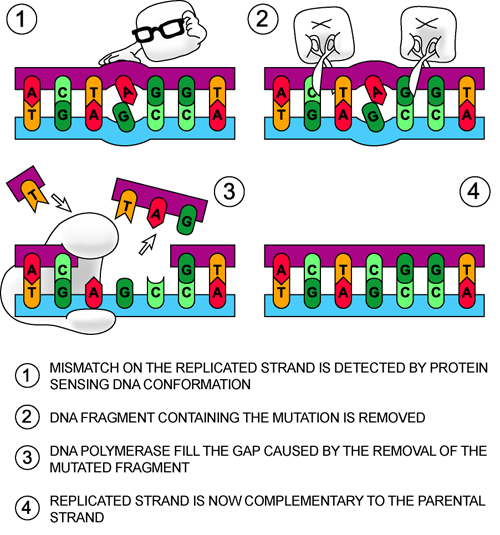
Everyday people advertise ways to stop the second highest killer in America: cancer. One might see a commercial on tv saying taking vitamins, drinking a glass of red wine at dinner or even just taking a walk at dinner can help someone prevent cancer. While some things might help to significantly reduce the chance of certain types of cancers, such as quitting smoking will reduce the risk of lung cancer, is isn't always the case. According to an article written by Sara G. Miller for Live Science, Nearly Two-Thirds of cancers are due to random DNA mistakes. New studies have shown that unlike previously though a decent portion of cancer cases aren't due to heredity or environmental factors. When a cell divides it copies its DNA through a process called DNA replication and this happens in the billions of cells in our bodies every day. After time it is bound for our bodies to make a mistake, I mean hey they are just human. Some mistakes that can be made during this process are a substitution, insertion or deletion. This means no matter how perfect the environment or how amazing someones family tree is there is still about a 66% chance of getting cancer.  Although this doesn't mean we should all throw away our research on cancer prevention, the risk of some cancers can be highly lowered with changes to everyday life.    

This article shows crazy statistics about how cancer mostly really is just due to completely random mistakes. This could lead to insight on finding ways we can combat cancer with not just environmental changes.  Cancer is the second highest killer and any advancement we can make in finding ways to prevent or fix cancer would be extremely beneficial.  
     

'Obesity gene' does not hinder weight loss


This article is about how the discovered "obesity gene" might not be all it is cracked up to be. Through several trials of researchers trying to figure out the genetic aspects of obesity, they tested the gene FTO. This gene has a high association with obesity along with a few other genes. The results turned out that this gene has no correlation with weight gain/lost as it pertains to their experiment. I believe this information is important to know. When it comes to genetics, it goes without saying that genes can affect a person's body type. On the other hand, that doesn't mean we should pin the hopes of weight and body management on genes, rather than traditional methods that are proven to work.


medicalnewstoday


Science of Metabolism

Three-Person Baby


The IVF method, a technique designed to prevent offsprings from inheriting incurable genetic diseases, has been approved for clinical use last December of 2017. The Human Fertilization and Embryology Authority gave Newcastle Fertility Centre the license to perform the IVF method due to the fact that the Newcastle centre are fully equipped to perform the mitochondrial replacement therapy. The United Mitochondrial Disease Foundation described the mitochondrial replacement therapy as  a technological innovation and expansion of IVF rather than a genetic manipulation where a healthy mitochondria from a donor is used to replace the mutated mitochondria of the woman to free the offspring from mitochondrial diseases. 

One might wonder what the resulting baby would look like? It was mentioned in a news article by Michelle Roberts that the baby would still inherit the mother and father's trait since the mother's genetic material is inside the donor's egg containing the healthy mitochondria hence, only 0.1% of the donor's DNA is present in the resulting offspring. 

Performed through IVF technique

The creation of babies with DNA coming from three people serves as a good idea with promising advantages especially for those suffering from rare genetic conditions; however, I believe that it is too early to utilize this method. More scientific studies must be performed and ethical issues must be taken into consideration as well as its long-term effects on the offspring. It is always good to have a vast amount of options in preventing mitochondrial diseases but the decision of whether the person wants to undergo this certain therapy lies on the parent's hands. 

https://www.theguardian.com/science/2017/mar/16/first-licence-to-create-three-person-baby-granted-by-uk-fertility-regulator

Our Cattle's Diet is Imperative to a Sustainable Future

Researchers at Scotland's Rural College have made an incredible breakthrough in research regarding greenhouse gas emissions, and it's all about our cows' diet. When the words "global warming" are mentioned, the first thought that comes to mind is of the greenhouse gas, carbon dioxide. Though carbon dioxide makes up over 84% of greenhouse gas emissions in the United States, it is not the most effective heat-trapping greenhouse gas. Methane traps nearly 20 times more heat than carbon dioxide, and though it makes up only about 8% of US emissions, that number is expected to rise with the increase in one particular industry: cattle farming.

The cattle industry supplies the world with many desired products including milk, butter, and meat, and the consumption of these products is on the rise all over the world. What do cows have to do with global warming? It all comes down to the way cows digest their food. As cows eat, their four stomach compartments contain bacteria that promotes greenhouse gas formation (methane and carbon dioxide) through fermentation, which is then released by belching. This is key to preventing bloating in cows, but it is where the greenhouse gas emissions in cattle farming stem from. This process accounts for a total of 95% of all methane production in the US during 2004, as referenced from the EPA by this Penn State article, which also outlines the digestion process very well. To reiterate, 95% of the United States' methane emissions come from their cows.

Researchers at Scotland's Rural College (SCUC) have made an important discovery in reducing the amount of methane produced from cattle, and it lies in what the cows are eating. As it turns out, plants grown in warmer climates tend to be hardier, often evolving to endure the climate. These genetic adaptations in plants tend to make them more difficult to digest, and the food spends more time in the digestive track of livestock. This increased digestion time leads to an increase in the formation of methane, as the bacteria in the stomachs' of livestock spend more time breaking it down, and thus the cows emit more gas. It is, in a sense, a vicious cycle, as Dr Mark Lee is quoted calling it in the article. Feeding cattle difficult to digest plants leads to an increase in the production of methane, which in turn contributes to global warming, creating warmer climates, and causes plants to adapt to climate change.

An article by Scientific American talks about the result of plant adaptations from a genetic standpoint, and the difference in life span and ability to adapt accordingly. Plants with shorter life spans that grow faster and produce offspring in quick succession will adapt the fastest to the change in climate, and thus have a higher chance of surviving. This includes many of our crops and livestock feed. These adaptations could result in plants that are more difficult to digest, and may, ultimately, produce more methane from cattle. Therefore, it is important to look at what is being fed to cattle now, so as to limit the impact of climate change on their diet going forward. Constructing a diet of nutritious, easily digestible foods for our livestock is imperative in reducing greenhouse gas emissions from an industry that is only expected to expand over the next decade.

Wednesday, March 29, 2017

Is there a thin genetic line between happiness and depression?


This article is about how genetics could play a role in mental illness but not in the way you might think. Trying to figure out the genetic and cognitive causes of mental illness' in detail has always been a problem without a solution. It turns out, through comparing different individuals with a common "mental illness gene", They have seen a variety of outcomes depending on their environment. Their final conclusion was that there is no gene that directly correlates to mental illness, in a yes or no manner. On the other hand, there are genes that can affect how susceptible someone is to the stressors in an environment. I believe that this is a good starting point but when handling something as mental illness, that has had several definitions over time, there needs to be a lot of data to make a solid point in either direction.


medicalnewstoday


Mental Illness

Can We Build The Perfect Human?


Individuals have been presented with information from scientists that technology and healthcare can take us places we have never come close to going before! 


This can include chips in the brain to improve an individuals ability to think and transfusing synthetic blood. These things have the potential to make individuals live significantly longer, be able to run, jump, and talk much faster and more effectively. This study even included ways to edit genes to protect babies from disease. The researchers show a paralyzed man who received a chip inside of his brain which transmits his thoughts to his hand muscles bypassing the spinal cord injury he faced. I believe this is a fascinating topic and that we should be moving forward and being the best we can possibly be, since science and technology is progressing at such great speeds! I cannot wait to hear more on this in the future.

https://www.nytimes.com/2016/07/27/upshot/building-a-better-human-with-science-the-public-says-no-thanks.html?rref=collection%2Ftimestopic%2FGenetic%20Engineering&action=click&contentCollection=science&region=stream&module=stream_unit&version=latest&contentPlacement=1&pgtype=collection 

http://www.ibtimes.co.uk/brain-chips-human-trials-futuristic-implants-enhance-memory-treat-alzheimers-begin-1576618 

Don't play Russian roulette with your cattle genetics

http://outlawbuckers.com/breeding_program_bulls.html


Original Article

Further Information


This article discusses the challenges ranchers face with the purchase of a new stud bull. For years ranchers would rely on a simple eye evaluation of how well the bull will perform and the quality of the calves he will produce. In today's day and age this is very unreliable, but many stubborn ranchers refuse to acknowledge the science. A simple eye test can not give accurate knowledge of a bull’s prefrocme, mutations it may have, diseases it may carry, or other effects it may have on the herd. Today many bull breeders will provide a EPD, expected progeny difference, which is based on genetic tests and past performance during mating. The EPD test for fertility, and diseases such as bovine viral diarrhea. The EPD looks at past performance by studying birth weight of calves, sex ratios, weaning weight, and overall size of the cattle after 2 years. This being said, EPDs will change as the bull matures and proves himself as a valuable stud, it still allows the rancher a much needed idea of potential performance, back by genetics.


A simple eye up can not tell someone what a genetics test can so why do ranchers continue to do so, with each untested bull they gamble with the fate of their herd.


Tags: Bulls, Cows, Cow Breeding, Cattle Ranching

Cardiac Muscle Grown On Spinach Leaves

Considering we can’t live without our hearts, scientists have been experimenting for a very long time how to solve the major bio-engineering problem blocking the regeneration on human tissues and organs.

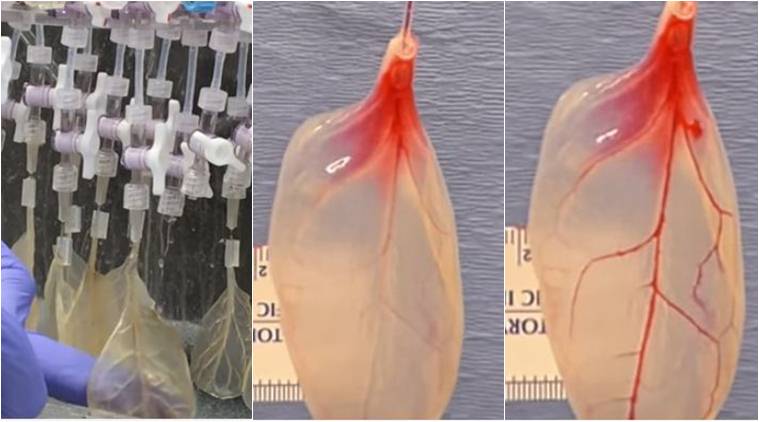
A group of scientists took out all of the cellular material from the spinach leaves which just left the structure that keeps the cells in place. Then, you have a very thin, flat piece of tissue that already has a vascular network. So in theory, they should be able to stack up multiple leaves and create a piece of cardiac tissue. The major limiting factor for past attempts of solutions to this is lack of vascular network. Techniques alone cannot fabricate microvasculature the way the body needs it (in humans). So the plan is to use the vascular system in spinach leaves to provide the cells that are grown on the leaf nutrients and oxygen. Cardiac muscle is grown on the leaves, which then can be profused with a blood source by the veins inside of the leaf.
I think that everything about this research is absolutely amazing. When you think of a model organism in genetics, it really doesn’t get any better than an abundant plant! Of course plants are different biologically from humans, but the only thing that matters in this case is the vascular network, which the spinach leaves have. If they are successful with this research, it will be very cost effective, ethically sound, and rather quick to create.


Tuesday, March 28, 2017

Dog genes give insight into human brain tumors


This article is about how there might be a way to figure out more about a Glioma (brain tumor) by looking at breeds of dogs that can also be affected by the same tumors. Through the research time and energy, a possible common link between humans, dogs, and Gliomas are three genes. These three specific genes are CAMKK2, P2RX7, and DENR. With each of these having a different purpose including growth and arrangement of neurons, cell death and inflammation, and being associated with several other cancers. I believe this is a step in the right direction and it's clear that this is not going to be the end of the research.

medicalnewstoday.com/articles

Glioma

Study finds Brain Tumor Associated with Genetic Error


Just in the United States, hundreds of thousands of people suffer from brain tumors. More than 20% of these cases are malignant tumors that spread quickly and result in a very low patient survival rate, amongst the 34 percentile. A study done by international researchers from the United Kingdom, United States, and other European countries have identified 13 new genetic errors that correlate with high risk of glioma, a type of brain tumor that arises from the glial cells. This type of brain tumor causes 13,000 deaths per year alone, however little is known about what factors contribute to contracting a glioma. The test was run with thousands of patients diagnosed with these brain tumors and thousands of healthy, glioma-free patients as the control group. The study shows that these genetic errors impact various cell functions, including the genesis and division of neurons, cell cycle regulation, DNA repair, and the production of some proteins which all contribute to the generation of theses tumors inside the brain.


This study has proven to give researchers and doctors a greater understanding of how glioma tumors form. With more research these scientist will be able to find even more genetic strands that affect a person's chances. Understanding more about gliomas gives insight about ways of identifying people at high inherited risk and will open up a search for new treatments. The number of genetic variants identified after this research was 13, with new research being conducted, this number has doubled.


Tags: Brain tumor, cancer, genetic linkage, cell growth


http://www.medicalnewstoday.com/articles/316615.php

http://www.parallelstate.com/news/large-scale-study-finds-genetic-errors-associated-with-brain-cancer/438951

Genetic Structure of Avian Influenza Viruses from Ducks of the Atlantic Flyway of North America


https://wwwnc.cdc.gov/eid/article/12/11/06-0652-f1

Original Article

Further Information


Ducks, like most wild avian species are hosts to a pool of influenza A viruses. Even though scientists have a growing number of avian influenza virus (AIV) genome sequences, their understanding of the genetic structure and transmission in waterfowl in North America is still limited. The Atlantic flyway, located on the eastern shore of the United States, is lacking on knowledge about AIV. To further their knowledge, scientists analyzed 109 AIV genome sequences from waterfowl from the Atlantic flyway to determine their genetic structure, observe gene flow compared to other birds in various locations along the flyway.. The experiment included 25 AIVs from ducks gathered in Newfoundland, Canada, and 84 duck AIVs dispersed throughout Atlantic flyway. High amounts of diversity of viral genes and genomes were identified in the 109 samples tested. Transmission between continents were very small, roughly 2%, while the rate of transmission between North American flyways is much more abundant, roughly 75% of the genes could be linked to genes found in the other three North American flyways, namely the Mississippi, Central, and Pacific flyways.


The take home message of this article is that AIV, like most avian viruses, are spread through close contact and proximity. It is expected that most of the genes and genomes would be similar or linked in a specific flyway since most ducks migrate within species and stay in relatively close proximity as they travel up and down the flyway. The reason the rate between contents are so low is because the only time the two birds are in contact during mating, this only happens in some species, or if a flock is blown off course by a strong trade wind.


Monday, March 27, 2017

Is One Susceptible to Osteoarthritis?


Osteoarthritis, although the most common chronic musculoskeletal disorder, does not have enough information researched.


Susceptibility has been researched by the Laboratory for Bone and Joint Diseases in Japan. Osteoarthritis is a polygenic disease with a genetic component in which cartilage is progressively lost. Approximately fifty million people across the world are suffering from this disease. It causes pain and loss of joint function and there is no treatment. Among the genes found were ASPN, GDF5, and DWVA. Since I am interested in getting into Physical Therapy I am very intrigued with topic of osteoarthritis and the way the body can function after disease stricken. I believe finding the reason for osteoarthritis and being able to prevent it or even warn individuals would be wonderful for people struggling with the painful and at times debilitating disease.

http://www.nature.com/jhg/journal/v55/n2/full/jhg2009137a.html

https://www.ncbi.nlm.nih.gov/pubmed/21400473

Peptide targeting senescent cells restores stamina, fur, and kidney function in old mice


In this article researchers were able to design a peptide to target senescent cells in mice.  This resulted in a restoration of stamina, fur density, and improved kidney function in naturally aged mice and fast aging mice.  The peptide works by blocking a protein for senescence.  The interference results in cell apoptosis in staying younger longer.  This could possibly lead to anti-aging medication. In a couple of years the average human life expectancy could possibly be doubled.  It's an interesting concept to think about.


Hidden Genetic Causes of Weight Gain

It has been widely and quite long known that some genetic conditions cause obesity, however, a new study finds that there are even more than we originally thought. Originally there were about 2 dozen conditions, now there are roughly 79 rare genetic syndromes linked to obesity. The study was focused on monogenic forms of obesity, which are quite rare. After analyzing 161 scientific research papers, they found 79 obesity syndromes reported where not only did the genetic defect result in obesity, but it also caused additional abnormal features (such as mental disability, characteristic facial features, kidney disease and heart malformation).


I think that this study is very important because some of the more common genetic syndromes can be treated with a hormone. So the quicker scientists are able to work out the genetics for the remaining, less common syndromes, the quicker they will be able to find or create treatments or even cures for them. Obesity can lead to a multitude of serious health issues, so it’s important to know if there are underlying genetic factors for people who are obese (or at risk for becoming obese), and to learn how to treat and even prevent it.

A Very Mammoth Project


If movies like Jurassic Park have taught us anything, it’s that it is not a good idea to bring extinct animals back to life. However, an article was written about a project called “Woolly Mammoth Revival” led by Harvard geneticist George Church didn’t seem to get the hint. Research on de-extinction, the science of bringing extinct animals back to life, has been progressing significantly in recent years and the woolly mammoth may be the next animal to be brought back to life from extinction. Church’s work so far only focuses on single cells, but the team has been carefully placing mammoth genes into these cells belonging to their closest living relative, the Asian elephant. This will create a sort of hybrid animal that will be comprised mostly of Asian elephant DNA incorporated with mammoth DNA to give it the characteristics of a mammoth.
The rest of the article has a lot more information, more than most people will care to read, but over-all, while I do not agree with reviving the woolly mammoth, I do fully support the processes associated with this project because of the benefits these genetic techniques will have towards living endangered species. Using gene manipulation and “test tube” embryos, science has made great strides in conserving endangered species and further enhancement of such techniques will prove invaluable to these animals’ genetic diversity.

Brain-Aging


Getting older is one of those things in life that everyone would like to avoid but unfortunately can’t. The development of neurodegenerative disease such as Alzheimer’s is one of those factors that an individually may acquire when reaching old age. A group of professors and researchers had observed a specific gene that if a mutation occurs can cause a dramatic age increase of the frontal cortex in individuals


Rhinn, an assistant professor and his fellow colleagues at Columbian University Medical Center discovered that the gene TMEM106B influences the aging of the frontal cortex which can lead to development of neurodegenerative diseases.


Rhinn and his colleagues had performed an autopsied on 1,904 individuals and came to the conclusion that individuals with two mutated variant copies of the TMEM106B gene had shown a dramatic age increase by 12 years of the frontal cortex  compared to individuals of the same age with two normal copies of the gene. The interesting factor about this gene is that it has no known effect on the brain until individuals reach the age of 65 which then triggers the variant copies of the gene to influence the aging of the frontal cortex.

Since the samples and examinations were taken from deceased people without neurodegenerative disease there is no conclusive link between this gene and neurodegenerative disease, however there is a link that shows the dramatic biological age increase of the brain which is known to cause neurodegenerative disease.


With continuous study of how certain genes are activated through human development this will lead to the discovery and introduction of new techniques to treat neurodegenerative disease, and perhaps scientist will be able to turn off the unknown trigger which causes this gene to express itself.


https://www.ncbi.nlm.nih.gov/pubmed/27543298
https://www.sciencedaily.com/releases/2017/03/170315125643.htm

Spinach to Heart?


I saw this this story on the news this morning and it seemed very interesting. Who would think using something as simple as spinach leaves would help patch up a heart. Although they are not completely sure it would work in a host, they have made it beat and have liquid running through the new veins. This also opens up more ideas for other natural foods and human cells.


The Ethics of Stem Cells


Early Human Embyro
For nearly as long as scientists have been studying stem cells they have self-imposed restrictions on themselves.  They have slowed to traditionally quick and unforgiving march of science to a snail’s pace in order to preserve the peace and happiness of the public.  The use of stem cells has furthered itself beyond simple in vitro fertilization.   Scientists now hypothesis they can now create whole new structures with human like qualities to study.  These thinks are called “synthetic human entities with embryo-like features” or Sheefs.  The ethics of Sheefs are highly debated and they themselves have vast potential in studying the human body and how it interacts with itself, but for now scientists can only use stem cells to study early embryos.  For a very long time the Biological community has being using a self-imposed 14 day rule where they would not keep an early embryo alive past 14 days.  This was always an easy rule to follow because no one could keep an embryo alive past 14 days, until recently.  Now scientists are pushing to push the amount of days back to 20 in order to conduct additional research on how to keep the embryos alive for longer.  This idea unnerves many people and sparked a large debate in the scientific community.  Inevitably the idea will go there however, at this point it is only a matter of time maybe months or even years if people let fear rule their decisions.


For the original New York times article here
For the article the New York times used here

Saturday, March 25, 2017

Amazingly fast, cheap genome sequencing: Zika virus mosquito genome assembled from scratch


In this article, a team of Baylor scientist has developed a new way to sequence genomes, which can put together the genome of an organism, all from scratch, drastically cheaper and faster.  Scientist have developed a new idea to sequence genomes, which can assemble the genome of an organism, entirely from scratch, dramatically cheaper and faster. The ability to quickly and easily generate a reference genome from scratch would open the door to creating reference genomes for everything from patients to tumors to all species on earth. 
What I found interesting is that they can now make a whole human genome under $10,000. It use to take 10 years and $4 billon, to make a sequence, but now it has changed to much more cheaper and faster way. I think that it was difficult for them at first to discover and combine all the ideas because they were so many. These scientist really outdid themselves, they also assembled the genome of the Culex quinquefasciatus mosquito, which I found to be extremely intense in my opinion. 

https://www.sciencedaily.com/releases/2017/03/170324104948.htm
http://science.sciencemag.org/content/early/2017/03/22/science.aal3327.full

Tardigrades Genome Reveals Unique Adaptations


Tardigrades, also known as water bears, are microscopic organisms that known for their survival skills. They have been found in Antarctica, in hot springs, in the Himalayas and have even survived being in outer space. They can enter a state of extreme hibernation, where in some cases, all the water is evaporated out of their bodies and they wake up years later completely intact. Researchers are interested in plumbing their genome for the secrets to their resilience, Japanese scientists decided to sequence the genome of a different species of water bear, Ramazzottius varieornatus. Both Tardigrades genomes are almost completely unique, it is said that only 1.2 percent of their genes are the result of HGT. The researchers found several genome sequences that allowed them to survive these harsh conditions. They took their research a step further and compared it to human DNA, but couldn't find any connections in the sequence they ran through, they are still looking though.