Friday, December 19, 2025

Debunking Eugenics: What Genetics Actually Tells Us

    Eugenics has long tried to present itself as science, using genetic language to justify harmful ideas about human value and “fitness.” Historically, eugenic movements claimed that complex traits like intelligence, behavior, and morality were controlled by single genes and could be selectively bred to “improve” society. These claims led to forced sterilizations, discriminatory laws, and genocide. Modern genetics has since shown that these ideas were not grounded in evidence but in social prejudice, with early eugenicists misusing limited biological knowledge to legitimize inequality

.Chapter 19: The Progressive Era: Eugenics | Teaching American History    
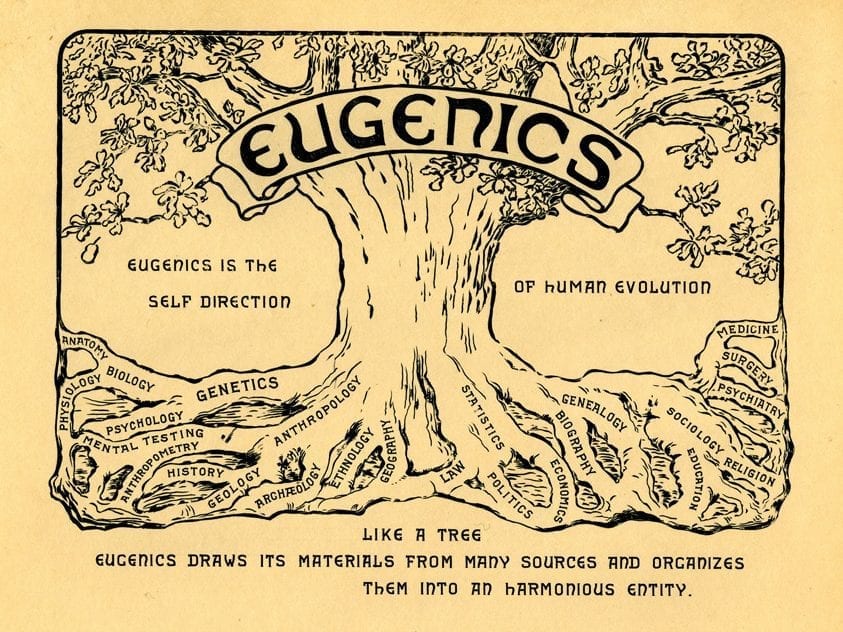
    Contemporary genetic research directly contradicts the core assumptions of eugenics. Most human traits are polygenic, meaning they are influenced by many genes, and are heavily shaped by environmental factors such as nutrition, education, and access to healthcare. The Human Genome Project demonstrated that humans are overwhelmingly genetically similar, with variation occurring gradually across populations rather than in discrete biological groups. There is no scientific basis for ranking individuals or populations by genetic “quality,” nor is there a single gene that determines intelligence, behavior, or worth.

    The persistence of eugenic thinking today reflects not scientific debate but the continued misuse of genetic information. When genetics is stripped of context, it can be twisted into arguments about superiority or exclusion, despite clear evidence to the contrary. In reality, the goal of genetics is understanding and improving health, not categorizing people by value. Science has decisively rejected eugenics by revealing human biology to be complex, interconnected, and incompatible with simplistic hierarchies. forgot to publish this, had it opened for a few days...

References

National Human Genome Research Institute. (n.d.). Eugenics and scientific racismhttps://www.genome.gov/about-genomics/fact-sheets/Eugenics-and-Scientific-Racism

Tishkoff, S. A., & Kidd, K. K. (2004). Implications of biogeography of human populations for “race” and medicineNature Genetics, 36(11.Suppl), S21–S27. https://www.nature.com/articles/ng1438

Monday, December 15, 2025

Understanding the Vampire Squid

Zaneyah Hughes
Genetics
Dr. Barbato
15 Dec, 2025

Understanding the Vampire Squid

This article says the genome of the vampire was finally sequenced, and how that explains the evolution of cephalods. The vampire squid shows us a common ancestor between squids and octopus and has less recombinations than octopuses. In other words, this allows us to see earlier cephalopod evolution. This research, led by the University of Vienna, Austria also stresses how deep sea species have the ability to preserve ancestral traits.


 I think that this article is really cool beause them sequencing the vampire squid changed our understanding of the cephalod’s evolution. Being able to see that it has a lot less recombinations that the octopus allows scientists to draw a much more distinct line between squids and octopuses for modern day reasons and evolutionary purposes. Additionally, the fact that we wouldn’t have known any of this information since vampire squids are very hard to study makes this even more fascinating, and it makes me wonder how much more information there is that we don’t know simply because we can’t use “ideal model organisms” or is inaccessible for research purposes.

Source: https://www.livescience.com/animals/mollusks/scientists-finally-sequence-the-vampire-squids-huge-genome-revealing-secrets-of-the-living-fossil

Extra sources: https://www.sci.news/genetics/vampire-squid-genome-14383.html

Polar Bears Have the answer to Climate Change

Zaneyah Hughes

Genetics 

Dr. Barbato 

15 Dec 2025

Polar Bears Have the Answer To Climate Change

This article says that polar bears in a region of Greenland are showing DNA changes connected to rising temperatures, thanks to research from the University of East Anglia. This is significant since this marks the first connection between climate change and genetic change in wild mammals. Additionally, scientists discovered that gene activity related to things like metabolism, ageing, and heat stress increased in bears from warmer regions. This suggests that the polar bears are adapting to warmer regions, and thus adapting to climate change.

I like how the article shows that the way the scientists know this adaptation is occurring is through jumping genes, or segments of DNA that can move or jump to different locations within a genome. Additionally, I think its really cool how the polar bears are starting to rewrite their DNA as a survival mechanism since reducing the burning of fossil fuels doesn’t seem to be happening as urgently as wildlife needs it. Although this is a great adaption and its wonderful that the polar bears are able to developing a survival mechanism, we should still discourage the use of green emissions to try to save their habitat.


Source: https://www.theguardian.com/environment/2025/dec/12/changes-to-polar-bear-dna-could-help-them-adapt-to-global-heating-study-finds

Extra Source: https://www.nbcnewyork.com/news/national-international/polar-bears-rewiring-genetics-survive-warming-climate/6429583/


Sunday, December 14, 2025

The Genomic Link to Developing a Stutter

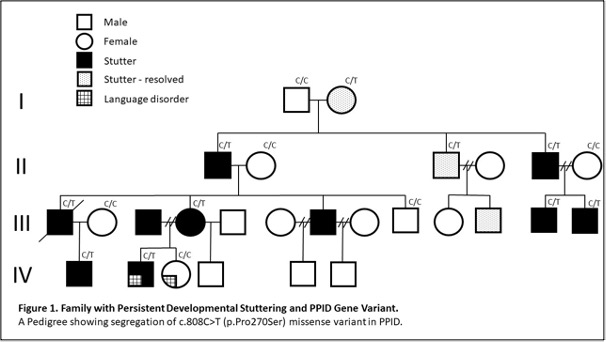
     Developmental stuttering is a common speech disorder that affects over 400 million people worldwide and is recognized by syllable repetitions, sound elongations, and speech blocks. Although many children recover, a fraction continue to stutter into adulthood. A groundbreaking study led by Dr. Hannah Polikowsky at Vanderbilt Genetics Institute connects the dots of the heritability of stuttering.

    Polikowsky's study contained large-scale genome association analyses on over one million subjects. By using ancestry stratification and metal-analytic approaches, the researchers were able to identify 57 unique loci associated with stuttering risk. These findings validate the role genetics has in developing a stutter and reveals the overlap it has with neuro-developmental and neuropsychiatric traits such as autism and ADHD.


Figure 1: Family with Persistent Developmental Stuttering Gene Variant stutteringhelp.org

    This study also highlights sex-specific effects, being that the persistence of stuttering is majorly higher in males. Researchers were able to identify loci with different effect sizes by analyzing sex-stratified GWAS. Furthermore, the researchers uncovered enrichment for genes that play a role in axon guidance, neurotransmitter signaling, and cortical brain regions associated with speech and motor control. 

    This study represents a major step forward in furthering the understanding of the biology of stuttering. This study reveals the polygenic nature of stuttering and how it links to other neuro-developmental processes. 


Sources:

    Polikowsky et a.l (2025). Genome-wide association analyses of developmental stuttering in over one million individuals. Nature Genetics, 57(12), 1785–1797. https://doi.org/10.1038/s41588-025-02267-2

    Hildebrand, M., & Morgan, A. (2024, Spring). Unlocking the genetics of stuttering. Stuttering Foundation. https://www.stutteringhelp.org/content/unlocking-genetics-stuttering


Psychiatric Disorders Are Genetically Connected

     Previously, psychiatric disorders have been defined by their symptoms over their genetics, yet the overlap of diagnosed individuals is no coincidence. Disorders such as schizophrenia, bipolar disorder, depression, anxiety, ADHD, and substance addiction often affect individuals of the same lineage. A study conducted by Andrew D. Grotzinger of the University of Colorado analyzes genetic data from over one million people to focus on these specific neurological disorders and to determine how distinct they are at a genetic level. 


    The researchers at University of Colorado found that many psychiatric conditions share substantial genetic risk. Most of the neurological disorders focused on did not have their own unique genetic signature as expected. Instead, the risk clusters into five major gene factors that span multiple disorders. For example, the article states "The two factors defined by (1) Schizophrenia and bipolar disorders (SB factor); and (2) major depression, PTSD and anxiety (Internalizing factor) showed high levels of polygenic overlap6 and local genetic correlation and very few disorder-specific loci". This means that schizophrenia and bipolar disorder share a genetic dimension related to psychosis whereas depression and anxiety cluster on a "mood related" genetic axis. Some dimensions capture shared risk for neurological and substance- abuse disorders. 

    Functionally, the shared genetic factors were related to specific biological annotations, including differential enrichment in brain regions, developmental time points, and cell type specific expression profiles. These findings using Genomic SEM suggest that psychiatric comorbidity shows convergence on partially shared pathways. 

    This article is an extreme step in furthering understanding of 14 different neurological disorders. Although the analysis is limited by ancestry, being that only European patients were used, it still provides significant framework for integrating genetics into psychiatric classifications.  


Sources: 

    Grotzinger, A. D., de la Fuente, J., Li, Z., Hansell, N. K., Stahl, E. A., Walters, R. K., Wray, N. R., et al. (2025). Genetic architecture of 14 psychiatric disorders at multiple levels of analysis. Nature, 621(7976), 134–142. https://doi.org/10.1038/s41586-025-09820-3

    Grotzinger, A., van der Zee, M., Rhemtulla, M., Ip, H., Nivard, M., & Tucker‑Drob, E. (2025). GenomicSEM: Structural equation modeling based on GWAS summary statistics https://github.com/GenomicSEM/GenomicSEM


Friday, December 12, 2025

Polar bears are rewiring their own genetics to survive a warming climate

         Reading the title of this article confused me at first but after going through it I am more invested in polar bears than I was when I was 10. With warming climates worldwide, polar bears are being forced to adapt, and this is showing in their DNA. This is believed to be the first documented case of environmental change driving genetic change (note for my answer on the final). 


        Researchers say that this is because warming sea temperatures reduce the amount of ice flows that polar bears can hunt off of, causing their need to diversify. 

        Even though polar bears are adapting to the world around them, they are still projected to go extinct within the next century. This is truly upsetting to me as polar bears are some of my favorite animals in the world. I will be doing my part and donating to  conservation funds and hoping that it is not too late. 

Dawson Fournier

Source: https://www.nbcnews.com/world/greenland/polar-bears-adapting-survive-warming-climate-rcna248805

Secondary: https://abcnews.go.com/International/polar-bears-rewriting-dna-survive-warming-arctic-study/story?id=128278604 

Misophonia Has Genetic Links to Anxiety And Depression, Study Reveals

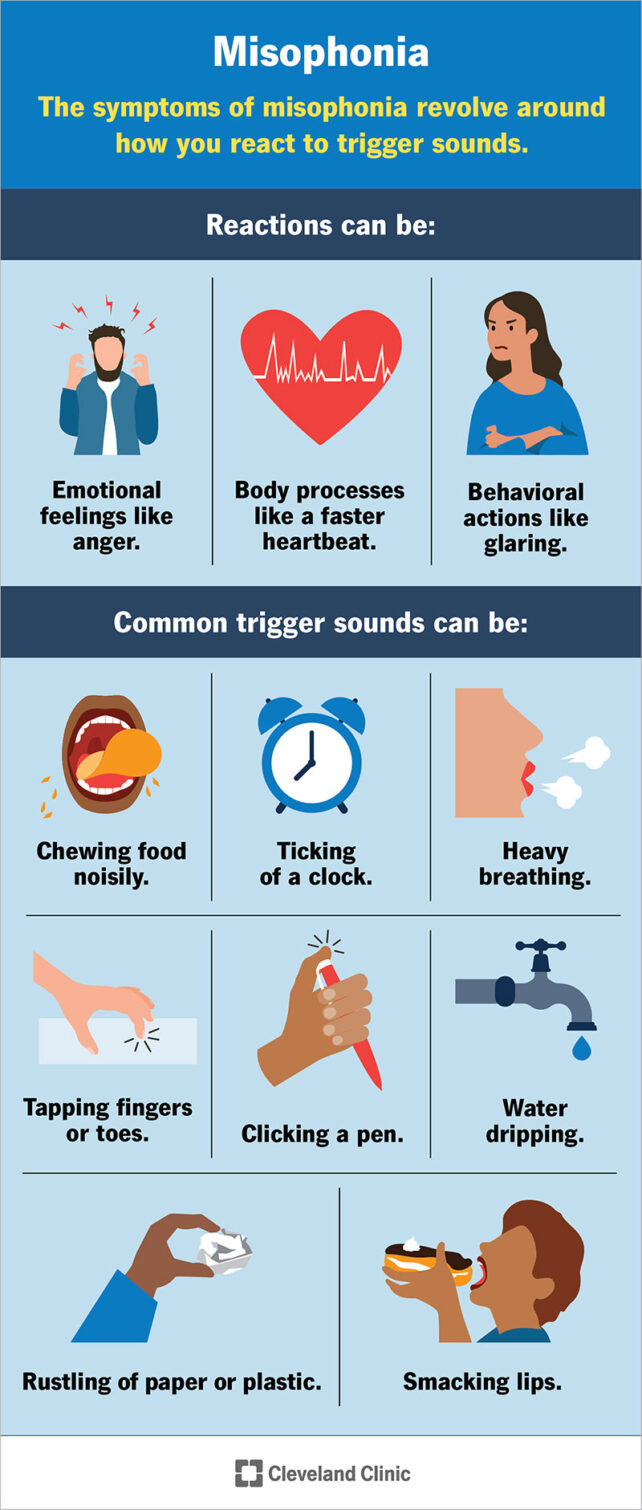
             A recent study has shown that misophonia, a condition that makes sounds like chewing, grinding and snoring overly agitating and anxiety inducing, can be linked to inherited depression and anxiety. 

Misophonia Has Genetic Links to Anxiety And Depression, Study Shows 

        Researchers in the Netherlands have found that genetic mood conditions like anxiety, depression, and PTSD susceptibility were all linked to having misophonia as well as chronic tinnitus. As someone who suffers from both misophonia and tinnitus this article was very concerning. However, I do not feel like I have any of the other conditions so that is good. 

        It makes sense though, that these things would be linked. The feeling that you get when you hear someone slurp a hot drink is similar to the feeling of dread you get in your stomach when you read the bill from your dentist. 

        Overall I found this article very fascinating and relatable but also it reminded me I need to be aware of the way I feel and how I react to the situations I am in.


Dawson Fournier

Source: https://www.sciencealert.com/misophonia-has-genetic-links-to-anxiety-and-depression-study-reveals

Secondary: https://my.clevelandclinic.org/health/diseases/24460-misophonia 

New Study Aims to Detect Illness in Babies Early

New Study Aims to Detect Illness in Babies Early 

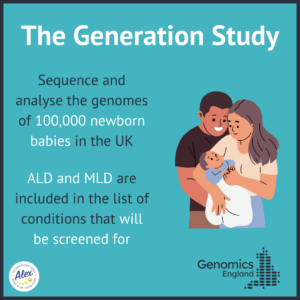
 A new study is providing doctors with a promising way to identify rare but treatable illnesses in newborns long before any symptoms appear. They are using cutting-edge genomic sequencing on umbilical cord blood, in which researchers hope to identify up to 200 inherited conditions (Dias, 2025). Doctors working on the project say that catching these conditions early could change families’ lives who are preparing for a baby, allowing babies access to treatments months or even years earlier than would normally be possible (Dias, 2025).

   There are some concerns involving how they determine who has the illness. Because everyone carries genetic mutations that may never lead to illness, experts worry that screening newborns so early could lead to false positive results that would suggest a problem when there isn’t one. This could cause unnecessary stress, extra testing, and fear for new parents. Some have also raised concerns about how securely the babies’ genetic information will be stored and who will be trusted with access to it (Dias, 2025).

   Although this study has some downsides, it’s still an important step forward in caring for babies. If it works the way doctors hope, it could help stop serious health problems before they even begin.


Although the study has some downsides, I think it could really make a difference for babies’ health. If it works the way doctors hope, it might be able to prevent serious illnesses before they happen. At the same time, I can understand why some parents might feel nervous about their baby’s genetic information being used because it's such a recent study. 


If you want to learn more about the study and see the full research details, you can visit the study’s official website here: https://www.genomicsengland.co.uk/initiatives/newborns 


References:

Dias, A. (2025, November 26). Genomic study of Gloucestershire newborns “could be life-changing.” https://www.bbc.com/news/articles/c0l7lx119nzo

Genomics England. (2024). Newborn Genomes Programme. Genomics England. https://www.genomicsengland.co.uk/initiatives/newborns


Thursday, December 11, 2025

Screwworm Returns, and What is Being Done to Fight it.

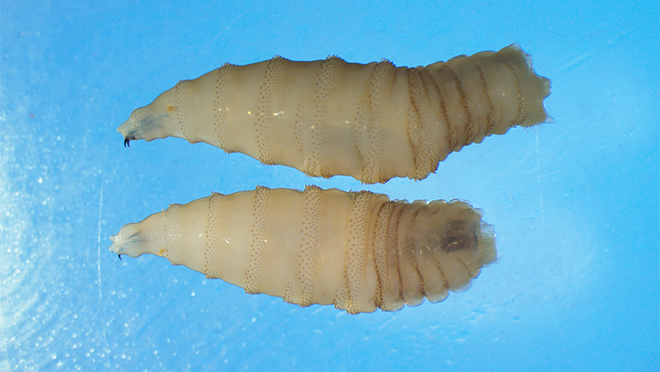
 This past summer, an article was published in the New York Times detailing the re arrival of screwworm in the United States. Screwworm, largely eradicated in the 1970s in the United States, has made a reappearance due to breaching a barrier in Panama, sparking concern from both the U.S. and Mexico. The parasite is a flesh eating maggot that feasts on the open wounds of animals. It affects mostly livestock, but can also spread to other animals including deer, rabbits, and even humans.

 Two individual larvae on a blue background 

The issue is, this problem had already been solved before. In the 1950s, it was discovered that scientists could create sterile male screwworm flies and release them into areas that contained massive amounts of screwworm. This would severely decrease the population as the females would mate with the sterile males, thus decimating the population. A barrier was created and maintained from 2006 onward, until 2022 where said barrier was somehow broken through, causing screwworm to start to make its way back into Central and North America. This means that these companies that were making the sterile flies will need to heavily ramp up production to drive down the population of these invaders and send them away for good. To me, this article highlights that safety and attention to detail that is needed to work in the field of science. If something like this can happen once, there is nothing stopping it from happening again. We need to ensure that  careful attention is payed to everything, so that something like this, or worse, doesn't happen again.

Cannabis Dependence and the Science Behind it

 This paper takes a close look at why some people are more at risk for cannabis dependence than others, and a big part of the story comes down to genetics. According to the article, cannabis is one of the most commonly used drugs worldwide, but only a portion of users end up developing dependence. The paper points out that global use ranges from about 2.8% to 5.1%, and men consistently show higher rates than women. It also explains that dependence isn’t just about using cannabis often, it’s about having a strong internal drive to keep using it, even when it causes problems.


The researchers report that cannabis dependence is partly inherited, with genetics accounting for about 55% of the overall risk. In the paper, they highlight 14 specific genes that seem most tied to cannabis dependence, including ANKFN1, CHRNA2, and NCAM1. These genes are connected to brain signaling and neural functioning, which makes sense given that cannabis affects the brain’s reward systems. The authors also mention several “candidate genes,” like CNR1 and ABCB1, that might influence how the body responds to cannabinoids, though they note the evidence for some of these is still being sorted out.


Even with all of these genetic clues, the paper makes it clear that genes aren’t destiny. Environmental factors, personal experiences, stress, mental health, and even how early someone starts using cannabis all play a role. The authors suggest that future work should look not only at DNA itself but epigenetic changes, basically, how gene activity gets switched on or off, to better understand why dependence develops in some people and not others. It’s a reminder that cannabis dependence is complicated, and genetics are just one piece of the puzzle.

Original Article: https://psychpersonality.com.ua/en/journals/tom-24-2-2023/genetika-zalezhnosti-vid-kanabisu

Secondary Article: https://link.springer.com/article/10.1186/s12920-021-01035-5?utm_source=chatgpt.com


Labels: "Cannabis" "Addiction" "Inheritability" 


Findings point to path forward for treatment of rare genetic disease

Friedreich’s ataxia is one of those rare disorders that most people don’t hear about, but it’s incredibly serious for the families affected by it. It causes muscle weakness, nerve damage, and major problems with coordination — and the hardest part is that there’s currently no real treatment that stops the disease from getting worse. That’s why this new research from the Broad Institute immediately caught my attention.

The scientists discovered a potential way to work around the genetic defect instead of trying to fix it directly. In Friedreich’s ataxia, the body loses a protein called frataxin, which the mitochondria need to make energy. Without enough frataxin, the cells basically struggle to function. What the researchers did was run genetic screens to find other genes that could “compensate” for that loss. Surprisingly, they found a couple of proteins, especially FDX2 and NFS1, that, when adjusted, helped cells overcome the frataxin shortage.

What I really liked about this study is that it opens the door to treatments that don’t rely only on CRISPR or gene therapy. Instead, these new findings suggest that traditional drugs could target these alternative pathways and still have a big impact on symptoms. In animal models, boosting these proteins actually improved the disease features, which feels like a huge step forward considering how limited current treatment options are.


Genetics of Spina Bifida


This review is about spina bifida (SB) as a complex congenital disorder of the central nervous system, emphasizing its significant genetic component alongside environmental factors. The authors detail that while the complete cause is not fully understood, research has identified over 250 associated genes in mouse models, pointing to disrupted pathways like the planar cell polarity (PCP) pathway, signaling, and folate metabolism. In humans, SB is considered an omnigenic trait, involving a combination of variants in genes such as VANGL1, VANGL2, CELSR1, and TBXT, as well as genes involved in folate processing like MTHFR. The review also covers the critical role of maternal factors (diabetes, folate deficiency) and the well-established preventive effect of folic acid supplementation. Beyond genetics, the article discusses the pathophysiology of the "two-hit" injury model and the evolution of treatment from postnatal surgical closure to groundbreaking fetal surgery, culminating in the introduction of the first FDA-approved clinical trial using placenta-derived mesenchymal stem cells (PMSCs) to augment in utero repair.

In my opinion, this research paper powerfully illustrates the convergence of genetic discovery and clinical innovation in tackling a devastating birth defect. The genetic narrative is particularly compelling; it moves SB from a condition historically attributed to simple folate deficiency or birth injury to a complex neurogenetic disorder with an "omnigenic" architecture. Understanding that hundreds of genes can disrupt fundamental embryological processes like neural tube closure reframes our approach, shifting focus from a singular cause to a web of vulnerabilities. This genetic complexity explains why folic acid, while hugely preventive, is not a universal cure. The most exciting implication lies in the therapeutic frontier: this genetic understanding lays the groundwork for the pioneering stem cell trial discussed. By identifying the specific cellular and signaling pathways that fail, researchers can now rationally design regenerative strategies, like using PMSCs, to protect or repair the developing spinal cord. This marks a paradigm shift from merely closing a physical defect to attempting a biologically-informed restoration of function, offering real hope for improving outcomes beyond the current limits of fetal surgery alone.


References: 

1. Hassan, A.-E. S., Du, Y. L., Lee, S. Y., Wang, A., & Farmer, D. L. (2022). Spina Bifida: A Review of the Genetics, Pathophysiology and Emerging Cellular Therapies. Journal of Developmental Biology, 10(2), 22. https://doi.org/10.3390/jdb10020022 

2. Spina bifida: MedlinePlus Genetics. (n.d.). Medlineplus.gov. https://medlineplus.gov/genetics/condition/spina-bifida/ 


Neuron zapping help us understand Parkinson's

    Scientists at Johns Hopkins Medicine have taken an important step toward watching neurons communicate in real time. Using a clever “zap-and-freeze” approach, the research team was able to stop brain tissue—first in mice, then in human, at the exact moment one neuron sends a message to the next. Their findings, published in Neuron, give a rare glimpse into the split-second events at the synapse, the junction where most forms of Parkinson’s disease are thought to originate. Because synaptic disruptions drive the majority of Parkinson’s cases, being able to capture this process as it unfolds could bring researchers closer to understanding how communication starts to break down.

                       Freeze-Frame Look at Brain Activity

    To test the method, the team stimulated neurons with a tiny electrical pulse and immediately froze the tissue, preserving every structure for analysis. Remarkably, samples taken from patients undergoing epilepsy surgery showed the same rapid recycling of synaptic vesicles that appeared in mice—including the presence of Dynamin1xA, a protein that enables ultrafast membrane recovery. This parallel between species reinforces the value of mouse models for human brain research. The researchers now hope to use zap-and-freeze on tissue from individuals with Parkinson’s disease, with the goal of pinpointing exactly how these shift in affected neurons and ultimately guiding new ideas.

Explanation on why modern Chinese cats are similar to cats from the west rather than native cats to China

     Researchers found that DNA samples from fossils in China recognized that early cats in ancient China weren't actually the housecats we think of today. The DNA found was dated about 5,400 years ago which shown that small cats living around early farming settlements were wild leopard cats not domestic house cats. These wild cats lived in close proximity to humans and likely hunted rodents attracted to stored crops but they weren't the species we keep as pets today. 

    True domestic house cats arrived much later. They descended from the Near Eastern African wildcat which only appeared in China during the Tang dynasty AD 700-900. Analysis of remains from that period shows genetics signatures linking them to cats from Central Asia suggesting they came from trade networks like the Silk Road. 

    For over 3,500 years humans and leopard cats coexisted in ancient China, but these wild felines didn't become domesticated in the same way the African bobcat did. This helps explain why modern Chinese cats are genetically similar to cats from the West rather than to native Chinese wild cats. 


Sources:

Brookshire, B. (2025, December 3). Ancient DNA reveals China’s first “pet” cat wasn’t the house cat. Science Newshttps://www.sciencenews.org/article/dna-china-first-cat-leopard-rodent

MSN. (n.d.-b). https://www.msn.com/en-us/pets-and-animals/cats/ancient-dna-says-china-s-first-pet-cat-wasn-t-the-house-cat/ar-AA1RQQ8u


Parts of Our DNA Evolve Faster Than We Thought

 A recent study using advanced sequencing technologies has revealed that some regions of the human genome mutate much faster than scientists previously understood. By analyzing genomes across multiple generations in the same family, researchers detected nearly 200 new genetic changes per person and found that certain “mutation hotspot” regions change at a high rate, almost every generation. 


This discovery is significant because a clearer picture of how and where mutations occur can help scientists predict genetic disease risk and better understand human evolution. Regions with high mutation rates might explain why some diseases appear spontaneously in children even when parents don’t carry the variant, refining genetic counseling and diagnostic strategies. 

Linking mutation rates with improved diagnostics is particularly timely. A new blood test presented at a recent genetics conference can now rapidly analyze proteins tied to more than 8,000 disease-related genes, enabling much faster diagnosis of rare genetic disorders. This kind of technology could make it easier to detect conditions tied to mutations in both common and rapidly evolving regions of DNA. 

Together, these advances show how research into genetic mutation dynamics and better testing tools are beginning to close the gap between DNA sequence variation and real-world health outcomes.

Main Article: https://www.sciencedaily.com/releases/2025/04/250423111908.htm

2nd Article: https://medicalxpress.com/news/2025-05-blood-enables-rapid-diagnosis-thousands.html

Wednesday, December 10, 2025

Bringing the Dire Wolf to Modern Times

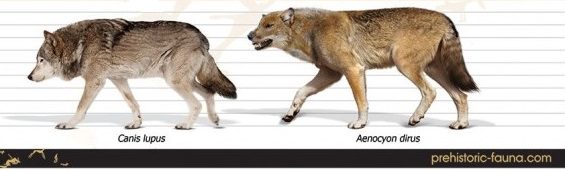
 An article from 9 months ago from the New York Times highlights the process of de-extinction, and the efforts of a team of scientists to attempt to bring back the dire wolf species. Basically, DNA was extracted from the fossils of dire wolves, which was then studied. The scientists were able to edit 20 genes of gray wolves to have the distinct features that they discovered in the dire wolves. Embryos were then created of these new wolves and implanted in a surrogate mother, who then gave birth to three healthy wolves. These wolves are bigger than the average gray wolf and have a dense fur coat, both traits that belonged to dire wolves. The experiment is considered a success, and while these particular wolves remain in captivity, these scientists believe that the technology that was used and developed in this experiment could be used to help preserve endangered species today. They believe that they can make copies of endangered species and release them to the wild to help improve genetic diversity and help increase the species's numbers.


Did We Really “De-extinct” the Dire Wolf? - Ohio History Connection 

 Of course, these animals aren't going to ever actually be dire wolves, just animals that are coded to look like them. Bringing back an animal from extinction is an impossible task, however the animals that can be de-extinct can offer a unique perspective into what life looked like on this planet thousands of years ago. Also, if this technology can actually be used to help save animals from extinction and this is just the start, then there seems to be a bright future ahead of this planet's biodiversity.


Improved Stomach Cancer Treatments

Many may not realize that not all stomach cancers are created equal and that they can vary significantly. This variation may lead to requiring differing treatments based on the type and severity of the cancer. 

4 specific genes have been discovered that clue in on how stomach cancers can progress and develop, according to a recent study presented at the Digestive Disease Week conference. Researchers found that mutations in BRCA2, CDH1, RHOA, and TP53 were strongly linked to more aggressive forms of gastric cancer and poorer patient outcomes.

In the study, scientists analyzed tumor samples from 87 patients who had undergone surgery and chemotherapy. About one-third of these patients carried mutations in this four-gene combination, and those individuals were found to significantly be more likely to experience cancer recurrence or reduced survival. These findings highlight that certain genetic signatures can act as early warning signs for how deadly a tumor may become.

This discovery offers hope for more personalized treatment plans, rather than what is typically done currently where all stomach cancers are treated relativley the same despite their differences. This discovery can prevent using aggressive treatments on those that do not need it, and also provide better plans for those who do need it.

While promising, these results are still considered preliminary and much further research is still needed before being able to widley use this information in a clinical setting. 

News Article Source: https://www.usnews.com/news/health-news/articles/2025-04-25/four-gene-combo-might-predict-lethality-of-stomach-cancer

More on Stomach Cancer: https://www.cancer.org/cancer/types/stomach-cancer/about.html


AI-powered CRISPR

 One of the biggest obstacles in gene therapy has always been figuring out how to design CRISPR edits that are both effective and safe. This new research from Stanford really shows how fast the field is changing. Instead of scientists testing thousands of genetic edits manually, which can take months, AI models can now predict which CRISPR edits will work before they’re ever tried in a lab.

What stood out to me most is how AI wasn’t just used to speed things up; it actually helped researchers discover better therapeutic targets that they might have missed otherwise. The AI system analyzed massive genetic datasets, patterns of gene regulation, and known disease mutations, and then ranked CRISPR strategies that would be most successful for correcting harmful DNA variants. This basically turns gene-editing design into something more precise, almost like a personalized blueprint for each patient’s cells.

Another huge impact is safety. One issue with CRISPR is that cutting DNA in the wrong place can cause unintended mutations. According to the Stanford team, the AI models were able to predict off-target effects before the edits were even tested. That could help prevent dangerous side effects and make gene therapy more reliable over time.

This article makes it feel like we are getting closer to truly personalized medicine, where your gene therapy isn’t just a general treatment but is custom-designed for your exact mutation. I can see this becoming especially important for rare diseases, where patients often don’t have many options and traditional drug development is too slow or expensive.


The Genetic Link Between 14 Psychiatric Disorders

 The Genetic Link Between 14 Psychiatric Disorders

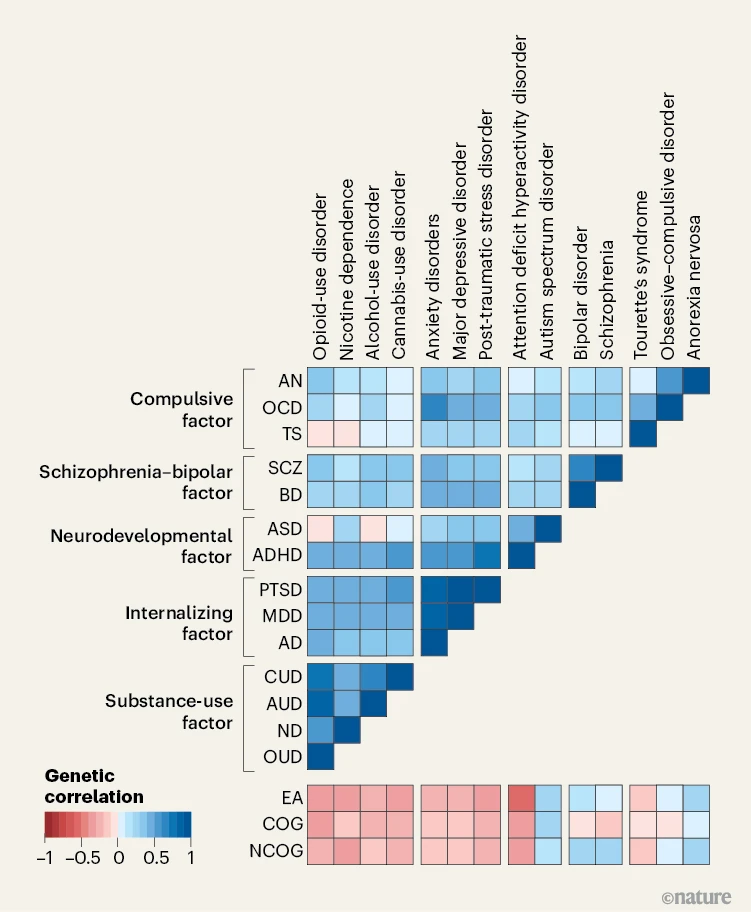
    A new study published in Nature is giving scientists a fresh way to look at mental-health disorders. By analyzing genetic data from over a million people, researchers found that 14 psychiatric conditions, from anxiety and ADHD to schizophrenia and OCD, share genetic patterns that group into five major factors (Abdellaoui, 2025). Instead of separating each disorder into its own categories, this study shows that many conditions overlap biologically, which could explain why people often experience more than one at the same time. These shared patterns show that the biological foundations of mental illness cut across traditional diagnostic labels, and many of the same genetic variants also contribute to positive traits like creativity and motivation. While scientists still need much larger studies, this research opens the door to diagnosing and treating mental-health conditions in a more personal, biologically grounded way, and it highlights that mental-health differences are part of a natural continuum rather than a flaw.

This figure shows how 14 psychiatric disorders share underlying genetic risk. Grotzinger et al. found that these conditions cluster into five major genomic factors, meaning many disorders overlap genetically rather than fitting neatly into separate diagnostic categories. Some of the same genetic variants linked to mental-health risk are also associated with strengths like creativity, motivation, and cognitive abilities, highlighting that this genetic variation contributes to neurodiversity rather than solely illness (Abdellaoui, 2025).

    This study helped me understand how much progress we’re making in understanding mental-health conditions at the genetic level. I found it especially informative to learn about genetic risk, which refers to the inherited differences in the versions of genes passed from parents to children, where small variations across many genes can combine to increase a person’s likelihood of developing certain diseases (Genetic Risk, 2013).  I thought it was interesting that these shared genetic factors not only contribute to vulnerability but also relate to positive traits like creativity and motivation. This research represents an important step toward more accurate, compassionate, and personalized approaches to mental-health care.

References

Abdellaoui, A. (2025). Shared genetic risk in psychiatric disorders. Nature. https://doi.org/10.1038/d41586-025-03728-8

Genetic Risk. (2013). Utah.edu. https://learn.genetics.utah.edu/content/history/geneticrisk/

Genetically modified organs

A new study in the Journal of Hepatology reports the first successful liver xenotransplant from a genetically engineered pig into a living human; a milestone that could reshape the future of organ transplantation. The 71-year-old patient, who was not eligible for a human liver transplant, received a graft from a modified pig engineered with 10 gene edits to improve compatibility. For more than a month, the pig liver carried out essential functions such as bile production and coagulation factor synthesis. Although the graft was removed on day 38 due to a complication known as xenotransplantation-associated thrombotic microangiopathy, the patient ultimately survived 171 days, demonstrating that a pig liver can operate inside a human body for an extended period.

                            Engineered Pig Liver Works in Human

Researchers and global health experts view this case as an important early proof of concept at a time when thousands die each year waiting for donor organs. With organ shortages especially severe in countries like China, where liver failure cases far outnumber available transplants, this experimental success offers a glimpse of what future solutions may look like. Experts emphasize both the promise and the ongoing obstacles, but agree that the case marks a turning point. As editorialist Heiner Wedemeyer noted, genetically engineered pig organs may one day provide entirely new options for patients with liver failure, signaling the beginning of a new chapter in transplant medicine.

What Cheetahs, Armadillos and Whales Revealed About Human DNA

     For over ten years, scientists have been able to compare and contrast the genomes of over 200 mammals with humans. Mammals are known to be one of the most diverse classes of animals. It has been about two decades since some scientists made the rough draft of the human genome. Scientists today still have difficulty deciphering the genome.  By uncovering this evolution of the genome for over 100 million years, there is something called the Zoonomia project. 

    The Zoonomia project is an international project that uncovers the genomic traits of mammals. Zoonomia uses DNA sequence technology to comprehend how genomes create a huge amount of diversity. The name Zoonomia comes from the Greek words that mean "animal" and "governing laws". The word Zoonomia first appeared in 1794, by Erasmus Darwin, who was the grandfather of Charles Darwin. Erasmus Darwin has a book titled "Zoonomia; or Laws of Organic Life". 


                        This is a picture of a human DNA strand using transmission electron microscopy. 


References: 

https://www.nytimes.com/2023/04/27/science/human-dna-genomes.html

https://zoonomiaproject.org/the-project/


Amazon scorpion venom could be as effective as chemotherapy

 Researchers at University of Sao Paulo in Brazil were working with a species of Amazon rainforest scorpion. They identified a molecule in its venom called BamazScplp1, that shows strong activity against human breast cancer cells. In tests the peptides effect on cancer cells was comparable to that of standard chemotherapy. 

    How this works is that BamazScplp1 exhibited cytotoxic effects which basically means it killed the cancer cells. The main mechanism was thought to be necrosis rather than just slowing or triggering classical apoptosis. Researchers use a technique called heterologous expression which produces the peptide in lab rather that extracting Vermon from real scorpions. 

    This is important because breast cancer remains a major cause of death among women worldwide. The fact that natural molecule from scorpion venom can match effectiveness of chemotherapy is a strong proof that natural toxins might be produced into cancer drugs for the future.


Sources:

Amazon scorpion venom shows stunning power against breast cancer. (2025, November 25). ScienceDaily. https://www.sciencedaily.com/releases/2025/11/251117095658.htm

Koumoundouros, T. (2025, June 26). Amazonian scorpion venom can kill breast cancer cells, scientists say. ScienceAlerthttps://www.sciencealert.com/amazonian-scorpion-venom-can-kill-breast-cancer-cells-scientists-say

Tuesday, December 9, 2025

A Cure to Blindness Could be Your Genes


A recent clinical trial published in The Lancet found evidence that a new gene therapy may dramatically restore vision in children and adults with Leber Congenital Amaurosis.

Leber Congenital Amaurosis is a rare inherited condition caused by mutations in the GUCY2D gene.
This gene plays a critical role in producing the proteins that allow photoreceptor cells in the eye to detect light. Thus, when it malfunctions, vision deteriorates rapidly and it often begins in early childhood.

The study showed that patients receiving the gene therapy, called ATSN-101, experienced vision improvements ranging from 100-fold to as high as 10,000-fold, in some cases even allowing individuals who once required bright indoor lighting to navigate the outdoors under just moonlight. These findings suggest that gene therapy may be capable of restoring significant sight even after decades of severe visual impairment.

While these early results highlight the potential for gene therapy to address congenital blindness, researchers emphasize that larger and longer-term studies are still needed. Future work will focus on determining how durable these improvements are, how early in life treatment should be administered, and whether or not this approach can be expanded to other forms of inherited retinal degeneration.

News Article Source: https://www.usnews.com/news/health-news/articles/2024-09-06/gene-therapy-reverses-a-rare-cause-of-vision-loss

More on LCA Illnesses: https://www.asrs.org/patients/retinal-diseases/37/leber-congenital-amaurosis-lca

New Genetic Signals in Centenarians Point to Longevity Pathways

 This new Nature Communications study provides strong evidence that centenarians carry fewer harmful, loss-of-function mutations in key genes compared to the general population. These protective genetic patterns likely help maintain healthier biological systems over time, especially in pathways related to immune stability, cellular repair, and metabolism. By identifying specific genes that are consistently preserved in long-lived individuals, researchers can better understand which biological processes are essential for healthy aging.

Image Source

This is important because it shifts part of the focus in longevity research from searching only for “longevity genes” to understanding which damaging mutations people don't have. When combined with broader genetic studies, the findings support the idea that exceptional longevity comes from a combination of fewer harmful variants and many small, beneficial genetic effects. This research moves scientists closer to identifying targets that might one day help extend health span or prevent age-related diseases.

Main Article: https://www.nature.com/articles/s41467-024-52967-2

2nd Article: https://pmc.ncbi.nlm.nih.gov/articles/PMC11312667/

Genetics of Cerebral Palsy


    This study reviews the substantial evidence that genetic mutations are a significant cause of cerebral palsy (CP), a condition traditionally attributed to birth injuries or environmental factors. Through the analysis of large cohort studies using whole exome sequencing and copy number variant (CNV) analysis, the authors identify a core group of 18 genes and 5 recurrent CNVs with strong evidence for causing CP. These genes often disrupt early brain development, cell signaling, and neuronal connectivity, and can overlap with genes known for other neurodevelopmental disorders. The authors propose new criteria for classifying a gene as CP-associated, from initial discovery to clinical application, and argue that the identification of a genetic cause does not invalidate a CP diagnosis if the clinical criteria of a stable, non-progressive motor disorder are met. The review concludes that understanding the genetic architecture of CP refines our neurobiological understanding and opens doors for future mechanism-based research and personalized interventions.

    This research represents a shift in our understanding of cerebral palsy, arguing that it should be viewed as a neurogenetic disorder in a significant subset of patients. The most impactful part of this study is the proposal of diagnostic criteria for CP-associated genes, which brings much-needed rigor to a rapidly evolving field and helps distinguish true causes. It is fascinating to see how these genetic pathways involving cell adhesion, cytoskeletal dynamics, and membrane trafficking converge on the fundamental biology of brain wiring. This genetic lens might explain why individuals with similar environmental risks (like preterm birth) have vastly different outcomes. Further, I enjoy the authors' nuanced stance that a genetic finding complements rather than contradicts a CP diagnosis, which is crucial for ensuring patients retain access to essential services. Ultimately, this study transforms CP from a purely descriptive, symptom-based diagnosis into a group of disorders with discoverable molecular roots, which is the essential first step toward developing targeted, biological therapies.


References: 

1. Lewis, S. A., Shetty, S., Wilson, B. A., Huang, A. J., Jin, S. C., Smithers-Sheedy, H., Fahey, M. C., & Kruer, M. C. (2021). Insights From Genetic Studies of Cerebral Palsy. Frontiers in Neurology, 11, 625428. https://doi.org/10.3389/fneur.2020.625428 

2. Fliesler, N. (2022, January 26). Cerebral palsy can have genetic origins. Boston Children’s Answers. https://answers.childrenshospital.org/cerebral-palsy-genetic/


Genetics and how it is linked to sleep deprivation


The amount of sleep a person gets on average varies for a multitude of reasons. These can be and are not limited to: caffeine intake, sleeping schedules, sleeping patterns, etc. But what you may not have known is that the amount of sleep a person may get is also due to genetics. 

    In every person, there is an internal clock. It is located in the brain and regulates the timing of certain functions. Everyone's internal clock is set to 24 hours, but it may vary. Genes are a factor of how fast or slow this internal clock, also known as circadian rhythms, ticks. Genes control circadian rhythm by encoding "clock proteins." This forms an internal feedback loop in which a cell will produce proteins within a span of 24 hours. The production of rhythm ticks does poorly in light because light indicates that it is daytime which limits the production of melatonin. This is only one example but this shows how genetics can cause the amount of sleep a person may get. 

    If you are a person that lacks sleep, there should be measures taken to allow the production of Circadian rhythm to function properly as eliminating light when you are trying to sleep. 

Links:

New Medication That Imitate RNA Could Help with Heart Attacks


New Medication That Imitate RNA Could Help with Heart Attacks

Benjamin Pruss

BIOL-2110-001 GENETICS

 Professor Guy F. Barbato

December 9th, 2025


    Recently, a new medication was created by scientists at Cedars-Sinai, called TY1, that can help repair damaged DNA. It achieves this by replicating a natural RNA molecule that boosts a gene that helps remove damaged DNA, thereby facilitating the recovery of injured tissues. This can reduce scarring and could potentially help with the recovery from heart attacks.
    The research that led to this new medication began more than twenty years ago at Johns Hopkins University. Here, they found a way to extract progenitor cells, which help in healing, from heart tissue. At Cedars-Sinai, it was discovered that these progenitor cells release small sacs, called exosomes, that contain RNA that helps in tissue repair. 
    TY1 is an engineered copy of the RNA that helps in tissue repair, found in the exosomes. It increases the number of immune cells that repair damage to DNA. The researchers also believe that TY1 could assist in autoimmune diseases, in which the immune system attacks healthy tissue.

Sources

Mutation Order Shapes Tumour Development Risk Blog #7


Angelina Tadros

December 9, 2025

Dr. Barbato

Genetics Blog #7


Mutation Order Shapes Tumour Development Risk


This article is a summary of the research done by Lourenco et al. It investigates how the order of cancer driving mutations affects intestinal tumour development. Using mouse models, the researchers introduced mutations each in different sequences, either priming the intestinal cells first or applying random mutations through ENU (ENU stands for N-ethyl-N-nitrosourea, which is a strong chemical mutagen. It works by adding an ethyl group to DNA bases, which then causes random point mutations in the genome.) before inducing the driver mutations. They found that most cells with early cancer causing mutations were eliminated by the body, but the few that survived made it easier for later mutations to occur. Important genes like APC and β-catenin were more likely to start tumours if the tissue already had earlier priming mutations. Overall this study shows that mutations already present in tissue strongly influence how tumours grow and evolve.

Figure 1.

This graph from the article demonstrates how mice with certain mutations ( such as Apc^het and Kras^G12D) develop more tumours quicker with shorter survival times after ENU treatment, while others (like Arid1a^null and control) have fewer tumours and live longer.


This research shows that cancer doesn't just depend on having driver mutations, but also the order they happen in. Earlier mutations can change the tissue in a way that makes it easier for later mutations to trigger tumour development. The results reflect just how complex tumour development is and it suggests that stopping earlier mutations in some way could help prevent cancer. This study really interested me personally, knowing people whose lives have been affected by cancer, I have always wondered how there is no cure. Science is amazing and has moved so quickly in finding cures for other diseases. This can hopefully provide a major stepping block for more research in better preventative measures in the future.


Article + picture:https://www.nature.com/articles/d41586-025-03748-4

Other similar article: https://medicalxpress.com/news/2025-12-cancer-mutations-affects-chance-tumor.html#google_vignette

Other source: https://pubmed.ncbi.nlm.nih.gov/19614604/#:~:text=Abstract,and%20Dpp10%20(dipeptidylpeptidase%2010).