An article from 9 months ago from the New York Times highlights the process of de-extinction, and the efforts of a team of scientists to attempt to bring back the dire wolf species. Basically, DNA was extracted from the fossils of dire wolves, which was then studied. The scientists were able to edit 20 genes of gray wolves to have the distinct features that they discovered in the dire wolves. Embryos were then created of these new wolves and implanted in a surrogate mother, who then gave birth to three healthy wolves. These wolves are bigger than the average gray wolf and have a dense fur coat, both traits that belonged to dire wolves. The experiment is considered a success, and while these particular wolves remain in captivity, these scientists believe that the technology that was used and developed in this experiment could be used to help preserve endangered species today. They believe that they can make copies of endangered species and release them to the wild to help improve genetic diversity and help increase the species's numbers.
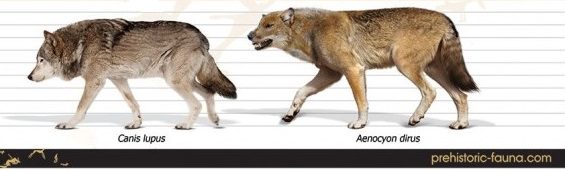
Of course, these animals aren't going to ever actually be dire wolves, just animals that are coded to look like them. Bringing back an animal from extinction is an impossible task, however the animals that can be de-extinct can offer a unique perspective into what life looked like on this planet thousands of years ago. Also, if this technology can actually be used to help save animals from extinction and this is just the start, then there seems to be a bright future ahead of this planet's biodiversity.

This experiment shows how far de-extinction science has come, even if the recreated animals aren’t true dire wolves. Editing modern wolf DNA to mimic extinct traits is still a major breakthrough, especially if the same tools can strengthen genetic diversity in endangered species. While we can’t fully bring back extinct animals, research like this gives us a way to protect the species we still have and learn more about Earth’s past ecosystems.
ReplyDeleteThis is such an interesting use of gene editing. It would be so interesting if this method would be used to bring back species that were extinct, but it could definitely be helpful to keep species from being endangered.
ReplyDelete