|
Photo of a nuclear reactor factory producing Dioxin residues, given by Medical News Today. |
Dioxin comes in a shape that no other human and animal can perceive. This chemical is one of, if not, the most dangerous available chemical out in the industrial market. However, Dioxin is proven to be emitted through other methods, far beyond the industrialist scope. Presence of Dioxin was observed in a region in Germany, most specifically, a chemical production plant in the country's backyard.¹ Dioxin was disregarded, presumptuously because of the ideas of revolutionizing production. Furthermore, formations of markets and culmination of modern-day industries added onto this shrugged off chemical conflict.
 |
| Photo provided by Environmental Working Group on the topics of Dioxin production. |
Dioxin's characteristics are relatively consistent. The National Institute of Environmental Health Sciences brands them to be a "persistent organic pollutant.²" This is due to the fact that one of their characteristics contributes to slow degradation upon being released into the environment. Some of the human concerns across the world regarding Dioxins "originate from waste incineration, both commercial and municipal," states the Environmental Protection Agency.³ In spite of this, Dioxins internationally remain, Germany's aforementioned history with Dioxin being a good example.
 |
| Photo of a Ohio Derailment Site that was reported to contain a "carcinogenic chemical," provided by The Guardian. |
Observing Dioxin at an international scope leads to some of the most populated countries across the world inheriting these chemicals. One of these said countries is China, a manufacturing industrialist powerhouse that holds the weight of contributing to phones, household appliances, and much more. A study in 2021 was conducted by scientists at the Research Center for Eco-Environmental Sciences, housed in Beijing, China. "The first PCDD/Fs emission inventory in 2004.. was 10.2 kg," scientists report, "..Dioxin reduction of China would be of great use to the world."⁴ China continues to battle with Dioxins as of 2025, especially when it houses a massive population on the country's own soil.
 |
| Demographic provided by the Eco-Environmental Science Center in Beijing, China. |
As stated from the Dioxin conflict with China, Dioxin emissions and methods for Dioxin waste dumps are severely detrimental to humans as well. This is in part of Dioxin's long-lasting survival amidst living in the atmosphere. The National Institute of Health further analyzed the effects of Dioxin, "Adverse health effects of Dioxin exposure .. cardiovascular disease, diabetes, cancer, porphyria .. altered growth factor signaling and altered metabolism.¹" Dioxin, through unsupervised waste dumping, "can get into drinking water through chemical factories," the Environmental Protection Agency adds.
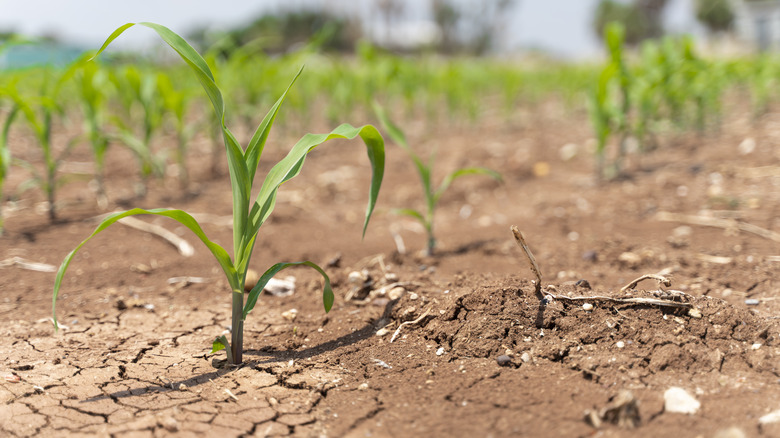
Photo provided by the National Institute of Environmental Health Sciences.
Dioxin, as a chemical threat, has been recognized by multiple governments across the world. Similarly, the United States government prevents the manufacturing, production, and trade of Dioxin products. European governments partook in the interest of regulating Dioxin chemicals, but have not successfully prevented or halted the chemicals production.⁵ Regardless of European factories comprising to being the backbone of the continent, regulatory levels of Dioxin is incomparably weak. Dioxin, as a chemical alone, must cease existing overall. Dioxin, overall, harms not only human wellbeing, but animal wellbeing as well. Maintaining Dioxin production is bearing the weight of a massive loss that is to come. Thus, action towards Dioxin internationally has yet to show proper progression.
References
¹ White, S. S., & Birnbaum, L. S. (2009, October). An overview of the effects of dioxins and dioxin-like compounds on vertebrates, as documented in human and ecological epidemiology. Journal of environmental science and health. Part C, Environmental carcinogenesis & ecotoxicology reviews. https://pmc.ncbi.nlm.nih.gov/articles/PMC2788749/#S4
² U.S. Department of Health and Human Services. (n.d.). Dioxins. National Institute of Environmental Health Sciences. https://www.niehs.nih.gov/health/topics/agents/dioxins
³ Environmental Protection Agency. (n.d.). Learn About Dioxin. EPA. https://www.epa.gov/dioxin/learn-about-dioxin
⁴ Jorg, R. (Ed.). (n.d.). Global status of dioxin emission and China’s role in reducing the emission. https://www.sciencedirect.com/science/article/abs/pii/S0304389421012292
⁵ Regulation - 2017/644 - en - EUR-lex. EUR. (n.d.). https://eur-lex.europa.eu/eli/reg/2017/644/oj/eng
Image References
MediLexicon International. (n.d.). Dioxins: Definition, dangers, sources, types, and more. Medical News Today. https://www.medicalnewstoday.com/articles/17685#sources
Dioxin | environmental Working Group. (n.d.-a). https://www.ewg.org/research/dioxin
Guardian News and Media. (2023, March 17). Levels of carcinogenic chemical near Ohio derailment site far above safe limit. The Guardian. https://www.theguardian.com/us-news/2023/mar/17/norfolk-southern-derailment-east-palestine-ohio-carcinogenic-chemical-levels