Saturday, July 31, 2021

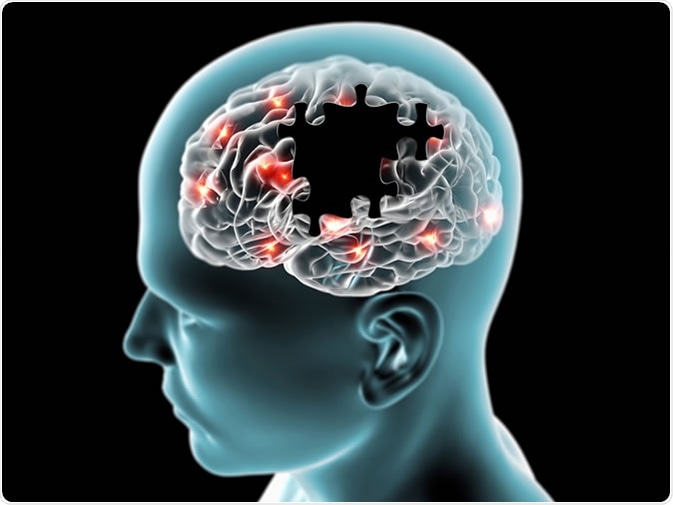
Alzheimer's: Development and Degenerating Neurons

 Alzheimer's Disease | Definition, Causes, Diagnosis & Treatment


Alzheimer's is a very complex and heartbreaking disease, with no great understanding of how it develops or how to cure it, causing no forms of any type of treatment. Scientists at the Salk Institute decided to grow neurons that resemble brain cells in older patients, and it shows that they start to lose their identity. They are shown to be markers of stress, and tend to resemble cancer cells which is also linked to aging. 

In the study they conducted comparing skin cells with Alzheimer's affected patients, they discovered that the Alzheimer's cells had a lack of synaptic structures, which are important for sending signals to each other. They also had changes in their signaling pathways, which control cell function, indicating that the cells were stressed. Additionally, they found the Alzheimer's neurons had very similar molecular signatures to immature nerve cells found in the developing brain, meaning they lose their mature identity. 

Hopefully with these new insights and further research, there can be a new therapeutic treatment for Alzheimer's patients. This could substantially change the path for the patient and for their families when dealing with this life-changing disease.


Links:

https://www.sciencedaily.com/releases/2021/04/210427113813.htm

https://www.alz.org/alzheimers-dementia/what-is-alzheimers

Stanford Device Allows for Thousands of DNA Enzyme Experiments To Be Performed At the Same Time

    Enzymes have the power to catalyze the formation of many types of genetic materials. Scientists often use enzymes to speed up their experiments and synthesize desired materials quickly. One of the problems scientists encounter when using enzymes in experiments is that they often need to perform multiple enzyme reactions at a time, a process that can be time consuming and tedious. Scientists at Stanford university have recently created a machine that is able to run thousands of DNA enzyme experiments at once. This machine is called HT-MEK , standing for High-Throughput Microfluidic Enzyme Kinetic. Researchers claim that the HT-MEK machine can condense years of work into a few weeks. Before this new machine scientists where forced to only be able to observe the small active site of the DNA enzyme. Since the HT-MEK machine allows for multiple enzyme reactions to occur at once it allows for scientists to see how all locations on the DNA enzyme interact with one another and not just the active site. HT-MEK helps piece together how DNA enzymes work. Intentional mistakes were inserted into the DNA blueprint of an enzyme that passed through the HT-MEK machine so that scientists were able to see how the mistake affects catalysis. This process without the HT-MEK machine would be very time consuming and expensive. The HT-MEK machine simplifies the process by allowing for the multiple enzyme reactions to occur at the same time which not only saves time but also makes it easier to see how the parts of the enzyme work together during catalysis. 
      The implications and uses of the HT-MEK machine are still being discovered. Scientists predict that this new machine will help make many scientific processes more eco-friendly as the current industrial chemicals used in enzyme reactions are not very sustainable. The HT-MEK machine uses less chemicals than traditional enzymatic catalysis experiments. In the medical field this new machine could help rapidly catalyze the formation of products that can be introduced into human DNA to help cure genetic conditions. The creation of the HT-MEK machine opens up a world of possibilities in the Health and Human DNA fields.   

Article Link: https://scitechdaily.com/stanford-device-enables-thousands-of-synthetic-dna-enzyme-experiments-to-run-simultaneously/

Related Link: https://qbi.ucsf.edu/seminar-markin#

Coronavirus Mutations Could Alter the Results of PCR Tests


    The PCR (Polymerase Chain Reaction) is the test commonly used to detect the genetic material found in the Covid-19 virus among people. It consists of a nose swab to collect the material which is then placed in a machine that analyzes it and gives a result within a day or up to a few days. Researchers have found that Coronavirus mutations are able to hinder the detection of the Covid-19 virus by PCR tests. These mutations occur within the E Gene within Coronavirus DNA. The mutation on the E gene prevents the PCR primer from binding with the Covid-19 DNA and therefore prevents the detection of the virus. Researchers discovered this mutation within the E Gene by looking at the sample of Coronavirus DNA found in people who received false negative PCR test results for Covid-19. It was found that the Coronavirus DNA found in those who tested false negative for the virus had a lot more mutations on the E gene than the Coronavirus DNA of people who correctly tested positive. Virologists say that this is no immediate cause for concern as these mutations are still relatively rare. They are urging that people get tested using tests that look for more than one target to ensure that people are correctly diagnosed with the Coronavirus. The FDA has been monitoring Coronavirus mutations and how they interfere with Covid-19 testing methods. It is important that the manufacturers of Covid-19 tests convey the limitations of their tests to help prevent incorrect test results.   

Link to Article: https://www.the-scientist.com/news-opinion/coronavirus-mutations-could-muddle-covid-19-pcr-tests-68772

Related Link: https://my.clevelandclinic.org/health/diagnostics/21462-covid-19-and-pcr-testing

Study Suggests Tardigrades Might Be Limited to Black and White Vision


    Image Citation: Gulli, Cathy. “Water Bear.” Maclean's, Maclean's, 26 Nov. 2015, www.macleans.ca/society/science/meet-the-water-bear-the-worlds-toughest-animal-and-genetic-marvel/#gallery/week-in-pictures-november-27-2015/slide-1. 


 Tardigrades, also known as water bears, are microscopic animals with eight legs and are highly resistant to extreme conditions. Radiation, the vacuum of space, and harsh temperatures are no match for the tardigrades' ability to survive. A recent study involving these tough creatures suggests that they might not be able to see in color due to lacking proteins called opsins, which are light-sensing proteins. A research team in Japan, led by James Fleming, utilized genetic analysis to verify if opsins are activated in two tardigrade species, Ramazzottius variornatus, and Hypsibius exemplaris. The team found that Ramazzottius variornatus has active opsins. However, this species of tardigrade lacks eyes, making the idea of this species "seeing" difficult for researchers to understand. The researchers suspect opsins have a purpose in this species, although that purpose remains a mystery as of now.

On the other hand, the second species of tardigrade, Hypsibius exemplaris, does have eyes, which are very simple and cannot detect images, but lacks opsins that react to multiple different types of light. The ability to detect numerous different types of light is an essential feature in detecting light of different colors. More research is needed to determine whether tardigrades are completely colorblind or not, as the research team leader noted that, "Color vision in general is a very messy topic." It was also pointed out in the article that directly testing the eyes of water bears would help researchers know for certain whether or not tardigrades are completely colorblind or not. By researching and expanding our knowledge on tardigrade eyes, we can better understand these animals and how they function. By doing so, we can gain a better understanding of life in the microscopic world.


Link to Article: https://www.sciencenews.org/article/tardigrade-water-bear-vision-color-light


Link to Supporting Study: https://academic.oup.com/gbe/advance-article/doi/10.1093/gbe/evab164/6320065


Maintaining a Healthy Lifestyle Could Possible Reduce Genetic Risk of Cancer


    Dr. Guangfu Jin at Nanjing Medical University performed genetic research that determined that healthy lifestyle factors, including low body mass index, abstinence from smoking and drinking, and regular exercise correlated with a decrease in cancer, even in those with high genetic risk. Researchers are able to determine personalized estimates of an individual’s risk of developing cancer, which are known as polygenic risk scores (PRS), based on each unique combination of changes that influence cancer risk in areas of DNA. Jin and his colleagues calculated individual PRS for 16 cancers in men and 18 in women, and using statistical methods combined these scores into a single measure of cancer risk. 

    The results of this study show that patients with an unhealthy lifestyle and the highest quintile of genetic risk were 2.99 times more likely in men and 2.38 times more likely in women to develop cancer as opposed to those with a healthy lifestyle and the lowest quintile of genetic risk. Individuals at a high genetic risk of overall cancer can be identified by PRS, and this risk can be attenuated by adopting a favorable lifestyle. Jin stated that “these findings indicate that everyone should have a healthy lifestyle to decrease overall cancer risk”, which is particularly important to those with high genetic risk of cancer. Jin hopes that the CPRS were useful in improving one’s self-awareness of their inherited susceptibility to cancer and motivating them to maintain a favorable and healthy lifestyle.

Link to Study: https://cancerres.aacrjournals.org/content/early/2021/07/29/0008-5472.CAN-21-0836

Link to Article: https://scitechdaily.com/healthy-lifestyle-may-help-mitigate-high-genetic-risk-of-cancer/


Friday, July 30, 2021

Cancer Comparisons from Medieval to Present

 Medieval bones yield 1000-year-old leprosy genome | New Scientist


Since the dawn of technology and advances in science, it can be commonly believed that the cause of cancer comes from almost anything modern, like cigarettes, modified nutrition, machinery, and radiation, etc. The University of Cambridge has trumped that belief by using X-Rays and CT scans on medieval bones to search for osteosarcomas, which in deed do exist. "The investigators found rates of cancer about 10 times higher than had been previously discovered through examining only the bones' exteriors for lesions." The researchers found signs of cancer mostly in the pelvis. They projected a higher estimate of 9% to 14% because CT scans detect bone metastases about 75% of the time, and only one-third to one-half of cancer deaths involve spread to the bone.

Jenna Dittmar, an archeologist at the University of Aberdeen in Scotland had mentioned, "Until now it was thought that the most significant causes of ill health in medieval people were infectious diseases such as dysentery and bubonic plague, along with malnutrition and injuries due to accidents or warfare." In reality, in modern Britain, about 40% to 50% of people have cancer by the time they die, and it has been that way since back in 3000 BC.

Cancer is not new, and has its own ways of starting regardless of human artificial factors.


Links:

https://www.usnews.com/news/health-news/articles/2021-04-30/cancers-far-more-common-in-medieval-times-than-thought

https://www.cancer.org/cancer/cancer-basics/history-of-cancer/what-is-cancer.html


Penicillin Allergies May be Linked to One Immune System Gene


    Penicillin is one of the most popular antibiotics but it is also one of the most common drug allergy causes. The effects of this Penicillin allergy include wheezing, hives, and more. Scientists have linked this Penicillin allergy with a genetic variation on the immune system gene HLA. Genetic variations within this gene were also linked with adverse reactions to HIV/AIDS medicine. To find this correlation between the variation in the HLA gene and allergy to Penicillin researchers looked through genetic records of people who reported that they shared this allergy. The researchers combed through the DNA of these people and found one thing in common among all of them, a variation on the same spot of chromosome 6. This variant was named HLA-B*55:01. These findings were then confirmed when researchers cross referenced their findings with genetic data from "23 and Me" that further confirmed the genetic variation in the HLA gene. Scientists are optimistic about these findings because they can use them to help people overcome their allergies to Penicillin and other antibiotics. Scientists now need to come up with a way to override the variation on the HLA gene in chromosome 6 to prevent this resistance from occurring.

Article Link: https://www.sciencenews.org/article/penicillin-allergies-immune-system-genetics

Related Link: https://www.sciencedirect.com/topics/medicine-and-dentistry/penicillin-resistance

Rescuing Children Born Without Immune Systems With HIV Gene Therapy Methods

    Experimental gene therapy leads to 48 out of 50 young children born without immune systems being able to acquire an essentially normal immune system.  Children born without an immune system can experience life-threatening illnesses from simple day-to-day activities. 50 of the young children had a form of immune deficiency called ADA-SCID. This is where a faulty gene causes a buildup in the bloodstream with a common and natural biochemical called adenosine. By utilizing experimental gene therapy inside a newborn's body the genetic defect that causes immune deficiency is able to be fixed. The procedure uses a modified, harmless version of AIDS-causing human immunodeficiency virus (HIV) in order to cure the patient.  During the procedure, doctors extract some of a child's bone marrow and expose it to a modified version of HIV containing a cloned, normal copy of their broken gene. "We collect blood-forming stem cells from the bone marrow of these patients, bring them to the laboratory, use this lentiviral vector to insert this normal gene into their stem cells, and then they're given back to the patients by intravenous infusion," said lead researcher Dr. Donald Kohn. Then children undergo chemotherapy to destroy their faulty bone marrow, and the new genetically modified cells are put back in as a replacement. Children who have had this procedure have not needed any other medical assistance pertaining to their previous immune deficiency after the gene therapy.

Helpful Links:

Gene Therapy Uses HIV to Rescue Kids Born Without Immune System

Adenosine deaminase deficiency


By Katherine Morone

Thursday, July 29, 2021

Noninvasive Prenatal Testing (NIPT)


Noninvasive Prenatal Testing is a procedure used to determine the genetic code of a fertilized baby, while it is still in the first trimester. The purpose of this procedure is intended to make sure non-desirable traits are not inherited from family tree's that have a history of these traits. The procedure is done by something as simple as a blood draw. Once the blood is drawn from the maternal parent, the blood is sent to a laboratory and examined by geneticists. The results would return in 8 to 14 days. 


Link:  1https://medlineplus.gov/genetics/understanding/testing/nipt/#:~:text=Noninvasive%20prenatal%20testing%20(NIPT)%2C,in%20a%20pregnant%20woman's%20blood.

Link: https://www.mayoclinic.org/tests-procedures/noninvasive-prenatal-testing/about/pac-20384574

Cats and Their Importance to Studying Human Genetics and Medical Science


    Dr. Leslie Lyons, a professor in the Department of Veterinary Medicine and Surgery at the University of Missouri, says that there are many reasons that cats and their diseases can be valuable models for the study of human diseases. Dr. Lyons believes that cats are extremely underappreciated in the scientific community, but after extensive research determined that the cat genome is organized in a manner that is similar to that of the human genome. Dr. Lyons recognizes that pets can get similar diseases to humans, which can help gain a better understanding if they know how their genomes are constructed. Cats can also be an asset in gaining a better comprehension of genetic “dark matter”, making up roughly 95% of our DNA, yet 10% of noncoding genes within the dark matter of the genome are conserved across mammals. Studies have shown that cats can have genetic diseases as a result of dysfunctional genetic dark matter, which can make them a great model organism for these types of studies. Cats can also provide more information about the human genome because of the fact that we have the technology to clone cats and make transgenic cats. The first cloning of cats saw results that disagreed with Mendel’s laws and other genetic principles, and researchers were just beginning to understand that something was happening within these genes. On top of this, cats can also provide unique information relating to precision medicine for genetic diseases. As opposed to treating these symptoms, researchers are able to fix the actual gene that is dysfunctional and change what it does. If these diseases are able to be treated via precision medicine in cats, this information can be transferred over to humans in the future. Although cats have been around for thousands of years, the bias stands that it is a dog world. These recent studies, however, revealed that cats are closer to humans than dogs are, in genetic terms, which could possibly make cats man's new best friend.

Link to Study: https://www.sciencedaily.com/releases/2021/07/210728111322.htm

Link to Article: https://www.nytimes.com/2021/07/28/science/cats-genome-health.html


Wednesday, July 28, 2021

Blind Man’s Vision Partially Recovered With Optogenetic Gene Therapy


Image Credit: Natali_Mis, et al. “Natali_Mis/Istockphoto.” DallasInnovates.com, Dallas Innovates, 22 June 2021, dallasinnovates.com/bedford-biotech-restores-meaningful-vision-in-blind-patients-with-gene-therapy-and-may-soon-go-public/.


Researchers found with a particular type of gene-based therapy, a man with retinitis pigmentosa gained limited vision. Retinitis pigmentosa is a genetic disease that causes the death of light-gathering cells in the retina of the eyes. The fifty-eight-year-old man was treated with optogenetic therapy, which utilizes a protein sensitive to light and forces the nerve cells to fire off signals when they are struck with a particular light wavelength. Optogenetic therapy is different from conventional gene therapies, which can help to either stop or slow the progression of degenerative eye diseases but do not help those who have already gone blind. 

The researchers, Sahel, Roska, and other team members, used a light protein sensitive to amber light for their clinical trial. The team then used an adeno-associated virus to insert the instructions for making the protein into the ganglion nerve cell layer, which fires messages to the visual parts of the brain. After this treatment, the man was given a pair of goggles that produced amber light pulses to his eyes. With these goggles and the treatment, the man was able to identify objects and count them compared to before the treatment, where he was unable to identify motion or objects. The study team emphasizes that the man needs the goggles to see still as the pulses produced by the goggles make the nerve cells fire off and therefore enables the man to see. While there is only one patient who has shown improvement so far, this progress lays down the foundation for more research on the treatment of degenerative eye diseases. It will help to guide scientists to even better results in the future.


Article Credit: https://www.sciencenews.org/article/blindness-retinitis-pigmentosa-gene-therapy-vision-optogenetics


Link to study: https://www.nature.com/articles/s41591-021-01351-4


Tuesday, July 27, 2021

The Effects a Person's Genetic Coding has on Their Ability to Tan


    Whether someone says it or not, when school ends in May everyone has a goal to come back in September tan enough to turn some heads. For some people, it's easy. They can go to their local swim club, lay out for a couple hours a week and achieve tan skin. In contrary others can sit on the beach everyday for a week and end up like this guy. What is the reason for this? Does a person's DNA encoding play into their tanning success? According to Geneticist Marina Sumarocca of Stanford University there are two main factors that come into play when determining someone's susceptibility to tan, burn, or nothing. The first is your natural skin color, the second is your skin's natural response to sunlight. The body's natural skin color is determined based off the body's production of a pigment called melanin. The more melanin in a person's body, the darker their skin is. There are dozens of genetic codings that play into how much melanin is produced by melanocytes, this is why it is so rare to find someone with the same exact skin tone as you. When you sit in the sun all day at the beach, UV Radiation is coming from the sun and your skin is absorbing it. This is what causes either a tan or burn. Melanin can be seen as natural sun screen, if you produce a lot of melanin you will naturally have a dark complexion. This person's body is more equipped to absorb UV radiation, thus a burn does not appear. Whereas someone who has a pale skin tone, and does not have much melanin in their skin would produce a gnarly burn on their body. 


    In the past 50 years, medical advancements have been made on the knowledge of skin cancers. There are three primary skin cancers, cutaneous malignant melanoma, basal cell carcinoma, and squamous cell carcinoma. In the past half century the amount of skin cancer diagnoses has tripled. This is not because people are in the sun more, just that doctors and geneticists are now able to identify unusual markings on the skin easier than before. The cause for these skin cancers directly comes from mutations caused by UV exposure. UV radiation can come from other places besides the sun, like tanning beds. In a study done by physicians, 61 of 63 women diagnosed with melanoma before the age of 30 had used tanning beds. 

Link: https://genetics.thetech.org/ask-a-geneticist/does-ability-tanburn-have-something-do-genetics

Link:https://medium.com/genome-link/how-is-tanning-ability-encoded-in-your-dna-a6b11a3f81d5#:~:text=According%20to%20the%20study%20we,susceptibility%20is%20not%20fully%20understood.

Link:https://www.skincancer.org/blog/5-myths-indoor-tanning-busted/

Monday, July 26, 2021

RNA Breakthrough Leads to Increased Food Production


A group of scientists from the University of Chicago, Peking University, and Guizhou University have manipulated RNA in a way that increased drought tolerance in plants and also allowed them to produce over double the amount of crops. These scientists added the FTO protein to both rice and potato plants. The FTO protein is the first of its kind to erase chemical marks on RNA. Researchers had already come across the phenomenon of this protein's effect on RNA as they had observed this increased cell growth in humans and animals.

Adding the FTO protein to the plants resulted in increased rates of photosynthesis, larger plants, longer root systems, and more drought-tolerant crops. While this may be beneficial to food production, the FTO gene is also responsible for the increased risk of obesity. While there is a downside to this experiment, there are significant upsides as well. First and foremost, many parts of the world continue to suffer hunger challenges, a climate change crisis, among other pressures. Increased crop production can prove to be incredibly beneficial to the ecosystem. We as humans use plants for just about anything and everything: food, medicine, oil, and much more. Not only can this discovery address the food insecurity crisis, but it addresses issues of poverty as well.

With the global population increasing each year, we must continue to make scientific advancements to address global issues such as climate change, hunger, and poverty.


Article Link: https://news.uchicago.edu/story/rna-breakthrough-crops-grow-50-percent-more-potatoes-rice-climate-change


Related Link: https://www.ncbi.nlm.nih.gov/pmc/articles/PMC2906751/

Sunday, July 25, 2021

Are Your Painful Headaches due to Your Genes?


            The phenomena classified as "cluster headaches" previously had no explanation in sight, that is until researchers at the Karolinska Institute in Sweden conducted an experiment with patients. The researchers retrieved 500 blood samples from patients who had cluster headaches and found two areas in their genes that could be the reasoning for their pain. The researchers in Sweden then collaborated with others in Britain to test another 850 patients, where another two genetic areas were found to have influence. Then with some more research from the Netherlands and Norway were compiled with the already found data and a few more areas were linked to the cluster headaches. The areas that are linked to cluster headaches genetically are: neuroinflammation, sleep-wake cycles, pain signaling, and migraines. Although there is now a base amount of information regarding the origins of this painful phenomena, there is still more research to be done; and the Karolinska Institute plans to do so with a large scale research plan involving both genetic samples and clinical data. Hope is in sight for those with painful headaches!

https://www.usnews.com/news/health-news/articles/2021-07-19/geneticists-probe-origins-of-painful-cluster-headaches

https://pubmed.ncbi.nlm.nih.gov/20425202/#:~:text=Cluster%20headache%20(CH)%20is%20a,amount%20of%20heritability%20is%20unclear.

Saturday, July 24, 2021

The Eczema Gene


    Eczema, otherwise known as atopic dermatitis, is a condition that affects over 31 million Americans. While the condition develops in early childhood, one can be diagnosed with the condition at any point in their lifetime. While there is no cure for eczema, recent scientific breakthroughs are revealing more about the genetic background of the disease. A study conducted in August of 2020, showed that two main mutations occur in eczema patients involving the KIF3A gene and the FLG gene. The KIF3A gene is responsible for skin barrier function. The mutation on this gene is what causes the onset of atopic dermatitis and impaired skin barrier. In addition, mutations in this gene promote skin dehydration causing the eczema itch. Furthermore, the FLG gene mutation comes with an increased risk of developing asthma. This is why many eczema patients are also asthma patients. This gene mutation may also increase the risk of hay fever, food allergies, and skin sensitivities.

    Overall this study had groundbreaking findings that allow people to understand the genes involved in the development of eczema. Knowing which genes are mutated allows researchers to potentially find a cure for eczema, or at least be able to conduct better genetic testing to identify high-risk eczema in infants, and thus treat them accordingly.

Article Link: https://www.healthcentral.com/article/eczema-genetic-clue

Related Link: https://medlineplus.gov/genetics/gene/flg/#:~:text=Individuals%20with%20FLG%20gene%20mutations,the%20person%20has%20atopic%20dermatitis.

Most of Human DNA Is Not Actually "Human"


 (Harel, Maayan, and Ewen Callaway. “Portrait of a Denisovan Girl.” Nature.com, Nature, 19 Sept. 2019, www.nationalgeographic.com/science/article/dna-reveals-first-look-enigmatic-human-relative.)


    A study conducted by researchers at the University of Santa revealed that most "human" DNA is not human. The research team discovered that the percentage of distinctive human DNA ranged from only 1.5 to 7 percent of the entire human genome. The researchers are currently unsure what the distinct human DNA does yet, but the genes scattered throughout the genome typically had genes connected to brain development and function. This suggests that the evolution of the brain was critical in shaping modern humanity. Much of the DNA contained in the human genome appears to have come from ancient human ancestors, such as Neandertals, Denisovans, hybrids of ancient humans, and unknown human ancestors. The researchers emphasized that their results did not mean individuals are mostly Denosivan or Neandertal, but rather that individuals may contain Neandertal or Denisovan DNA in their genome. From the data collected, about half of the overall genome has regions where one or multiple individuals inherited DNA from Neandertals or Denoviosons. This makes sense considering humans and Neandertals and humans separated evolutionary-wise about 600,000 years ago. This is when the "evolutionary bursts" occurred when distinctly human DNA arose in the human genome. The second burst occurred only 200,000 years ago. This study demonstrates how greatly the human genome was affected by other hominid species. By understanding more about how human ancestors impact the genome, we can better understand our DNA.


Link to article: https://www.sciencenews.org/article/only-a-tiny-fraction-of-our-dna-is-uniquely-human


Link to supporting study: https://advances.sciencemag.org/content/7/29/eabc0776


Friday, July 23, 2021

Terrific Tumor Testing Turnaround?

 Cancer is one of the leading causes of death in the United States, and being diagnosed can be one of the most devastating things one can go through within their lifetimes, especially if the cancer had previously gone undetected and has advanced into more and more severe stages of growth. That being said, however, there is a new type of early detection in regards to cancer, known as the GRAIL Galleri test. This test searches for ctDNA within the bloodstream in order to see if dead cancer cells are present, inferring live cancer cells are still around of the same type. While it does not detect all cancers, some of the most common variants have significantly high sensitivities, such as ovarian, colon, cervical and even pancreatic cancer.

Circulating tumor DNA - Wikipedia

Original article: https://arsham.substack.com/p/is-this-the-holy-grail-for-cancer

ctDNA article: https://medlineplus.gov/genetics/understanding/testing/circulatingtumordna/

Thursday, July 22, 2021

Geneticists Discover How Mutation Can Lead to a Childhood Cancer, and a Drug to Reverse Its Effects


    Geneticists at a research institution in Dublin, Ireland have discovered how a gene mutation known as H3K27M causes diffuse midline glioma (DMG), which is an incurable, devastating form of childhood cancer. In these lab studies with model cell types, however, these geneticists also discovered a targeted drug that successfully reverses the effects of the mutation and slowly slows the growth of cancer cells. This landmark discovery gives a new understanding to the genetics of DMG, giving it a more therapeutic approach with hopes of better treatment in the near future. Adrian Bracken, a Professor at Trinity College School of Genetics and Microbiology, led this research, stating that the team has “taken a huge step forward in [their] study of DMG tumors and hope that the insights will help design and implement precision oncology-based treatment approaches in DMG patients in the future”. EZH2 inhibitor drugs have already received FDA approval for treatment of two types of adult cancer, so Bracken and his team propose that these drugs could be useful for kids with DMG as well. Overall, the findings of this monumental study were how the mutation H3K27M causes DMG, how to target this cancer-causing gene with a drug that slows the growth of cancer cells, and a model cell line for future targeted DMG approaches.


Link to Article: https://scitechdaily.com/geneticists-reveal-how-mutation-causes-a-devastating-childhood-cancer-use-drug-to-reverse-its-effects/

Link to Study: https://www.nature.com/articles/s41588-021-00897-w

Does ancestry increase genetic risk for IBD?


Around 6.8 million people suffer from irritable bowel disease globally. Like many diseases, IBD is genetic. For many years people believed that the Caucasian population was at the most risk of developing the condition. However, it wasn’t until recently that studies showed the African American population at higher risk for certain digestive disorders. A research team published the “first genome-wide association study of IBD in African Americans”. This genome study showed that certain regions of the genome associated with ulcerative colitis were only found in people of African American descent. In addition, researchers found certain genetic variants of IBD posing a direct risk to African Americans. These variants are connected to the CALB2 gene. Not only did this research lead to a shocking discovery, but it also shined a light on the issue of racial and ethnic disparity in research studies. Having little disparity allows researchers to get more generalized results.

This study not only helped us understand the role ancestry plays in genetics but also helps researchers realize the importance of studying gene-environment interactions, so there are fewer occurrences of missing heritability.


Article Link: https://www.futurity.org/african-americans-genetic-risk-ibd-2521232-2/


Related Link: https://www.nature.com/articles/456018a

Tuesday, July 20, 2021

Native American DNA can reduce risk of Alzheimer's Disease


Our genes influence illnesses such as cancer, heart disease, depression, and Alzheimer's. A recent study involved two researchers working to find out which genes affect people’s risk for certain diseases. During their research, they saw that there is a genetic region that is protective against Alzheimer’s disease. They used the method of admixture mapping to find the genetic causes of the disease. Specifically, they applied this method to a population of Caribbean Hispanic people who have a mix of Native American, African, and European ancestry. In doing so, these researchers found that individuals with Native American ancestry were less prone to developing Alzheimer’s disease. That said, simply identifying as or looking Native American does not protect against the disease. One must have Native American ancestry at a specific point in the genome to be less susceptible to the disease.

While this research may not lead to the cure for Alzheimer’s, this research is incredibly helpful to understanding the disease, its causes, treatments, and why certain ethnicities are more or less prone to this debilitating condition.


Article Link:

https://www.psypost.org/2021/07/mixed-ancestry-genetic-research-shows-a-bit-of-native-american-dna-could-reduce-risk-of-alzheimers-disease-61554


Related Link:

https://moneyweek.com/investments/stocks-and-shares/biotech-stocks/603570/investing-in-alzheimers-drugs

Potential Economical Ramifications from Genetically Modified Agriculture


        Since Mendel's theory of inheritance was adapted by the agriculture industry and the FDA approved consumption of the first genetically modified food in 1982, the price of popular seeds has gradually increased. The biggest growth has occurred in the last 25 years, as noted in the graph and in an article by farmaid, "USDA data show that the per-acre cost of soybean and corn seed spiked dramatically between 1995 and 2014, by 351% and 321%, respectively." The price of soybean and corn in groceries stores will not increase tremendously. These products will continue to undergo typical societal inflation along with other produce. The purpose of this article is to shine light on the growing difficulties smaller farmers will face to obtain enough seed to fill their acres of land. Corporate agriculture companies like Monsanto, DuPont, Syngenta, and Dow can afford these spiking prices in seeds because they are the ones raising the prices. The "Big Four" companies own 70% of the soybean market and 80% of the corn market. This dominance unequivocally makes it harder for the small-market farmer to obtain and grow corn and seed in their fields. 


https://www.farmaid.org/issues/gmos/gmos-top-5-concerns-for-family-farmers/

https://www.nature.com/scitable/topicpage/genetically-modified-organisms-gmos-transgenic-crops-and-732/


Monday, July 19, 2021

Whole-Genome Resequencing Reveals Origination of the Cannabis Plant in China


    A recent study was conducted at the University of Lausanne in Switzerland in order to determine the domestication history and cultivation origin of Cannabis sativa. This study added 82 further genomes to the 28 that had already been sequenced of the cannabis plant, making this the largest ever whole genome study. The resequencing of genomes unravels the previously unknown history of the cannabis plant, showing its roots in current northwest China. Cannabis was most likely first domesticated in the Neolithic Era around 12,000 years ago, and since then has spread around the world. 

    This study characterized the genetic relationships between Cannabis accessions using ML phylogeny, and the results showed a clustering into four separate groups. Each of the clusters found complete consistency with one another, showing that all current hemp and drug cultivars resulted from an ancestral gene pool represented by feral plants in China. Cannabis plants that originate in Central Asia are the “hemp” type, meaning they are tall, unbranched, and they produce fibers used for ropes and textiles. The original domestication and cultivation of Cannabis plants in the Neolithic Era around 12,000 years ago is affirmed by archaeological evidence of ancient cannabis seeds in pottery in China, Taiwan, and Japan. Overall, this study of whole-genome resequencing revealed the origination of Cannabis sativa in modern day northwest China.


Link to Study: https://advances.sciencemag.org/content/7/29/eabg2286

Link to Article: https://www.livescience.com/cannabis-origins-largest-genetic-study.html


Friday, July 16, 2021

PRC's Privacy Policy Predicament

 There are very few times in science when policy and politics make their way into the path of scientific advancement and inevitably slowing it down. More often than not, however, it is either due to a practice that many seem questionable, or, more nefariously, the individuals within power are attempting to influence their will into the areas of science. Very rarely do the two overlap, however a Chinese company that provides genetic testing in over 50 countries have some officials raising the alarm that such a database could lead to China developing advantages in numerous different fields.

http://www.niftytest.vn/images/image.jpg 

https://www.voanews.com/silicon-valley-technology/genetic-data-collection-chinese-company-presents-global-policy-challenge

https://medlineplus.gov/genetics/understanding/testing/nipt/ 

Thursday, July 15, 2021

A Study Finds a New Mutation That May Have Led To the Coronavirus Transmitting to Humans


(“Food Safety and the Coronavirus Disease 2019 (COVID-19).” U.S Food & Drug Administration, FDA, www.fda.gov/food/food-safety-during-emergencies/food-safety-and-coronavirus-disease-2019-covid-19. )

        A recent study shows that the strain of coronavirus that swept the world in a devastating pandemic may have been able to infect humans via one mutation. This mutation, called T372A, is predicted by researchers to cause sugars that generally coat the virus's spike proteins not to be present. Researchers also indicated that the sugars obstructed the virus from getting into cells. The T372A mutation seems to enable the spike proteins of the Covid-19 virus to stick to ACE2 (a human version of a host protein). This mutation replaces the amino acid threonine with the amino acid alanine. This change led to the sugars of the spike protein no longer appearing on the protein's surface. The virus can utilize the ACE2 protein to infect humans.

Moreover, researchers found that viruses with this mutation could latch onto human cells more efficiently than the non-mutated version of the virus. Lab studies conducted by researchers found that the virus could replicate more efficiently in lab-grown human lung cells compared to the non-mutated version of the virus. While this discovery is a critical step to understanding how the virus was transmitted from humans and its origin, scientists note that it's likely a combination of mutations led to this occurring. By understanding what changes in the genetic sequences of the coronavirus led to its high transmission rate and its jump to infecting humans from animals, it can be treated more efficiently, and spread can be stopped to prevent another pandemic.

Link to the article: https://www.sciencenews.org/article/coronavirus-mutation-pandemic-covid-genetics-bat-human

Link to the study: https://www.cell.com/cell/fulltext/S0092-8674(21)00833-3


Monday, July 12, 2021

The Correlation Between DNA and the Coronavirus


Covid-19 has taken a major toll on the world claiming almost 4,000,000 lives globally. This raises the question: are certain people more susceptible to COVID-19 than others? An article from Science News talks about how DNA affects the severity of COVID-19. The article talks about a research study that was conducted. The study consisted of 45000 people diagnosed with COVID-19. Through research and testing, 13 different genetic variants were linked to an increased risk of becoming gravely ill with the virus. These variants included a genetic link between blood type and the likelihood of getting the virus. The variation showed that individuals with Type O blood were less likely to be infected with the virus, compared to other blood types. Another variant showed the disabling of the TYK2 gene, thus increasing the chances of becoming critically ill with the virus. While this variant increased the risk of death, it is also known to protect against autoimmune diseases. Finally, a variant known as the FOXP4 was linked to a more severe case of COVID-19. This variation was most commonly found among the Asian and Latino populations in America.

Overall, DNA has a profound effect on how an individual is affected by COVID-19. While we are unable to change our DNA, knowing that certain variations in DNA make some individuals more prone to COVID-19 allows individuals to take more protective measures against the virus.


Article Link: https://www.latimes.com/science/story/2021-07-08/how-your-dna-might-make-you-more-susceptible-to-covid-19


Related Link: https://www.latimes.com/science/story/2021-07-08/how-your-dna-might-make-you-more-susceptible-to-covid-19

Thursday, July 8, 2021

A New Study Reveals How Mutations in the HER3 Gene Can Impact Cancer Treatments For Mutations in the HER2 Gene


Hanker, Ariella, and Dan Ye. “‘Normal Breast Epithelial Cells Were Engineered to Express Mutant HER3 Alone, Mutant HER2 Alone, or Both Mutations. Cells Expressing Only the HER3 Mutation Formed Very Small Spherical Colonies in a 3D Matrix, Which Mimics the Tumor Microenvironment. Cells Expressing Only the HER2 Mutation Formed Large Spherical Colonies with Smooth Edges. However, Cells Expressing Both Mutations Formed Large Colonies with Invasive Branches, Indicating Cells Invading into the Extracellular Matrix.".” UT Southwestern Medical Center, UT Southwestern Medical Center, 24 June 2021, www.utsouthwestern.edu/newsroom/articles/year-2021/her3-gene-mutations.html. 

        A new study has found that mutations in the gene HER3, a gene related to the gene HER2, a gene often involved in breast cancers and other malignant tumors,  can increase activity that causes tumor growth. This study investigated how HER3 and HER2 interact in response to cancer treatment targeting the mutated version of HER2. The study leader, Ariella B. Hanker, Ph.D., stated that commonly only one mutant gene is targetted with a treatment drug. Still, this study demonstrated how other mutant genes must be examined with certain cancer patients. In clinical studies, it has been found that utilizing medicines that inhibit the mutant form of the HER2 gene’s functions can lead to tumor shrinkage. Certain patients, however, do not respond to these treatments, and their tumors did not shrink. Dr. Hanker, along with the study’s co-leader, Carlos L. Arteaga, M.D, looked into how the mutant forms of the HER2 and the HER3 proteins react to each other.  The study team first used a computer model, which displayed the proteins of the mutant forms of the HER2 and the HER3 genes binding together in a much stronger manner compared to the nonmutant forms of gene proteins.

 This prediction appeared correct in the lab when the study team combined the HER2 and the HER3 mutant proteins. Another computer model displayed that the HER2 and the HER3 proteins binding prevented inhibitor drugs targeting the HER2 proteins from binding together, thus rendering the drug ineffective. In response to these findings, Dr. Hanker has stated, “Patients that carry both HER2 and HER3 mutations are likely not going to be good candidates for treatments by HER2 inhibitors themselves,”. More so, Dr. Hanker also states, “By also inhibiting the action of HER3, we can make some headway against these tumors.”. This remarkable study has shown how to treat forms of breast cancer caused by mutations in the HER2 and HER3 genes more effectively. By using drugs that also inhibit the function of the HER3 gene, doctors will be able to treat more cancer patients effectively. Hopefully, more will be able to overcome the disease with this newfound knowledge. 


Link to the article: https://www.utsouthwestern.edu/newsroom/articles/year-2021/her3-gene-mutations.html

Link to the study: https://www.cell.com/cancer-cell/pdf/S1535-6108(21)00284-1.pdf