Showing posts with label Genome Study. Show all posts

Friday, April 11, 2025

The Genetic Architecture of Bipolar Disorder

      The National Institute of Mental Health recently conducted a study on a diverse demographic of people who have bipolar disorder, and those who don't. It currently is the largest genome-wide study of bipolar disorder, with a total of 158,036 people with bipolar disorder and 2,796,499 people without the disorder. People across the globe took part in the study, and roughly 300 gene locations and 36 unique gene locations were identified and believed to be linked to the disorder. The heritability of the disease is very high, with reports of it being as high as 60-80%. Researchers believed the differences in genetic ancestry and bipolar disorder subtypes can lead to the different genetic architecture of bipolar disorder. 

It was discovered that there were exactly 298 significant bipolar disorder associated loci, an increase in discovery of bipolar disorder in comparison to previous findings, and an ancestry-specific association in the East Asian cohort. Bipolar disorder can be very polarizing due to the stigma surrounding it, even with 2.8% of American adults being affected by it. Many of the genetic and environmental factors effecting bipolar disorder were shared among individuals with the condition. The genetic architecture of bipolar disorder is different because it's heavily affected by the concentration of the subtype present. Hopefully through the use of linkage maps, more studies can be done on the loci associated with bipolar disorder and the possible prevention for it. 

Thursday, March 7, 2024

Fragile X Syndrome, What's New?

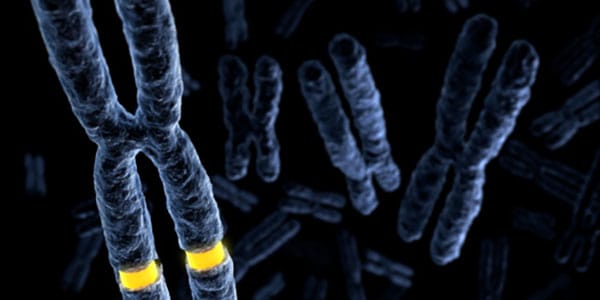
Recently as of January 18th, researchers have expanded their knowledge of the genetic mechanisms that underly Fragile X Syndrome. We know that Fragile X Syndrome (FXS) is "a genetic disorder caused by the gene FMR1". This genetic disorder is the most common form of an inherited intellectual disability and quite often goes hand in hand with some other conditions like autism and even epilepsy. Symptoms of FXS include developmental delays, behavior problems, social problems, as well as learning disabilities. 

The gene FMR1 is located on the X chromosome and the first part of this gene is made of a specific sequence. When the repeats of this sequence start to expand uncontrollably, this is what causes Fragile X Syndrome. The typical sequence should have less than 40 repeats while the mutation can have over 200 repeats.

Researchers have unveiled major insights about the genetic mechanisms causing the FMR1 mutation. They found that along with the uncontrolled repeating of the special FMR1 sequence, many other genes have been silenced. These genes that have been silenced have massive roles in making sure the brain works properly and also in building tissues.

This is a massive discovery for this particular disorder as it was previously not known why there was uncontrolled replication of the FMR1 sequence. The discovery of this cause of FXS has increased the understanding that people have of this disorder and is a large step to possibly finding a way to prevent this issue from happening with children in the future.


Sources:

(News article) https://www.nimh.nih.gov/news/science-news/2024/researchers-expand-understanding-of-genetic-mechanisms-underlying-fragile-x-syndrome

(Scientific article) https://doi.org/10.1016/j.cell.2023.11.019

(Image) https://www.cdc.gov/ncbddd/fxs/sm/sm-fragile-x-gene-600x300.jpg?_=56819

(Additional source) https://www.cdc.gov/ncbddd/fxs/facts.html

Thursday, July 22, 2021

Does ancestry increase genetic risk for IBD?


Around 6.8 million people suffer from irritable bowel disease globally. Like many diseases, IBD is genetic. For many years people believed that the Caucasian population was at the most risk of developing the condition. However, it wasn’t until recently that studies showed the African American population at higher risk for certain digestive disorders. A research team published the “first genome-wide association study of IBD in African Americans”. This genome study showed that certain regions of the genome associated with ulcerative colitis were only found in people of African American descent. In addition, researchers found certain genetic variants of IBD posing a direct risk to African Americans. These variants are connected to the CALB2 gene. Not only did this research lead to a shocking discovery, but it also shined a light on the issue of racial and ethnic disparity in research studies. Having little disparity allows researchers to get more generalized results.

This study not only helped us understand the role ancestry plays in genetics but also helps researchers realize the importance of studying gene-environment interactions, so there are fewer occurrences of missing heritability.


Article Link: https://www.futurity.org/african-americans-genetic-risk-ibd-2521232-2/


Related Link: https://www.nature.com/articles/456018a