Showing posts with label infertility. Show all posts

Tuesday, May 6, 2025

Microplastics Persist in Drinking Water Despite Treatment Plant Advances

 A recent review published in Science of the Total Environment highlights that microplastics persist in drinking water despite improvements in wastewater treatment technologies. These tiny plastic fragments—originating from everyday items like clothing, utensils, and personal care products—are extremely durable and widely found in the environment, including soil, water, and even the human body. The review, led by researchers at the University of Texas at Arlington, found that while wastewater treatment plants do remove a significant amount of microplastics, current methods are unable to eliminate them entirely. As a result, microplastics, often carrying other toxic pollutants like PFAS and antibiotics, continue to re-enter ecosystems and drinking water supplies.

This persistent exposure raises serious concerns about long-term health impacts, including cardiovascular disease, immune responses, and cancer. The study also points out a lack of standard definitions and measurement methods for microplastics, making it difficult to track and control their presence effectively. Researchers stress the need for standardized testing and stronger regulation, while urging consumers to reduce their own exposure—such as by choosing less synthetic clothing, since microfibers are a major source of plastic pollution. Overall, the review underscores the growing environmental and public health threat posed by microplastics and the urgent need for systemic solutions.

Wednesday, March 27, 2024

Successful Case in Genetic Counseling for Premature Chromatid Separation (PCS) Syndrome

Source: https://www.cureus.com/articles/109045-genetic-counseling-for-an-infertile-couple-with-premature-chromatid-separation-pcs-syndrome-a-case-report#!/

Additional Recourses:

https://www.ncbi.nlm.nih.gov/gtr/conditions/C1864389/

https://www.plannedparenthood.org/learn/pregnancy/fertility-treatments

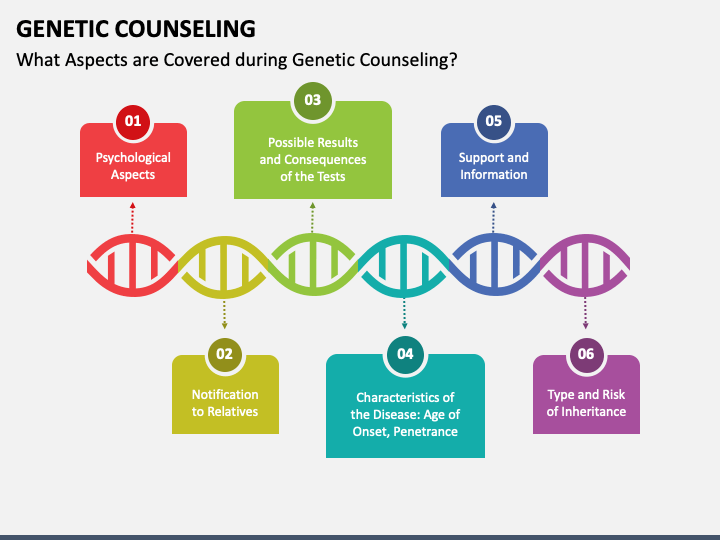
An article posted on Cereus.com documented the first successful case of genetic counseling for couples with Premature Chromatid Separation (PCS) Syndrome. PCS is a rare genetic syndrome found in only 40% of individuals. According to the National Library of Medicine, “Premature chromatid separation consists of separate and splayed chromatids with discernible centromeres and involves all or most chromosomes of a metaphase” (National Library of Medicine 2024). People that have this trait have no phenotypic symptoms, but there have been reports of decreased fertility for those who have it. People who seek genetic counseling can be provided with not only psychological support, but tests can also be run so information can be gathered to make a decision. 

The first successful test of couples who were treated for this syndrome occurred in August, 2016 on a wife that was 33 years old and had her third miscarriage at 10 weeks. They decided to run tests that showed an abnormal karyotype on the fetus, found to be 91, XXYY, -21, and was likely to be the cause of the miscarriage. Although the family tree indicated that the husband was a PCS carrier, a G-Band test confirmed that the husband was asymptomatic for PCS syndrome and PCS was not the cause of this couple's infertility. After further discussion, it was decided that the couple would continue infertility treatment as long as the husband stayed away from drugs such as  vincristine and vinblastine, and paclitaxel since carriers of PCS can be sensitive to them. In the end, the couple had a successful pregnancy in 2018. 

It is interesting to hear the great things that genetic counseling can do. In the beginning, this couple thought that they wouldn’t be able to have children as a result of PCS syndrome, but due to genetic counseling they were able to receive helpful information in order to make the decision to continue infertility treatment. I am excited to hear what else genetic counseling can do for people in the future! 


Monday, August 2, 2021

Genetic Engineering Can Suppress Population of Malaria-Transmitting Mosquitoes


    Recent studies and discoveries have allowed scientists to use genetic engineering in order to make female malaria-transmitting mosquitoes infertile, and therefore suppressing the population of these mosquitoes around the world. The lead researcher for this experiment calls it a “game-changer in bringing about malaria elimination”. This study, conducted at Imperial College London, Italy’s Polo Genomics Genetics and Biology, and the Liverpool School of Tropical Medicine, used “gene drive” technology for this study, which is a self-sustaining and fast-acting technology that can work simultaneously with other tools such as bed nets, vaccines, and insecticides. Using this type of technology, scientists are able to circumvent natural selection by inserting genetic instructions that are passed on through populations of mosquitoes, and in this particular case, that instruction is for infertility. This process is much quicker than if performed through regular selective breeding. This study also maps out the future effects of what can happen within 10 years of these self-destructive mosquitoes being released into the wild. “Gene drive” technology has been explored since 2003, but hit a bump in the road when researchers discovered that their gene drives vanished after a few generations due to mutations. This study identified a crucial sex determination gene, however, that is identical among these mosquitoes that are responsible for most of the malaria transmission in sub-Saharan Africa. The release of this gene drive into the population of malaria-transmitting mosquitoes can suppress the population size and potentially even rid the world of these mosquitoes.


Link to Study: https://www.nature.com/articles/s41467-021-24790-6?utm_medium=affiliate&utm_source=commission_junction&utm_campaign=3_nsn6445_deeplink_PID100093539&utm_content=deeplink

Link to Article: https://nypost.com/2021/07/29/genetic-engineering-may-eradicate-malaria-transmitting-mosquitoes/

Thursday, December 5, 2019

A Baby Was Born With DNA From 3 People

A technique where the mother's DNA is removed from her egg and then placed inside a donor egg from another woman is called maternal spindle transfer. The egg is then fertilized and evolves into an embryo and is then transferred for pregnancy. A woman who had many failed cycles of IVF was able to give birth to a healthy baby boy, with this technique. According to Dr. Jonathon Tilly, mitochondria plays a key role with the development of embryos and fertilization. An abundance of data gathered suggests that people who have an infertility/ poor egg and embryo condition have mitochondrial dysfunction or deficiency.

I think this is a very interesting topic, many times infertility is blamed on other things such as birth control (which have no proven side affects of this), but a mitochondrial dysfunction/ deficiency makes sense. I also think it is great that there have been successful cases with the spindle transfer technique. I hope this can help many women in the future who have trouble with infertility and seek to have children.

Image result for baby

https://time.com/5569057/three-parent-baby-dna/

Related Article:
https://www.newsweek.com/assisted-reproduction-ivf-maternal-spindle-transfer-three-parent-babies-1302044

Monday, April 13, 2015

Possibility for Same Sex Couples to have their own genetic children


A recent study performed at Cambridge University suggests same sex couples are a step closer to having offspring due to a stem cell research breakthrough. Research conducted has demonstrated it is possible to make human egg and sperm cells using skin. Not only does this study help gay and lesbian couples, but also men and women who are infertile.

Research was conducted using skin from five adults to create stem cells that make sperm and eggs in the body. In total, new cell lines were created from ten different donor sources.

The study suggests that same sex couples could have babies together in just two years, which is truly amazing. If the research follows through with this study and more developments are made, this will be a major breakthrough in science, helping tons of same sex couples and infertile men and women aspiring to be parents one day.


My article
Related Article

Friday, March 13, 2015

Gene found to drive fertility in male mice

Genetic research from the Freiman Laboratory found that TAF4b, a protein coded for sperm production in mice can affect the development of fertility in human males as well. The researchers linked their study to another study published last year of four infertile brother from Turkey with a mutated TAF4b gene similar to the one created in the mice. Researchers found that the loss of TAF4b in male mice resulted in premature infertility due to a mutation and prevent mice from undergoing spermatogenesis after a few months of sexual maturity. Male mice whose TAF4B gene was manipulated through homologous recombination were only fertile for a month or two, while mice with unmanipulated TAF4B gene were fertile for many years. The unmanipulated gene allowed the first set of cells to undergo meiosis to become sperm, but the other set of cells develop to become stem cells. This lead to researchers to hypothesize that the mice were able to undergo the initial round of spermatogenesis, but were unable to make stem cell populations for long-term fertility. In the future, the researchers hope the study would be useful to in the advancement of stem cell research, helpful in early detection of male infertility, and developing new areas of intervention for fertility preservation.

This study can form new treatments to treat male infertility and help with future family planning as many couples are starting families or having children much later in their lives. It can change the way couples approach infertility and it can become a deciding factor in how soon or late a couple wants children.

Original Link: http://www.browndailyherald.com/2015/03/10/gene-found-drive-fertility-male-mice/
Related Link: http://www.mayoclinic.org/diseases-conditions/male-infertility/basics/definition/con-20033113

Tuesday, November 11, 2014

Single Mutations Leading to Infertililty

In Tsukaba, Japan; scientists recently have been looking into the issue of infertility. They  have discovered that just one mutation in the "beta-catenin" gene can lead to infertility. The Beta-catenin gene is very much involved with with homeostatic and developmental processes.


The beta catenin is a protein that is used as a signaling pathway. As we get older it is known to "shut off" or be "deactivated" when necessary. This gene has been studied in mice very closely and the BRC research group noticed that mice with a single mutation to the beta catenin were having issues with reproducing. The research team created mice with single changes in amino acids, they were not able to reproduce naturally, but could do so through in-vitro fertilization. This showed that the problem was coming from a structural pathway instead of an issue with eggs and sperm.

This study with mice could help us find an understanding to the issue of infertility in some woman. Since mice and human amino acid sequence of the beta catenin are exactly the same, with more research of mice we might find a possible answer.

I find it interesting to read about articles that could lead to the helping of people who are having issues. For example the issue of infertility can be heartbreaking to some families and finding an answer to the issue could really relieve some people.

Article link: http://www.medicalnewstoday.com/releases/285136.php

Supporting link: http://www.rmact.com/getting-started/fertility-testing/genetic-testing


Thursday, May 1, 2014

Study turns skin tissue from infertile men into early-stage sperm cells

Scientists have currently turned skin tissue from infertile men into early-stage spermcells in a study that raises hopes for new therapies for the condition. It is said that about 1% of men cannot make any sperm, a condition known as azoospermia, while a fifth of men have low sperm counts
Live sperm seen through a microscope. The success of this was actually unexpected and has surprised many scientists. Most scientists thought that it was impossible for infertile men to make any sperm, but this breakthrough has defied those odds. Most of the men that took part in the study had many genetic defects on their Y sex chromosome which meant that they could not produce healthy sperm. In this study researchers took skin cells from three infertile men and converted them into stem cells, which can actually grow into almost any tissue in the human body.
Cyril Ramathal of Stanford University said, "What we found was that cells from men who did not possess sperm at the time of clinical observation were able to produce the precursors for sperm.”
The study found that the skin cells from the infertile men grew into fewer early-stage sperm cells than cells taken from normally fertile men. Even though this research has just started scientist suspect that the converted skin cells might have grown into mature sperm cells if they had been transplanted into the infertile men's testes. If this suspicion is confirmed then it would be possible to restore male fertility by taking the skin cells of men and turning them into stem cells.
This is a great discovery and I think that the research for this should continue. Infertility in men seems to be growing and is a tragic thing. So, this study will definitely help those men that are completely infertile.

Thursday, April 17, 2014

Protein Essential for Fertilization Discovered

Fertilization occurs when an egg and a sperm recognize each other and fuse together to form an embryo. In 2005, the Izumo protein, coded by the IZUMO-1 gene, was discover as the protein displayed on the sperm that recognizes the egg. But the protein on the egg that gets recognized was never known, until now. The  is Juno protein named after the Roman Goddess of fertility and marriage. Scientist found the Juno protein by making artificial Izumo proteins and using it to find where it binds best on the egg. Then the scientists from the Wellcome Trust Sanger Institute tested the affects of the absence of these proteins in mice and saw that it made them infertile. This interaction was so hard to find because it is a very weak interaction and also once fertilization occurs, the Juno protein becomes undetectable. This explains why once the egg is fertilized by one sperm cells, it shuts down its ability to recognize other sperm.
         This new information is extremely helpful. This can broaden the treatment of infertility in women. Doctors can finally examine the eggs of infertile women to determine if it is because of the lack of the Juno protein. Also this can create new forms of birth control which could maybe deactivate the Juno protein for a period of time.

Sunday, November 25, 2012

'Huddle' Gene Linked to Infertility

The discovery of a gene known as SRPK might become the most helpful discovery for people trying to become pregnant.  A correlation has been identified between the absence of this gene and infertility.  In order for development and fertilization to take place in the egg, chromosomes must gather together (referred to as huddling).  Studies that were performed with mice and fruit flies led to the huddling findings, which detail the formation of karyosomes (the clustered chromosomes).  

Further, two meiotic steps involving the kinase SRPK are now considered to be directly correlated to oocytes.  When there is a mutation or complete absence of the SRPK gene, meiotic chromosomes cannot group together and form a karyosome, which in turn restricts the assembly of spindle microtubules.  Without these spindles, oocytes cannot mature, thus leading to infertility or sterility.  There is still more research to be done on this whole process and the functions involving SRPK, but this is already a fantastic find that might leave hope for those who want to have a pregnancy, but currently cannot.

I am curious as to why SRPK might be absent some individuals.  That being the case, infertility would seem like an almost easy fix.  If scientists could figure out a way to either insert SRPK into the DNA or find another way to conjoin the spindle microtubules and form a karyosome, it seems the oocyte could mature.  With such complicated processes, however, I wonder if there are more causes for the absence of SRPK or other reasons as to why the chromosomes do not gather into the karyosome form.  With the simultaneous studies of both fruit flies and mice, hopefully a simple cure to infertility and sterility will be on its way sooner than hoped for!

Friday, November 23, 2012

Genetic Causes of a Male Infertility Disorder Revealed

A new study gives insight to the genetic alternations that cause severe spermatogenic failure (SSF).  Severe spermatogenic failure is a genetic condition that causes low sperm count and infertility.  The study published by Cell Press in the American Journal of Human Genetics reveals which alterations are the greatest risk factors for the disease, and they could be applicable in genetic counseling for assisted reproduction.  This study, first of its kind for the Y chromosome, helped researchers determine that two types of deletions account for 8% of severely low sperm count.


The most common known genetic causes of SSF are deletions in the Y chromosome's AZFc region.  Although six deletions in the AZFc region were reported, it was not known how prevalent they were in the general population or how the deletions increased the risk of the disorder.  Steve Rozen of Duke-National University of Singapore Graduate Medical School and his collaborators screened for the six deletions in more than 20,000 men from India, Poland, Tunisia, Vietnam, and the United States.  Two deletions were found, for the most part, to be largely responsible for the AZFc region's contribution to SSF.  The most common deletion, gr/gr was found in 2% of men, 2% of cases and doubled the risk of SSF.  The rare b2/b4 deletion found in less than 1% of men, increased the risk of SSF by a factor of 145 and accounted for about 6% of cases.  These findings can be helpful in genetic counseling when a man with the deletions seeks assisted reproduction to have a child.  This study will also lead to more clinical research regarding these deletions.  I think the new discoveries in genetics will lead to an increase in genetic counseling for individuals.

Tuesday, October 9, 2012

New Studies of Rats May Help Infertile Women

Many women who are of childbearing age cannot have children for a number of reasons. In fact, 10% of sexually mature women cannot have children for one reason or another, whether it is from an injury, radiation therapy or, most commonly, polycystic ovarian syndrome. However, an article on Science Daily states that scientists have been able to recreate eggs in vitro for female rats in an attempt to treat infertility. Over time, this research may be applied to female humans who cannot produce enough eggs to become pregnant.

Many infertile women use hormone replacement therapy to maintain their sexual characteristics. However, the hormone therapy does not replace ovarian tissue function. Since egg production is a function of the ovary, eggs are not produced. The goal of the surgeons experiment was to encourage the ovaries to produce progesterone and estrogen as well as stimulate egg production. They did this by extracting ovarian cells from a female rate and isolated them in a culture of nutrient-dense growth factors for one week. Next, the cells were put into a collagen gel where they were free to grow three-dimensional, rather than on a flat plane.

What they observed early on was that immature oocytes were protruding from clusters of ovarian cells. To help the oocytes mature, the surgeons developed a system that would keep them within the ovarian cells. The also found that the cells expressed germ cell markers which occur in early stage eggs. The oocytes began to form a membrane that forms around the ovum as it develops. The surgeons believe that these new oocytes can be matured to a certain point in humans. They would then be put back into the female patient where they could be fertilized naturally or in vitro and planted in the uterus. The woman would also not need any additional hormone replacement therapy.

While they were able to successfully create early stage eggs, much research still needs to be done before this can actually be applied to humans. Regardless, this finding is great news for any woman who is infertile and still wants to bear a child. It is amazing that science can help people in so many ways, this being only one of them.