Showing posts with label Genome Sequence. Show all posts

Tuesday, March 26, 2024

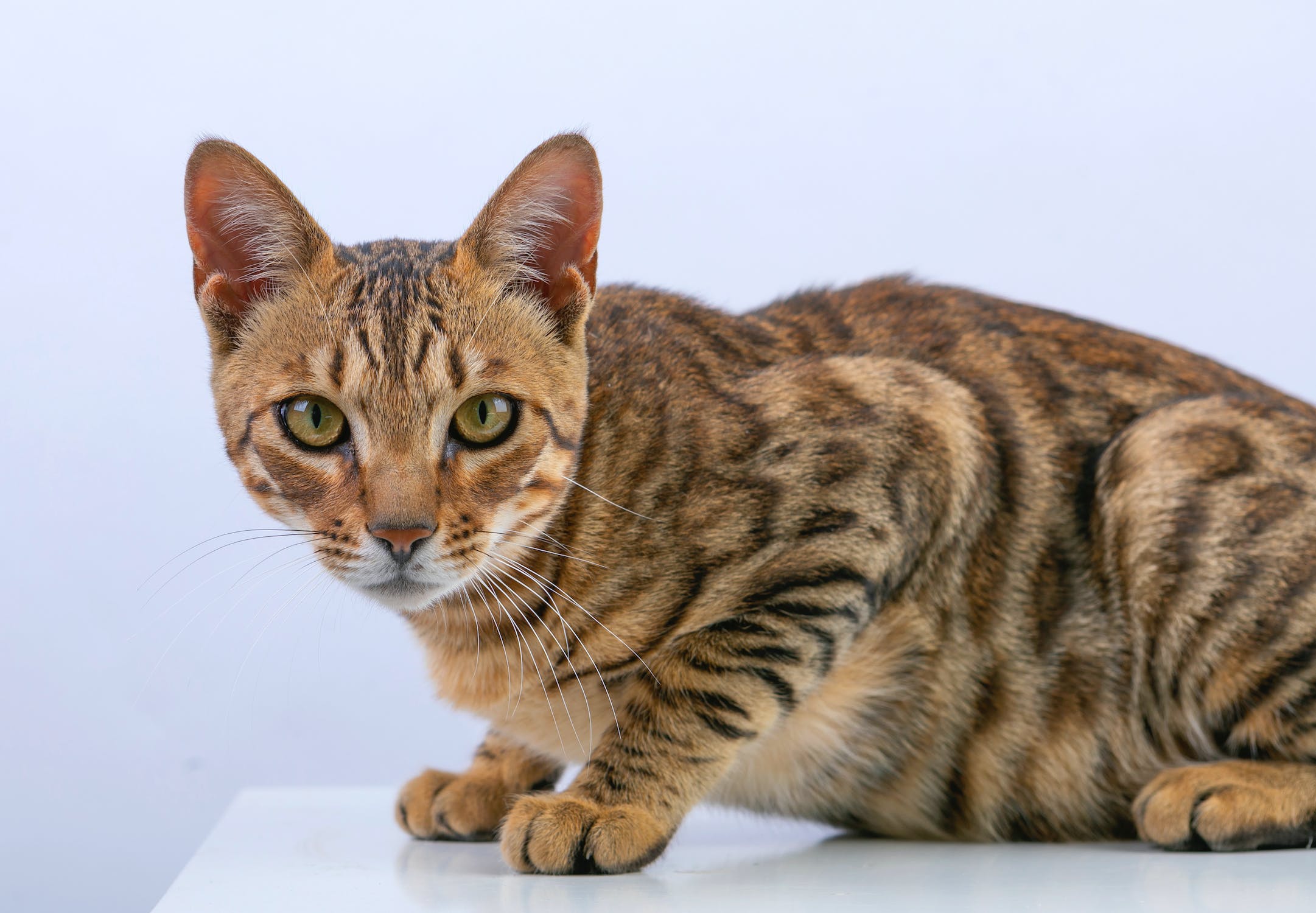
Are Bengal Cats Less Exotic than They Seem?

Source https://med.stanford.edu/news/all-news/2024/03/bengal-cats.html

Reference https://www.purina.co.uk/find-a-pet/cat-breeds/bengal


Sarah C.P. Williams’ article posted on Stanford Medicine stated that researchers at Stanford Medicine studied the origins of Bengal cat’s coats and determined that it most likely stemmed from domesticated cats. These cats were assumed to be bred from the genes of an Asian leopard and a house cat. Many people want bengal cats because of their wild-like leopard appearance but domesticated personality. However, it has been reported that the appearance of Bengal cats have always been around in domesticated cats. 

Researcher Gregory Brash and his colleagues sequenced 947 Bengal cat genomes and found that there were no parts of the Asian leopard cat genomes that would have been assumed to be found in all Bengals. Instead, the results determined that the appearance of Bengals was a result of genetic variations that were already present in domestic cats. In the end, it was decided that the ideal Bengal Cat coat could have been achieved with the simple domestic cat genome. 

This research is very interesting. Not only does it determine that Bengal cats are not as exotic as originally thought, but it also highlights the fact that many people are paying, on average $1,500 – $3,000 on a cat that is not actually what it seems. I am curious to see if the prices of Bengal cats decrease as a result of this study. 


Friday, February 2, 2018

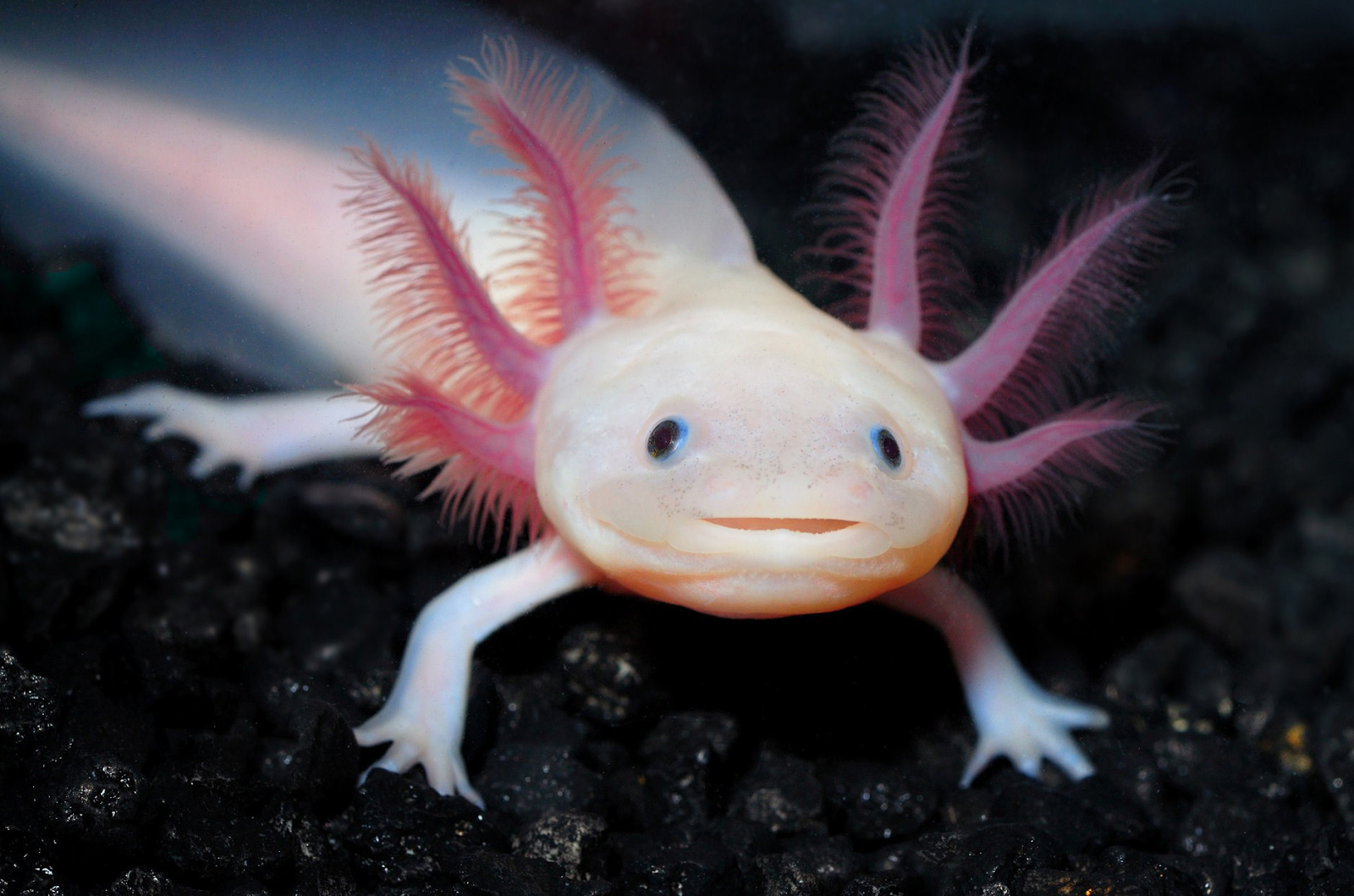
The Smiling Axolotl Hides a Secret: A Giant Genome


With 32 billion base pairs, the axolotl, also known as the Mexican salamander, is the largest genome ever sequenced! To put into perspective, that is ten times the size of the human genome, in which the human genome is already very complex. This creature is on the endangered list, however they are breeded in the laboratories because of their body’s unique structures and functions. Axolotl are able to repair broken parts of their bodies and regrow lost limbs, just as good of quality as before. For an example, “this salamander can heal a crushed spinal cord and have it function just like it before it was damaged.” These qualities are what make this specific animal incredibly interesting and worth researching. With this research, scientist can manipulate the genes of an axolotl and better understand how the genome effects cell behavior.

I think this discovery is fascinating because it opens a door of opportunity for researchers just like it did for those who studied Drosophila melanogaster and won a nobel prize. Also, it is amazing that with today’s advanced technology, genome sequence is becoming more easy and accessible. As a science major, I am excited and curious to see the next coming results after they further research the genes.

Thursday, December 14, 2017

Genome evidence shows Sumatran rhinos never recovered from Pleistocene period

Around 2011, it was expected that the Sumatran rhinoceros only had a population of about 200. Many are quick to blame recent human activities completely. While these activities drastically affect the rhinos,  a new study shows these rhinos were actually on a steady decline for quite a while. Researchers sequenced and analyzed the first Sumatran rhino genome recently and found that trouble for this species began around the middle of the Pleistocene period around one million years ago. The population of these rhinos peaked around 900,000 years ago and by about 12,000 years ago, these animals as well as many other mammals suffered. The most likely cause was global climate change. The seas rose and submerged the land bridges connecting islands to Asia. The habitat for these rhinos became fragmented and other pressures were put on them. The population bottomed out and never recovered. To come to this conclusion, an approach called pairwise sequential Markovian coalescent (PSMC) was used. This process makes it possible for one to elucidate population history off a genome from an animal. The research done by the team concluded that climate change in the past reduced genetic diversity of the rhinos. This then made them much more vulnerable to the pressures of more recent human activities. 

https://www.sciencedaily.com/releases/2017/12/171214140457.htm


https://phys.org/news/2017-12-sumatran-rhinos-recovered-losses-pleistocene.html


Wednesday, November 23, 2016

Big Cat DNA Is The Reason For Their Brink Of Extinction


Many "big cat" species of cheetahs, lions, tigers, and leopards have a conservation status of endangered all around the world. There are few of these big cat species or sub-species that are not at the very least vulnerable on the International Union for Conservation of Nature's Red List for Endangered Species. Scientists believe that their genetic make-up is to blame for these big cats on the bring of extinction. In a recent study done by a group of international researchers, the Amur leopard's entire genome sequence has been discovered giving insight on one of the most critically endangered of the big cats species. There are only forty Amur leopards left in the wild. This study of the Amur leopard's genome has led scientists to theorize that the reason behind the endangered conservation status of this species and so many other big scat species is due to their strict carnivore diet. Cats require the highest concentration of protein of any carnivore. They can not get their nutrients from plants, nor have their digestive systems ever adapted to process and digest plants. Their carnivore diet has led to much of their genetic code to change. Some of the changes are shortened digestive tracts, and digestive enzymes. Through evolution, big cats have become the most genetically optimized hunter. They have strong limbs, fast reflexes, night vision, flexible bodies, and the ability to run at high speeds. However, their genetic specialization has become a problem because it is too specialized to the point where it has become a disadvantage. According to the fossil record, specialization in carnivores has always led to shorter than normal extinction. Diet flexibility is important for an animal to have environmental adaptability. Herbivores and omnivores are able to change diets because their genes aren't as specialized as carnivores. Wildlife is diminishing on this Earth due to habitat destruction and pollution. When wildlife is at a rapid decline, big cats such as the Amur leopard do not have as many options for their prey anymore. Carnivores are at the top of the food chain which leads to smaller populations as well. Their specialized genes give them low genetic diversity and their small population sizes give them even more of a smaller gene pool. 


My favorite animals on Earth are all of the big ca variety. The realization that their carnivore diets have effected their genome sequence can possibly lead to realistic conservation solutions. Their specialized genes due to their diet and small population sizes have targeted them to only be able to live life a certain way that is not as possible because of humans effect on the earth. Humans are responsible for causing changes in the environment that hurt animals. However, with knowledge from this study and scientists working on using the information from the genome sequence there is a possibility that diet adaptability may be a conservational effort attempt in big cats. The genetic alterations of diet effects most of their genetic material. The most powerful animals on Earth are carnivores, but because of their inability to adapt, they are the most vulnerable in an ever-changing environment. I suppose the survival of the fittest is truly based on adaptability after all.

Sources:
Kim, Soonok, Yun Sung Cho, and Hak-Min Kim. "Comparison of Carnivore, Omnivore, and Herbivore Mammalian Genomes with a New Leopard Assembly." Genome Biology. BioMed Central, 2 Nov. 2016. Web. 22 Nov. 2016. <https://genomebiology.biomedcentral.com/articles/10.1186/s13059-016-1071-4>. 
Linderman, Raymond. The Trophic-Dynamic Aspect of Ecology. 23rd ed. Vol. 4. Hoboken: Wiley, 1942. Print. 399-417. 
Nature Works. "Natural and Human Impacts on Wildlife." Nature Works. New Hampshire Public Television, 2016. Web. 23 Nov. 2016. <http://www.nhptv.org/natureworks/nwep16b.htm>. 
Wilkins, Alasdair. "Big Cats' Meat-Eating Diets Push Them To Brink Of Extinction." Vocativ Animal News. Vocativ, 02 Nov. 2016. Web. 23 Nov. 2016. <http://www.vocativ.com/372344/big-cats-meat-eating-diets-extinction/>. 
World Wildlife Fund. "Impact of Habitat Loss on Species." Species Threats. WWF, 2016. Web. 23 Nov. 2016. <http://wwf.panda.org/about_our_earth/species/problems/habitat_loss_degradation/>.


Friday, November 6, 2015

There's a worm in my brain


A rare species of tapeworm has been detected living inside a 50 year old man’s brain, for four years. This man lives in England, is of Chinese decent and he visits his homeland regularly. The patient was administered to the hospital after complaining of headaches, memory loss, seizures and peculiar smell. Although the man appeared normal and tested negative for multiple disease testing, MRI scans were conducted. After administering several MRI scans over the course of four years, the doctors concluded there was a 5cm lesion traveling across his brain. The patient’s doctors then acted and took a biopsy of the man’s left thalamus. Their discovery was of a 1cm long larval worm that was ribbon shaped.
            Samples of the tapeworm were sent over to researchers at the Wellcome Trust Sanger Institute. At the institute researchers, like Dr. Hayley Bennett, took a closer look at this worm’s gene sequence. The researchers looked at the DNA and concluded the tapeworm was, Spirometraerinaceieuropaei. This tapeworm is very rare and typically found in China, South Korea, Japan, and Thailand. The doctors have concluded that the patient had contracted this tapeworm over one of his visits home. The infection was most likely caused by the ingestion of undercooked snake or frog, or drinking contaminated water.
The DNA strand is cut up into manageable pieces and observed through 100 letters at a time (ATCG). This linear jigsaw puzzle is an entire genome of 1.26 billion base pair long. By the investigation of the genome sequence it is beneficial in the detection of this organisms genetic make up. This data collection of genomic sequence allows for the investigation into other flatworms and their genetic family expansion. This conclusion leads to identifying genes or resistance to certain treatments and allows for the targeting of potential drugs.   
            Little is known about the genetic sequence of this tapeworm and how destructive it is to a number of hosts. I think this article was extremely interesting in imagining the tiny size of this tapeworm and the enormity of its genetic sequence. This research of genomes in tapeworms and the data collected was used to predict whether certain drugs could be used in certain rare infections. With the specificity of genome parts, researchers were able to conclude tapeworm had genes that provided resistance to drugs.  This detection could potentially save someone’s life

Monday, December 8, 2014

Researchers believe sequencing genomes will be more beneficial if done at the early stages of life.

This story demonstrates the need for genetic testing to be done in a child early age to determine any future health problems. A little girl by the name of Mya was six month old and had already gone to the emergency room eight to nine times. Physicians could not understand why she was not developing properly, and were puzzled as to what to could be troubling her since there best guest did not agree with the diagnosis. 
Genetic testing can help extend a person life
The genetic screening was at this time the best method, since they believed that Mya genes would hold the answers. Although according to the writer it is believed to not be 100% accurate, “Genetic screening, especially whole-genome screening in which people can learn about their possible risk for certain disease, remains controversial.” It is because there is a limited amount of certainty of whether a gene would express it self later in life or remain dormant, although I believe even if the probability isn’t a 100% certain if there is even a small percentage that a child could get a serious disorder later in life that it should be looked into as soon as possible. Since DNA is the blueprint, it I worth considering having genomic testing for infants as soon as possible, since it would help lead the way for a better diagnosis and more efficient treatment. In Mya situation genomic testing showed that she posses a mutant gene that slowed the transporting of citrate, which was is essential for the cells to get their energy. The physicians started giving her supplement for her disorder and it is said that she is now lived twice the lifespan of the infant that have the same gene mutation.
Based on the article there should be more genomic testing done to help expand the lifespan of in infants like Mya. The article reports that the testing costs around five grand and that a night stay in intensive care cost around eight grand. For those prices I would go with the genetic testing since it less and is more beneficial since it would most lily have a database of disorders and diseases that the testing can match up and compare to the various possibility, compared to a physician that is limited to only the knowledge they have based on observation.

Wednesday, November 12, 2014

On the way to Controlling Genomes

Genome editing is the control of adding, deleting, activating, or suppressing specific genes on DNA sequences.  Researchers have recently developed a new technique for genome editing.  The technique involves a system known as CRISPR-Cas (or clustered regularly interspaced short palindromic repeats-Cas).  CRISPR is a system used by bacteria to defend against viruses and other invaders; it targets and cuts DNA in a sequence-dependent manner to turn off or on genes that could harm the bacteria.

CAS9 Genome Editing


            Researchers are now utilizing this system to better understand and develop new ways to manipulate genes.  In addition to understanding and manipulating genes, the CRISPR-Cas system allows for increased accuracy and precision when targeting DNA.  This research has the potential to change the world.  Crops could be specifically altered to reduce or even grant immunity to diseases.  This could eventually be developed to work on people: genetically tailored drugs for your specific genome or changing you genome to grant immunity/resistance to disease.  One scientist, George M. Church, even predicted the possibility of de-extinction, human enhancement (develop human bodies suited for space and other hostile environments). Of course as exciting as gaining control over the human genome is, it raises the questions is it safe, effective, and morally right?  We are going to have to answer these question soon.
                

            I have always found control over the human genome to be fascinating.  The potential it has to improve the world is astronomical, which is why I thoroughly enjoyed reading this article.  It showed we are constantly advancing our techniques and approaches to handling the control of genes on DNA sequences.  When we finally gain the control over genes, we will be able to help the world and expand in all fields.  


Tuesday, March 18, 2014

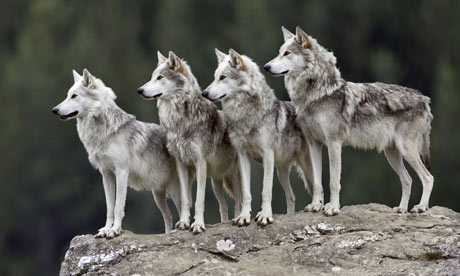
Dog and Wolf Share Common Ancestor


A recent study in PLoS Genetics claims that dogs and wolves evolved from a common ancestor between 9,000 and 34,000 years ago. This dates back to before humans transition to agricultural societies which contradicts previous notions that early farmers adopted docile, friendly wolves that would later become our domesticated companions. It is believed that the earliest dogs may have lived among hunter-gatherer societies thus adapting to agricultural life later.

The team behind this study used the highest quality genome sequences to date from three grey wolves. They chose one wolf from China, Croatia and Israel because these regions represent where dogs are believed to have originated. They then compared these sequences to those of a basenji, which originates in central Africa, and a dingo from Australia. These breeds were chosen because both of these locations are isolated from modern wolf populations.

Their analysis of the different genomes revealed that the dog breeds were more closely related to each other rather than to the wolves. Likewise, the wolves genomes were also more closely related to each other than to the dogs. This indicates that instead of the dogs being closely related to one of the wolf lineages, or each dog being related to its closest geographic counterpart, (i.e. the basenji and Israeli wolf, or the dingo and the Chinese wolf), they may have descended from an extinct, wolf ancestor common to both species. It can now be said that it’s none of these three wolves that dogs are most closely related to because these are wolves that diverged in the recent past. It most likely is something more ancient that isn’t well represented by today’s wolves.
 
The history of the domestication of dogs has always been of interest to me and to find out that dogs are less related to modern wolves than we thought really makes the domestication process of canines much more complex. This study suggests that the genetic overlap between some modern dog breeds and wolves is the result of interbreeding after dog domestication, not just a simple direct line of decent from one group of wolves. Even more intriguing to me because as a husky owner I always wanted to believe my dog was more closely related to wolves than other breeds but this and other studies have stated that is simply not the case.

Article: 
Related Article:

Monday, December 9, 2013

The Rise of Genomic Data Sharing

Each year the amount of information about humans increases as scientific research increases. Lately, a huge hit amongst human beings is figuring out their own genomic sequences so that they may better themselves or be more prepared to what their futures hold. This article explains how this can be a useful tool, but we should still "proceed with caution." This warning is due to the fact that scientists, as well as this author, are predicting that one's genomic data can be leaked- allowing our government to one day be able to possibly use this information against us in a plethora of ways. I found it to be a bit alarming that this information could be used against us, for example if insurance providers knew how much of a liability you were, health wise, then they might be more reluctant to provide you with their insurance. There are many different outcomes, each with it's own pro's and con's.


Tuesday, November 19, 2013

Recreating the History of Life Through the Genome

    The Spanish National Cancer Research Center has begun a new project to map the human genome as use it as a timeline for understanding evolutionary processes. They hypothesize that "old" genes replecate first, while "newer" genes replicate last. In this way, they expect to be able to discern a relative mutation timeline based on the order of gene replication within the genome. The Research Center also posits that the older genes are safer from mutation because they are deeper within the genome, a product of their order in replication. Conversely, "new" genes are more likely to mutate (because they are towards the end of the genome), thus providing speciation within affecting the traits that are essential to life.


     The hypotheses presented by the research center make a great deal of sense to me, and would go a long way towards explaining evolution and its relationship with genetics. My limited knowlege of the two subjects lead me unable to discern the credulity of their statements, but from my point of view they appear to be at least possible (if not extremely likely). I'd be interested in further evidence for these claims.

http://www.sciencedaily.com/releases/2013/11/131119101044.htm
http://www.technologyreview.com/news/521626/genomics-technology-races-to-save-newborns/

Thursday, October 18, 2012

Bioethics Panel Urges More Gene Privacy Protection

Gene-mapping has become an important factor in providing more useful health and medical information.  The idea of being able to detect any diseases that might affect an individual in the future can be thought of as a great thing, especially since the costs of this test have decreased, including in comparison to other single gene mutation tests.  It has been found that DNA decoding is legal in more than half the US, but there is now concern about the privacy issues that might prevail.  For example, if gene-mapping becomes common practice in a visit to the doctor's, who will be allowed to see the results, when can the test can be taken, and how will it be administered?  How long will it take for a law to pass that prohibits the sharing of genetic information from clinical studies?  Will doctors be able to warn patients about any other diseases they may have if they are only specifically checked for one?


Although a law has already been passed that prevents employers/health insurers from discriminating against genetic information, life and long-term care insurances have not been incorporated into that law.  Electronic storage of such information has not even proven to be fully secure.  These are just a few of the worries that have peaked interest in looking more into gene-mapping before it becomes a test accessible by 100% of the public population.


I never thought of gene mapping to be available as a regularly run test so soon.  The fact that the expense of the test has even come down surprises me because I would assume costs to remain high, if not increase once it is completely available to the public of all US states.  One concept I never thought of when it comes to privacy has to do with hereditary information.  If a person is diagnosed with an inherited disease, he/she might show results to a relative that could have it.  If the relative never wanted to know about a medical condition, that could be a violation of his/her privacy.  I was also surprised to read that a doctor could keep information private about other possible diseases a patient might have if only one specific mutation is being looked into (unless a waiver is signed).  It is a shame that there are even loopholes with something as personal as the release of one's genetic data.

Sunday, February 12, 2012

Gene Hunters Find Cause of Rare Movement Disorder

In a published article from HHMI, professor of neurology at the University of California San Francisco Louis Ptáček announced that an international team of scientists have pinpointed the gene responsible for a rare disease known as dyskinesia that causes seizures in infancy and sudden, uncontrollable movements in adolescence and early adulthood.

This article is brief but consists of many provocative details.  Dr. Ptáček first encountered dyskinesia in a fifteen year old patient when he was a medical student.  Spending laborious time in the medical library, Ptáček figured out the diagnosis: paroxysmal kinesigenic dyskinesia, or PKD, which was very rare and had only a handful of documented cases.  PKD was documented to be treatable with a low dose of a common anticonvulsant medication.  When doctors gave the boy the drug, carbamazepine, improvements were apparent.

Ptáček has been studying rare movement disorders ever since.  Again, the interesting detail of this article is the actual laboratory techniques to identify the genetic sequence responsible for the disease state of PKD.  For PKD, scientists attempted to use gene mapping based on recombination frequencies to pinpoint the location of the PKD gene using genetic markers.  This technique, however, has its limitations, particularly in the PKD gene since the gene is located near the centromere, where very little recombination occurs.

The scientists collectively consisting of two dozen institutions in 10 countries therefore combined their their samples and performed whole-genome sequencing of 6 billion DNA letters.  The teams analyzed the DNA of one member of each of the six most well-characterized families with PKD/IC.  All six carried mutations in a gene called PRRT2.  In a later analysis, the researchers found the same PRRT2 mutations in 24 of the 25 known PKD/IC families.  To me, it is amazing to read that scientists would go through such great lengths to identify the genetic causation of a disease state, and that such a search, at least from one scientist's point of view, principally starts with an interaction with an afflicted patient.

One of the biggest mysteries about PKD/IC, which is that for some individuals, symptoms completely disappear by middle age.  The identification of the PKD gene is a meaningful step in discovering further secrets not just of this particular gene, but the complex interface between genotype and phenotype in higher-level organisms.

[caption id="attachment_3753" align="aligncenter" width="686" caption="The first printout of the human genome to be presented as a series of books, displayed at the Wellcome Collection, London."][/caption]

Monday, November 28, 2011

Monarch Butterfly Genome Sequenced

Monarch butterflies have long been a fascination to scientists for their remarkable migration. Each fall, successive generations of these delicate creatures are able to traverse thousands of miles to find a tiny region only about 300 square miles in size. Each monarch that makes the long journey is at least two generations removed from their predecessors who had made the journey the year before. This phenomenon has mystified scientists for ages. With no relatives on the journey to lead the way and no previous knowledge of the specific overwintering site, monarch butterflies must harbor some genetic program that allows for this migration to occur year after year. That is why the paper published recently in the journal Cell describing the findings and observations from completely sequencing the monarch butterfly's genome was so interesting. The researchers identified genes involved with using the "sun compass," odor receptors that are potentially vital to long-distance migration, and much more.

Monday, November 14, 2011

Bacteria Can Exchange Genes on a Global Scale

According to a new study, bacteria have the ability to exchange genes with one another on a global level. Bacteria normally transfer genes with each other via horizontal gene transfer, in switch they select for advantageous genes over deleterious ones. However, researchers have recently identified a seemingly global gene network incorporating over 10,000 genes across 2,235 bacterial genomes. What is fascinating about this, is that the vastly different bacteria seem to be exchanging genes without regard to social or geographic borders. The genetic distance these bacterium strains has been compared to the genetic distance between humans and yeast, yet they are evidenced to exhibit identical genes. All these different strains of bacteria seem to be “access the same pool of genetic variants.” This discovery had lead researchers to believe that ecology plays a much larger role in bacterial genetics than lineage or geography.

http://www.popsci.com/science/article/2011-11/bacteria-swap-gene-information-through-global-network (Article Link)