Monday, August 7, 2023

Genetics and Inflammatory Bowel Disease

 An external file that holds a picture, illustration, etc.
Object name is AnnGastroenterol-27-294-g001.jpg

Inflammatory bowel disease has two different types of diseases which is ulcerative colitis and Crohn's disease. The NOD2 gene is an IBD risk gene which was observed in 2001. There have been 163 risk genes or loci that have been identified and are associated with both Crohn's disease and ulcerative colitis. After the second World War, the rates have increased with IBD in northern Europe and North America. The risk of IBD in an offspring increases dramatically if both parents have IBD. For the population, there are different percentages of who gets it which is shown in the image above. The symptoms of IBD include abdominal pain, diarrhea, loss of appetite, etc. 

Genetics and Endometriosis

    Endometriosis is a unique disease in the fact that scientists have not been able to establish the exact cause of it.  Endometriosis can be a cause of infertility, chronic pain, and deterioration of the quality of life.  It is characterized by having active foci of the endometrium or endometrial tissue that occur out of its cavity and in the muscular layer of the uterus.  Endometriosis is benign and estrogen-dependent but due to all of the implications that come with it, it is not an easy disease to deal with.  Around 30-50% of women will experience infertility in several different ways.  Symptoms of endometriosis include increasing premenstrual pain, pelvic pain, pain in the lower spinal area, dysmenorrhea, painful ovulation, pain during intercourse, pain when defecating, pain when urinating, radiating pain to the back, irregular abundant menstruation, blood in the stool, constipation or diarrhea, infertility, and chronic fatigue.  This is a long list of symptoms and it does not stop there, it is seen patients experience other symptoms such as nausea, dizziness, headaches, depression, anxiety, hypoglycemia, rectal bleeding, hematuria during menstruation, and lowered immune system.  For a disease that doctors do not know the root of the cause, it has a wide range of symptoms.  It can show up in every woman differently but all of the symptoms are possible.  It is a frequently occurring disease that still had unexplained answers and markers for diagnosis.  There are several types of endometriosis as well that affect different areas of the body.  

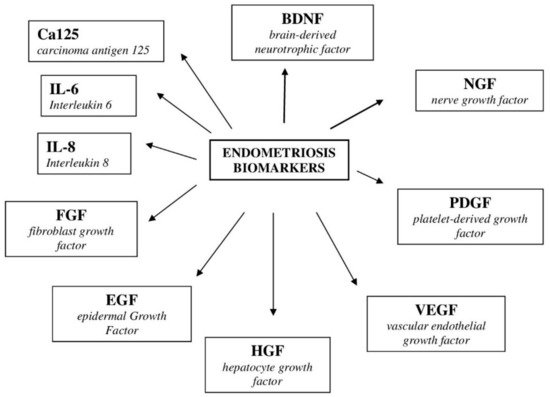
    Over the years geneticists have tried to complete studies to figure out if there could be a genetic cause to this.  It was observed through family studies as well as twin studies that if the disease has occurred in a woman in the family it is much more likely to occur in other members.  Siblings and twins have a co-occurrence that exceeds 80%, showing how likely it is among families.  It has been proven that a genetic factor is responsible for about 50% of the predisposition to the disease.  Looking more into this article you can see how single Polymorphic variants can be associated with some of these traits and how some somatic mutations may play a role in it as well.  Although no definite markers of the disease have been discovered, scientists do have some theories of what the biomarkers of this disease could be.  There is a diagram to show some potential biomarkers. 


https://www.mdpi.com/1422-0067/22/19/10554 

https://www.genome.gov/genetics-glossary/Single-Nucleotide-Polymorphisms#:~:text=Definition&text=A%20single%20nucleotide%20polymorphism%20(abbreviated,drug%20response%20and%20other%20traits. 


https://my.clevelandclinic.org/health/body/23067-somatic--germline-mutations#:~:text=Somatic%20mutations%20are%20a%20change,in%20a%20person's%20family%20history. 

ADHD Heritability In Twins

 It has been long for a long time now that ADHD has a genetic link and runs in families. Since ADHD can often times be inherited one would expect that if there were a pair of twins that both would end up getting ADHD. So researchers wanted to examine the trends of ADHD in twins. The results are quite shocking that in monozygotic, and dizygotic twins the rate of one twin having ADHD when the other one has it is about 74%. In another statistic on the heritability of ADHD in monozygotic, dizygotic, full siblings, maternal and paternal half siblings was about 80%. It is interesting that the rate of heritability was similar for the twins and the other groups. You would expect that the twins would be near 100% in regards to heritability when one has ADHD. 


https://www.ncbi.nlm.nih.gov/pmc/articles/PMC6477889/


https://www.ncbi.nlm.nih.gov/pmc/articles/PMC7046577/#:~:text=Heritability%20in%20ADHD&text=According%20to%20a%20recent%20meta,about%2080%25)%20%5B6%5D.


EBV's Mechanism Of Altering Genes

Researchers have recently found a link between previous Epstein Barr infection and conditions such cancer and autoimmune disorders. Not much is known as to how Epstein Barr virus causes these conditions but researchers have started investigating its mechanism. Researchers discovered that Epstein Barr virus when reactivated inside the body increases RNA Polymerase activity. This is very important because Epstein Barr virus remains in the body forever and it resides inside B cells. Epstein Barr virus infecting and altering the DNA of B cells can explain the newly discovered link between Epstein Barr virus and Multiple Sclerosis. This is quite interesting because we know that B cells are an important contributor to Multiple Sclerosis. The way the researchers discovered that Epstein Barr Virus increased polymerase activity is by utilizing precision nuclear run and then deep sequencing. 


Sunday, August 6, 2023

genetic risk for Alzheimers

 Those with the gene variant, APOE4, are more likely to develop Alzheimer's disease and  through genetic testing, can be a way to find out if you have it. The APOE gene is important for formation of protein that carries cholesterol throughout the bloodstream and has 3 different variants. Scientists learned that depending on which variant you have will help determine the chances of developing Alzheimer's, APOE4 having increased risk, APOE3 being the more neutral/common type, and APOE2 having decreased risk. Since ~25% people carry one of the increased gene variant, APOE4, their chances of acquiring Alzheimer's is increased by 2-3 times and even more if said person has 2 or more copies of APOE4. 

    Even though it is a chance so it is not a guaranteed thing that you will acquire Alzheimer's and vis-versa where if you don't have the increased chance you can still get the disease. There are many ways to help reduce the overall chance such as being active, a good diet and limiting alcohol consumption. Things such as age and family history play a major role on whenever you have a high likely of acquiring the disease as they can not be changed and have a greater impact on your chances but being conscious and taking steps can be vital.


https://www.nia.nih.gov/health/alzheimers-disease-genetics-fact-sheet 


https://www.mayoclinic.org/diseases-conditions/alzheimers-disease/in-depth/alzheimers-genes/art-20046552

the Science behind adhd

 According to " Chadd.Org" Research has demonstrated that ADHD has a very strong neurobiological basis. Although precise causes have not yet been identified, there is little question that heredity makes the largest contribution to the expression of the disorder in the population. In instances where heredity does not seem to be a factor, difficulties during pregnancy, prenatal exposure to alcohol and tobacco, premature delivery, significantly low birth weight, excessively high body lead levels, and postnatal injury to the prefrontal regions of the brain have all been found to contribute to the risk for ADHD to varying degrees. 

Research does not support the popularly held views that ADHD arises from excessive sugar intake, excessive television viewing, poor child management by parents, or social and environmental factors such as poverty or family chaos. Of course, many things, including these, might aggravate symptoms, especially in certain individuals.  But the evidence for such individual aggravating circumstances is not strong enough to conclude that they are primary causes of ADHD.  A related problem that has some accumulating evidence is sensitivity to food or additives such as colorings and preservatives.  Several controlled double-blind studies suggest that these might be important for a minority of children with ADHD, and a couple of controlled studies suggest a small effect on all children whether or not they have ADHD.  Further research on this connection is warranted.


https://chadd.org/about-adhd/the-science-of-adhd/ 


https://www.additudemag.com/adhd-neuroscience-101/

the genetics of mental disorder

https://www.news-medical.net/health/The-Genetics-of-Mental-Disorder.aspx 

No one psychiatric or mental disorder has a full 100genetic basis orheritabilityand many environmental factors may strongly influence thelikelihood of developing a particular disorder or not - despite the presence orabsence of genetic elements.


A large proportion of mental disorders do have a high degree of heritability -that is that the risk of having a disorder if another family member has itsignificantly increases.

Mental disorders can arise at any point in life e.g.from birth - such as ASDorlater in life in combination with environmental triggers - such as bipolardisorder.

One of the most highly genetically inherited psychiatric disorders is bipolardisorder which may affect as much as 1-4of the population.

Like bipolar disorderhaving a first-degree relative with the disorder drasticallyincreases the risk of developing schizophrenia later in life - thoughenvironmental factors are also incredibly important.

Many mutationspolymorphisms and epigenetic changes that occur in ASDalsooccur in bipolar disorder and schizophrenia as well as other mental disorders.

In summarymental disorders such as bipolar disorderschizophrenia and ASDhave strong genetic bases that can be directly inherited from an affectedparentor for de novo during development.

The Study Of MMR Genes And Cancer

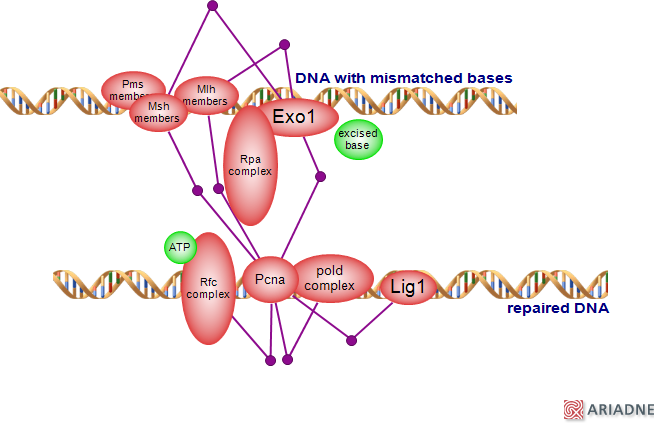
 In males prostate cancer has been linked to genetics. It appears that prostate cancer can run in families. There are many genes that are currently being studied in regards to their connection to prostate cancer. The main genes are the following, MMR genes, homologous recombination genes, HOXB13, BRP1, and NSB1. Researchers have found that when exposed to exogenous DNA damaging agents MMR deficient cells are better able to survive compared to MMR proficient cells. This research can be very helpful in prostate cancer research because if an individuals prostate cancer is being caused by MMR genes there may be a way to destroy DNA that does contain MMR genes while allowing DNA that does not contain MMR genes to be unaffected. This could help or totally allow the body to better regulate their cells in those with prostate cancer. 


https://www.sciencedirect.com/science/article/pii/S2213671122005057


https://www.medicalnewstoday.com/articles/is-prostate-cancer-genetic#genes


the influence in virus infections in COPD

 Chronic obstructive pulmonary disease (COPD) is extensively influenced by viral infections. Human adenovirus, non-respiratory viruses, and respiratory syncytial virus are especially important for the pathogenesis and course of COPD.Acute exacerbations of chronic obstructive pulmonary disease are thought to be caused by complex interactions between the host's individual microbiome, bacteria, viruses, and environmental influences.Respiratory viral infections lead to desquamation, microvascular dilatation, edema, and inflammatory cell infiltrate, which predispose the lower airways to bacterial infections and increase the duration of hospital stay.Viral infections are the most important causes and very common in COPD exacerbations. Combined bacterial and viral infection can be identified in 25% of exacerbations, and these dual infections are often more severe, although this increased severity is not confirmed by all studies. In the lungs of humans with COPD, the innate immune system is activated by viral infections, leading to increased numbers of invariant natural killer T-cells and alternatively activated IL-13-producing macrophages, as well as increased symptomatology and mortality.Cigarette smoke enhances parenchymal and airway inflammation, as well as apoptosis, emphysema, and airway fibrosis, which are induced by the viral pathogen-associated molecular pattern (PAMP) poly(I:C).eespiratory viruses are important triggers of acute exacerbations and 'key players' in COPD pathogenesis. Childhood respiratory infections are an independent risk factor for the subsequent development of COPD, and the presence of a virus in upper airway secretions is strongly associated with the development of COPD exacerbations.Some viruses, such as RSV, stimulate the helper T-lymphocyte type 2 (Th2)-pattern of immune responses, which is associated with allergic inflammation.Infections are frequently associated with COPD exacerbations, and patients with infectious exacerbations suffer from prolonged hospitalizations and greater impairment of several lung function parameters than those with non-infectious exacerbations. Sputum inflammatory markers are increased at the time of acute COPD exacerbation and then decline 1 month later.


the link between a hair straightener and cancer

A new study from the National Institutes of Health found that women who used chemical hair straightening products were at higher risk for uterine cancer.The Sister Study included 33,497 U.S. women ages 35-74 who were followed for almost 11 years. Women who reported frequent use of hair straightening products were more than twice as likely to go on to develop uterine cancer compared to those who did not use the products.Approximately 60% of self-identified Black women reported using straighteners in the previous year, and the study found that the adverse health effects may be greater for Black women due to higher prevalence of use.The findings are consistent with prior studies showing that straighteners can increase the risk of hormone-related cancers in women. The researchers did not collect information on brands or ingredients in the hair products the women used.Researchers found a link between straightener use and uterine cancer. They also found that permanent hair dye and straighteners may increase breast and ovarian cancer risk.The National Institutes of Health (NIH) is the nation's medical research agency and is investigating the causes, treatments, and cures for both common and rare diseases.


hair-straightening-chemicals-associated-higher-uterine-cancer-risk

https://www.cancer.org/cancer/latest-news/study-finds-possible-link-between-hair-straightening-chemicals-and-uterine-cancer.html


butterfly wing patterns emerge from ancient dna

 New research explains how non-coding regulatory DNA manipulates butterfly wing patterns to create diversity while conserving a basic plan conserved over tens to hundreds of millions of years.The researchers found that the same gene can build different looking butterflies, and that non-coding regulatory DNA works like switches to turn up some patterns and turn down others.This study focused on the effect of non-coding DNA on the WntA gene in five species of nymphalid butterflies. The researchers used ATAC-seq to identify regions in the genome where this unraveling is occurring, and then employed CRISPR-Cas gene editing technology to disable 46 regulatory elements one at a time.Researchers found that the regulatory elements controlling the WntA gene were ancient and conserved across four species, and that the monarch butterfly used a different regulatory system to develop its unique color patterns.Reed's paper shows how people can use ATAC-seq and CRISPR to study non-coding regions in their own study systems.The study was funded by the National Science Foundation and revealed new evidence for how regulatory DNA segments positively and negatively influence traits such as color and shape.


butterfly-wing-patterns-emerge-ancient-junk-dna

https://new.nsf.gov/news/butterfly-wing-patterns-emerge-ancient-dna


23 And Me Is helping to Identify Living Descendants of enslaved people.

The DNA company 23 And Me is working on using identifying living descendants of enslaved people. They are hoping that this information can help people better understand their family's history. The way they are doing this is by by gathering DNA from remains of people from the past and then comparing it to their database. In order to identify a possible relationship they then look at stretches of DNA to see if anyone has a shared stretched DNA sequence to the person from the past. But the problem is that sometimes the persons exact relationship can be quite difficult to figure out due to the centimorgans being very low. Other companies have done things similar to this. For example, a company called Gedmatch also can show people if they are related to an ancient person. One of the ancient persons they have in their data base that they compare people to is someone called Rathlan, who is one of Irelands earliest inhabitants. They also have DNA data from a couple of Neanderthals that they compare people DNA to. So the future looks bright for 23 And Me because the samples they will be looking for are much more recent than the samples that Gedmatch uses. 


https://www.nature.com/articles/d41586-023-02478-9


https://www.familysearch.org/en/blog/centimorgan-chart-understanding-dna 


Sea Turtle Genes

Around 100 million years ago, land-dwelling turtles transitioned to ocean life, evolving into today's sea turtles. The genetic basis of their ocean adaptation has been a mystery. A study led by the University of Massachusetts Amherst, involving 48 researchers from various institutions, unveiled detailed genetic maps of green and leatherback sea turtles. Published in the Proceedings of the National Academy of Sciences, this research provides insights into their survival in a changing world.

The researchers employed advanced techniques like long read sequencing, which accurately compiles genetic data. The genomes of the turtles were organized and annotated, revealing surprises. Despite diverging 60 million years ago, green and leatherback turtles share remarkably similar genomes, yet unique differences could hold survival keys. Green turtles exhibit more immunity genes and olfactory receptors, aiding their resistance to new pathogens and enhancing smell. Leatherbacks, with lower genetic diversity and historical population declines, are resilient yet face adaptation challenges.


Notably, genetic disparities between the species occur mainly on microchromosomes, previously considered genetic "junk." This emphasizes the importance of microchromosomes in vertebrate evolution, challenging previous notions.The collaborative effort involved various organizations and funders worldwide, including the National Science Foundation, NOAA Fisheries, Max Planck Institute, and more. This study sheds light on the genetics of sea turtles, contributing to informed conservation decisions amidst a changing environment.

Genes could possibly play a role in asymptomatic Covid infection

 Scientist believed that the reason a person might contract Coronavirus but remain asymptomatic was because their immune system was quicker at attacking the virus. This lead researchers to try and find a common variable among these types of patients. What they found was that many of these patients had two copies of the gene HLA-B*15:01. They also found that patients who had two copies of the gene HLA-B*15:01 were 8 times more likely to remain symptom free. Researchers are now using this information to try and create a vaccine that instead of preventing infection will help the body deal with the symptoms of infection. But this research could greatly benefit by having a much larger sample size and more participants. 


https://www.washingtonpost.com/science/2023/07/19/genetic-variant-asymptomatic-covid/


https://covid19.nih.gov/news-and-stories/decoding-genetics-behind-covid19-infection


Insect Genes From Microbes

A study published in the journal Cell reveals that over 1,400 genes found in 218 species of insects, including butterflies and moths, were inherited from bacteria, viruses, fungi, and plants through horizontal gene transfer (HGT) hundreds of millions of years ago. This gene transfer might have played a crucial role in insect evolution, aiding them in developing advantageous traits related to mating behavior, nutrition, growth, and adapting to environmental changes. Although HGT is common among microbes, researchers have now begun examining the phenomenon's impact between insects and other organisms. The study's authors, led by Xing-Xing Shen from Zhejiang University, collaborated with Vanderbilt University's Antonis Rokas to analyze insect genomes, revealing numerous instances of HGT events. One particular gene, found in moths and butterflies and inherited from bacteria, was linked to viable egg production and male courtship behavior. The researchers intend to conduct further studies to understand the gene's mechanisms and its potential application in pest control.


Furthering The Study Of Human Embryos

A group of scientists recently have managed to grow some cells which are the closest model we currently have to an embryo. A lot can come from studying these new models because they are very close to that of a human embryo and they are able to be studied as they grow whereas a real human embryo would have to be inserted into the uterus at a much earlier stage then what these cells appear to be. These human embryo models are grown from stem cells, but with all the excitement that has come from this discovery many are also nervous with the fact that scientist might soon now be able to grow a human in a lab. This new human embryo model is raising questions as to whether models can be grown after the normal 14 day of normal human development after fertilization. 


https://www.sciencenews.org/article/human-embryo-replica-complex-advanced

https://www.theguardian.com/science/2022/aug/03/scientists-create-worlds-first-synthetic-embryos

PCOS Genetically Linked

 PCOS is thought to be produced by an autosomal dominant inheritance pattern, and there is evidence to support this theory in the form of family clustering of instances. The investigations, on the other hand, have been hindered by things like limited sample numbers, statistical mistakes, and diagnostic disparities. Based on the findings, it appears that polycystic ovary syndrome is caused by a fundamental genetic defect in the synthesis of ovarian androgens, which then interacts with environmental conditions or other factors that lead to hyperinsulinemia. The suspected PCOS gene is connected to a region on chromosome 19p13.3, which is located close to the gene for the insulin receptor. Additional molecular genetic techniques offer the potential to provide light on the pathogenesis of polycystic ovary syndrome (PCOS).

Polycystic Ovary Syndrome (PCOS) is a complex trait with an oligogenic basis, with genetic factors playing a role. Environmental contributions are crucial, as there are no universally accepted genes important in PCOS etiology. Two approaches are used to identify a genetic locus: association studies and linkage studies. Genetic abnormalities affect signal transduction, steroid hormones, insulin action, energy homeostasis, and chronic inflammation.


https://www.sciencedirect.com/science/article/pii/S1521693404000926?casa_token=Ah_f1TtZaJAAAAAA:Wd4tE3pPIW2sQMJkkWf4IHLk8Sb2eMLZP_AtdXdtKXY4gKaKnL_-g2ZivVprRYKZSdtVWHsFB8pq

https://www.ncbi.nlm.nih.gov/pmc/articles/PMC2776334/

Genetics of Polycystic Ovary Syndrome


         Polycystic ovary syndrome (PCOS) affects 6-10% of reproductive-age women.  PCOS can be diagnosed if two of the following three characteristics are shown: anovulation, clinical and/or biochemical signs of hyperandrogenism, and polycystic ovaries on ultrasound.  PCOS can be made worse with obesity and has an increased risk of Type 2 Diabetes.   There are four phenotypes of PCOS and the different types can differ in metabolic and reproductive profiles.  There is a suggestion of the pathophysiology of PCOS that is shown in the flow chart below.  


        PCOS was said to have a polygenic predisposition that can be worsened by external factors like obesity, as mentioned before.  Through family studies, it was discovered that both male and female family members of the individual affected by PCOS shares common characteristics of this disease.  Twin studies concluded that the heritability of PCOS is around 70%.  The two genetic studies that are used in this paper are Genome-Wide Association Studies (GWAS) and candidate gene studies. Each study looks for different aspects of PCOS in genes.  

Genetics of Two Fingered Sloths


This study investigated the genetic diversity and population structure of C. hoffmanni sloths in Costa Rica, revealing high genetic diversity and almost nonexistent population structuring. The study used Bayesian clustering analysis to determine the most likely number of genetic groups. The Northern group was the most genetically divergent, with high average homozygosity by locus, indicating higher levels of inbreeding. The South-East grouping was more genetically diverse, with high levels of admixture and lack of population structuring. The long-term effects of translocations of individuals from their area of origin into the South-East region are unknown. The study provides baseline information on existing sloth genotypes and provides evidence that sloths are not being returned to their point of origin. Further in-depth analyses are required to determine the extent of barriers and drivers on the genetic structure of sloths in Costa Rica. Anthropogenic pressures on sloth populations in Costa Rica are increasing, and further research is needed to investigate the genetic diversity of highly structured populations and determine the fitness of populations isolated through urbanization.


https://onlinelibrary.wiley.com/doi/full/10.1111/eva.13036

Chiarello, A. G. (1998). Diet of the Atlantic forest maned sloth Bradypus torquatus (Xenarthra:Bradypodidae). Journal of Zoology, 246, 11–19. https://doi.org/10.1111/j.1469-7998.1998.tb00127.x

Female Fertility and Genetics

 The influence of female fertility on health, population growth, and the rate of population aging is a significant cause for worry. A woman's reproductive life span, age-specific fertility rates, and the likelihood of having twins are all factors that might influence her fertility. Fertility can also be affected by factors such as developmental programming, environmental exposures, and lifestyle choices, as well as prevalent disorders such as PCOS and endometriosis. Rare mutations in some genes can give rise to prevalent illnesses and features, but more commonly, variation can be found in a wide variety of locations throughout the genome. Genome-wide association studies (GWAS), which led to the discovery of novel genes and pathways that influence certain characteristics and diseases, have fundamentally altered our knowledge of the manner in which genes contribute to the complex traits and diseases that we observe. This research is being conducted at a time when demographic shifts are taking place, including a reduction in the average age at which girls reach menarche and a trend among women in many nations toward postponing childbirth. Variations in reproductive longevity are linked to a wide variety of diseases and health conditions. It is absolutely necessary to do in-depth research on the genetic foundation of female fertility in order to comprehend the variations in female fertility that occur and to either avoid or cure conditions that contribute to decreased fertility.

Recent genetic studies have made significant progress in understanding the genetic factors contributing to variations in traits and diseases affecting female fertility. These studies reveal shared biological pathways linking puberty timing, fertility, reproductive aging, and health outcomes. However, the effect sizes for common variants are small, and large studies are essential to identify a substantial fraction of common variants underlying variation. Large studies are needed to identify specific genes and pathways regulating variation in traits and diseases, but definitive evidence for causal variants and target genes remains limited. To provide functional evidence for specific genes and pathways regulated by genetic variation influencing fertility, multiple lines of evidence from both functional and genomic studies will be required. Advances in genomics, large-scale publically available data, and genome editing are making this more feasible. This knowledge will help better predict and minimize the health impacts of important life events. Genetic risk scores from common variants may be useful in diagnosing disease risk for individuals, and genetic variants associated with natural menopausal timing may influence menopausal timing in women undergoing radiation or chemotherapy. Genetic risk prediction models could be useful for counseling related to family planning, lifestyle choices, or fertility preservation techniques. Epidemiological evidence for comorbidity between traits can be difficult to interpret due to sample ascertainment issues. 


https://www.nature.com/articles/s41525-018-0068-1

https://www.mdpi.com/1422-0067/22/5/2556

Addiction Impacted by Genetics

 Alcoholism is a genetic addiction that accounts for 40-60% of the risk. Opiate and cocaine addictions also have comparable heritability rates. Addiction susceptibility is linked to large chromosomal areas, although genetic variations are unknown. Alcohol sensitivity and acute alcohol side effects are increased in some East Asian groups due to enzyme polymorphisms that metabolize alcohol. Aldehyde dehydrogenase type2 homozygotes seldom develop alcoholism. Drug misuse affects inbred mice and rats differently. Identification of mouse lines carefully bred for alcohol or drug responsiveness should illuminate addiction pathways. Due to the intricacy of addiction and the possibility of variations in distinct genes causing addiction in different lineages, identifying genes that increase addiction risk is complex. Poverty, criminality, and delinquency impact risk, but their effects are unclear. Stress and genotype can also affect an animal's sensitivity to a substance of abuse, according to animal research. Investigating how genetic variants and environmental variables interact is crucial. Genetic and ecological variables impact an individual's initial drug sensitivity and how nerve cells and circuits adapt to prolonged drug exposure, which leads to addiction. Behavioral research emphasizes quantifying behavioral endpoints with the same complexity and interassay reliability as non-behavioral variables. Genes may modify the form or function of specific brain circuits throughout development or maturity or influence neural circuits influenced by environmental inputs, making them vulnerable to addiction. Genetic techniques and particular phenotypes may help identify addiction susceptibility genes in people and animals.

Animal models are absolutely necessary for elucidating the neurological workings of the addictive process. Nevertheless, genetic changes can occasionally result in traits for which there is no obvious explanation. It is now conceivable because of the growing sophistication of genetic techniques and the predictive value of animal models, to grasp the cellular mechanisms and neuronal circuitry linking chemical events with complicated behavior. This will allow for the completion of the puzzle, which was previously impossible.

Addiction is a broad term that incorporates a variety of maladaptive behaviors. These behaviors include use disorders for substances like alcohol, nicotine, cannabis, and cocaine, all of which significantly contribute to morbidity and death. In this overview, categorization, diagnosis, heritable variation, gene-based techniques, alternative genetic variations, gene-environment interactions, and pharmacogenomics are discussed. In addition to this, it explores how these methodologies might be applied to better understand the mechanisms that are at the root of nicotine addiction and to develop novel therapies.


https://www.nature.com/articles/ng1100_277 

https://www.nature.com/articles/tp201254 


Feline Genetics Help To Find First Ever Domestication Of Cats

Around 10,000 years ago, humans in the Middle East's Fertile Crescent transitioned from hunting and gathering to farming. They formed partnerships with cats, which aided in pest control. A University of Missouri study led by feline geneticist Leslie A. Lyons traced the domestication of cats to this period. Through DNA analysis of cats from the Fertile Crescent, Europe, Asia, and Africa, using markers like microsatellites and single nucleotide polymorphisms, the study revealed that the Fertile Crescent was likely the first site of cat domestication. Cats accompanied humans during their global travels, resulting in diverse cat populations. These semi-domesticated cats maintained much of their natural behavior. This research supports Lyons' broader aim of using cats for biomedical research, with genetic tools aiding disease studies. The study highlights the genetic similarities between cats and humans and the potential for using cats to study diseases shared by both species.


Genetics and Polycystic ovary syndrome (PCOS)


Polycystic ovary syndrome is a hormonal imbalance in women which can cause problems with the menstrual cycle and pregnancy. The genetics with PCOS is not fully understood but early diagnosis and treatment can prevent the long-term effects. There are proteins that are involved in PCOS an there are 43 proteins that are responsible for PCOS which is shown in the image above. People who have PCOS can have high levels of androgen as well as small cysts on their ovaries and can get missed or irregular periods. Each of these proteins can are located on a different locus and chromosome. 

Families With Multiple Cases Give Clues To Autism Origin


 A study was conducted on over 4,500 people from over 1,000 families that have at least two children diagnosed with Autism. The study included over 1,800 children diagnosed with autism and over 400 children that did not have an autism diagnosis. Seven genes (PLEKHA8, PRR25, FBXL13, VPS54, SLFN5, SNCAIP, and TGM1) that increased the risk of autism were found which were inherited from a rare DNA variation transmitted from parent to offspring. A combination of common inherited variations (polygenic risk)  that increased autism likelihood were also examined. It was shown that offspring who inherited the rare mutation from unaffected parents in combination with the polygenic risk had a higher risk for having autism. The study also found that there is an effect of the genes that cause a developmental effect which delays speech. The pattern was only specific to autism and it suggests that there is a link between the genetic risk for autism and speech delay, which suggests that language delay is a core component of autism. 

Genetic Pathway Specific to Sarcoma Identified

    Sarcomas are rare cancers that may occur within bone, muscle, and even cartilage. It makes up about 20% of cancer diagnoses among those under 20 years old. Sarcoma causing genes have been identified using a genomic map constructed by the researchers at Garvan Institute of Medical Research and UNSW, Sydney. In this study, to identify mesenchymal cancer pathways among cases and controls, they performed whole-genome germline sequencing and found a gene said to be clinically important, as well as a sarcoma specific pathway that was unknown. According to the head of the Genomic Cancer Medicine Laboratory, David Thomas, "These findings fill important gaps in the missing heritability of cancer." Research in sarcoma, specifically on heritable pathways, could better understand the development in this rare mesenchymal cancer and support families with a history of sarcoma through genetic testing for the disease.


Does Exercise Alter how Gene's Behave?

 Identical twins can often develop differing diseases throughout their lifetime according to a new study. One of the main determinants of this is how physically active each twin is during their lifetime. An exercise study was done on 70 sets of twins over the course of seven years. Activity trackers were given to each participant to track their activity levels. It found that the twin with higher physical activity levels  showed lower signs of metabolic disease. Since twins have nearly identical genes, this would indicate that there were likely epigenetic changes for the more active twin. Epigenetics is the study of how your environment and your behaviors can change the way your genes function. The epigenetic markers for the more active twin showed that they were linked to having a lower metabolic syndrome, which is a condition that can lead to having type 2 diabetes, heart disease, etc. There were also epigenetic changes noted for the more physically active twins BMI and waist size.  Thus proving that we do have some say in the diseases and health problems people often face in old age. Something as simple as taking a 30 minute walk everyday could have life altering effects down the road. Hopefully this study will encourage people to stay more physically active and to also realize their daily behaviors have a huge say in their health.


Did Gene's Play a Role in Surviving the Bubonic Plague?

 The Black Death, also known as the bubonic plague pandemic killed between 75-200 million people in Europe between 1346-1353. This pandemic is still being studied as to this day as to why some people survived and others did not. Researchers have dug up remains from those who passed away from the disease. They were able to identify four genes involved in the production of immune system proteins that either protected or made someone susceptible to the plague. Researchers did this by recovering remains of people who died before the plague, survived the plague, or died from the plague. The results of this endeavor were that people who carried the ERAP2 gene were 40-50% more likely to survive than others who did not carry the gene. This gene was able to neutralize the Yersinia pestis bacterium that caused the illness. However, researchers have noted that having this gene today could mean that you could have an increased risk of having an autoimmune disease such as rheumatoid arthritis. 


To that end, this study further proves that survival during a pandemic is likely determined by what genes you may or may not have. With gene alterations and repairs starting to now become a reality, it will be interesting to see if future generations alter their offspring’s genes to give them a better chance of surviving various diseases.