Showing posts with label rheumatoid arthritis. Show all posts

Tuesday, December 14, 2021

People With Rheumatoid Arthritis May Have a Higher Chance of Developing COPD


Patients with rheumatoid arthritis have a 47% higher risk of developing chronic obstructive pulmonary disease, also known as COPD.  Rheumatoid arthritis affects 1% of the world and is an autoimmune disease affecting healthy tissue and joints in the body.  COPD affects 6.4% of the world and causes coughing and excessive amounts of mucus.  

A study suggests COPD is linked to inflammation in the body.

In a database in British Columbia, 25,396 people were randomly selected for a study and it was shown that there was a higher risk of hospitalization for COPD in those with rheumatoid arthritis, around 47%.  

Researchers suggest early intervention with COPD symptoms in those with rheumatoid arthritis before irreversible damage is done in the lungs.  

Thursday, April 14, 2016

How exactly do scientists find out what genes are found in causing a disease?

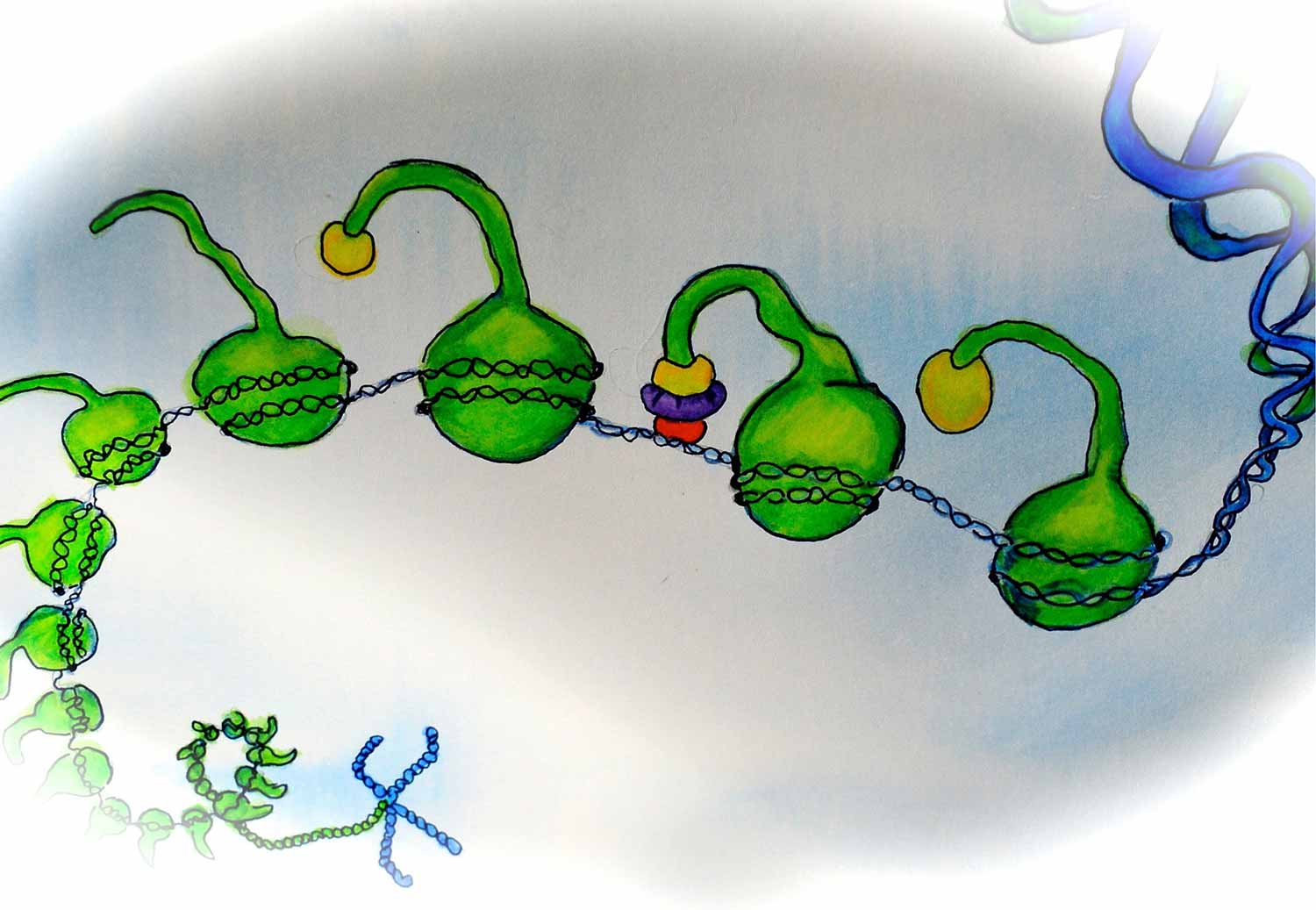
One of the toughest problems in genetics involves figuring out which genes cause illness and what turns those genes on or off. Researchers at the Johns Hopkins University school of Medicine and the Karolinska Institute in Sweden reported a way to evaluate a one-gene regulation system which involves chemical tags that tells genes to be active or not.


The test case in this research were patients who had rheumatoid arthritis, which is an autoimmune disease that affects 1.5 million Americans. This research involved an investigation of epigenetics, which is an area of biology that looks at modifications in genes that may determine disease risk.

The setup of this study involved 354 newly diagnosed rheumatoid arthritis patients and 337 healthy people who served as controls. The purpose of the experiment was to examine both groups' white blood cells. They research also involved examining DNA for chemical tags-methyl groups-that could attach themselves to genes to turn them on or off. These chemical tags are what make the research so difficult. The chemical tags can be affected by the environment, medications, or other distant groups.

The researchers involved sifted through hundreds of chemical tags but only four were found to be related to the disease. Those four tags control the immune response which is known to affect the risk of rheumatoid arthritis. The tags were located in a gene called C6orF10.

I found this article to be an interesting read because I never knew how geneticists went about figuring out which genes are responsible for certain illnesses. It always seemed like a difficult process and this article does nothing to change that. Hopefully, as technology advances, geneticists can pinpoint the genes involved in certain illnesses and find a way to use that information to help treat or prevent them.


Tuesday, March 15, 2016

Chemical Tags and their Relation with Genes

In a recent study, researchers at Johns Hopkins University School of Medicine and the Karolinska Institute in Sweden reported a way to evaluate one gene-regulation system: chemical tags that tell genes to be active or not.  Their test consisted of patients with rheumatoid arthritis, an autoimmune disease that causes chronicinflammation that typically affects the small joints in your hands and feet. 

Researchers separated these patients into two groups, people with newly diagnosed rheumatoid arthritis and healthy people. The major goal of the experiment was to monitor both groups’ white blood cells, examining their DNA for methyl groups that could attach themselves to genes and turn themselves on or off.  This was proven to be a difficult task because the chemical tags were unreliable, sometimes setting off a disease as a result of the presence of the environment, medications or even other distant genes. Researchers concluded that four of these chemical tags were found in a cluster of genes that controls the immune response and were also known to affect the risk of rheumatoid arthritis.


This is a significant breakthrough because if scientists are able to perfect this technique, there is the possibility that in the future there could be a better understanding of whether a person’s gene that influences a disease such as rheumatoid arthritis actually develops the disease. Additionally, who knows if in the future these chemical tags could be used with something else other than diseases? Overall, this was interesting article because I had no idea these genetic advancements were happening or even possible. 


Monday, November 10, 2014

Treatment Study for Rheumatoid Arthritis

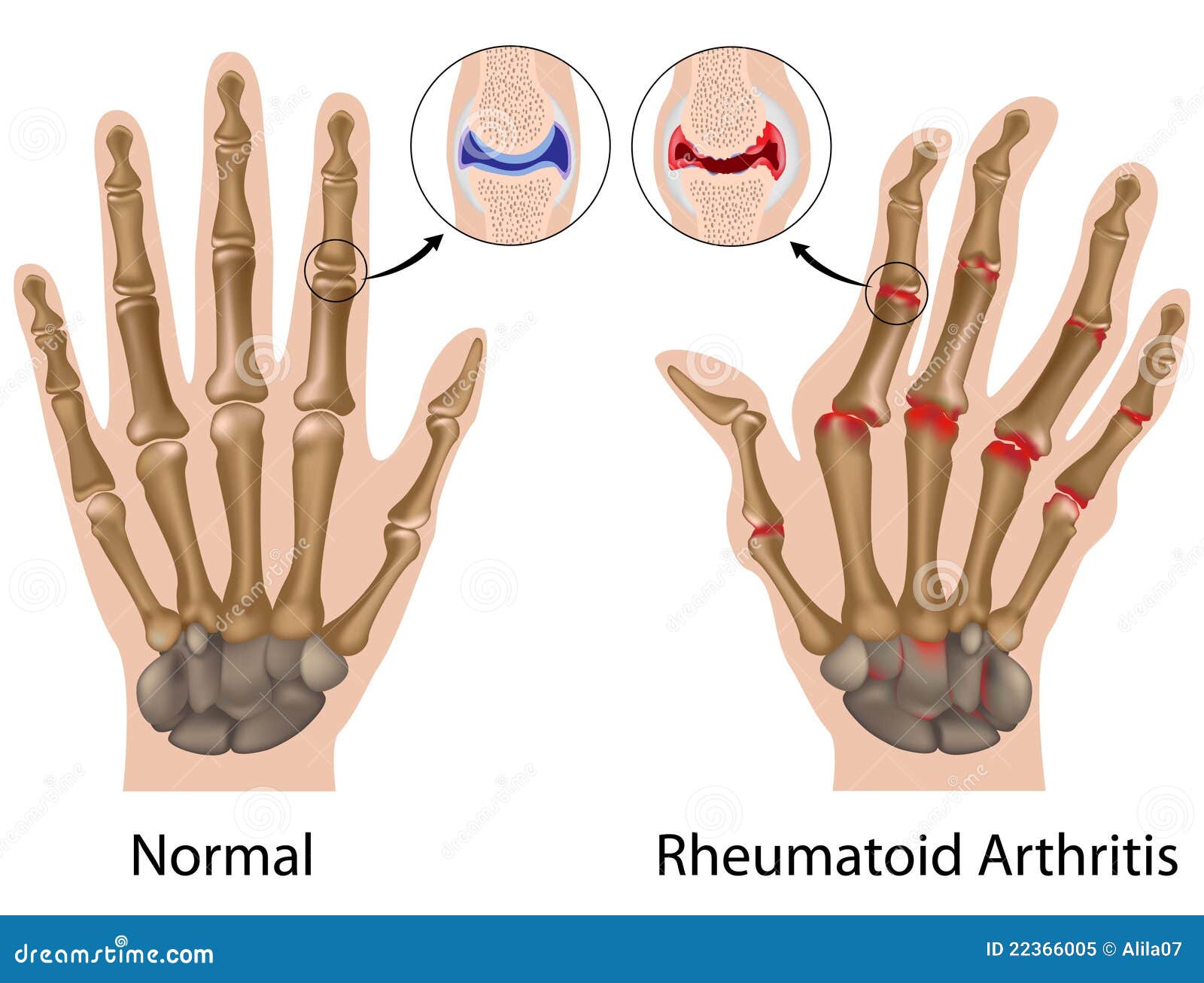
                Rheumatoid arthritis (RA) is a chronic auto-immune disease that causes pain and stiffness in the joints, fatigue, bone damage, and, eventually loss of mobility. Due to no known cure for RA, physicians focus treatment on suppressing disease activity. Therapies show that intensive treatment of early RA can prevent joint damage and improve patients’ quality of life.

                In a two-year study, called ‘CareRA’, researchers and clinicians in the rheumatology unit a University Hospitals Leuven examined various therapies for early RA. Their goal: to find the optimal combination and dosage of three commonly prescribed antirheumatic drugs (methotrexate, sulfasalazine, and leflunomide) in combination with glucocorticoids. 290 early RA patients were divided into three treatment groups. Each group received a different combination therapy: ‘COBRA Classic (methotrexate, sulfasalazine, and a high first dose of glucocorticoids), ‘COBRA Slim’ (methotrexate and a moderate dose of glucocorticoids), or ‘COBRA Avant-Garde’ (methotrexate, leflunomide, and a moderate dose of glucocorticoids). All three strategies showed a similarly high efficacy: disease remission was achieved in 7 in 10 patients after 16 weeks of treatment. But the strategies varied significantly when it came to side effects.
                COBRA Slim Strategy, which calls for the least amount of medication, had half as many side effects as the two other strategies – and was just as effective. The strategy would also be easier to implement in daily practice because it is less complicated. A broader use of this strategy would lead to higher remission rates in the global early RA population and would probably reduce the need for expensive second-line antirheumatic treatment according to the researchers.

                Although this study is innovating, the RA treatment is not yet adequately standardized which leads to treatment inefficiencies. Due to the inefficiencies, more patients will require expensive second-line antirheumatic therapies (biologicals). Around 15 patients can be treated with COBRA Slim strategy which would cost the same price as a year treatment with a biological. Therefore, implementing COBRA Slim could help more people both with money and RA.
Article: http://www.sciencedaily.com/releases/2014/11/141110083404.htm

Wednesday, April 9, 2014

Genetics to Explain Triggers of Onset Rheumatoid Arthritis

A team involving scientists from 15 different institutions at the Arthritis Research UK Center for Genetics and Genomics believe their findings can better diagnose and treat the many forms of rheumatoid arthritis. The center is located at the University of Manchester and the team has published their findings in the American Journal of Human Genetics; they say more clinical testing is needed to identify the less known types of rheumatoid arthritis and prevent it from being misdiagnosed. Rheumatoid arthritis is inflammation of the joints that causes severe pain and swelling and sometimes disability; it is known to have strong genetic and environmental components and no other gene besides the HLA-DRB1 has been demonstrated more clearly with the disease. A good portion of rheumatoid arthritis patients tested positive for auto-antibodies while about 30% tested negative, sero-negative and sero-positive are the two types of rheumatoid arthritis. Different genetic variants of a protein that is very important to the role of the immune systems ability to fight infection are associated with the two forms listed. This gave clues as to how different infections triggered different forms of rheumatoid arthritis and since sero-negative is less understood than sero-positive, many people can become less misdiagnosed and given the correct treatment. 
I believe these findings could really help people who not only have but people who will have arthritis in their lifetime. I personally will probably have arthritis in the future because it is a disease that runs in my family so knowing that there is more research being done eases my mind knowing that there a chance I will not have to truly suffer from rheumatoid arthritis or if I do it won't be as painful as it could have been without these studies and many more.

Wednesday, April 3, 2013

The Link Between Natural Selection and Inflammatory Disease

Medicalnewstoday recently released an article discussing the possible correlation between the current health problem of inflammatory disease and the possibility that the human body developed this disease through the process of natural selection.

It has been demonstrated that some of the genetic variants that make a person more susceptible to inflammatory diseases such as multiple sclerosis, Chrohn's Disease, and rheumatoid arthritis may in fact have been beneficial to our ancestors.

During the time period when bacterial and viral pathogens claimed many lives, the inflammatory response was utilized and developed as a mechanism of self defense.  Now that our society has access to antibiotics and cleaning products that kill potentially pathogenic invaders, the inflammatory response that kept people alive in the past is now no longer needed as much and is beginning to become more of a problem by causing autoimmune disorders.

So far, it has been discovered that there are 21 places on the human genome that bear a "signature" for both natural selection and susceptibility to inflammatory disease.

Monday, November 19, 2012

Women More Likely To Get Rheumatoid Arthritis

According to an article on ScienceDaily, scientists at the Arthritis Research UK Epidemiology Unit at the University of Manchester have found the reason that women are three times as likely as men to develop rheumatoid arthritis. Rheumatoid arthritis is a disease in which the immune systems attacks the body's own tissues resulting in fluid build up within joints. The fluid build up causes inflammation and pain, and it can occur anywhere in the body. The disease is also a chronic disease, so it cannot be cured (source: arthritis.org).

The scientists used advanced technology and a large collection of samples to identify 14 new genes that can lead to RA in addition to the 32 other genes that have already been identified. Furthermore, the researchers have identified genes that are specific to the X chromosome, giving women a much greater chance of contracting the disease. This is in addition to the other non-genetic factors that play into getting the condition, such as pregnancy, smoking, and diet.

According to Professor Alan Silman, the medical director of Arthritis Research UK, this discovery is the first time that there has been a genetic association between RA and the X chromosome. So, why is this information so valuable? This finding has a great impact on treatments of arthritis. Dr. Stephen Eyre states that they have already found three genes that are targets for drugs. The other 43 genes have a potential for drug development. This would help the third of patients who do not respond well to current treatments.

This finding is a crucial step towards finding genes that cause other diseases and learning how to treat them as well. I believe that over time a cure for RA may be created, helping the 1% of the world's population that suffers from this disease. This could help extend research for all other areas of degenerative diseases and further advance the medical technologies we have today.