Showing posts with label remission. Show all posts

Monday, November 10, 2014

Treatment Study for Rheumatoid Arthritis

                Rheumatoid arthritis (RA) is a chronic auto-immune disease that causes pain and stiffness in the joints, fatigue, bone damage, and, eventually loss of mobility. Due to no known cure for RA, physicians focus treatment on suppressing disease activity. Therapies show that intensive treatment of early RA can prevent joint damage and improve patients’ quality of life.
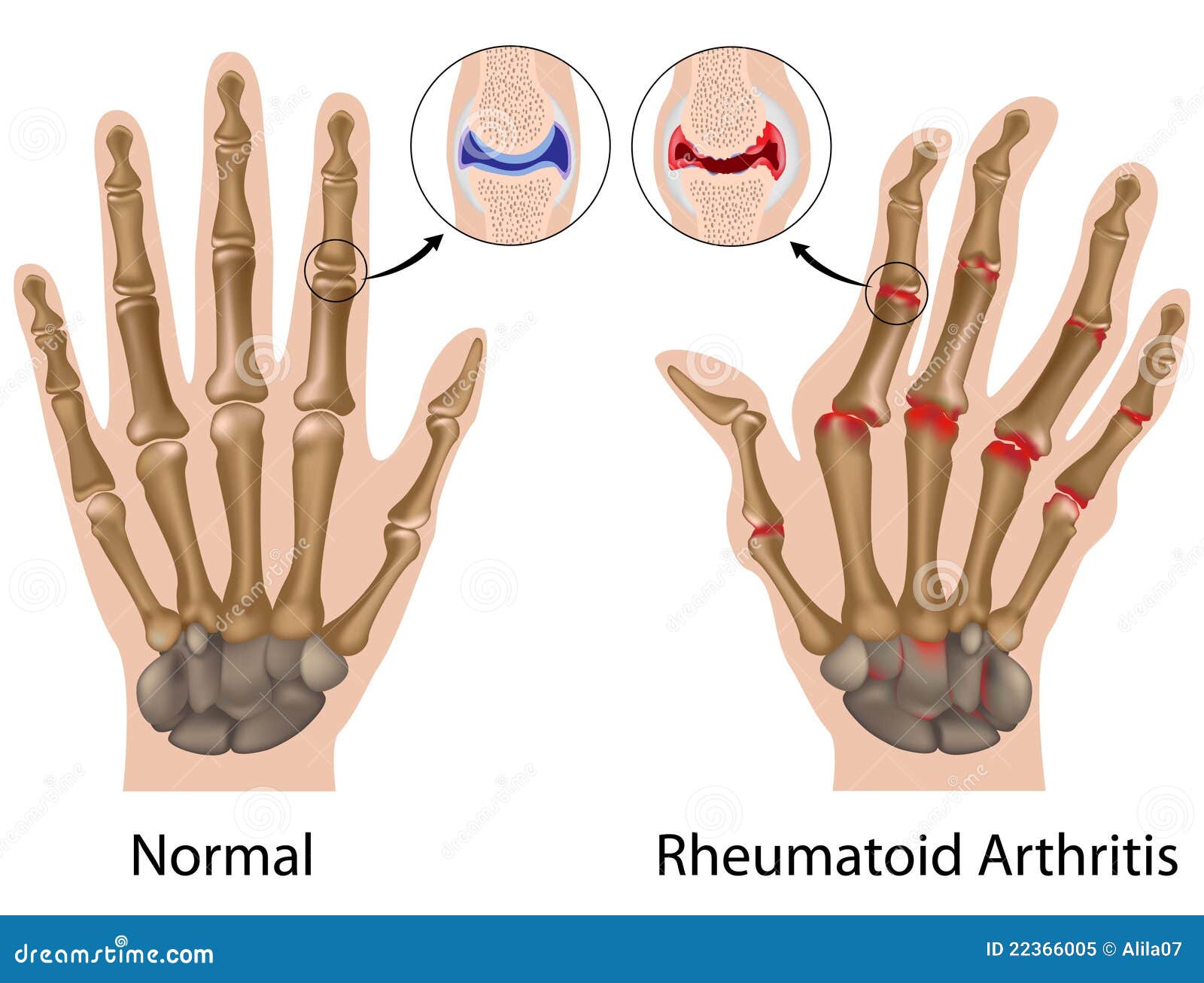
                In a two-year study, called ‘CareRA’, researchers and clinicians in the rheumatology unit a University Hospitals Leuven examined various therapies for early RA. Their goal: to find the optimal combination and dosage of three commonly prescribed antirheumatic drugs (methotrexate, sulfasalazine, and leflunomide) in combination with glucocorticoids. 290 early RA patients were divided into three treatment groups. Each group received a different combination therapy: ‘COBRA Classic (methotrexate, sulfasalazine, and a high first dose of glucocorticoids), ‘COBRA Slim’ (methotrexate and a moderate dose of glucocorticoids), or ‘COBRA Avant-Garde’ (methotrexate, leflunomide, and a moderate dose of glucocorticoids). All three strategies showed a similarly high efficacy: disease remission was achieved in 7 in 10 patients after 16 weeks of treatment. But the strategies varied significantly when it came to side effects.
                COBRA Slim Strategy, which calls for the least amount of medication, had half as many side effects as the two other strategies – and was just as effective. The strategy would also be easier to implement in daily practice because it is less complicated. A broader use of this strategy would lead to higher remission rates in the global early RA population and would probably reduce the need for expensive second-line antirheumatic treatment according to the researchers.

                Although this study is innovating, the RA treatment is not yet adequately standardized which leads to treatment inefficiencies. Due to the inefficiencies, more patients will require expensive second-line antirheumatic therapies (biologicals). Around 15 patients can be treated with COBRA Slim strategy which would cost the same price as a year treatment with a biological. Therefore, implementing COBRA Slim could help more people both with money and RA.
Article: http://www.sciencedaily.com/releases/2014/11/141110083404.htm

Sunday, April 14, 2013

Cell Therapy Shows Promise for Acute Type of Leukemia

David Aponte in remission after receiving experimental T-cell treatment

An experimental treatment that genetically alters a patient’s own immune cells, or T-cells, to fight cancer has produced remissions in adults with a deadly acute leukemia. This type of blood cancer is worse in adults than in children, the cure rate in adults is about 40 percent, compared with 80 to 90 percent in children. The experimental treatment uses a patient’s own T-cells, a type of white blood cell that normally fights viruses and cancer. The patient’s T-cells are extracted and genetically engineered using a disabled virus as a vector to carry new genetic material into the cells. The altered T-cells recognize and kill any cell that carries protein CD19 on its surface. CD19 is found on B-cells, which are part of the immune system. The patients in the study had a type of leukemia that affected B-cells, so the goal was to train the patients’ T-cells to destroy B-cells. Healthy B-cells would be killed along with cancerous ones, but that side effect is treatable.

Patients, who have relapsed after chemotherapy, usually have only a few months left. Three of the five patients that took part in this study have been in remission for 5 to 24 months. Their prognoses were good, but relapse was still possible, only time will tell. One patient from this study, 58 year old David Aponte was left in remission eight days after receiving the experimental treatment. Before any treatment Aponte agreed to his oncologist, Dr. Brentjens, suggestion that before starting chemotherapy Aponte have some of his T-cells removed and stored because chemotherapy would deplete the T-cells and he would no longer have the option to take part in the experiment if he were to relapse. After relapsing he joined the study. For the first few days nothing was happening. Then, his temperature began to rise, his fever spiked to 105 degrees. His T-cells were in a violent battle with the cancer and were churning out enormous amounts of hormones called cytokines. What was taking place is called a cytokine storm. The hormonal rush caused his blood pressure to plunge and his heart rate shoot up. Mr. Aponte was treated with steroids to subdue the reaction and eight days later, his leukemia was gone. After remission he was given a bone-marrow transplant, the normal and most promising treatment for this disease. Experts consider this treatment a highly promising approach for a variety of lethal cancers, including other blood cancers and tumors in organs like the prostate gland.

http://www.nytimes.com/2013/03/21/health/altered-t-cell-therapy-shows-promise-for-acute-leukemia.html?ref=geneticengineering