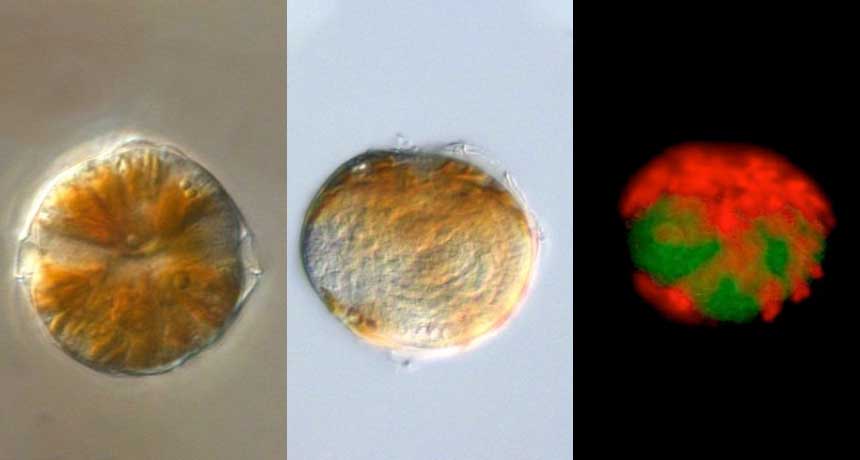
Scientists at UC Riverside in California recently discovered a gene that codes for the production of a chlorophyll specific to marine algae and kelp. Chlorophyll c is able to absorb wavelengths of light that penetrate deeper into the ocean. Specifically blue-green light. This adaption evolved from the need for more light absorbance since the ocean absorbs red light, which is more available to land plants. Chlorophyll c helps algae to thrive in the ocean. Terrestrial plants can only produce chlorophylls a and b, however the study demonstrated that tobacco, a land plant, could be genetically modified to produce chlorophyll c. This alteration could allow for land plants to absorb a broader range light and increase productivity. This has good implications for dealing with food scarcity and producing biofuel.
This article reminds me of one of the exercises we did in lab, and that was inserting the GFP gene from jellyfish into a DNA plasmid in E. coli. I wonder if inserting the chlorophyll c gene from algae into tobacco utilizes the same methods. This article never outright said it, but the main point was that they potentially found a way to make better GMO's. I don't know a lot about GMO's, but in the secondary article linked below, I read that their most common commercial use is in farmed plants. Typically GMOs in the produce section have selected traits that increase their shelf life, make them more resistant to pests and diseases, and make them taste better. The chlorophyll c gene may help land plants absorb more light and that would help increase crop yield. However in the study they've only found that it can inserted into tobacco. So we'll have to wait and see if it can be inserted into more plants.

Main article: https://www.earth.com/news/marine-algae-genes-chlorophyll-boost-crop-yields-land-plants/
GMO Article: https://education.nationalgeographic.org/resource/genetically-modified-organisms/