Showing posts with label cardiovascular. Show all posts

Thursday, May 7, 2026

The Potential of Cardiac Gene Therapy


A recent article explains how gene therapy is rapidly transforming modern medicine by evolving from an experimental concept into a powerful tool with real world success in treating genetic disorders. Today, researchers are exploring how these same technologies could revolutionize the treatment of cardiovascular disease.

Although current treatments such as medications, medical devices, and lifestyle changes have improved patient outcomes, they fail to address the underlying molecular causes of heart disease. Gene therapy offers a new approach by targeting disease at the genetic and cellular levels, potentially providing long lasting or curative treatments for heart conditions, which include heart failure, cardiomyopathies, arrhythmias, and vascular disease.

One aspect of cardiac gene therapy is the development of advanced delivery systems, like viral vectors and lipid nanoparticles that can transport therapeutic genes directly into heart tissue. These technologies allow scientists to precisely control where and how genes are expressed. While challenges still remain, researchers are becoming increasingly optimistic about the future of molecular medicine in cardiology.

Link:
https://www.sciencedirect.com/science/article/pii/S0828282X26000644#sec14


Additional:

Wednesday, December 8, 2021

Scientists find 13 candidate genes associated with fitness outcomes

Physical exercise is necessary for optimal health, the prevention of chronic diseases, and the avoidance of premature mortality. According to the 2018 physical activity guidelines for Americans, a balance of moderate and rigorous intensity physical activity, as well as muscle-strengthening activities involving the major muscle groups, is recommended. A meta-analysis published in PLOS ONE by Cambridge University researchers identified 13 potential genes linked to fitness results in previously untrained adults. Genetic factors were responsible for 72 percent of the variation in the strength training group's results. In the aerobic (44 percent) and anaerobic power groups, genetic variables had a smaller impact on the outcomes (10 percent). More research is needed to establish the precise roles of fitness genes and how to effectively tailor exercise instruction to individual genetic profiles. Cardiovascular fitness, muscle strength, and anaerobic power are the three components needed to evaluate health-related fitness. Cardiovascular fitness, also known as cardiorespiratory fitness, refers to how well the respiratory and circulatory systems provide oxygen to the skeletal muscle during physical activity. The maximum oxygen uptake (VO2) test determines the maximum oxygen consumption capacity of the body throughout a high-intensity activity, such as treadmill exercise. "Environment is a major factor for trainability," Dr. Bernd Wolfarth, professor in the Department of Sports Medicine at Humboldt University, Berlin, says in a session at the 22nd Annual Congress of the European College of Sports Science. "We know that about 25–40 percent of the variability of phenotype comes from genes, and the other 60–75 percent comes from environmental effects." Candidate genes may be able to predict successful responses to specific types of exercise training. These genes may have an impact on the body's energy processes, metabolism, storage, and cell proliferation. Following these findings, researchers from Anglia Ruskin University's Cambridge Centre for Sport and Exercise Sciences conducted a meta-analysis to discover the exact versions, or alleles, of candidate genes linked to the exercise response in untrained people. Strength, anaerobic power, and cardiovascular fitness were all measured by the team. From each parent, an individual inherits one allele of each gene. If both alleles are the same, the individual is homozygous for the gene; if the two alleles are different, the individual is heterozygous for the gene.

Friday, April 30, 2021

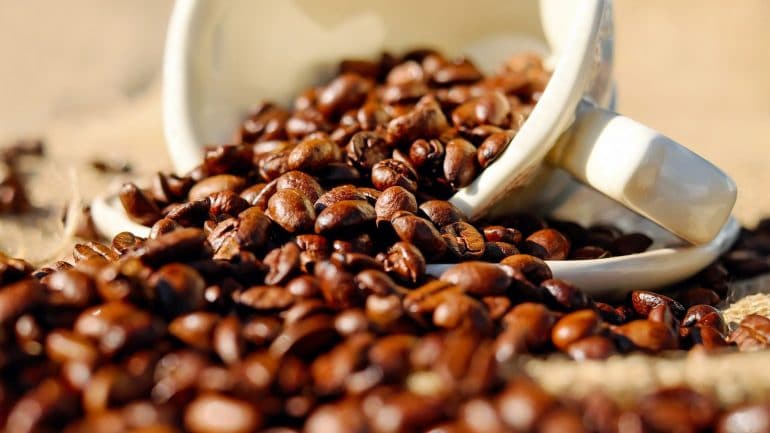
Coffee Is a Good Indicator of Your Health?


64% of American adults currently consume coffee every day. About 400 million cups of coffee are consumed every day, so it's not a surprise that this could tell you a little something about your cardiovascular health. In a world-first study of 390,435 people, University of South Australia researchers found causal genetic evidence that cardio health, as reflected in blood pressure and heart rate, influences coffee consumption. Driven influences on habitual coffee intakes suggest that people tend to naturally regulate their coffee consumption based on blood pressure levels and heart rate. These findings suggest that observational studies of habitual coffee intakes are prone to influences by reverse causation, and caution is required when inferred health benefits result from comparisons with coffee abstainers or decaffeinated coffee drinkers. So whether it be, an Espresso, Decaf, a Cappuccino, or any other, these preferences arise from the constant consumption of such. "But what we don't recognize is that people subconsciously self-regulate safe levels of caffeine based on how high their blood pressure is, and this is likely a result of a protective genetic a mechanism. Conversely, a non-coffee drinker, or someone who drinks decaffeinated coffee, is more likely prone to the adverse effects of caffeine, and more susceptible to high blood pressure." lead Prof. Hyppönen says. How much coffee we drink is likely to be an indicator of our cardio health so it's best to listen to our body because it may be telling us more than what we tend to pick up!


Links: 

https://www.eurekalert.org/pub_releases/2021-04/uosa-elo042021.php 

https://www.sciencedaily.com/releases/2021/04/210428080939.htm#:~:text=Genetic%20code%20drives%20your%20desire%20for%20coffee,-Date%3A%20April%2028&text=In%20a%20world%20first%20study,rate%20%2D%2D%20influences%20coffee%20consumption.

https://academic.oup.com/ajcn/advance-article-abstract/doi/10.1093/ajcn/nqab014/6169154?redirectedFrom=fulltext

Friday, November 27, 2020

A shield like genetic mutation


Canadian geneticist discovered a health helping genetic mutation in French Canadian families. Almost shield like in terms. The gene is PCSK9, and this mutation in the gene is believed to be a source of defense against "cardiovascular disease, liver disease, and other unidentified human illnesses."(staff) The gene mutation is believed to lower plasma LDL- cholesterol. Thus resulting in less cardiovascular disease. Overall this genetic mutation could be a BIG find for the medical community. Once it's fully understood it could be used in a variety of ways, including gene therapy to help people who's families suffer with histories of cardiovascular, and liver disease. (staff)


Source: staff, Science X. “A Gene Mutation That Protects against Disease.” Medical Xpress - Medical Research Advances and Health News, Medical Xpress, 19 Nov. 2020, medicalxpress.com/news/2020-11-gene-mutation-disease.html. 


Links Used: 

https://medicalxpress.com/news/2020-11-gene-mutation-disease.html

https://www.jci.org/articles/view/128650


Li

Saturday, November 8, 2014

Using Fibroblasts to Create New Blood Vessels

        Cardiovascular researchers at Houston Methodist have learned that they can use fibroblast cells and convert them into endothelial cells which will create blood vessels. Fibroblasts are the cells that cause scar tissue and are abundant in the human body. John Cooke, the study's main researcher, says that this is the first time that small molecules and proteins have been converted into a therapeutic cell type.  Cook's hope for this discovery is that it will be used to improve the healing of cardiovascular injuries and other injuries throughout the body that require an increase in circulation.There have already been studies done that use viruses to transform cells into those need in the body, but there are limitations and many risks that go along with this form of transformation. It is believed that using small molecules and proteins will be more safe for use.
The top picture shows fibroblasts stained blue, and the bottom picture shows the amount of fibroblasts that transformed into endothelial cells after treatment with poly I:C and VEGF

         The new method and Cook and his other researchers proposed involves exposing the fibroblasts to poly I:C (polyinosinic:polycytidylic acid) that will cause the cells to think that they are being attacked by a virus. Poly I:C is a small segment of RNA that binds to the host cell receptor TLR3. This viral attack caused the fibroblast cells to reorganize their nuclear chromatin, which allowed genes that had previously been blocked off to be expressed. Factors, such as VEGF, were the applied to the fibroblasts because these factors are known to cause certain cells to convert into endothelial cells. This treatment caused 2% of all the fibroblasts in the body to be transformed into endothelial cells, the same percentage outcome as using a virus to transform the cells. Cooke claims that he has unpublished work that shows that up to 15% of the fibroblasts can be converted using his method.
       
         In order to prove the effectiveness of the new cells, Cooke injected the cells into mice that had the need for new blood vessels in their hind limbs for circulation. Once the cells were introduced to the mice, the blood vessel number increased in the hind limbs and blood flow was improved. Cooke believes that his findings will pave the way for more studies to continue and possibly lead to finding ways to regenerate mass amounts of damaged tissue in humans.

       This is a very interesting study that goes to show that there are many different ways to manipulate the cells of the human body, and as our knowledge of genetics continues to grow, many more interesting findings like this will occur.

Original Article: Reprogrammed cells grow into new blood vessels

Friday, November 7, 2014

New Blood Vessels from Reprogrammed Fibroblasts


Scar cells(top) transformed into blood vessels. The
proof of transformation is indicated by the red color in
the bottom picture. The red is an indicator for CD31,
a protein made by blood vessels. 

Cardiovascular scientists from Houston Methodist, Stanford University, and Cincinnati Children’s Hospital teamed up in a joint effort to study fibroblasts, cells that cause scarring. Our bodies are filled with an immense amount of fibroblast. Through their study, the scientists discovered that the fibroblasts can be transformed into endothelium, a cell type that forms the lining of blood vessels. The method first involves polyinosinic:polycytidylic acid (poly I:C), a segment of double-stranded RNA, being introduced to fibroblasts. Poly I:C binds to TLR3(toll-like receptor 3), which fools the fibroblast cell into believing it was attacked by a virus. This resulted in a rearrangement of nuclear chromatin, which allowed genes to be expressed that were once restricted. After rearrangement, the fibroblast was treated with VEGF, Vascular endothelial growth factor, which allowed the fibroblasts to become endothelial cells.

"To our knowledge, this is the first time that trans-differentiation to a therapeutic cell type has been accomplished with a small molecules and proteins," explained chairperson, John Cooke, M.D. Houston Methodist Research Institute Department of Cardiovascular Sciences.

The next step in their research involved taking the transformed fibroblasts and introducing them to immune-deficient mice. The immune-deficient mice had poor blood circulation, however, with the transformed fibroblasts the number of vessels in the limbs of the mice increased, and ultimately improving circulation.

"The cells spontaneously form new blood vessels -- they self assemble," Cooke said. "Our transformed cells appear to form capillaries in vivo that join with the existing vessels in the animal, as we saw mouse red blood cells inside the vessels composed of human cells."

Although procedures like this have been performed, this is the first time a small molecule has been reprogrammed.  Research groups were able to generate endothelial cells from infectious viruses, viruses that were programmed to manipulate DNA cells. However, this process involves a more complicated approach. Viruses also have the potential to damage patient’s chromosomes. The small-molecule transformation of cells is a safer approach that will be utilized in clinical trials. The new research also helps our society take one step further into regenerative medicine. The new discovery will definitely help humans who suffer from poor blood circulation and cardiovascular health affects, by improving their condition through the formation of new blood vessels.

Article Related: Fibroblasts - http://ghr.nlm.nih.gov/glossary=fibroblast

Monday, April 14, 2014

Exercise improving brain function


Martta Kelly wrote an article called “Exercise in Young-Adult Years May Improve Brain Function.” Studies show that exercising in your young-adult years may bring better thinking skills in their middle ages. In the study, 2,747 healthy people between the ago of 18 to 30 ran a treadmill for as long as they could, and then did the same 20 years later. They took cognitive tests 25 years after the start of the study to measure their verbal memory, psychomotor speed, and higher thinking skills. The results showed that every additional minute people ran on the treadmill at the study’s start, they were able to memorize more words on the memory test. They also did better on the psychomotor speed test 20 years later. David R. Jacobs Jr., a professor of public health at the University of Minnesota in Minneapolis said "this study is significant in that it shows an association between cardiovascular fitness in one's youth and having better thinking skills at a later age." This article was very informative. This experiment shows how important exercise is. The breakthrough of this research can lead people to be healthier and help their thinking process.

Saturday, October 20, 2012

Newly discovered Protein May Be a Cause of Heart Failure

proteins that contribute to the heart muscle


Researchers at the Peter Munk Cardiac Centre discovered a protein switch that can trigger heart failure.  Dr. Billia says that  PINK1 is a protein that can affect the heart metabolism, leading into heart failure. The absences of this protein can cause the heart cells to produce less energy. The lack of energy causes some of the heart cells to die, forcing the remainder of the cells to work harder to keep the heart going. This is known as hypertrophy, where the heart muscles thickens. Heart failure is the most common hospitalization in North American adults, and over 50,000 people have heart failure annually. Studies have been shown that if you genetically remove the PINK1 proetin gene the heart will develop normally but will begin to fail within two months. It is not required for organ development but this protein is so important to the body; the body cannot survive without it.  Researchers think this protein links to Parkinson's disease and certain cancers such as esophageal and endometrial disease.

This is great information for cardiac patients. For heart patients that are on the donor waitlist can go on this new drug to help reverse the PINK1 protein from failing and perhaps repair their own heart and might not need to have a transplat after all and save a lot of money in the long run. I'm sure not only with gene therapy and taking certain medications to keep your proteins functioning normally diet and exercise play a factor as well to help the heart healthy. This i s great knowing that people now have alternatives and do not have to sit around waiting hoping to be next on the donor list.

Friday, April 27, 2012

Genetic Factors in Metabolism

In a study conducted by UT Southwestern Medical Center, a gene's role in metabolism has been pinpointed, at least in mice. MED13, a component of a  major genetic pathway in the heart, has been linked to obesity and diabetes that result from blood sugar changes in the body. Mice supplied with diets high in fat with higher levels of MED13 showed greater metabolism rates and therefore a much lower frequency of obesity and cardiovascular problems. It has also been found that a "heart specific micro RNA" called miRNA-208a, is linked to the presence of MED13. The micro RNA inhibits the activity of MED13. Mice with higher levels of miRNA-208a had slower metabolisms and showed higher rates of obesity.

[caption id="" align="alignleft" width="400" caption="Statistics of the Number of Overweight Americans in the United States"][/caption]

This study is significant because among humans, obesity, diabetes, and heart problems that result from these conditions are major causes of death and illness. Individuals are perhaps predisposed to obesity, and this study can open doors to new medications that could increase the activity of MED13, and give many Americans a higher quality of life. On the contrary, maybe it would be better for Americans with certain predispositions to just eat diets that aren't so high in fat. With the amount of processed food and fat in our meat products in this country, we can clearly see what individuals have higher metabolisms that others. A solution could be to feed our cattle grass, instead of corn which they store as fat because they are not designed to digest it.  This is an instance where scientific progress may point to individuals taking better care of themselves, instead of just creating another drug or therapy.

Sunday, November 27, 2011

An Apple a Day Keeps Bad Genes At Bay


For years, the belief that mutated genes passed on from generation to generation could not be corrected.  Researchers at McMaster and McGill universities are now questioning this theory. 9p21 is a gene that greatly influences many cardiovascular diseases. Scientists Michael G. DeGroote, Dr. Ron Do and collaborating colleagues found that a healthy diet of fruits and vegetables significantly decreases the effects of a "faulty" 9p21 gene. The study was performed on 27,000 individuals which included European, South Asian, Chinese, Latin American and Arab ethnic groups. Their research suggests that a "five a day" diet is a significant way to improve your overall health and longevity. More importantly, however, their research shows that individuals with a high risk genotype for cardiovascular disease can significantly be lowered with a diet rich in fruits and vegetables.

(Article link)