Showing posts with label #geneticvariants. Show all posts

Friday, November 22, 2024

Uncovering a 20 Year Old Family Murder Mystery With Genetics


In 1999, Kathleen Folbigg was convicted of murdering her four children over a ten year period. The first three children were all originally found to have died in their sleep, due to natural causes; however, the fourth death caused suspicion. Even though the fourth child, Sarah, had evidence of passing away from myocarditis (from a respiratory infection), the forensic pathologist stated that Sarah's death was undetermined after hearing about the three previous deaths. After misinterpreting her grieving diary entries, Kathleen's husband incriminated her and she was sentenced to 40 years of prison, four years later.

In 2018, Dr. Carola Vinuesa, immunologist/geneticist working at Australian National University, was contacted by a former student who wanted to discuss Kathleen. Immediately, Vinuesa was intrigued that all four children had evidence of epilepsy, myocarditis, and respiratory infections before their deaths and knew that murder may not have been the cause of their untimely death, but rather a rare genetic mutation. After taking a saliva sample from Kathleen, Vinuesa found a mutation in the CALM2 gene, which leads to heart arrhythmia and infant death. Two of the children were also found to have inherited the mutation from their mother. The other two children were found to have a rare pathogenic missense variant on a different gene (Bassoon), found to lead to cause early-onset lethal epilepsy in mice.  

In her time she spent in the courtroom, Vinuesa learned that many pieces of genetic evidence are ignored in our legal system, for they want to be entirely sure that a cause of death was from genetics alone. However, in a case where there was no actual evidence of foul play (only suspicion and strange circumstances), genetics must be taken higher into consideration. 

After five years and two legal inquiries from Vinuesa, Kathleen Folbigg was finally released from prison in June of 2023.

This discovery is incredibly fascinating and is a prime example of how important genetics is, in all areas in life. I also found this article intriguing because we have been discussing the discovery of DNA fingerprinting in the world of forensics in class the past couple weeks. There are many examples of genetics-solved-murders on television shows and movies, but to read about a real life example is truly breathtaking. 


SOURCES:

https://www.the-scientist.com/searching-for-the-rare-variants-in-a-genetic-haystack-72009

https://pubmed.ncbi.nlm.nih.gov/27100291/

https://www.science.org/content/article/how-geneticist-led-effort-free-mother-convicted-killing-her-kids

Friday, April 12, 2024

Genetic Links to HPV Persistence: Paving the Way for Personalized Cervical Cancer Prevention


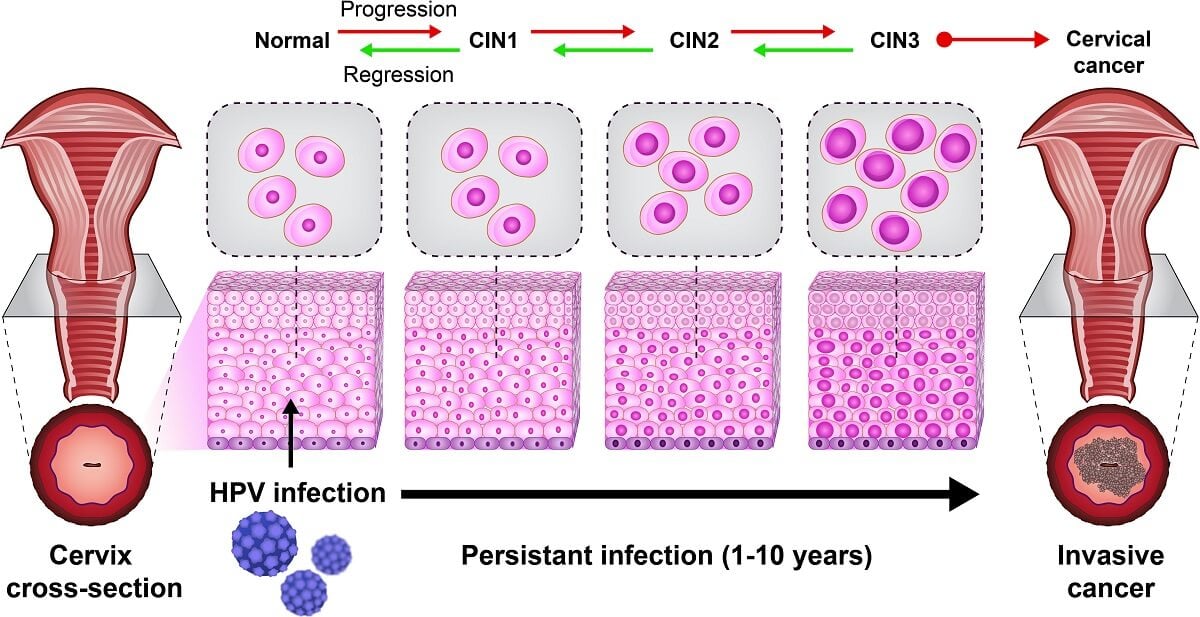
Researchers at the University ofMaryland School of Medicine have conducted a study that identified certain genetic variants that increase women's susceptibility to human papillomavirus (HPV) infections. These genetic variants are found more frequently in women who have a higher risk of developing cervical cancer. This study is the first to identify specific genetic markers, such as rs116471799 located near the LDB2 gene and other variants around the TPTE2 gene, linked to prevalent and persistent high-risk HPV infections. Based on these findings, researchers developed polygenic risk scores to assess the probability of these infections in individuals, potentially helping to create personalized prevention strategies for cervical cancer.

In my opinion, despite declines in cervical cancer rates among younger women who benefit from HPV vaccinations, rates are increasing among middle-aged women, and these discoveries could lead to better treatment for women who do not have access to the vaccination.  

Thursday, December 7, 2023

Genetic Variant to Prevent Obesity

Human genetic variations may affect people's susceptibility to weight gain. Genetic variants are differences in DNA sequence which occur between individuals naturally within a population. In a study done with mice, researchers tested them with a human genetic variant in the glucose-dependent insulinotropic polypeptide (GIP) receptor. This is associated with a lean body mass index because the way they act in the cellular level impacts metabolism and weight regulation. In the research, they found that mice were better at processing sugar and staying leaner than mice with a different more common variant of the receptor. Since the GIP receptor communicates with a hormone released in response to glucose levels after meals, if someone were to have at least one copy of the GIP receptor variant, they would have an altered metabolism that reduces their risk of developing obesity. The research team used CRISPR-Cas 9 technology to genetically engineer mice with a variant that encodes the GIP receptor. This study found that female mice with the variant were leaner than females without the variant. But they also found that male mice with the variant didn’t have much differences and had the same weight as other male mice without the variant, but did not suffer from weight gain when fed a high-fat diet as opposed to the other male mice without the variant, who did become obese. One of the researchers stated that the GIP hormone binds to the receptor which moves from the surface of the cell, to inside the cell, and this causes the GIP hormone to detach from the receptor, causing the receptor to return to the cell surface. 

It is interesting as well as very important to know that people with different genetic variants in the GIP receptor can have different impacts on their metabolism. According to the article, over 100 million adults in the US are affected by obesity. The GIP receptor is the reason some people are leaner than others. This research could give more insight and information on how to treat obesity. As of now, there are drugs that are also talked about in the article which mimic hormones that are found within the body that interact with the GIP receptor. But the goal is to develop a drug that is more precise and that matches to a specific genetic variant. This could be a much better approach for weight loss than the drugs that are now created and this opens doors to creating more solutions to many other health problems that people deal with.


Sources:

https://www.sciencedaily.com/releases/2023/12/231207161355.htm

https://www.nature.com/articles/s41576-021-00414-z


Saturday, November 4, 2023

Scientists take next big step in understanding genetics of schizophrenia


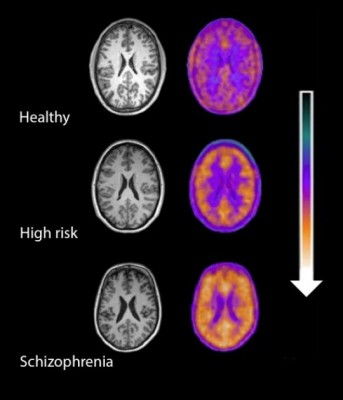
Researchers, led by the UNC School of Medicine, have made impressive findings in unraveling the genetic underpinnings of schizophrenia. They initially identified around 5,000 genetic variants associated with schizophrenia through genome-wide association studies (GWAS). To see which of these variants has a direct causal impact on the development of the condition, the team employed a specialized technique known as Massively Parallel Reporter Assay (MPRA). By introducing these variants into human brain cells in a controlled environment, they identified 439 genetic variations that have biological effects, capable of altering gene expression linked to schizophrenia. This study has discovered new genetic variations that could be involved in schizophrenia's genetic basis, helping us understand its complexity better.

Schizophrenia is known for its complicated interplay of genetic and environmental factors, and significant progress has been made in identifying potentially causal variants, but the condition remains versatile. The research emphasizes the need for further investigation into the genetic structure that contributes to an individual's liability for schizophrenia. In the end, what we've learned might help create better treatments or help get close to that step. This is very important because there aren't many good treatments available for this serious mental disorder.